Rothschild Power in Modern Finance: Structure, Evolution, and Reality

The enduring influence of the Rothschild family in modern finance stems from their historical transition from 18th-century European banking merchant houses to contemporary advisory-focused wealth management, institutional asset allocation, and corporate restructuring services, operating primarily through specialized entities like Rothschild & Co rather than central-bank control or monolithic capital reserves.
To understand "rothschild power in modern finance," one must move past centuries-old conspiracy theories and examine how the family's financial footprint actually manifests today. Far from controlling the world's money supply or owning every central bank—myths thoroughly debunked by historical and economic records—the modern iteration of Rothschild financial institutions operates as a specialized boutique investment bank. This article explores how the family's legacy translates into contemporary capital markets, the structural organization of their current firms, their areas of competitive advantage, and the regulatory frameworks governing their operations.
The Historical Evolution: From Frankfurt Ghetto to Global Merchant Banking
The foundation of the Rothschild financial dynasty was laid by Mayer Amschel Rothschild (1744–1812) in the Judengasse of Frankfurt, Germany. Operating initially as a coin dealer and merchant, Mayer Amschel strategically placed his five sons—Amschel, Salomon, Nathan, Calmann, and Jakob—in the major financial capitals of Europe: Frankfurt, Vienna, London, Naples, and Paris, respectively.
This multi-state network allowed the family to pioneer several foundational practices of international finance:
- Cross-Border Arbitrage: Moving capital, bills of exchange, and bullion rapidly across European borders ahead of competitors.
- Sovereign Debt Syndication: Financing governments and monarchs, most notably funding the British war effort against Napoleon through Nathan Mayer Rothschild in London.
- Information Superiority: Utilizing private couriers and carrier pigeons to secure market-moving political and military news before rival banking houses.
By the mid-19th century, the house of Rothschild was arguably the most powerful financial force in the Western world. However, the political upheavals of the 20th century—including two World Wars, the rise of fascism, and the destruction of European physical assets—fundamentally fractured this unified empire. The Vienna and Naples branches closed, the Paris branch was temporarily nationalized during the 1980s socialist reforms, and the London and French operations eventually restructured to survive in an era dominated by massive, publicly traded commercial and investment banking conglomerates.
Modern Corporate Structure: Rothschild & Co and RIT Capital Partners
Today, the financial activities associated with the family are primarily channeled through two distinct publicly traded or family-influenced entities: Rothschild & Co and RIT Capital Partners. Understanding modern Rothschild power requires separating these two entities, as they serve entirely different functions in the global financial ecosystem.
Rothschild & Co
Rothschild & Co is the flagship financial advisory group. It is controlled predominantly by the family through Concordia SAS, a holding company that ensures long-term family stewardship. Unlike Wall Street giants such as JPMorgan Chase or Goldman Sachs, Rothschild & Co does not rely on massive retail deposit bases or high-risk proprietary trading desks. Instead, it focuses on three core pillars:
- Global Advisory: Providing mergers and acquisitions (M&A) advice, debt restructuring, and strategic counsel to corporations, private equity funds, and governments.
- Wealth Management: Managing assets for high-net-worth individuals, families, and endowments across Europe and select global markets.
- Asset Management: Offering institutional-grade investment strategies, including conviction-based equity and private debt funds.
RIT Capital Partners
Formerly known as Rothschild Investment Trust, RIT Capital Partners is an investment trust listed on the London Stock Exchange. While it historically had closer familial ties, it operates as an independently managed trust focused on long-term capital preservation and growth. It invests across a globally diversified portfolio, including public equities, private equity, venture capital, and uncorrelated assets.
| Entity | Primary Focus | Regulatory Status | Operational Model |
|---|---|---|---|
| Rothschild & Co | M&A Advisory, Wealth Management, Private Banking | Regulated by the ACPR (France), FCA (UK), and global financial watchdogs | Boutique advisory; limited balance-sheet risk-taking |
| RIT Capital Partners | Multi-asset global investment trust | Listed on the London Stock Exchange (LSE) | Closed-ended investment company managed by J. Rothschild Capital Management |

Strategic Niche: Why Boutique Advisory Dominates Modern Influence
In an era defined by mega-banks with balance sheets stretching into trillions of dollars, how does a boutique advisory firm like Rothschild & Co maintain outsized influence? The answer lies in the economics of conflicts of interest and specialized expertise.
Mega-banks often engage in universal banking—combining commercial lending, underwriting, asset management, and trading under one roof. This creates inherent conflicts of interest. For example, a commercial bank that lends money to a corporation might face pressure to pitch that same corporation on an M&A deal, or prioritize its own proprietary trading book during a volatile market event.
Rothschild & Co intentionally avoids this model. By focusing almost exclusively on independent advisory services, they position themselves as "trusted counselors" free from commercial lending biases. When two multi-national conglomerates contemplate a multi-billion-dollar merger, they frequently hire independent advisory firms like Rothschild, Lazard, or Evercore to quarterback the negotiation precisely because these firms do not have competing commercial banking interests.
Financial Comparison: Boutique Advisory vs. Universal Investment Banks
To contextualize the scale and operational footprint of modern Rothschild entities relative to traditional giants, consider the structural differences outlined below:
- Capital Deployment: Universal banks hold trillions in assets driven by consumer deposits and derivatives books. Rothschild & Co operates with a lean balance sheet, prioritizing fee-based advisory revenue over interest-rate spreads or leveraged trading.
- Risk Exposure: Because they do not engage in heavy market-making or consumer lending, boutique advisory firms are insulated from systemic retail credit crunches, though they remain sensitive to global M&A deal volumes.
- Client Demographics: Advisory clients consist of Fortune 500 CEOs, sovereign states, family-owned enterprises, and ultra-high-net-worth individuals, rather than retail checking-account holders.
Debunking Myths: Central Banks and Global Conspiracies
No discussion of Rothschild power in modern finance is complete without addressing the persistent urban legends that surround the name. For over a century, conspiracy theories have falsely claimed that the family owns the Federal Reserve, the Bank of England, or controls the global money supply.
Economic historians and regulatory filings confirm the reality:
- Central Bank Ownership: Modern central banks—such as the U.S. Federal Reserve, the European Central Bank, and the Bank of England—are statutory public institutions established by national legislation. Their governance boards are appointed by governments or public processes, and their monetary policy decisions are transparent matters of public record. No single family or private entity holds ownership shares in them.
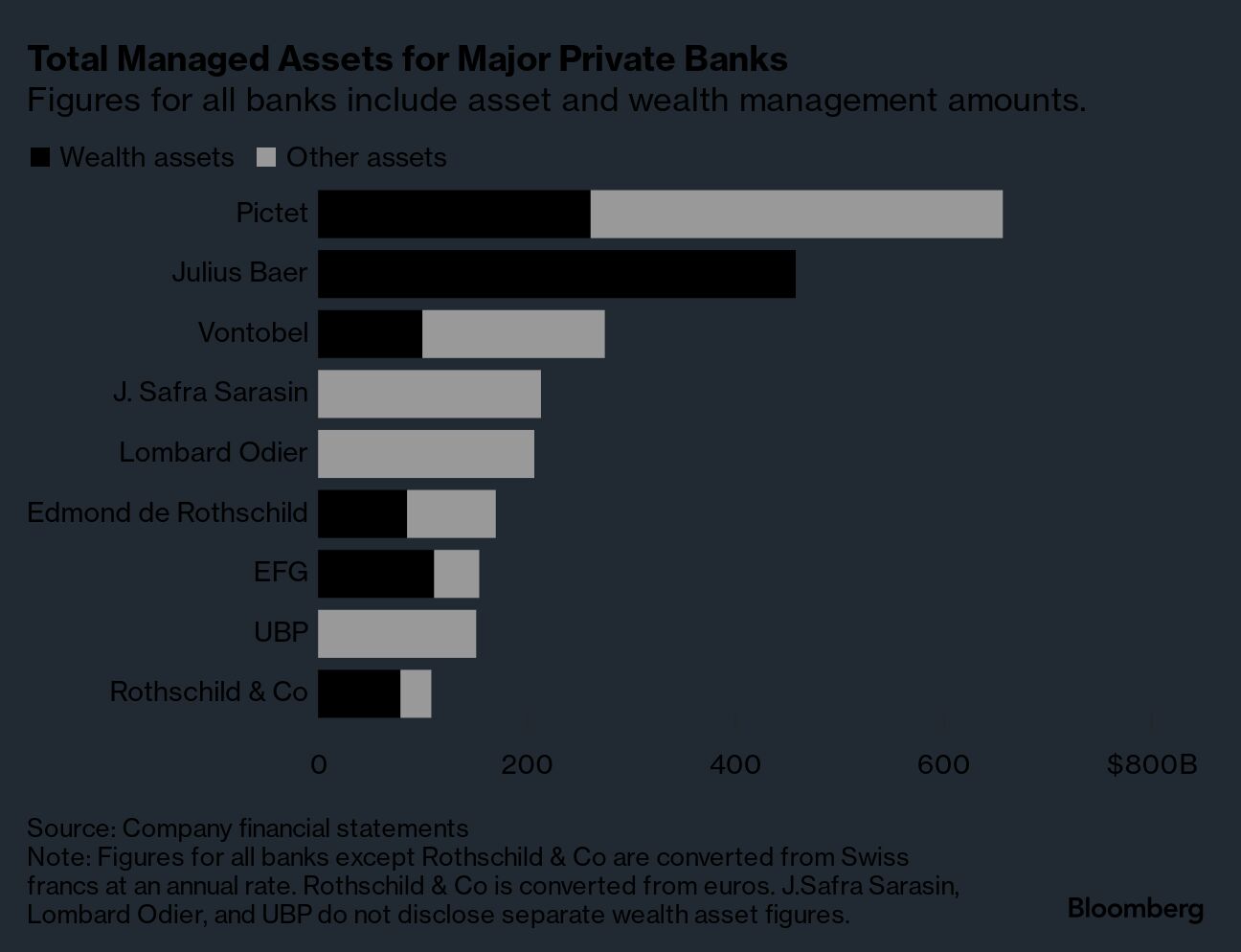
- Asset Scale: While the family commands substantial generational wealth, their collective assets are a fraction of the capital managed by institutional giants like BlackRock, Vanguard, or State Street, or the market caps of modern technology monopolies.
The persistence of these myths stems from the family's historical prominence in 19th-century finance, combined with antisemitic tropes that weaponized Jewish financial success into narratives of shadowy global control. In reality, the modern power of the name is institutional, reputational, and advisory—rooted in centuries of accumulated social capital and elite network access rather than secret economic dominance.
Current Operational Landscape and Challenges
Operating in the 2026 financial climate presents unique headwinds and opportunities for firms bearing the Rothschild legacy.
Geopolitical Fragmentation
As globalization faces friction from trade protectionism, economic sanctions, and shifting diplomatic alliances, multinational corporations require sophisticated cross-border restructuring advice. Rothschild & Co leverages its historic European and international footprint to navigate complex regulatory environments for clients dealing with supply chain decoupling and cross-border compliance.
Generational Wealth Transfer
The wealth management division of Rothschild & Co targets one of the largest demographic shifts in history: the transfer of trillions of dollars from the "Silent Generation" and Baby Boomers to Millennials and Gen Z. Boutique private banks specialize in structuring multi-generational trusts, philanthropic foundations, and corporate governance frameworks designed to preserve family-owned business empires over decades.
Talent Retention
In the financial advisory sector, human capital is the primary asset. Boutique firms compete aggressively against Wall Street investment banks for elite business school graduates. They compensate by offering lower bureaucracy, closer exposure to senior dealmakers, and prestigious institutional branding.
Frequently Asked Questions
Do the Rothschilds own the Federal Reserve or global central banks?
No. Central banks are statutory public institutions created by government legislation. The Federal Reserve, Bank of England, and European Central Bank operate independently under public mandates and are not owned by any private family, including the Rothschilds.
What is the primary business of Rothschild & Co today?
Rothschild & Co primarily operates as an independent financial advisory firm specializing in mergers and acquisitions (M&A), corporate restructuring, private wealth management, and institutional asset management.
How does Rothschild & Co differ from Wall Street investment banks?
Unlike universal Wall Street banks, Rothschild & Co does not rely on massive consumer deposit bases, commercial lending portfolios, or high-risk proprietary trading. Its business model is built around fee-based advisory services, minimizing balance-sheet risk and avoiding commercial conflicts of interest.
Are all companies bearing the Rothschild name connected?
No. Over centuries of division and restructuring, various entities have evolved independently. While Rothschild & Co remains closely tied to the family through holding structures like Concordia SAS, other entities operate as independent publicly traded investment trusts or separate legal entities.
Why do corporations hire boutique advisors instead of mega-banks?
Corporations hire independent advisors to avoid conflicts of interest. Because boutique firms do not offer commercial loans or aggressive market-making services, management teams trust them to provide unbiased strategic counsel during high-stakes mergers and acquisitions.
Practical Next Steps for Researchers and Investors
For those analyzing modern financial power structures or evaluating investment and advisory landscapes, distinguishing between institutional myth and operational reality is essential. Reviewing primary regulatory disclosures, such as annual reports from Rothschild & Co and public filings from the London Stock Exchange regarding RIT Capital Partners, provides accurate, transparent data on asset under management (AUM) figures, revenue streams, and corporate governance models. When assessing boutique advisory sectors, focus on deal league tables, independent advisory market share, and cross-border advisory capabilities rather than speculative internet narratives.
Image Gallery
Select an image to open it in a new tab.
Vivian Cho
Executive IT and Emerging Technologies Reporter
