Navigating the Best Protein Powder for Losing Weight: Selection, Science, and Strategy

Finding the best protein powder for losing weight involves looking past flashy marketing labels to evaluate macronutrient profiles, ingredient quality, and how a specific supplement supports a calorie deficit. While no supplement can melt fat on its own, the right protein powder preserves lean muscle tissue, tames appetite, and helps you stay within your daily energy targets while working toward your body composition goals.
Choosing a protein powder when your primary goal is fat loss requires a different approach than shopping for mass gainers or heavy muscle-building formulas. During a calorie deficit, your body is vulnerable to breaking down muscle tissue for energy alongside fat stores. High-protein intake counters this catabolic effect, while keeping total carbohydrates and fats low to fit your daily caloric budget.
(Note: The information below is for educational purposes and does not constitute medical advice. Consult a healthcare professional or registered dietitian before making significant changes to your diet or supplementation routine.)
Understanding the Role of Protein Powder in Fat Loss
Protein is the most thermic macronutrient, meaning your body expends more energy digesting and processing it compared to carbohydrates and dietary fats. Specifically, the thermic effect of food (TEF) for protein is roughly 20% to 30%, meaning about a quarter of the calories consumed via protein are burned off during the metabolic processing of the nutrient.
Beyond metabolic processing, protein is a powerful tool for appetite control. It stimulates the release of satiety hormones such as peptide YY (PYY) and GLP-1, while simultaneously suppressing ghrelin, the primary hunger hormone. For someone restricting calories, managing hunger is often the single greatest determinant of long-term success. A well-formulated protein shake can bridge the gap between meals, preventing the energy crashes that lead to unplanned snacking.
However, it is vital to understand that protein powders are dietary supplements, not magic fat burners. They provide a convenient, concentrated source of amino acids with minimal accompanying calories. If your overall energy balance remains in a surplus—meaning you consume more calories than you burn—adding a protein shake will not result in weight loss, regardless of the brand's label claims.
Key Criteria for Evaluating Weight-Loss Protein Powders
When scanning labels for a weight-loss-friendly supplement, you must look beyond total protein per scoop and evaluate the complete nutritional profile. The ideal product maximizes protein delivery while minimizing superfluous calories from added sugars and fats.
Macronutrient Ratios
A quality weight-loss protein powder should deliver at least 20 to 25 grams of protein per serving, while keeping total calories under 150. Look for powders where the vast majority of calories come directly from protein rather than carbohydrates or fats. A good rule of thumb is that a serving should contain no more than 3 to 5 grams of carbohydrates and 1 to 2 grams of fat, unless it is a specialized meal replacement shake designed to substitute an entire meal.
Ingredient Transparency and Additives
Many commercial protein powders include thickeners, artificial sweeteners, and sugar alcohols to improve texture and taste. While generally recognized as safe by regulatory bodies like the U.S. Food and Drug Administration (FDA), certain sugar alcohols like maltitol or sorbitol can cause gastrointestinal distress, bloating, and gas in sensitive individuals. Opting for third-party tested products (such as NSF Certified for Sport or Informed-Choice) ensures that what is on the label matches what is in the tub, protecting you from undeclared banned substances or heavy metals.
| Protein Type | Primary Source | Typical Protein per Scoop | Best For | Potential Drawbacks |
|---|---|---|---|---|
| Whey Protein Isolate | Dairy (Cow's Milk) | 24–30g | Rapid absorption, very low carbs/fats | Contains trace lactose; expensive |
| Whey Protein Concentrate | Dairy (Cow's Milk) | 20–25g | Budget-friendly general use | Higher lactose, fat, and carb content |
| Micellar Casein | Dairy (Cow's Milk) | 20–24g | Sustained release (nighttime use) | Thick texture, slower mixing |
| Plant-Based Blends | Pea, Rice, Hemp | 20–24g | Vegan, dairy-free, or sensitive stomachs | Gritty texture, incomplete amino profile unless blended |
| Egg White Protein | Egg Whites | 20–24g | Dairy-free complete protein | Strong taste, higher cost |

Examining Common Protein Types for Weight Loss
Different protein sources behave differently in the body, affecting digestion speed, satiety, and dietary restrictions. Selecting the right base depends on your personal digestive tolerance and lifestyle preferences.
Whey Protein Isolate vs. Concentrate
Whey protein is derived from milk during the cheesemaking process. Whey protein concentrate retains some fats and lactose, typically yielding 70% to 80% protein by weight. While it is more affordable, the residual carbohydrates and fats make it slightly less optimal for strict calorie-restricted diets.
Whey protein isolate undergoes further processing to filter out nearly all fat and lactose, resulting in a product that is 90% or more protein by weight. For individuals looking to maximize protein intake while keeping calories to an absolute minimum, isolate is generally preferred. Furthermore, because the lactose is largely removed, those with mild lactose sensitivities often tolerate isolate much better than concentrate.
Micellar Casein
Casein is the other primary protein found in milk, accounting for roughly 80% of its protein content. Unlike whey, which digests rapidly, casein forms a gel-like substance in the acidic environment of the stomach. This slows down gastric emptying, resulting in a slow, sustained release of amino acids into the bloodstream over several hours. While studies show that total daily protein intake matters more than timing for muscle retention, many dieters utilize casein before bed to stave off late-night cravings and support overnight recovery.
Plant-Based Protein Blends
For individuals following a vegan lifestyle or dealing with severe dairy allergies, plant-based proteins offer a viable alternative. Single-source plant proteins (such as brown rice or hemp protein) often lack an optimal profile of essential amino acids. Consequently, the best plant-based weight-loss powders utilize a blend—typically combining pea protein and brown rice protein—to create a complete amino acid profile that rivals dairy-based options. Plant proteins also tend to be rich in fiber, which further enhances satiety.
How to Integrate Protein Powder Into a Fat-Loss Plan
Supplementation is only as effective as the nutritional foundation supporting it. Simply adding a protein shake to an already excessive diet will stall your progress. Strategic integration requires planning around your daily energy expenditure and nutritional needs.
Determining Your Daily Protein Target
During weight loss, maintaining lean mass requires higher protein intakes than the general baseline recommendations. Clinical sports nutrition guidelines often suggest consuming between 1.6 to 2.2 grams of protein per kilogram of body weight (roughly 0.8 to 1.0 gram per pound) when engaging in resistance training while in a calorie deficit. For a 180-pound individual, this translates to roughly 144 to 180 grams of protein daily. Protein powder should fill the gaps when whole-food sources like chicken breast, lean beef, fish, eggs, and Greek yogurt fall short of that target.
Timing and Meal Substitution
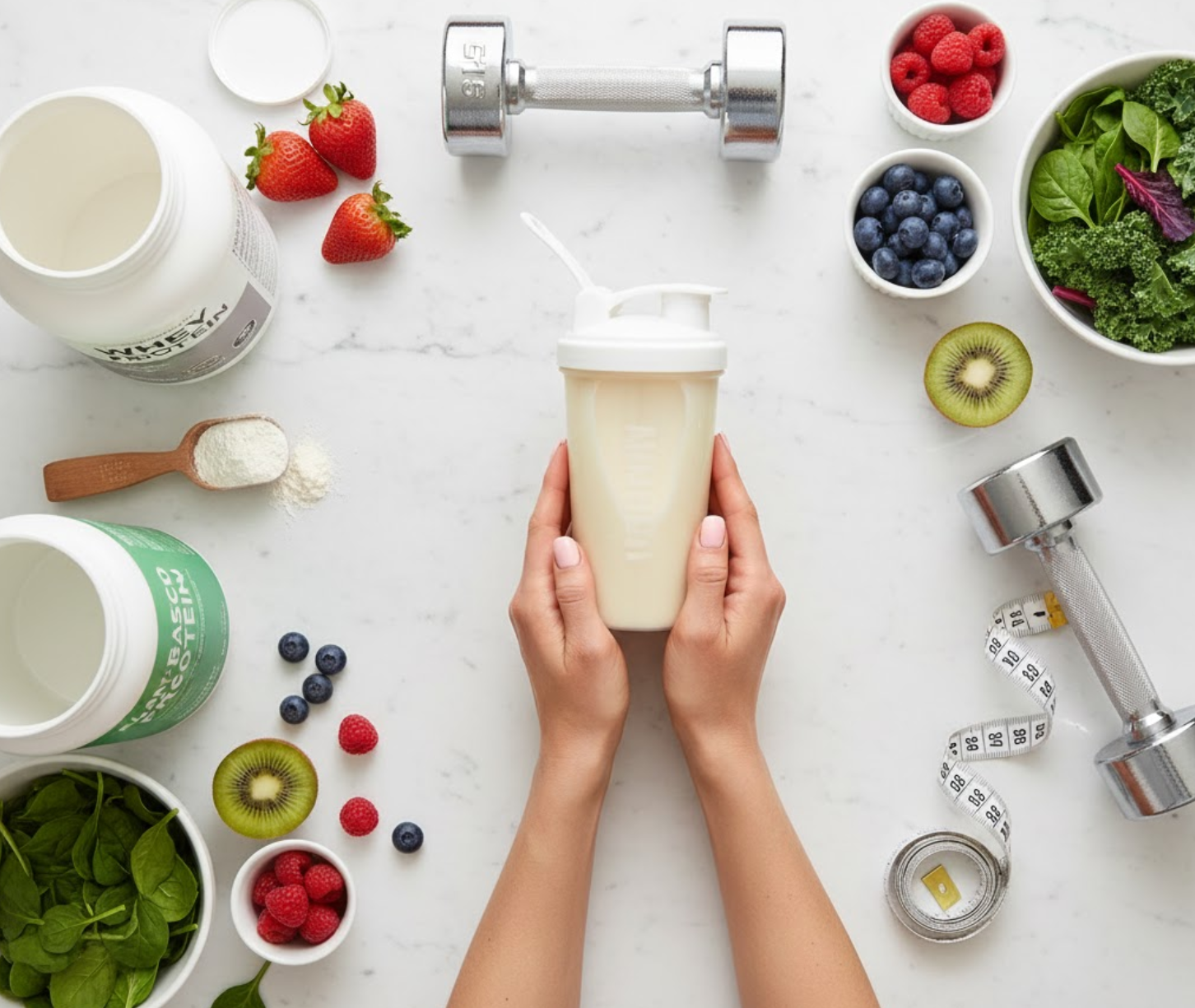
While the "anabolic window" immediately post-workout is more flexible than once believed, consuming protein within a reasonable timeframe around exercise supports muscle repair. For weight loss, many individuals find success using a protein shake as a controlled meal replacement or a mid-afternoon snack when sweet cravings strike. Blending a scoop of protein powder with water or unsweetened almond milk, a handful of spinach, and frozen berries creates a high-volume, low-calorie meal that keeps hunger at bay for hours.
Common Mistakes When Using Protein Powder for Weight Loss
Navigating weight-loss supplementation is fraught with hidden pitfalls. Avoiding these common errors ensures your investment yields actual results.
- Ignoring Liquid Calories: Mixing your protein powder with whole milk, fruit juices, and high-calorie nut butters can easily turn a 120-calorie shake into a 500-calorie beverage, quietly wiping out your daily calorie deficit.
- Treating Protein Like a Free Food: Protein still contains calories (four calories per gram). Overconsuming protein powders beyond your daily caloric maintenance level will still result in weight gain.
- Overlooking Third-Party Testing: Buying bargain-bin powders without quality verification can expose you to heavy metal contamination or inaccurate macronutrient labeling, where the actual protein content is far lower than advertised.
- Neglecting Whole Foods: Relying entirely on shakes for your nutritional needs deprives your body of essential micronutrients, healthy fats, and the dietary fiber found in whole food sources. Supplements should complement, not replace, a balanced diet.
Frequently Asked Questions
Does protein powder burn fat on its own?
No. Protein powder does not possess intrinsic fat-burning properties. It aids in weight loss by providing a high-protein, low-calorie macronutrient source that promotes satiety, preserves lean muscle tissue during a calorie deficit, and has a higher thermic effect than fats and carbohydrates. Weight loss occurs only when you maintain a consistent net calorie deficit over time.
Is whey isolate better than plant-based protein for weight loss?
Whey isolate generally offers a slightly more complete amino acid profile per gram and mixes with a smoother texture, making it efficient for pure calorie control. However, high-quality plant protein blends can be equally effective for weight loss, provided they deliver adequate protein per serving and fit within your daily caloric limits. The best choice depends entirely on your dietary restrictions and digestive tolerance.
Can I use protein powder as a meal replacement?
You can use protein powder as part of a meal replacement, but standalone protein shakes lack the essential fats, complex carbohydrates, and micronutrients found in a balanced meal. To use a protein powder effectively as a meal replacement, blend it with a source of healthy fats (such as chia seeds or flaxseed) and fiber (such as leafy greens or berries) to ensure sustained energy and proper nutrition.
When is the best time of day to drink a protein shake for weight loss?
The best time to consume a protein shake is whenever it helps you manage your appetite and hit your daily protein targets most effectively. Many people prefer a shake in the afternoon to curb cravings, or post-workout to support muscle recovery. Total daily intake and overall caloric balance matter significantly more than precise nutrient timing.
Will drinking protein powder make me bulky?
No. Gaining significant muscle mass ("bulking") requires a sustained caloric surplus combined with heavy, progressive resistance training and specific genetic factors. Drinking protein powder while in a calorie deficit will help you retain muscle while losing fat, resulting in a leaner, more toned physique rather than a bulky one.
Conclusion and Next Actions
Achieving sustainable weight loss requires a disciplined approach rooted in a caloric deficit, adequate physical activity, and smart nutritional choices. The best protein powder for your goals is one that fits seamlessly into your daily calorie budget, satisfies your appetite, and agrees with your digestive system.
To take the next step, calculate your target daily protein intake based on your body weight and activity level, review your current diet to identify where protein gaps exist, and select a high-quality, third-party tested protein powder—whether whey isolate or a clean plant blend—to help you bridge those gaps safely and effectively.
Image Gallery
Select an image to open it in a new tab.




Ingrid Bjornson
Global Cyber Policy and Regulation Analyst
