The Biggest House in the US Stands Amid Shifting Luxury Trends
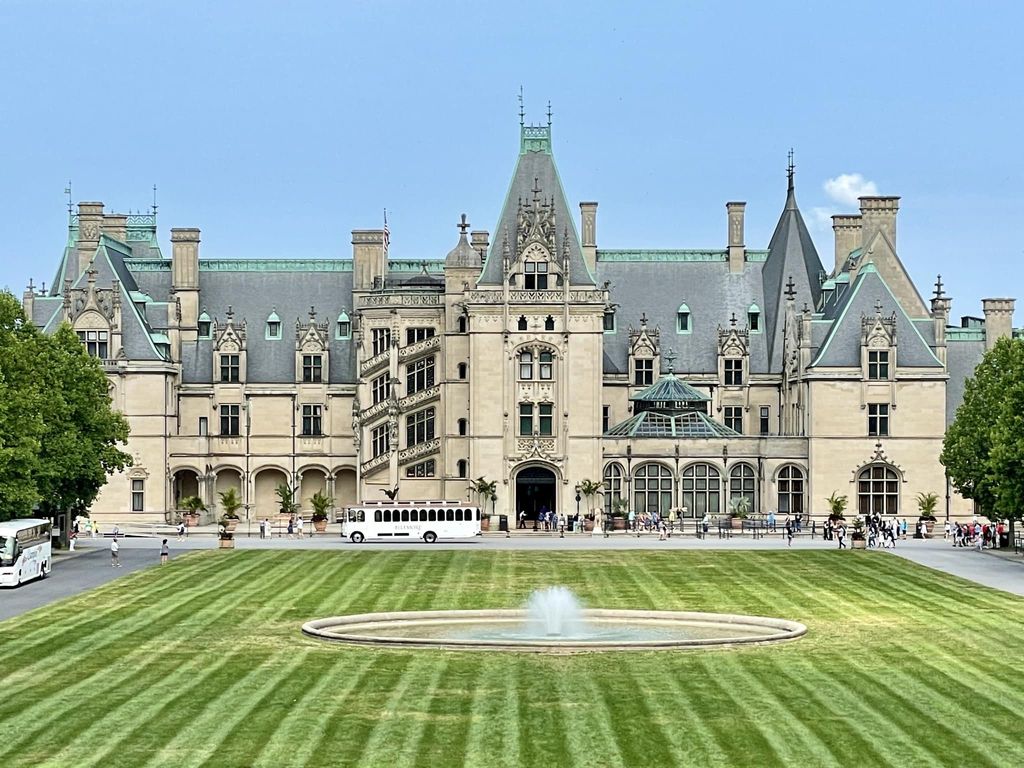
The biggest house in the US—Biltmore Estate in Asheville, North Carolina—remains an architectural titan spanning approximately 178,926 square feet of total floor area, standing as a testament to Gilded Age opulence even as contemporary ultra-luxury real estate shifts toward wellness-oriented, sustainable, and technologically integrated compounds rather than sprawling historical dynastic estates.
Understanding the Scale of Biltmore Estate
When examining the upper echelons of American residential architecture, Biltmore Estate holds an undisputed position. Commissioned by George Washington Vanderbilt II and designed by architect Richard Morris Hunt, this Gilded Age masterpiece in the Blue Ridge Mountains of Western North Carolina was opened to the family on Christmas Eve in 1895. Spanning a jaw-dropping 178,926 square feet—with 135,280 square feet of actual living space—the French Renaissance-style chateau features 250 rooms, including 35 bedrooms for family and guests, 43 bathrooms, 65 fireplaces, an indoor swimming pool, a bowling alley, and a massive library housing thousands of volumes.
The sheer scale of Biltmore cannot be understood through square footage alone; it requires looking at the industrial and infrastructural marvels required to build and maintain it. Vanderbilt purchased roughly 125,000 acres of land to anchor his country retreat, hiring renowned landscape architect Frederick Law Olmsted to design the surrounding grounds, which included America's first managed forest. To supply materials for construction, a private three-mile railway spur was even laid directly to the site to haul limestone, timber, and masonry. Today, while the estate operates primarily as a historic house museum, winery, and resort destination, its structural footprint dwarfs modern custom builds, which typically cap out between 20,000 and 50,000 square feet even among the most ambitious billionaires.
The Evolution of American Ultra-Luxury Real Estate
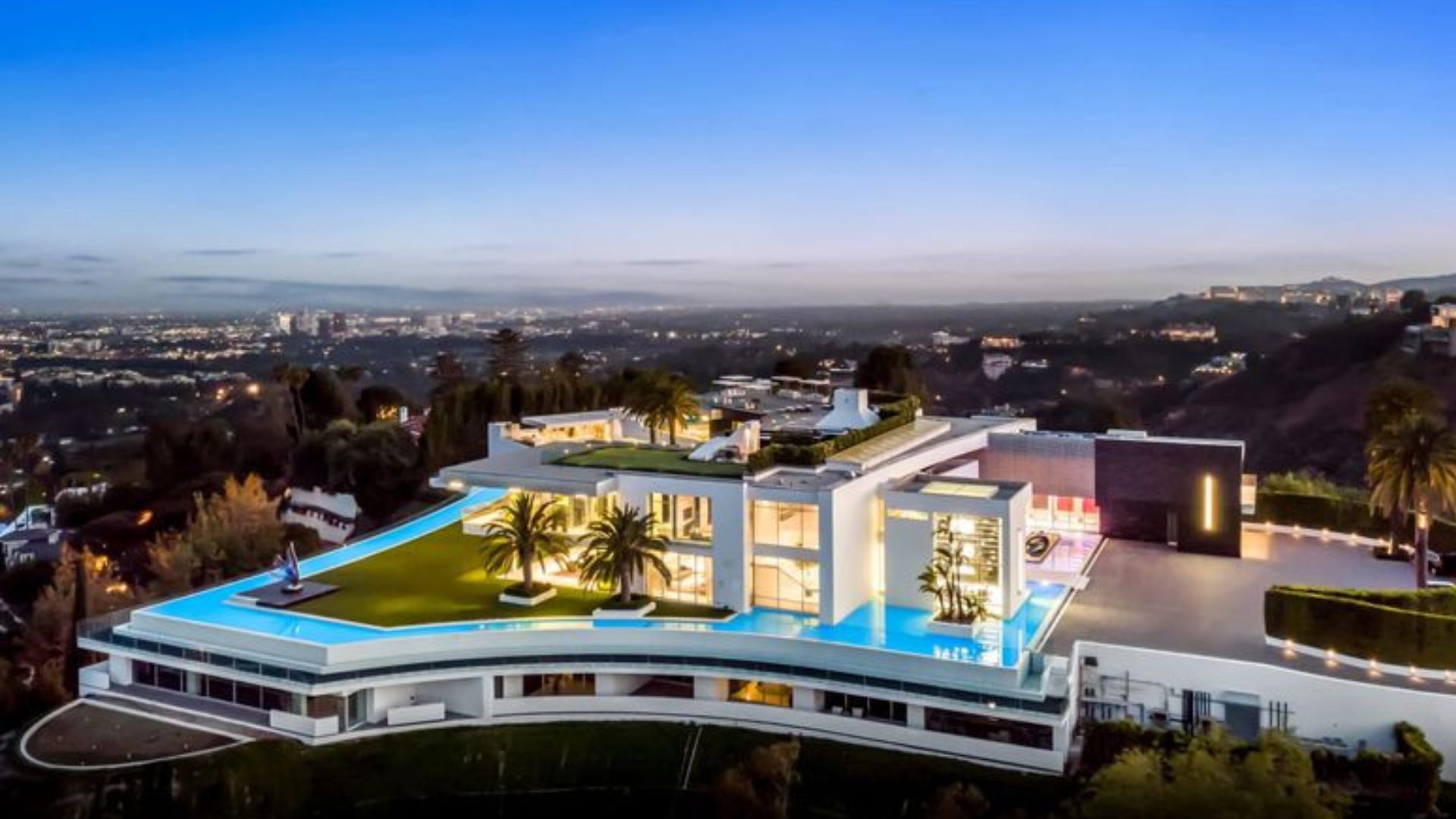
The era of building single-family homes approaching 200,000 square feet largely ended with the close of the Gilded Age. Changes in income taxation, the rise of estate taxes, high domestic staffing costs, and zoning restrictions transformed how the ultra-wealthy consume residential space. While mega-mansions still command headlines—such as the infamous, unfinished "The One" in Bel-Air, California, which spanned roughly 105,000 square feet before facing financial distress and bankruptcy proceedings—the market appetite for monuments to pure square footage has cooled considerably.
Modern luxury real estate buyers evaluate properties through an entirely different lens. Instead of seeking vast, echoing ballrooms and dozens of unused guest suites, contemporary high-net-worth buyers prioritize functional utility, privacy, sustainability, and technological infrastructure. The traditional concept of a sprawling country estate has fragmented into two distinct approaches: urban trophy penthouses that maximize views and convenience, and sprawling, multi-structure family compounds that offer privacy and decentralized living spaces rather than one monolithic main house.
| Era / Characteristic | Gilded Age Estates (e.g., Biltmore) | Modern Ultra-Luxury Compounds (2026 Context) |
|---|---|---|
| Typical Size | 50,000 to 180,000+ square feet | 15,000 to 45,000 square feet (main structures) |
| Primary Driver | Dynastic permanence, social status, and industrial dominance | Privacy, wellness, technology, and operational efficiency |
| Staffing Requirements | Dozens of live-in domestic staff | Smart-home automation, outsourced property management teams |
| Architectural Style | European revival (Chateauesque, Neo-Renaissance) | Minimalist contemporary, biophilic, highly integrated landscape design |
| Core Amenities | Bowling alleys, indoor pools, massive libraries, ballrooms | Commercial-grade spas, private helipads, secure panic rooms, carbon-neutral energy grids |
Shifting Luxury Trends: Wellness, Sustainability, and Technology
The modern luxury real estate market is defined by a pivot from external ostentation to internal well-being and environmental resilience. Ultra-luxury buyers increasingly view their homes as sanctuaries that actively promote physical health, mental wellness, and ecological sustainability.
Wellness Architecture and Biophilic Design
Current luxury design standards place immense value on biophilic principles—connecting interior spaces directly with nature. Floor-to-ceiling automated glass walls, indoor-outdoor living transitions, and dedicated wellness wings featuring cryogenic chambers, hyperbaric oxygen therapy rooms, commercial-grade fitness centers, and air-and-water purification systems are now standard expectations in properties exceeding $20 million. Unlike historical mansions where wellness amenities like indoor pools were novelties, modern health infrastructure is deeply integrated into daily routines.
Operational Efficiency and Sustainability
Maintaining a 178,000-square-foot chateau like Biltmore requires a small army of conservators, engineers, and groundskeepers, backed by a revenue-generating commercial tourism model. For private residential owners, the carrying costs, carbon footprint, and labor dependencies of massive homes have driven demand for extreme efficiency. Today’s luxury homes frequently incorporate subterranean geothermal heating and cooling, vast rooftop solar arrays integrated seamlessly into architectural shingles, and advanced greywater recycling systems. Sustainability is no longer just an ethical choice; it is a luxury amenity that ensures uninterrupted off-grid capability and lower long-term maintenance overhead.
Integrated Technology and Security
The contemporary mega-home functions as a smart fortress. Beyond basic climate and lighting automation, modern luxury properties rely on fiber-optic backbones, artificial intelligence-driven predictive maintenance systems, and military-grade biometric security perimeters. Safe rooms equipped with independent air filtration and satellite communication links have replaced the hidden staircases and masonry vaults of the 19th century, reflecting modern security concerns for high-profile individuals.
Financial Realities: The Cost of Owning and Maintaining Mega-Properties
The economics of owning America's largest homes reveal why the market for single-structure behemoths remains limited. Operating a property of Biltmore’s scale requires continuous capital expenditure. Even for private estates in the 30,000-to-50,000-square-foot range, annual property taxes, insurance premiums, specialized maintenance crews, and utility costs can easily exceed millions of dollars annually.
Furthermore, liquidity and resale dynamics heavily favor smaller, highly customizable compounds over single massive structures. When multi-tens-of-millions-dollar properties hit the market, the buyer pool is exceedingly small. Properties that lean too heavily into hyper-personalized architectural statements often face prolonged days on market or substantial price reductions, as buyers prefer blank canvases where they can imprint their own design philosophies. This economic friction has accelerated the trend toward modular compounds—estates featuring a main residence flanked by detached guest houses, staff quarters, and entertainment pavilions—which offer greater flexibility and easier resale potential.
Frequently Asked Questions
What is officially the biggest house in the US?
Biltmore Estate in Asheville, North Carolina, is widely recognized as the largest privately owned home in the United States, boasting approximately 178,926 square feet of total floor area and 135,280 square feet of living space. Built by George Washington Vanderbilt II, it remains a standing monument to the American Gilded Age.
Are people still building houses as large as Biltmore today?
No. While ultra-luxury homes routinely exceed 20,000 or 30,000 square feet, single-family homes approaching 100,000+ square feet are exceptionally rare and typically face significant commercial, zoning, and financial hurdles. Modern wealth prefers distributed compounds over single colossal structures.
How do modern luxury trends differ from Gilded Age estate design?
Gilded Age design prioritized monumental scale, European historical revivalism, and spaces designed for large-scale formal entertaining with large domestic staffs. Modern luxury trends prioritize wellness, sustainability, cutting-edge smart home technology, seamless indoor-outdoor living, and operational efficiency with minimal staffing footprints.
What are the main challenges of owning a mega-mansion?
The primary challenges include astronomical ongoing maintenance costs, high property taxes, specialized staffing requirements, significant energy consumption, and notoriously low market liquidity when trying to resell unique architectural assets.
How does Biltmore Estate maintain its operations today?
Biltmore operates as a self-sustaining enterprise. While still owned by the descendants of George Washington Vanderbilt II through The Biltmore Company, it functions as a historic house museum, boutique hotel resort, winery, and agricultural operation open to the public to fund its massive preservation efforts.
Practical Guidance for Luxury Property Acquisition and Development
For buyers and developers navigating the upper tiers of the real estate market, aligning with current luxury trends ensures long-term asset retention and personal enjoyment. Prioritize structural adaptability by designing compounds with separate, multi-use structures rather than a single oversized monolith. Invest heavily upfront in sustainable infrastructure, such as geothermal systems and commercial-grade backup power generation, to mitigate future operational volatility. Finally, ensure that privacy and advanced digital security are embedded directly into the foundational site planning rather than treated as retrofitted additions.
Image Gallery
Select an image to open it in a new tab.
Ingrid Bjornson
Global Cyber Policy and Regulation Analyst
