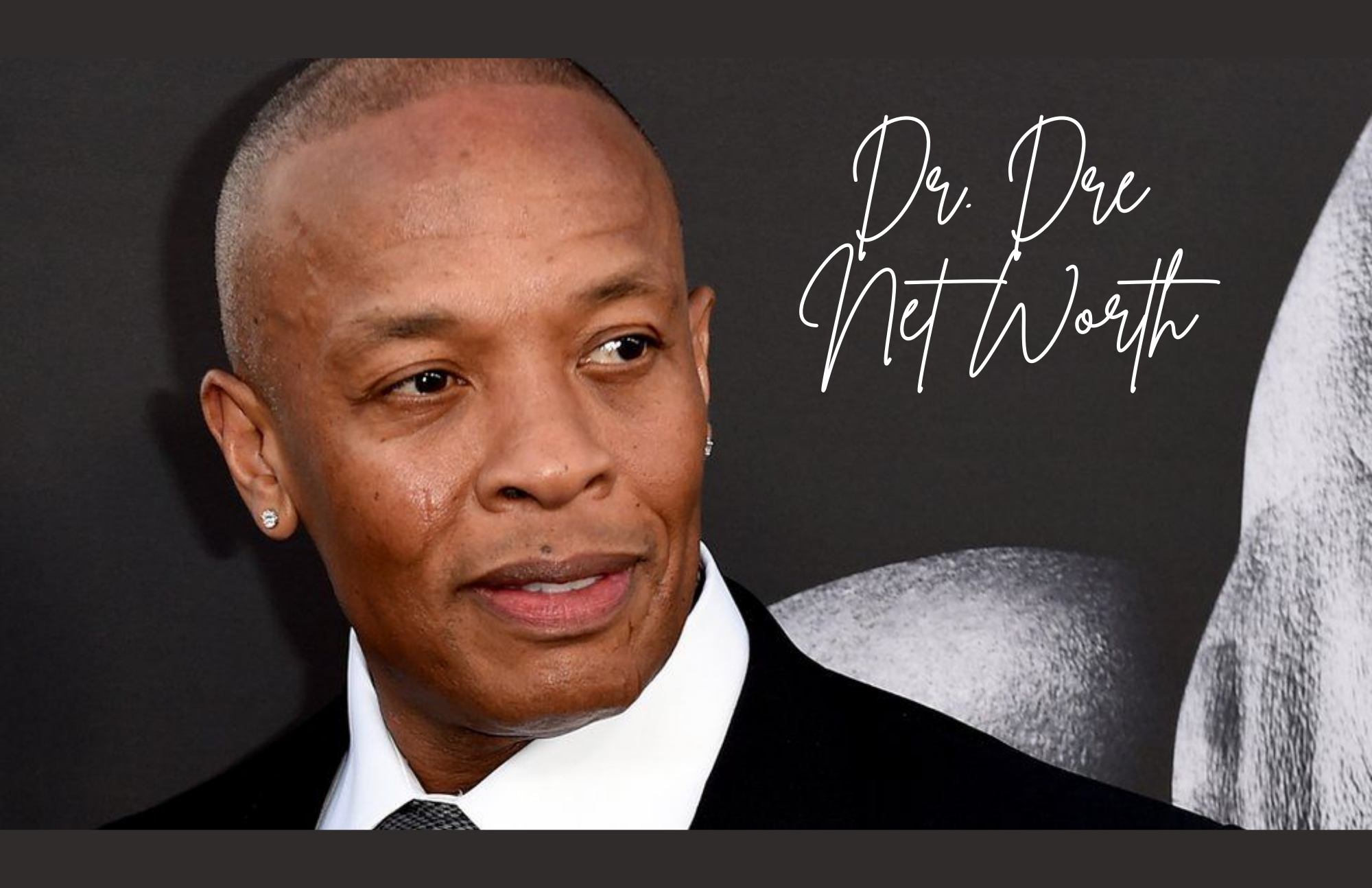
Dr. Dre’s Net Worth and Career: The Evolution of a Hip-Hop Mogul

Dr. Dre commands an estimated net worth exceeding $500 million, built across more than four decades as a pioneering producer, rapper, and entrepreneur. His financial standing stems not only from his foundational work in West Coast hip-hop with N.W.A and solo multi-platinum albums like The Chronic, but also from high-stakes corporate acquisitions, most notably Apple’s purchase of Beats Electronics in 2014 for $3 billion.
The Genesis of a Producer: N.W.A and World Class Wreckin' Cru
The career trajectory of Andre Romell Young, known professionally as Dr. Dre, began in the early 1980s within the vibrant and competitive Los Angeles electro-funk and club scene. Before shaping the global consciousness of rap music, Dre honed his craft as a DJ and producer for the World Class Wreckin' Cru. Working out of local venues and regional recording studios, he developed an ear for intricate drum programming, heavy basslines, and the integration of classic funk samples—elements that would soon redefine modern music production.
In 1986, Dre co-founded N.W.A (Niggaz Wit Attitudes) alongside Eazy-E, Ice Cube, MC Ren, and DJ Yella. The group functioned as a cultural lightning rod, introducing "gangsta rap" to a mainstream audience with unflinching, cinematic descriptions of inner-city life in Compton. N.W.A’s 1988 sophomore studio album, Straight Outta Compton, went double platinum and fundamentally shifted the geography of hip-hop away from the East Coast, establishing Los Angeles as an epicenter of commercial and artistic innovation. Despite the group's massive commercial success, internal financial disputes and creative differences led to rapid departures, starting with Ice Cube in 1989 and followed by Dre himself in 1991.
Leaving N.W.A marked the beginning of Dre’s evolution from group member to mogul. Alongside Suge Knight, he co-founded Death Row Records in 1991. This partnership provided Dre with the financial backing and creative autonomy to execute his next major artistic statement: his 1992 solo debut album, The Chronic.
Solo Stardom and the Death Row Records Era
The Chronic established a new sonic blueprint for hip-hop, popularizing the smooth, synthesizer-heavy "G-funk" subgenre that dominated the 1990s. The album peaked at number three on the Billboard 200, was certified triple platinum by the Recording Industry Association of America (RIAA), and introduced the world to emerging talent, most notably Snoop Dogg. Tracks like "Nuthin' but a 'G' Thang" and "Let Me Ride" showcased Dre's meticulous ear for audio engineering and his ability to construct radio-friendly hits without compromising underground grit.
Following creative and contractual fractures with Suge Knight, Dre executed a bold career pivot in 1996. He left Death Row Records to found Aftermath Entertainment, distributed through Interscope Records under Jimmy Iovine. Although Aftermath's initial releases faced commercial hurdles, Dre soon discovered and signed a struggling Detroit rapper named Eminem in 1997.
Producing and executive-producing Eminem’s major-label debut, The Slim Shady LP (1999), and its massive follow-up, The Marshall Mathers LP (2000), cemented Aftermath as a hitmaking machine. Shortly thereafter, Dre discovered Long Beach rapper 50 Cent, whose 2003 debut album, Get Rich or Die Tryin', sold over 8 million copies in the United States alone. Through Aftermath, Dre maintained a steady stream of production royalties and publishing stakes, expanding his wealth generation far beyond his personal recording career.
Major Business Ventures and the Beats Electronics Era
While music production and artist development provided a lucrative foundation, Dr. Dre’s transition into consumer electronics and corporate leadership cemented his status as a billionaire-tier earner. In 2006, Dre and Jimmy Iovine co-founded Beats Electronics. Recognizing that subpar factory-issued headphones were ruining the fidelity of modern bass-heavy music, the duo launched Beats by Dre headphones in 2008.
The brand captured a massive share of the consumer electronics market by leveraging high-profile endorsements from elite athletes, pop stars, and musicians, coupled with a distinct aesthetic design. Beats quickly became a status symbol, commanding premium retail prices. In 2011, smartphone manufacturer HTC acquired a 50.1% majority stake in Beats Electronics for $309 million, a transaction that yielded significant capital for Dre and Iovine before they bought back portions of the company.
The Apple Acquisition
The crowning achievement of Dre's business career occurred in May 2014, when Apple announced its acquisition of Beats Electronics and Beats Music for $3 billion. As a co-founder and major stakeholder, Dr. Dre reportedly netted approximately $750 million before taxes from the cash-and-stock transaction. This single deal catapulted his financial standing into the upper echelon of the entertainment industry, earning him widespread recognition as hip-hop's first billionaire (though taxes and subsequent expenditures placed his net worth slightly below that threshold at various points).
| Venture / Era | Key Milestone | Estimated Financial Impact / Valuation |
|---|---|---|
| N.W.A / Death Row | Straight Outta Compton & The Chronic | Multi-platinum album sales; foundational royalties |
| Aftermath Entertainment | Discovery and production for Eminem and 50 Cent | Consistent production and publishing revenue streams |
| Beats Electronics | Co-founding premium headphone and streaming brand | Sold to Apple for $3 billion in 2014; personal payout ~ $750 million |
| Catalog Sales (2024) | Sale of select publishing and master recording rights | Estimated $200+ million transaction with Universal Music Group |
Asset Diversification and Real Estate Portfolios
Beyond Beats and music royalties, Dr. Dre maintains a diversified portfolio of real estate holdings, particularly in Southern California. Over the years, his residential acquisitions have included high-profile properties in Hollywood Hills, Calabasas, and Malibu.
In 2014—the same year as the Apple acquisition—Dre purchased a massive, 18,000-square-foot estate in Brentwood, Los Angeles, from NFL quarterback Tom Brady and supermodel Gisele Bündchen for $40 million. This compound features state-of-the-art security, extensive recording facilities, and custom architectural design, serving as his primary residence. His real estate investments have consistently appreciated, adding tens of millions of dollars to his underlying net worth independent of industry fluctuations.
In recent years, Dre has continued to optimize his financial assets. In 2024, reports surfaced that he sold portions of his artist royalties, music publishing rights, and master recordings to Universal Music Group and Shamrock Holdings in a transaction valued at over $200 million. Moves like this reflect a broader industry trend where legacy artists monetize their catalogs upfront to secure generational wealth and liquidity while mitigating the unpredictable nature of streaming royalties.
Frequently Asked Questions
What is Dr. Dre's current net worth?
Dr. Dre's net worth is estimated to be between $500 million and $800 million. The exact figure fluctuates based on the valuation of his remaining music catalog, ongoing publishing royalties, real estate holdings, and private investments. His wealth peaked following Apple’s $3 billion acquisition of Beats Electronics in 2014, from which he received a multi-hundred-million-dollar payout.
How did Dr. Dre make most of his money?
While Dr. Dre earned substantial wealth early in his career through record sales, touring, and executive producing multi-platinum albums for artists like Snoop Dogg, Eminem, and 50 Cent, the vast majority of his fortune came from co-founding Beats Electronics. When Apple acquired the headphone and streaming company in 2014, Dre's equity stake generated a payout of approximately $750 million.
Does Dr. Dre still own a music catalog?
Dr. Dre sold significant portions of his music publishing assets, master recording royalties, and producer rights in 2024 to Universal Music Group and Shamrock Holdings for an estimated $200 million plus. However, he retains select rights, ongoing production interests, and full ownership of his personal brand equity through Aftermath Entertainment.
What is Dr. Dre's role in the music industry today?
Today, Dr. Dre operates primarily as a legendary executive, producer, and mentor. Through Aftermath Entertainment, he continues to oversee select projects, collaborate with contemporary artists, and invest in emerging audio technologies. He also made a high-profile return to the global stage headlining the 2022 Pepsi Super Bowl LVI Halftime Show alongside Snoop Dogg, Kendrick Lamar, Mary J. Blige, Eminem, and 50 Cent.
Next Actions and Financial Strategy
For aspiring entrepreneurs and artists studying Dr. Dre’s career, the primary takeaway is the power of asset ownership and vertical integration. Moving from work-for-hire production to co-founding record labels, and ultimately creating standalone consumer products with mass-market appeal, shifted his financial profile from a high-earning employee to a capital-allocating mogul. Analyzing how legacy acts protect and monetize their intellectual property through catalog sales and equity partnerships offers a clear template for modern entertainment business management.
Image Gallery
Select an image to open it in a new tab.



Declan O'Connor
Higher Education and Campus Culture Reporter
