Complete Guide to Wearing a Face Mask in Basketball: Safety, Regulations, and Selection
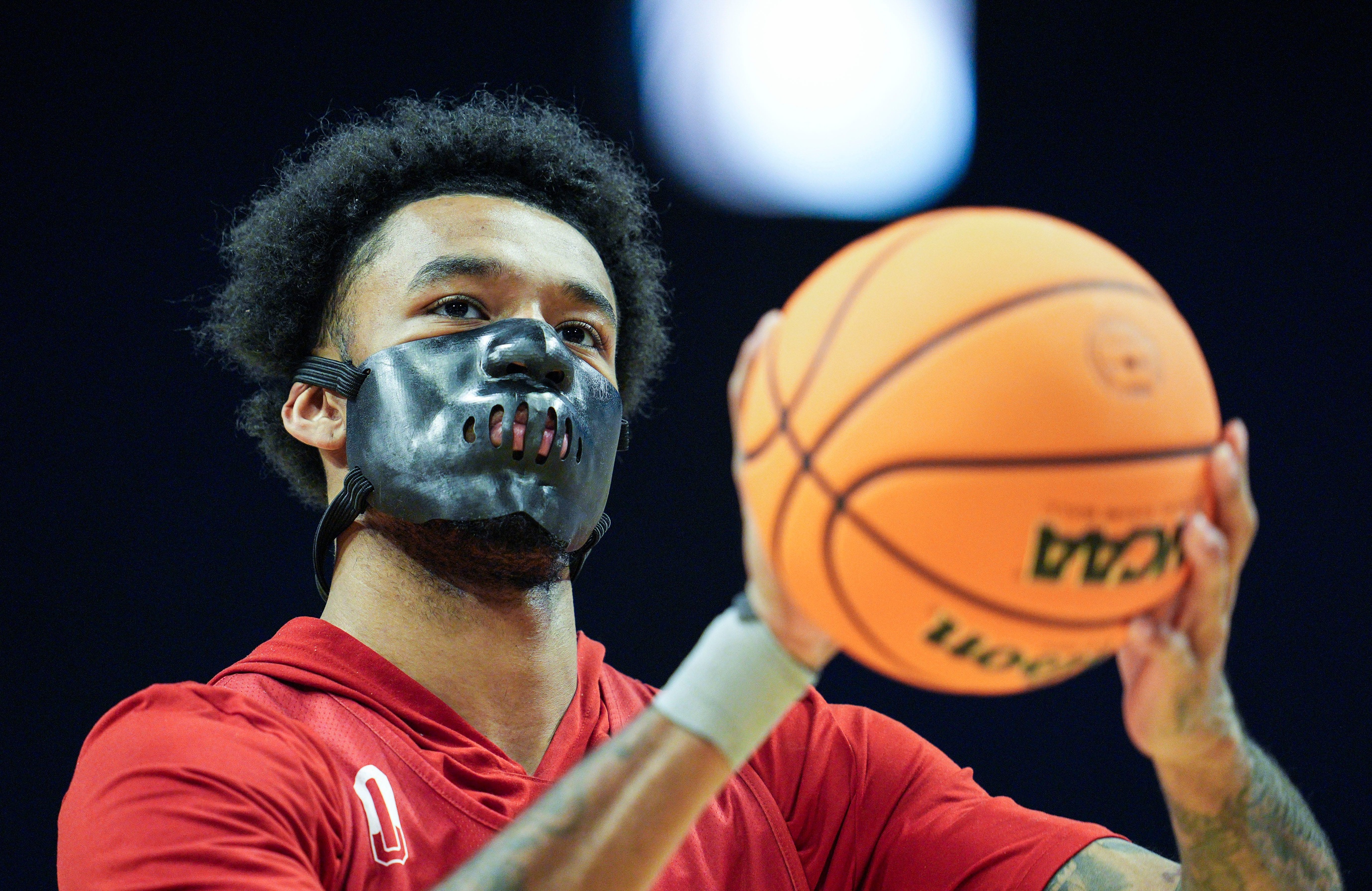
Wearing a face mask in basketball serves as crucial protective equipment for players returning to the court after facial trauma, such as nasal fractures, orbital bone breaks, or maxillary injuries. These specialized guards shield vulnerable facial structures from further impact while allowing athletes to maintain their competitive edge safely.
Understanding the Purpose of Basketball Face Masks
In high-intensity sports like basketball, accidental elbows, collisions, and stray hands frequently result in facial trauma. A basketball face mask—frequently referred to as a protective face guard or sports medical mask—is designed to absorb and distribute kinetic energy away from injured facial zones. Unlike generic protective gear, professional basketball masks are engineered to fit the unique contours of an athlete’s face without excessively obstructing their peripheral vision or breathing.
The primary objective of these medical shields is protection during the crucial healing window following surgery or conservative fracture management. Bones in the face, particularly the nasal bones and the zygomatic arch, require stable environments to mend properly. Wearing a custom or properly fitted protective shield allows players to participate in contact drills or full-scale games while minimizing the risk of re-injury.
Furthermore, these masks provide psychological reassurance. Athletes who have suffered severe facial trauma often exhibit hesitation or guarded movement upon returning to play. By wearing a secure face guard, players can regain their confidence, re-engaging physically in aggressive rebounding, driving to the basket, and contesting shots without the constant anxiety of reinjury.
Common Medical Indications for Wearing a Guard
Facial protection in basketball is rarely a fashion statement or a preventative luxury; it is a clinical intervention prescribed or cleared by medical professionals. Understanding the underlying injuries helps clarify why specific designs and materials are necessary.
Nasal Fractures and Septal Hematomas
The most frequent reason players don a face mask is a broken nose. Nasal bones are fragile and prone to lateral displacement during physical contact. Following a closed reduction or surgical realignment, a protective mask prevents accidental impacts from re-displacing the bone fragments.
Zygomatic and Orbital Bone Breaks
Fractures of the cheekbone (zygoma) or the eye socket (orbit) are considerably more severe. The orbital floor, in particular, houses delicate structures that support the eye. A sturdy polycarbonate shield prevents direct pressure or impact from displacing bone fragments into the orbital space, which could otherwise jeopardize vision or require extensive reconstructive surgery.
Maxillary and Dental Trauma
Upper jaw (maxilla) fractures and severe dental trauma require rigid stabilization. While mouthguards protect the teeth and lower jaw, full-face or mid-face guards shield the upper jaw from compressive forces during collisions with opposing players or the hardwood floor.
Regulatory Standards and League Guidelines
Before stepping onto the court with a protective face mask, players and equipment managers must navigate the specific rules enforced by various basketball governing bodies. Regulations exist primarily to ensure that protective gear does not present an unfair advantage or a safety hazard to other participants.
NBA and Professional Regulations
In the National Basketball Association (NBA), players must clear stringent league protocols before wearing a face mask in a game. The mask must be evaluated by medical personnel to ensure it does not feature sharp edges, abrasive materials, or dangerous protrusions that could harm opponents during a scramble for a loose ball. Historically, the league has required masks to be clear or transparent, though aesthetic variations have occasionally been permitted upon review. Players such as Kyrie Irving, Richard Hamilton, and LeBron James famously navigated these approval processes during their respective recoveries.
NCAA and High School Rules
Collegiate and high school governing bodies, such as the National Collegiate Athletic Association (NCAA) and the National Federation of State High School Associations (NFHS), enforce strict equipment guidelines. Referees inspect all medical gear prior to tip-off. Masks must fit snugly against the face, be free of unpadded rigid components, and receive prior written clearance from a treating physician or certified athletic trainer.
Materials, Design, and Customization Options
The construction of a basketball face mask has evolved significantly from the heavy, unyielding materials of the past. Modern engineering focuses on lightweight durability, unobstructed vision, and personalized comfort.
| Mask Type | Primary Material | Customization Level | Best Suited For |
|---|---|---|---|
| Custom 3D-Scanned | Medical-grade polycarbonate / Carbon fiber | High (Exact facial scan) | Professional and collegiate players requiring precision fit |
| Thermoformable Stock | Low-temperature thermoplastic | Medium (Heat-and-mold at home) | High school athletes and recreational players needing quick turnaround |
| Standard Universal Guard | Rigid plastic with adjustable straps | Low (Generic sizing with padding adjustments) | Temporary protection or budget-conscious users |
Polycarbonate vs. Carbon Fiber
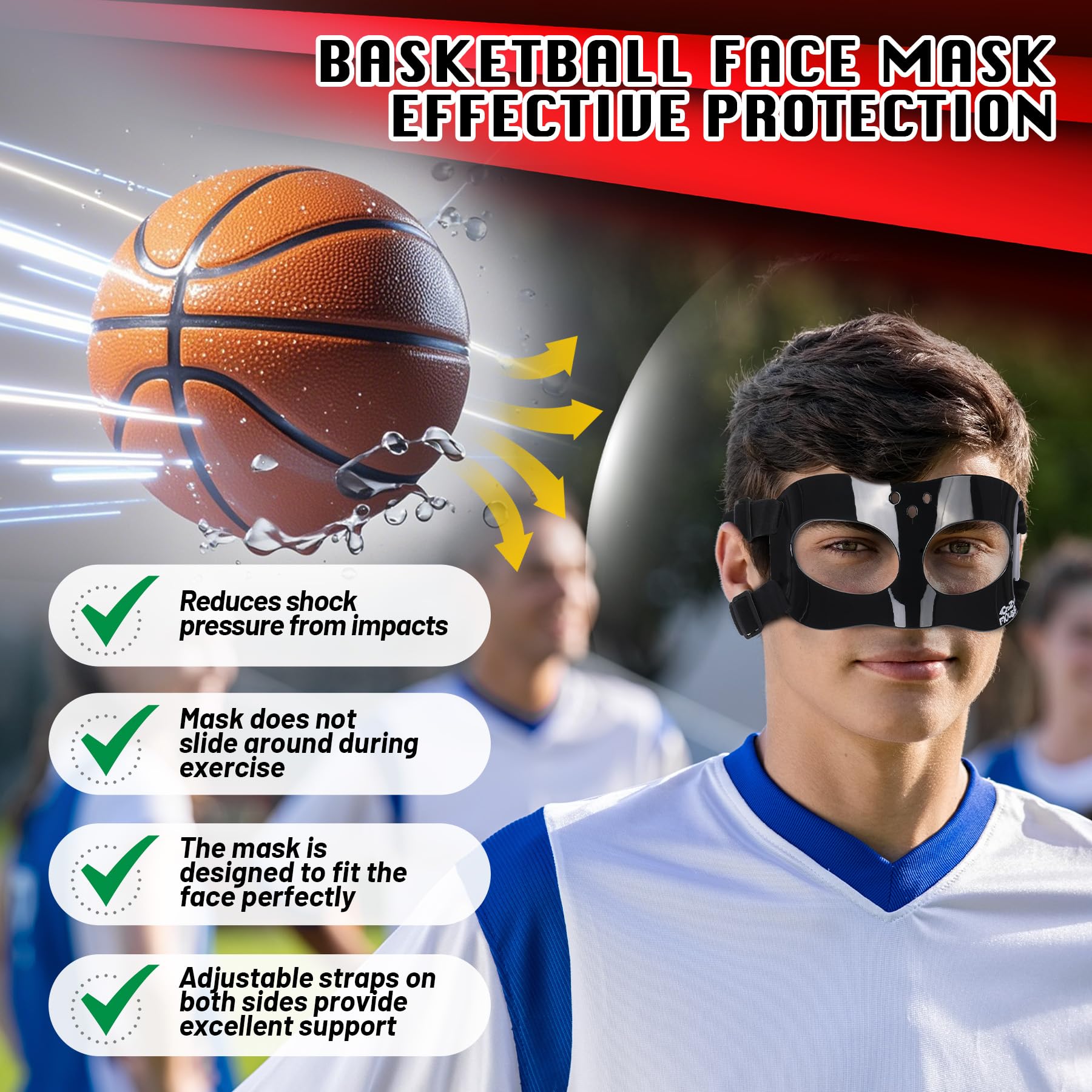
Polycarbonate remains the industry standard for transparent face masks. It offers high impact resistance, optical clarity, and shatterproof qualities. Carbon fiber, while extremely strong and exceptionally lightweight, is opaque. Players utilizing carbon fiber sacrifice some peripheral visibility on the masked side in exchange for maximum structural rigidity.
The Custom Fabrication Process
The gold standard in sports medicine is a custom-molded face mask. The process typically begins with a 3D digital scan or a physical plaster cast of the player's face. Technicians map out the exact contours of the forehead, cheekbones, and bridge of the nose, ensuring that pressure is distributed only across structurally sound areas—such as the forehead and cheekbones—while leaving the injured zone completely suspended and untouched by the inner lining of the mask.
Comparison of Basketball Face Mask Options
Selecting the right protective gear involves balancing cost, turnaround time, regulatory approval, and comfort.
- Custom-Molded Masks:
- Pros: Perfect fit, zero pressure on the injury site, optimal comfort, full compliance with professional league rules.
- Cons: High cost (often ranging from several hundred to over a thousand dollars), requires days or weeks for fabrication.
- Thermoformable DIY Kits:
- Pros: Affordable, moldable in hot water within minutes, widely accessible online and in specialty medical supply stores.
- Cons: Less durable than professional 3D-printed units, may require frequent readjustment, variable impact resistance.
- Off-the-Shelf Universal Guards:
- Pros: Immediate availability, low cost, simple strap adjustments.
- Cons: Poor fit can cause slippage during sweat-heavy games, potential obstruction of vision, may exert unwanted pressure on nasal bridges.
Practical Considerations and Maintenance on the Court
Wearing a mask introduces distinct physical adjustments for a basketball player. Sweat accumulation, fogging, and peripheral vision limitations are common challenges that require active management during games and practices.
Managing Sweat and Fogging
Unlike outdoor sports, basketball takes place in climate-controlled or humid indoor gymnasiums where heavy perspiration is guaranteed. Sweat running down the interior of a clear polycarbonate mask can distort vision or cause the guard to slip out of alignment. Players frequently wear moisture-wicking headbands or skull caps to redirect sweat away from the brow. Additionally, applying specialized anti-fog coatings to the interior surface of transparent masks helps maintain optical clarity throughout four quarters of play.
Peripheral Vision and Depth Perception
Even with transparent materials, the framing straps and lateral supports of a face mask create minor blind spots. Players transitioning to a mask often spend extra time in practice adjusting to the restriction in peripheral vision, particularly when defending fast breaks or tracking rapid passes in tight spaces. Re-establishing spatial awareness requires targeted shooting and catching drills while wearing the equipment prior to live-game integration.
Cleaning and Sanitization
Because masks sit directly against sweaty skin and absorb facial oils, daily maintenance is essential to prevent skin irritation, acne mechanica, or bacterial infections. Players should clean their masks after every session using mild soap and warm water, avoiding harsh chemical solvents or abrasive cloths that can scratch polycarbonate surfaces and ruin visibility.
Frequently Asked Questions
Can I wear a face mask in an official basketball game without a doctor's note?
Most organized leagues—including the NBA, NCAA, and NFHS—require medical clearance or documentation from a treating physician or certified athletic trainer before permitting a player to wear protective facial equipment during sanctioned competition. Referees also inspect the mask before tip-off to verify that it contains no sharp edges or hazardous materials.
Do face masks completely eliminate the risk of re-injury?
No protective gear can completely eliminate the risk of injury in a high-contact sport like basketball. A face mask significantly reduces the force of direct impacts and helps prevent the displacement of healing bone fractures, but severe collisions or falls can still transmit shock through the facial structure.
How do I prevent my basketball face mask from fogging up?
Fogging occurs when body heat and sweat evaporate inside the enclosed space of the mask. To combat this, apply an athletic anti-fog spray or a thin film of baby shampoo to the interior lens, let it dry, and buff it lightly with a microfiber cloth before the game. Wearing a sweat-absorbing headband also minimizes moisture buildup.
Are carbon fiber masks better than clear polycarbonate masks?
Carbon fiber offers superior strength-to-weight ratios and maximum impact resistance, making it structurally superior for severe fractures. However, carbon fiber is opaque, meaning it obstructs peripheral vision on the side of the mask. Clear polycarbonate is preferred by most players because it maintains full optical visibility, despite being slightly heavier.
How long do players typically need to wear a basketball face mask?
The duration depends entirely on the nature and severity of the injury. For simple nasal fractures, players generally wear the mask for four to six weeks while the bone heals. Complex orbital or maxillary fractures requiring surgical fixation may necessitate protective gear for a greater portion of a season, subject to final clearance from the medical surgical team.
Conclusion and Next Actions
Wearing a face mask in basketball is an effective, medically sound solution for athletes recovering from facial trauma. To ensure a safe and successful return to the hardwood, consult with an orthopedic specialist or sports medicine physician to obtain a proper diagnosis and clearance. Next, work with a certified orthotist or equipment manager to source a custom or high-quality thermoformable guard that meets your league's regulatory standards. Dedicate time during practice sessions to adjust to the equipment's fit, peripheral constraints, and sweat management before entering high-intensity competitive play.
Image Gallery
Select an image to open it in a new tab.


Ingrid Bjornson
Global Cyber Policy and Regulation Analyst
