Most streaming cable channels are no longer worth the cost because their monthly fees have risen to match traditional cable while still forcing consumers into bloated bundles. With the fragmentation of sports rights and the migration of top-tier original content to standalone apps, these services often provide redundant access at a premium.
For over a decade, the "cord-cutting" movement was defined by a simple promise: more choice for less money. However, as we navigate 2026, the landscape of virtual Multichannel Video Programming Distributors (vMVPDs)—services like YouTube TV, Hulu + Live TV, and Fubo—has fundamentally shifted. What began as a lean, low-cost alternative to Comcast or Charter has evolved into a mirror image of the very industry it intended to disrupt. The financial and functional utility of these "cable-lite" packages has eroded, leaving many subscribers paying for dozens of channels they never watch while still needing separate subscriptions for the shows they actually want.
The Vanishing Price Advantage of vMVPDs
When YouTube TV launched in 2017, it arrived with a disruptive $35 monthly price tag. In 2026, that same service—and its primary competitors—now commands prices north of $80 per month. This trajectory represents a price increase of over 120% in less than a decade, far outstripping general inflation. The primary driver behind this is the same mechanism that broke the traditional cable model: carriage fees.
Carriage fees are the prices that service providers must pay to media conglomerates (like Disney, NBCUniversal, and Warner Bros. Discovery) to carry their channels. These networks rarely sell their most popular channels individually. Instead, they force "bundling." If a streaming provider wants to offer ESPN, they are often contractually obligated to also carry and pay for niche channels like Disney Junior or ESPNU, regardless of whether their audience watches them. These costs are passed directly to the consumer, resulting in the "bloated bundle" that cord-cutters originally tried to escape.
Furthermore, many of these services have introduced mandatory regional sports fees or "broadcast TV surcharges" disguised within their base price. By the time a subscriber adds a 4K playback tier or additional "unlimited screen" packages—which are often necessary for modern households—the total monthly bill frequently exceeds $100. At this price point, the financial incentive to choose a streaming cable provider over a localized fiber-optic TV bundle or a curated selection of standalone apps is effectively non-existent.
The Redundancy of Content in a Standalone World
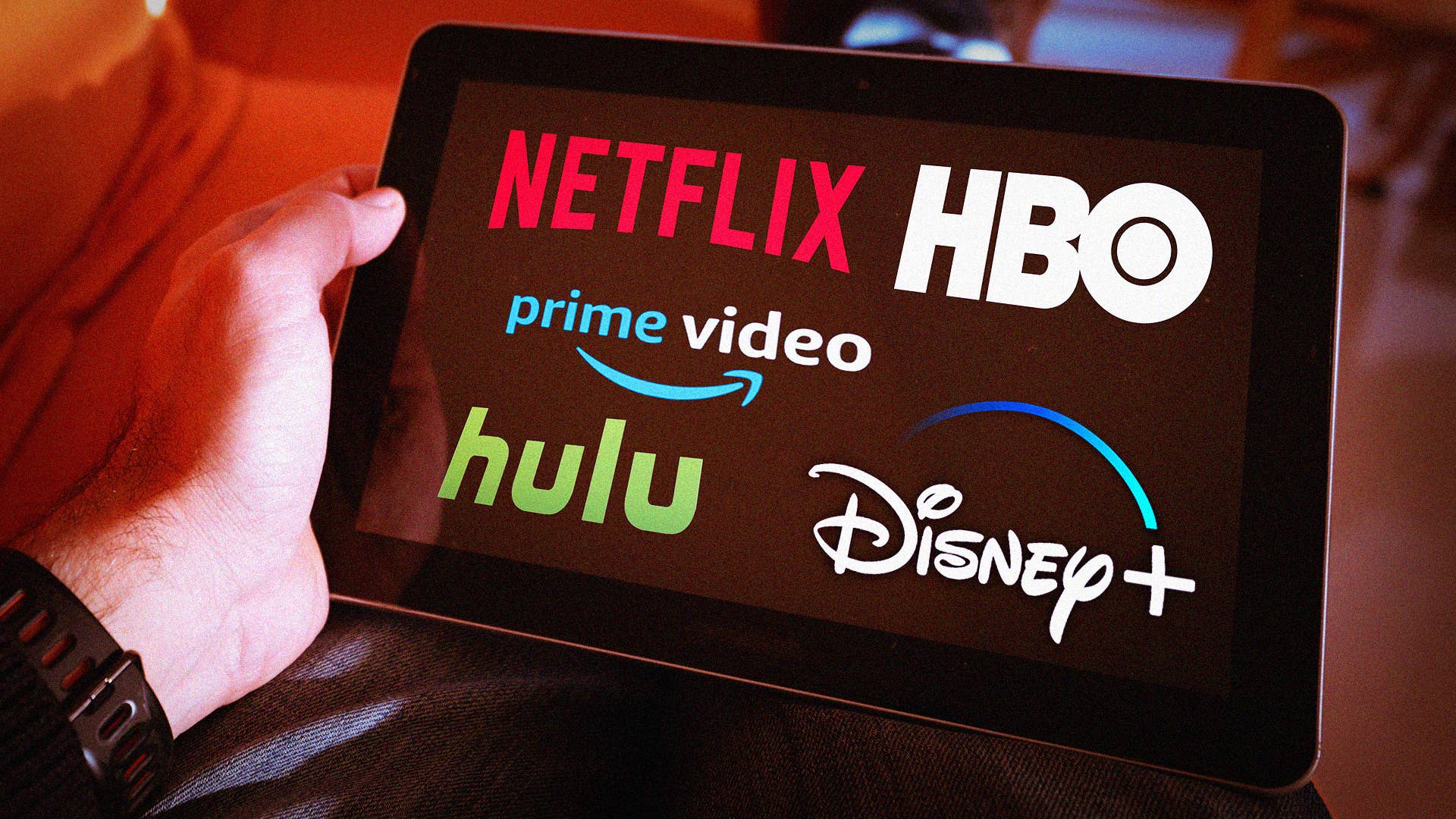
In the early 2020s, media companies began a massive strategic pivot. They realized that the real profit lay in Direct-to-Consumer (DTC) platforms. Consequently, the best content moved off of "linear" cable channels and onto standalone apps. Today, the value of a live cable channel is severely diminished because the majority of its library is available—often in better quality and without ads—on a cheaper sister service.
Consider the landscape of modern viewing:
- NBCUniversal: Almost everything that airs on NBC, USA Network, and Bravo is available on Peacock.
- Disney/ABC: Content from ABC, FX, and Disney Channel is funneled into Disney+ and Hulu.
- Warner Bros. Discovery: The prestige content from HBO and Discovery networks lives on Max.
- Paramount: CBS and Nickelodeon content is anchored on Paramount+.
If you are paying $80 for a streaming cable package just to watch "The Voice" on NBC or "Survivor" on CBS, you are essentially paying a $70 premium for the privilege of watching it "live" as it airs. For most viewers, waiting a few hours or a day to watch the same content on a $10–$15 standalone app is the more logical financial choice. The "live" aspect of these channels is increasingly limited to news and sports, both of which are also undergoing a significant migration to standalone platforms.
The Fragmentation of Sports Rights
For years, live sports were the "sticky" content that kept people from cancelling their streaming cable subscriptions. However, in 2026, even this stronghold has crumbled. Sports rights are now so fragmented that a single streaming cable subscription is no longer a "one-stop shop" for a sports fan.
The NFL, for example, has distributed its games across a dizzying array of platforms. To see a full season, a fan may need Amazon Prime Video for Thursday nights, Netflix for holiday specials, and Peacock or ESPN+ for specific exclusive windows. While a streaming cable service might provide the local CBS or FOX affiliate, it no longer guarantees access to the full sports calendar.
For many fans, the rise of specialized sports streaming services (like the joint ventures between major broadcasters) provides a more targeted, cost-effective way to follow their teams. Paying $80+ for a bundle that includes 60 channels of lifestyle and news content just to access two or three sports networks is an inefficient allocation of resources. The "cost-per-game" watched on a streaming cable platform has reached an all-time high, making it one of the least efficient ways to consume live athletics.
Technical Limitations and the "Hidden" Costs of Streaming
Beyond the monthly subscription fee, streaming cable channels often come with technical baggage that traditional cable avoided. One of the most significant is the "data cap." Most major internet service providers (ISPs) impose a limit on how much data a household can consume each month. Streaming live TV in high definition—or 4K, where available—is an incredibly data-intensive task.
A household that streams live TV for six hours a day can easily consume over 1 terabyte of data per month. If the ISP charges overage fees or requires a $30 "unlimited data" add-on, the cost of the streaming cable service effectively increases.
Additionally, the user experience of vMVPDs has become increasingly cluttered. To justify their high prices, these services have integrated forced advertising in "on-demand" libraries and have placed restrictions on DVR usage. Unlike a local hardware DVR that allowed users to skip commercials with frame-perfect precision, many streaming DVRs now force "dynamic ad insertion." This means that even though you recorded a program, you may still be forced to watch unskippable commercials, negating one of the primary benefits of time-shifted viewing.
The Rise of FAST Services: A Better "Zero-Cost" Alternative
The final nail in the coffin for the value proposition of paid streaming cable is the explosion of FAST (Free Ad-supported Streaming TV). Platforms like Pluto TV, Tubi, The Roku Channel, and Samsung TV Plus now offer hundreds of "live" channels for zero dollars per month.
While these services don't always carry the "top-tier" cable brands like TNT or TBS, they offer a remarkably similar experience for casual viewing. They provide 24/7 channels dedicated to news, classic sitcoms, movies, and even niche sports. For the millions of viewers who use cable as "background noise" or for "channel surfing," FAST services provide that experience perfectly without the $1,000-a-year price tag.
In 2026, the gap between a free service like Tubi and a paid service like YouTube TV has narrowed significantly in terms of interface quality and content volume. When the free alternative is "good enough," a high-priced subscription becomes much harder to justify.
Value Comparison: Streaming Cable vs. Alternatives (2026 Estimates)
| Service Type | Representative Providers | Est. Monthly Cost | Primary Drawback | Best For |
|---|---|---|---|---|
| Premium vMVPD | YouTube TV, Hulu + Live TV | $82.99 – $89.99 | High cost; redundant content | Die-hard sports fans and local news junkies. |
| Sports-Heavy vMVPD | Fubo | $94.99+ | Expensive; missing key entertainment networks | Professional sports enthusiasts. |
| Budget vMVPD | Sling TV, Philo | $28.00 – $55.00 | Missing local channels or major sports | Budget-conscious viewers who want specific cable brands. |
| Standalone SVOD | Netflix, Disney+, Peacock | $7.99 – $19.99 | No "live" channel-surfing experience | Viewers who prioritize original series and movies. |
| FAST Services | Pluto TV, Tubi, Freevee | $0.00 | Frequent ads; no "A-list" live sports | Background viewing and casual channel surfing. |
The Efficiency of "The Great Unbundling"
To determine if a streaming cable service is worth it, consumers should perform a "channel audit." Most subscribers find that they regularly watch fewer than five channels in a 100-channel bundle. By identifying where the content on those five channels originates, a more efficient strategy usually emerges.
For example, if you watch Bravo, MSNBC, and local NBC news, a Peacock subscription covers nearly all of that for a fraction of the cost. If you watch HGTV and Food Network, a Max subscription provides the same content library. This "unbundling" strategy allows you to subscribe to only what you watch. Even if you subscribe to four different standalone apps, your total monthly expenditure would likely hover around $50—roughly 40% less than a standard streaming cable package.
The psychological comfort of the "grid guide" is the primary product these streaming cable companies are selling in 2026. They are betting that consumers will pay a massive premium to avoid the minor inconvenience of switching between different apps. However, as household budgets tighten and the quality of standalone apps improves, the cost of that convenience is becoming increasingly difficult to defend.
Frequently Asked Questions
Can I get local channels without a streaming cable subscription?
Yes, in most urban and suburban areas, a one-time purchase of a digital over-the-air (OTA) antenna can provide access to ABC, CBS, FOX, NBC, and PBS in high definition for free. This eliminates the primary reason many people keep expensive streaming cable packages. Additionally, some standalone apps like Paramount+ (Premium tier) and Peacock (Premium Plus tier) offer live feeds of local affiliates.
Is Sling TV a better value than YouTube TV or Hulu + Live TV?
Sling TV is generally cheaper because it does not include local broadcast channels (like ABC or CBS) in most markets. While this lowers the entry price, it often requires the user to supplement the service with an antenna or other apps. For those who only care about a few specific cable networks like CNN or ESPN, Sling remains a more "surgical" and cost-effective option, though its interface and DVR features are often considered inferior to its higher-priced rivals.
Why do streaming cable prices keep going up every year?
Prices rise primarily because of escalating "retransmission consent" and "carriage" fees. Networks demand more money every time a contract is renewed. Because streaming providers like Fubo or YouTube TV have lower profit margins than traditional cable companies, they have less room to absorb these costs and must pass them on to the subscriber to remain viable.
Are there any streaming cable services that don't have sports?
Philo is the most prominent example. By intentionally excluding expensive sports and local broadcast networks, Philo is able to keep its price significantly lower (typically around $28 in 2026). It focuses on "lifestyle" and "entertainment" brands like Discovery, Hallmark, and A&E. If you do not watch sports, Philo is one of the few vMVPDs that arguably remains "worth the cost."
Does 4K streaming cost extra on these platforms?
Yes, most streaming cable providers treat 4K as a "premium add-on." For instance, YouTube TV typically requires a "4K Plus" subscription, which can add $10 to $20 to the monthly bill. It is important to note that very little live cable content is actually broadcast in native 4K; most is "upscaled," which may not justify the additional expense for many viewers.
Practical Recommendation for 2026
If you are currently paying for a streaming cable service, the most effective next step is to track your usage for 30 days. Note which channels you actually watch live. If you find that you are primarily using the service for content that is available on standalone apps like Peacock, Disney+, or Max, you should cancel the cable bundle and switch to those specific apps. For local news and major network events, invest in a high-quality OTA antenna. This "hybrid" approach—combining free over-the-air signals with a few curated standalone apps—typically provides a superior content library for less than half the monthly cost of a streaming cable subscription.
Image Gallery
Select an image to open it in a new tab.


Akira Tanaka
International Academic Trends Correspondent
