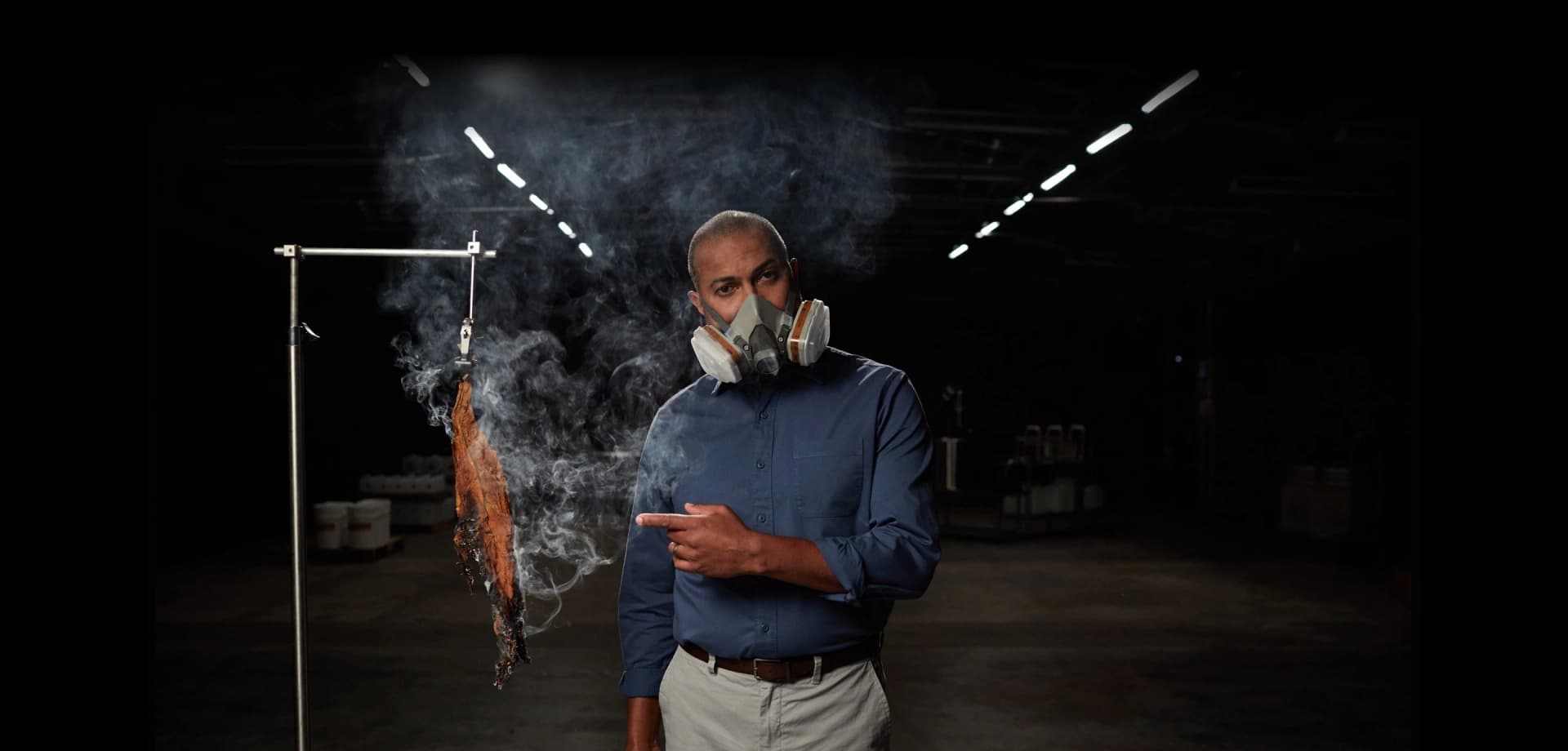
Cigarettes and combustible tobacco products damage nearly every organ system in the human body, causing cardiovascular disease, chronic respiratory illnesses, and numerous cancers. Beyond individual physiological harm, smoking imposes severe community burdens through secondhand and thirdhand smoke exposure, elevated healthcare expenditures, reduced workforce productivity, toxic environmental pollution, and residential fire hazards.
Pathophysiology of Tobacco Consumption: How Smoking Damages the Body
Combustible tobacco smoke is a toxic aerosol containing over 7,000 chemicals, including at least 70 established human carcinogens such as benzene, formaldehyde, arsenic, and tobacco-specific nitrosamines (TSNAs). When inhaled, these compounds instantly cross the alveolar membrane into the bloodstream, triggering systemic oxidative stress, chronic inflammatory cascades, and cellular DNA mutation.
- TOBACCO SMOKE INHALATION
- VASCULAR & HEART HARM
- Endothelial Dysfunction
- Carboxyhemoglobin Formation
- Accelerated Atherosclerosis
- RESPIRATORY DESTRUCTION
- Cilia Paralysis
- Alveolar Wall Destruction
- Chronic Airway Inflammation
- VASCULAR & HEART HARM
- SYSTEMIC CARCINOGENESIS & DISEASE
- DNA Adduct Formation & Oncogene Mutation
- Impaired Immune System Surveillance
- Multisystem Organ Failure & Premature Mortality
Cardiovascular System Destruction
Tobacco smoke damages the cardiovascular network through multiple acute and chronic pathways:
- Endothelial Dysfunction: Chemical irritants erode the inner lining of blood vessels (the endothelium), inhibiting the natural production of nitric oxide. This restricts blood vessels' ability to dilate appropriately.
- Atherosclerosis Progression: Low-density lipoprotein (LDL) cholesterol oxidizes rapidly under tobacco-induced oxidative stress, accelerating plaque accumulation in coronary, carotid, and peripheral arteries.
- Carboxyhemoglobin Formation: Carbon monoxide binds to hemoglobin with an affinity approximately 200 times higher than oxygen. This creates carboxyhemoglobin, drastically reducing the oxygen-carrying capacity of arterial blood and forcing the heart to pump harder to supply peripheral tissues.
- Hypercoagulability: Nicotine and toxic particulates increase platelet aggregation and fibrinogen levels, significantly multiplying the risk of acute thrombus formation, myocardial infarction (heart attack), and ischemic stroke.
Respiratory Degradation and Disease
The pulmonary system absorbs the primary physical impact of direct smoke inhalation. Microscopic cilia lining the respiratory tract—responsible for sweeping mucus, pathogens, and debris out of the lungs—become paralyzed and eventually destroyed by toxic tar and volatile organic compounds.
Without functional cilia, particulate matter settles permanently in bronchial tissues. Over time, chronic bronchial inflammation produces excess mucus, creating the clinical condition known as chronic bronchitis. Concurrently, tobacco toxins stimulate proteolytic enzymes that destroy the fragile elastic walls of the alveoli. This structural breakdown results in emphysema, characterized by trapped air, loss of lung elasticity, and severe dyspnea (shortness of breath). Together, chronic bronchitis and emphysema constitute Chronic Obstructive Pulmonary Disease (COPD), a progressive and irreversible condition primary caused by smoking.
Oncogenesis and Cellular Mutation
Carcinogens in tobacco smoke directly react with cellular DNA, forming covalent bonds known as DNA adducts. If cellular repair mechanisms fail to remove these adducts, genetic miscoding occurs during cell replication. Critical tumor suppressor genes (such as TP53) and proto-oncogenes (such as KRAS) frequently mutate under tobacco carcinogen exposure.
While lung cancer remains the leading cause of cancer mortality linked to smoking, systemic absorption of carcinogens causes malignancies throughout the body. The kidneys and urinary bladder filter circulating tobacco metabolites, exposing urothelial cells to concentrated carcinogens and causing high rates of bladder cancer. Similarly, oral, esophageal, pancreatic, stomach, cervical, and acute myeloid leukemia risks increase significantly among active smokers, as documented by the National Cancer Institute.
Exposure Dynamics: Secondhand and Thirdhand Smoke in Communities
The health consequences of tobacco use extend beyond the individual smoker. Non-smoking community members, family units, and coworkers absorb toxic compounds through passive environmental exposure pathways.
- TOBACCO EXPOSURE PATHWAYS
- PRIMARY SMOKER
- Inhales Mainstream Smoke directly through filter/cigarette.
- SECONDHAND EXPOSURE
- Mainstream Smoke: Exhaled by smoker into ambient air.
- Sidestream Smoke: Emitted directly from burning tobacco tip.
- THIRDHAND EXPOSURE
- Residual Chemical Deposits: Nicotine/toxins attach to indoor surfaces, reacting with ambient gases to form new carcinogens.
- PRIMARY SMOKER
Secondhand Smoke (SHS) Mechanisms
Secondhand smoke—also termed Environmental Tobacco Smoke (ETS)—consists of two distinct forms:
- Mainstream Smoke: Smoke exhaled by the active consumer.
- Sidestream Smoke: Smoke emitted directly from the burning end of a cigarette, cigar, or pipe.
Sidestream smoke accounts for roughly 85% of secondhand smoke in an enclosed space. Because sidestream smoke burns at lower temperatures and without filtration, it contains higher concentrations of specific carcinogens, including ammonia, 1,3-butadiene, and nitrosamines, than exhaled mainstream smoke.
According to the World Health Organization, passive exposure to secondhand smoke causes over 1.3 million premature deaths worldwide annually. Non-smokers subjected to prolonged secondhand smoke in residential or workplace settings face a 20% to 30% increased risk of developing lung cancer and coronary heart disease.
Infants and pediatric populations are particularly vulnerable to secondhand smoke due to higher metabolic rates, higher minute-ventilation relative to body mass, and developing immune systems. Pediatric SHS exposure directly correlates with:
- Sudden Infant Death Syndrome (SIDS)
- Acute middle ear infections (otitis media)
- Severe, persistent asthma exacerbations
- Frequent lower respiratory tract infections, such as bronchitis and pneumonia
Thirdhand Smoke (THS) Persistence
Thirdhand smoke refers to the persistent chemical residue that settles on indoor surfaces, furniture, clothing, dust, and drywall long after active smoking stops. Nicotine released during smoking absorbs deeply into soft furnishings, wallboard, and HVAC ductwork.
Over weeks and months, this embedded nicotine off-gasses back into the air and reacts with ambient indoor pollutants—such as nitrous acid ($HNO_2$)—to synthesize volatile Tobacco-Specific Nitrosamines (TSNAs), including $NNK$ and $NNN$, which are potent carcinogens.
Children and toddlers face the highest risk of thirdhand smoke exposure because they crawl on carpets, touch indoor surfaces, and frequently place hands and objects in their mouths. Standard household cleaning, vacuuming, and surface wiping fail to eliminate thirdhand smoke; effective remediation often requires replacing carpet, drywall, and structural materials.

Comparative Health and Environmental Impacts Across Tobacco Exposures
Understanding how tobacco affects communities requires examining direct, indirect, and environmental pathways simultaneously.
| Exposure Pathway / Impact Level | Primary Bio-Chemical Drivers | Vulnerable Populations | Major Clinical & Societal Outcomes | Target Remediation Strategy |
|---|---|---|---|---|
| Direct Smoking (Primary) | Direct inhalation of tar, nicotine, CO, nitrosamines, benzene. | Active tobacco users across all demographics. | COPD, lung cancer, ischemic heart disease, stroke, shortened lifespan. | Clinical cessation, nicotine replacement therapies (NRT), behavioral counseling. |
| Secondhand Smoke (Passive) | Sidestream & exhaled mainstream aerosols; ultrafine particulates ($PM_{2.5}$). | Infants, children, cohabitating partners, hospitality workers. | SIDS, pediatric asthma, adult heart disease, non-smoker lung cancer. | Comprehensive indoor smoke-free laws, building ventilation mandates. |
| Thirdhand Smoke (Residual) | Surface-bound nicotine reacting with indoor $HNO_2$ to form TSNAs. | Toddlers, infants, maintenance personnel, future home occupants. | Carcinogen ingestion/absorption, chronic airway irritation, cellular DNA damage. | Total indoor bans, structural material replacement, hazardous remediation. |
| Environmental Waste (Litter) | Cellulose acetate filters, heavy metals (cadmium, lead), polycyclic aromatic hydrocarbons. | Aquatic ecosystems, wildlife, urban municipalities, taxpayers. | Toxic leachate in waterways, soil contamination, urban fires, cleanup costs. | Extended Producer Responsibility (EPR) laws, butt disposal infrastructure, ban non-biodegradable filters. |
Economic and Public Health Burden on Local and Global Communities
The economic consequences of smoking extend far beyond individual purchases of tobacco products. Tobacco use places a heavy financial burden on healthcare systems, municipal budgets, and general taxpayers.
- TOTAL ECONOMIC BURDEN OF TOBACCO
- DIRECT HEALTHCARE COSTS
- Emergency Care
- Specialized Oncology
- Chronic Disease Mgmt
- Public Insurance Ops
- INDIRECT ECONOMIC COSTS
- Lost Workplace Hours
- Premature Mortality
- Disability Payments
- Household Depletion
- DIRECT HEALTHCARE COSTS
Direct Healthcare Expenditures
Caring for smoking-attributable illnesses strains both private health insurance networks and publicly funded medical programs. Diagnoses such as late-stage lung cancer, end-stage COPD requiring continuous supplemental oxygen, and complex cardiovascular procedures demand intensive, long-term medical resources.
Data from the Centers for Disease Control and Prevention demonstrates that smoking costs hundreds of billions of dollars annually in direct medical expenditures in the United States alone. A substantial portion of these costs is covered by public insurance programs, such as Medicaid and Medicare. As a result, non-smoking taxpayers help fund the medical care required for smoking-attributable chronic diseases.
Indirect Productivity Losses and Workforce Impairment
The indirect economic costs of smoking often exceed direct medical expenditures. These losses impact the economy in several key ways:
- Premature Mortality: When individuals die during their peak productive years, communities lose valuable workforce contributions, professional expertise, and income tax revenues.
- Workplace Absenteeism: Smokers statistically take more sick leave than non-smokers due to recurrent respiratory tract infections, exacerbations of underlying conditions, and slow recovery from illness.
- Presenteeism: Employees experiencing chronic nicotine withdrawal or physical symptoms associated with smoking often demonstrate reduced focus and productivity while on the job.
Municipal Costs and Residential Fire Hazards
Local governments incur direct operational costs to clean up tobacco waste and respond to smoking-related hazards. Cigarettes remain a primary cause of fatal residential fires worldwide. Unextinguished cigarette embers discarded near upholstered furniture, bedding, dry vegetation, or trash containers can ignite fast-moving blazes.
These fires lead to avoidable civilian injuries, tragic loss of life, structural property destruction, and increased municipal spending on emergency fire response services and code enforcement.
Environmental Damage: From Toxic Litter to Deforestation
The environmental footprint of tobacco extends across its lifecycle, from agricultural production to waste disposal.
- AGRICULTURAL STAGE
- Deforestation
- Pesticide Runoff
- Soil Depletion
- MANUFACTURING STAGE
- Industrial Emissions
- High Energy Usage
- Chemical Waste
- CONSUMPTION STAGE
- Indoor Air Toxins
- Secondhand Smoke
- Fire Hazards
- POST-CONSUMPTION STAGE
- Plastic Micro-fibers
- Heavy Metal Leachate
- Toxic Watershed Waste
Cigarette Butt Litter and Aquatic Toxicity
Cigarette butts are the most frequently littered item globally, with trillions discarded into the environment each year. Most modern cigarette filters consist of cellulose acetate, a synthetic plastic polymer that does not readily biodegrade. Under sun and moisture exposure, filters break down into microscopic plastic fibers (microplastics) that persist in soil and water systems indefinitely.
Discarded filters contain trapped toxins extracted from tobacco smoke, including:
- Heavy metals (cadmium, lead, arsenic)
- Polycyclic aromatic hydrocarbons (PAHs)
- Nicotine residues
When rain washes cigarette butts into storm drains, rivers, and oceans, these chemicals leach into aquatic environments. Toxicological research indicates that chemicals leached from a single discarded cigarette butt per liter of water can kill sensitive freshwater and marine fish species, disrupting delicate aquatic food webs.
Agricultural Depletion and Deforestation
Tobacco farming places heavy demands on natural ecosystems:
- Deforestation: Large tracts of forest are cleared to cultivate tobacco plants and gather wood fuel to cure tobacco leaves in specialized barns.
- Soil Nutrient Depletion: Tobacco plants rapidly absorb essential soil nutrients—particularly nitrogen, phosphorus, and potassium—requiring heavy applications of chemical fertilizers and synthetic pesticides.
- Water Contamination: Runoff containing pesticides, herbicides, and fertilizer residues contaminates local groundwater supplies and surface streams, creating health risks for rural agricultural communities.
Community-Level Interventions and Evidence-Based Prevention
Mitigating the broad harms of tobacco requires clear, systemic policy interventions combined with targeted public health programs.
- COMMUNITY-LEVEL TOBACCO CONTROL MODEL
- LEGISLATIVE POLICY
- Comprehensive indoor smoke-free bans
- Marketing restrictions
- Retailer licensing
- ECONOMIC LEVERS
- Targeted excise tax increases
- Minimum price rules
- Healthcare offsets
- CLINICAL SUPPORT
- Barrier-free NRT access
- State quitlines
- Behavioral therapy
- LEGISLATIVE POLICY
Comprehensive Smoke-Free Policies
Enacting total smoke-free laws for indoor workplaces, public buildings, restaurants, bars, and public parks remains one of the most effective interventions in public health history.
According to guidelines published by the U.S. Environmental Protection Agency (EPA), isolated smoking sections and standard HVAC filtration systems cannot eliminate secondhand smoke risks within shared indoor spaces. Comprehensive, multi-unit housing bans protect non-smoking residents from smoke traveling through shared vents, electrical outlets, and floorboards.
Excise Taxes and Pricing Strategies
Raising excise taxes on tobacco products is a highly effective policy for reducing overall consumption. Higher prices encourage current users to quit and prevent price-sensitive youth from starting. The tax revenue generated can be reinvested directly into community wellness initiatives, public education campaigns, and free smoking-cessation resources.
Expanding Clinical Cessation Services
Communities achieve long-term public health improvements when evidence-based quitting resources are readily available and affordable. Key community-level medical interventions include:
- Quitlines and Digital Counseling: Providing free access to telephone quitlines, mobile text-message support, and virtual behavioral therapy.
- Barrier-Free Pharmacotherapy: Removing co-pays for FDA-approved cessation aids—such as Nicotine Replacement Therapy (NRT) patches, gums, lozenges, and prescription medications like varenicline and bupropion.
- Provider Interventions: Training local healthcare providers to systematically screen patients for tobacco use and offer immediate clinical support.
Frequently Asked Questions
How quickly does the human body begin to recover after an individual quits smoking?
Physiological recovery begins almost immediately after stopping tobacco use. Within 20 minutes, heart rate and blood pressure drop toward baseline levels. Within 12 to 24 hours, carbon monoxide levels in the bloodstream normalize, increasing the blood's oxygen-carrying capacity.
Over the following weeks to months, circulation improves and lung function increases as bronchial inflammation declines. Within 1 to 2 years of quitting, the risk of acute myocardial infarction drops by half compared to that of an active smoker. Over 10 to 15 years, lung cancer mortality risks drop by roughly 50%, and stroke risk approaches that of a lifelong non-smoker.
What is the precise distinction between secondhand smoke and thirdhand smoke?
Secondhand smoke consists of active airborne smoke—both exhaled mainstream smoke and burning sidestream smoke—that non-smokers breathe in directly from their immediate environment.
Thirdhand smoke consists of the invisible chemical residues left behind on indoor surfaces, clothing, wallboard, and furniture long after active smoking stops. Thirdhand smoke reacts chemically with ambient indoor gases over time to form secondary carcinogens, which people ingest, inhale, or absorb through skin contact.
How does living with a smoker affect non-smoking household members?
Non-smokers living in a home with a active smoker face a 20% to 30% higher risk of developing lung cancer and cardiovascular disease due to secondhand smoke exposure.
Children residing in smoking households experience significantly higher rates of lower respiratory tract infections, middle ear disease, reduced baseline lung function, and more frequent, severe asthma attacks. Additionally, household members are exposed to persistent thirdhand smoke residues on furniture, carpets, and clothing.
How does smoking place a financial burden on non-smoking taxpayers?
Smoking increases public healthcare spending through programs like Medicaid and Medicare, which cover treatment costs for smoking-attributable conditions like cancer, heart disease, and COPD. Taxpayers help fund these expenditures through public revenues.
Furthermore, local taxpayers fund municipal services required to clear littered cigarette butts from public spaces, remediate environmental contamination in local waterways, and respond to residential fires ignited by improperly discarded tobacco products.
Are alternative nicotine products like e-cigarettes safer for community environments?
While electronic nicotine delivery systems (ENDS) do not produce toxic tobacco combustion products, tar, or carbon monoxide, they are not risk-free for users or communities. E-cigarette aerosols contain ultrafine particulates, heavy metals, volatile organic compounds, and nicotine.
Inhaling secondhand aerosol exposes bystanders to circulating nicotine and micro-particulates. Additionally, improperly discarded electronic devices contribute to hazardous electronic waste due to their lithium-ion batteries and residual nicotine liquid cartridges.
Recommended Actions for Individuals and Community Leaders
Addressing the health and environmental impacts of tobacco requires coordinated action from both individuals and community leaders.
- ACTIONABLE IMPLEMENTATION ROADMAP
- FOR INDIVIDUALS:
- Formulate a personalized quit plan with a clinical care provider.
- Utilize combination NRT (e.g., long-acting patch + short-acting gum/lozenge) paired with behavioral counseling.
- Establish a strict 100% smoke-free home and vehicle policy to eliminate secondhand and thirdhand smoke risks.
- FOR COMMUNITY LEADERS & POLICYMAKERS:
- Enact comprehensive smoke-free indoor and multi-unit housing laws.
- Direct local tobacco tax revenues toward funding free, accessible community cessation programs and public quitlines.
- Implement Extended Producer Responsibility (EPR) regulations to hold tobacco manufacturers financially liable for waste cleanup.
- FOR INDIVIDUALS:
Action Steps for Individuals
- Consult Healthcare Providers: Speak with a physician or clinical pharmacist to select evidence-based quitting tools, combining behavioral strategies with FDA-approved cessation medications.
- Establish Smoke-Free Spaces: Prohibit smoking and vaping inside your home and personal vehicles to protect family members from secondhand and thirdhand smoke hazards.
- Engage Support Resources: Call regional cessation quitlines (such as 1-800-QUIT-NOW in the United States) to access free counseling, educational materials, and nicotine replacement starter kits.
Action Steps for Community Leaders and Decision-Makers
- Strengthen Smoke-Free Laws: Pass local ordinances mandating 100% smoke-free indoor environments, including all workplaces, hospitality venues, public parks, and multi-unit residential buildings.
- Fund Local Prevention Initiatives: Allocate dedicated tax revenues from tobacco products to community health centers, youth prevention programs, and clinical cessation resources.
- Implement Hazardous Waste Controls: Enforce municipal regulations against littering and require tobacco manufacturers to share financial responsibility for managing and cleaning up filter waste in local watersheds.
Medical Disclaimer: This article is intended for educational and informational purposes only and does not constitute formal medical advice, diagnosis, or treatment. Individuals seeking to quit tobacco or manage health conditions should consult a qualified healthcare professional.
Image Gallery
Select an image to open it in a new tab.
Declan O'Connor
Higher Education and Campus Culture Reporter
