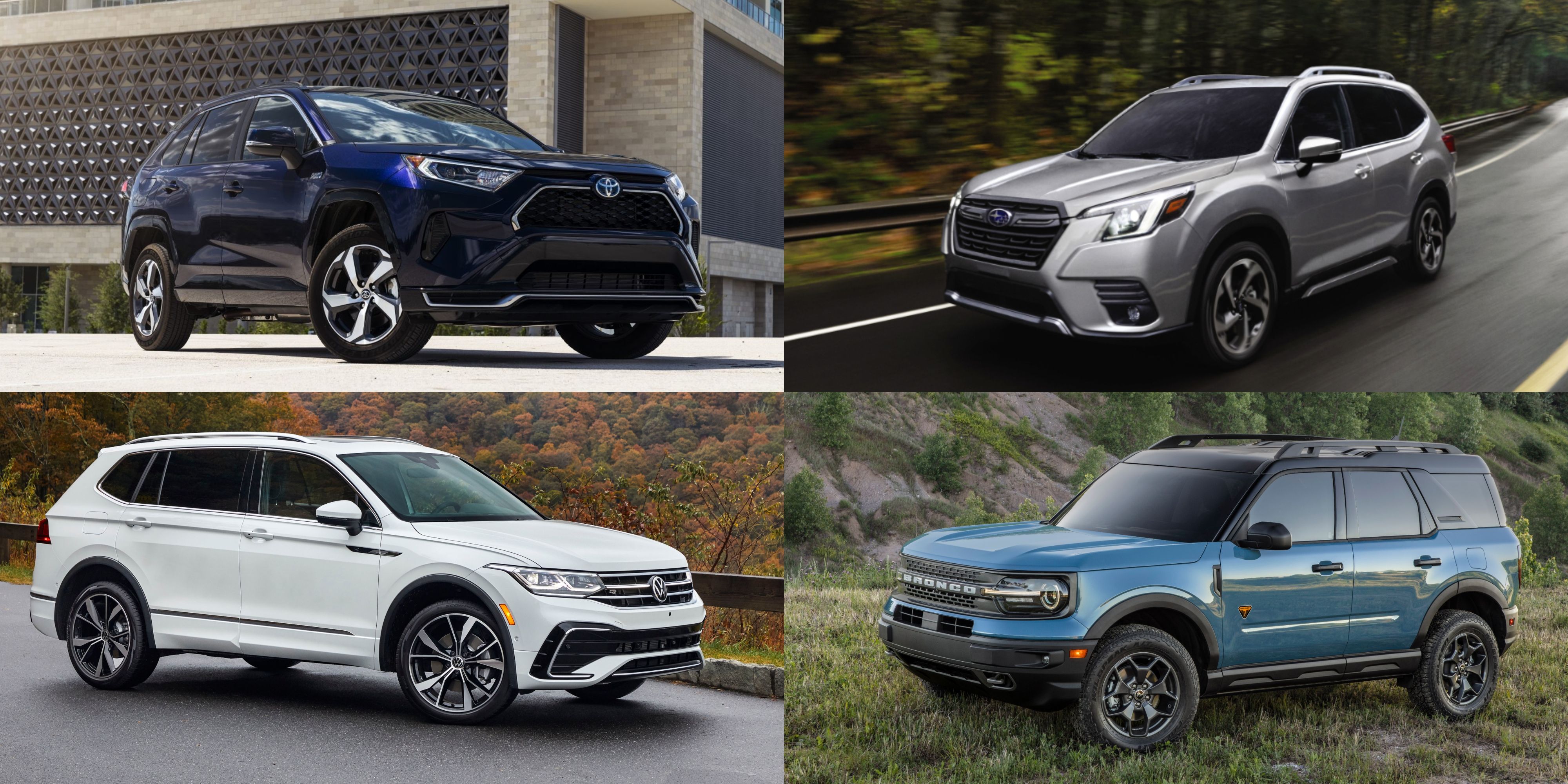
Choosing between a subcompact and a compact SUV depends primarily on your specific requirements for cabin space, maneuverability, and long-term utility. While subcompact SUVs offer higher fuel efficiency, easier parking, and a lower entry price, compact SUVs provide superior cargo capacity, more refined interior materials, and increased passenger comfort for families, making the decision a balance between daily agility and long-term versatility.
Defining the Segments: Size and Scope
Understanding the distinction between subcompact and compact SUVs is the first step in the decision-making process. The automotive industry classifies these vehicles based on dimensions—specifically wheelbase, overall length, and interior passenger volume.
Subcompact SUVs (often referred to as B-segment SUVs) are designed for urban environments. They typically share platforms with subcompact cars, resulting in a smaller footprint that makes them remarkably easy to navigate through dense traffic and tight parking structures. In 2026, many of these models serve as the entry-level gateway for buyers moving from sedans to the SUV market.
Compact SUVs (C-segment) represent the most popular category in the North American market. They offer a significant step up in terms of physical dimensions. A compact SUV generally provides more rear-seat legroom, wider hip room, and a noticeably larger cargo area compared to its subcompact counterparts. These vehicles are intended to serve as "do-it-all" machines, capable of handling daily commuting, weekend road trips, and light-duty hauling.
Evaluating Passenger and Cargo Requirements
Before visiting a dealership, you must audit your daily life. Who are your regular passengers, and what are you carrying on a typical day?
Subcompact SUVs are ideal for single professionals, couples without children, or small families with one child using a single car seat. While many subcompact models offer clever interior packaging, the rear seats can feel confined for adults on longer journeys. If you frequently transport three or more passengers, the subcompact segment may present significant compromises in comfort.
Compact SUVs are designed to accommodate a family of four with ease. The rear seats usually offer enough width to accommodate three adults for short trips, and the legroom is generally sufficient to prevent fatigue during extended drives. Furthermore, the cargo area in a compact SUV is deeper and wider. If you carry specialized gear—such as sports equipment, full-sized strollers, or a week’s worth of groceries for a large family—the compact SUV offers a clear advantage in volumetric efficiency.

The Trade-off: Maneuverability versus Capability
Driving dynamics change significantly when moving from a subcompact to a compact SUV. Subcompacts benefit from their lower mass. They are often more nimble, feeling more "tossable" in corners and easier to park in restricted city spaces. For those who live in urban cores where parallel parking is a daily necessity, the shorter length of a subcompact is a practical asset.
Compact SUVs, while larger, offer a more composed ride on the highway. Their longer wheelbases help dampen road imperfections, and their increased weight provides a sense of stability during high-speed travel. Most compact SUVs also feature more robust suspension setups designed to handle higher loads, which can make them more composed when fully loaded with passengers and luggage.
Fuel Efficiency and Cost of Ownership
Budgeting for an SUV involves more than just the sticker price. In 2026, the gap in fuel economy between subcompact and compact SUVs has narrowed due to advanced turbocharging and hybrid powertrains, but a gap remains.
- Subcompact SUVs: Generally achieve better fuel economy due to smaller engines and lower curb weight. They also tend to have lower replacement costs for tires and brake components.
- Compact SUVs: While often equipped with more powerful engines, they are heavier, which inherently increases fuel consumption. Additionally, higher-trim compact SUVs often include features like all-wheel-drive systems as standard or high-demand options, which can further impact long-term fuel efficiency.
When considering insurance, compact SUVs may sometimes be slightly more expensive to insure if they carry higher repair costs or are categorized differently by insurance providers. It is wise to check with your insurance agent regarding specific models before finalizing a purchase, as safety features—often more abundant in compact models—can lead to discounts that offset base premiums.
Comparing Segment Characteristics
| Feature | Subcompact SUV | Compact SUV |
|---|---|---|
| Typical Length | 160–170 inches | 175–185 inches |
| Primary Advantage | Urban agility / Efficiency | Interior room / Versatility |
| Best For | City commuters / Couples | Small families / Road trippers |
| Cargo Capacity | Limited; sufficient for groceries | Generous; ideal for gear/luggage |
| Parking Ease | High; fits tight spaces easily | Moderate; requires standard spots |
Safety and Driver Assistance Technology
Both segments have seen significant advancements in standard safety equipment. By 2026, most manufacturers include advanced driver-assistance systems (ADAS) across the board, regardless of segment. Features such as automatic emergency braking, lane-keeping assist, and blind-spot monitoring are common in both.
However, the "feeling" of safety is often correlated with vehicle mass and size. Many buyers prefer the compact SUV because the increased physical dimensions offer a perceived (and often measurable) safety advantage in multi-vehicle traffic. If your primary commute involves high-speed freeways with heavy semi-truck traffic, the size and weight of a compact SUV may provide more confidence behind the wheel.
Frequently Asked Questions
Which segment is better for city driving? Subcompact SUVs are superior for city driving. Their smaller dimensions allow for easier navigation in tight alleys, more effective lane changing in dense traffic, and simplified parking in compact urban spaces. If your daily environment is defined by dense gridlock, the trade-off in space for a subcompact is worth the increased maneuverability.
Are compact SUVs significantly more expensive to maintain? Generally, yes, though the difference is incremental. Compact SUVs often use larger tires, which are more expensive to replace, and their engines may require slightly higher oil volumes. However, these costs are often offset by the fact that compact SUVs tend to hold their resale value better than subcompact models due to higher demand in the used car market.
Can a subcompact SUV handle long-distance road trips? Yes, but with caveats. While a subcompact SUV is perfectly capable of highway speeds, it may struggle with noise, vibration, and harshness (NVH) over many hours. If you take multiple road trips per year, you will likely find the extra sound insulation and stable ride quality of a compact SUV to be a significant improvement in comfort.
Does an SUV's segment affect its resale value? Yes. Compact SUVs typically experience lower depreciation rates because they appeal to a broader demographic, including families and those seeking a "do-it-all" vehicle. Subcompact SUVs, while popular, cater to a more niche market of city-dwellers and first-time buyers, which can lead to a more volatile resale market.
Should I choose a compact SUV if I don't have children? Not necessarily. If your lifestyle involves hobbies that require space—such as cycling, camping, or DIY home improvement projects—the extra cargo capacity of a compact SUV will be far more useful than the marginal fuel savings of a subcompact. If you prioritize "doing more" over "parking easier," the compact SUV is the better fit.
Next Actions
To finalize your decision, create a "test-drive checklist." Visit local dealerships and specifically look for a model in each category. During your test drive, focus on how the vehicle handles parking, the ease of loading cargo, and whether the driver’s seat ergonomic position allows for long-term comfort. Check the manufacturer's website for the exact cargo dimensions in cubic feet, as this is often more reliable than visual estimation. Finally, assess your parking space at home; if a compact SUV fits your garage or street parking space without difficulty, the extra utility of the larger segment often makes it the more pragmatic long-term investment.
Image Gallery
Select an image to open it in a new tab.


Lars Thomsen
Global Labor Markets and Economic Strategy Editor
