Navigating Vet Technician Course Misconceptions: A Clear Path to Veterinary Career Success
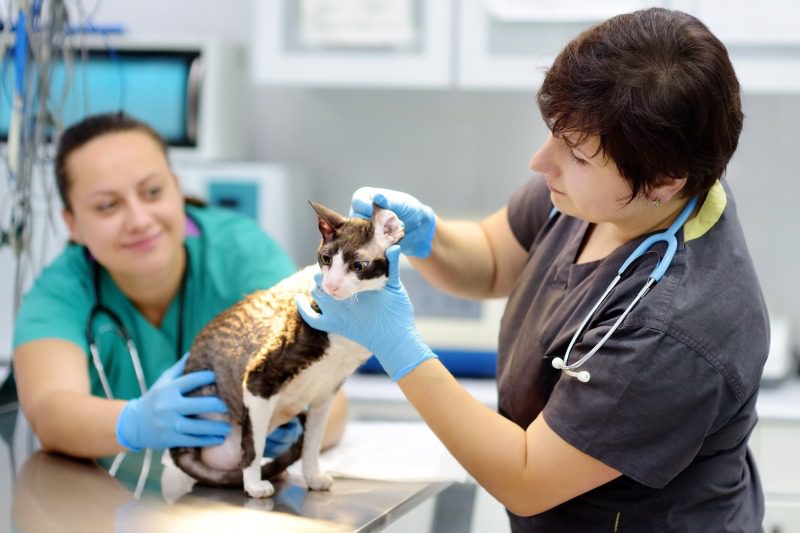
Aspiring veterinary technicians often face a confusing landscape of misinformation regarding education, certification, and career scope. Many individuals mistakenly believe that short, unaccredited online programs lead to professional licensure or that the role is synonymous with veterinary assisting. Understanding the clear distinction between accredited programs, state-mandated licensure, and actual job functions is essential for building a sustainable, long-term career in animal medicine.
Defining the Scope: Vet Tech vs. Veterinary Assistant
One of the most persistent misconceptions in the field is that a "veterinary technician course" is a singular path that applies to anyone working in an animal clinic. In reality, the roles of a veterinary technician and a veterinary assistant are legally and educationally distinct.
A veterinary technician is a highly trained professional who has completed a post-secondary program—typically an Associate of Applied Science (AAS) in Veterinary Technology—that is accredited by the American Veterinary Medical Association (AVMA) Committee on Veterinary Technician Education and Activities (CVTEA). These technicians are expected to perform sophisticated clinical duties, including anesthesia monitoring, dental prophylaxis, surgical assistance, and laboratory diagnostics.
In contrast, a veterinary assistant often receives training on the job or through shorter certificate programs that do not lead to professional licensure. While assistants provide vital support, their scope of practice is significantly more limited. They generally cannot legally perform tasks such as inducing anesthesia or diagnosing medical conditions. Prospective students who choose a short, non-accredited certificate program expecting to gain the credentials of a licensed veterinary technician will find themselves unable to qualify for the Veterinary Technician National Exam (VTNE) or state-level licensure.
The Myth of "Instant Certification" Through Online Programs
The digital education landscape has expanded significantly by 2026, offering a wealth of resources. However, this has also led to the proliferation of "fast-track" or "accelerated" veterinary technician courses that promise professional certification in months rather than years.
The reality is that becoming a Licensed, Registered, or Certified Veterinary Technician (LVT, RVT, or CVT) requires a structured, multi-year commitment. Accreditation is the gold standard for a reason: it ensures that the program covers the rigorous scientific curriculum necessary to safely handle complex medical procedures. Programs that lack CVTEA accreditation are often insufficient for the requirements set forth by state veterinary boards.
Before enrolling in any online program, students must verify if the curriculum is recognized by their specific state’s board of veterinary medicine. Even if an online program claims to be "nationally recognized," that recognition may not translate to the legal authority to practice as a technician in your jurisdiction. Always confirm that your chosen program is a bridge to the VTNE.
Misconceptions Regarding Clinical Hands-on Requirements
There is a common belief that one can become a proficient veterinary technician entirely through theoretical study or virtual simulations. Veterinary medicine is an applied science that relies heavily on manual dexterity, clinical intuition, and the ability to handle live animals safely.
Even in high-quality distance-learning programs, students are required to complete a significant number of "clinical hours" or "externships" at a physical veterinary facility. These hours are not optional; they are a fundamental component of the accreditation process. During these rotations, students must demonstrate proficiency in specific tasks, such as venipuncture, catheter placement, and radiographic positioning, under the direct supervision of a licensed veterinarian or an experienced veterinary technician.
If a course advertisement suggests you can gain full professional qualification without documented, supervised clinical hours, it is likely not a legitimate pathway to licensure. Employers prioritize graduates who have logged these hours because they require less foundational training once they enter the workforce.
Financial and Career Expectations
Many students enter veterinary technology courses under the impression that the career is primarily about "playing with animals." This romanticized view often masks the reality of a physically and emotionally demanding profession that involves euthanasia, emergency trauma cases, and high-pressure client communication.
Regarding the cost of education, students should look past the sticker price of a course. A lower-cost, non-accredited program may seem economical in the short term but could result in a "dead-end" career path if the credits do not transfer to an accredited institution or if the credential earned is not recognized by the profession. Investing in an AVMA-accredited program ensures that your degree or certificate is recognized by employers across the country, providing greater job mobility and higher earning potential.
Comparison Table: Accredited vs. Non-Accredited Programs
| Feature | AVMA-Accredited Program | Non-Accredited Certificate |
|---|---|---|
| Licensure Eligibility | Required for VTNE/State Licensing | Usually ineligible for licensing |
| Curriculum Depth | Comprehensive clinical & academic | Often basic animal handling/admin |
| Clinical Requirements | MANDATORY externships/labs | Optional or non-existent |
| Career Recognition | High (Industry standard) | Low (Assistant level only) |
| Transferability | Widely recognized for degrees | Generally non-transferable |
The Role of the VTNE and State Licensure
A major source of confusion is the difference between completing a course and becoming licensed. Finishing a course is only the first step. To legally work as a technician in most jurisdictions, one must:
- Graduate from an AVMA-accredited program.
- Pass the Veterinary Technician National Exam (VTNE).
- Apply for licensure/registration through the individual state board of veterinary medicine.
Some states have specific jurisprudence exams that test your knowledge of local veterinary practice acts. These acts dictate what a technician is legally allowed to do, and these regulations vary significantly between states. Moving to a new state can sometimes necessitate applying for a new license or meeting different educational prerequisites. Understanding that your credential is tied to specific state laws is crucial for long-term career planning.
Frequently Asked Questions
Can I become a veterinary technician without a degree?
In most states, the answer is no. While some jurisdictions have grandfather clauses for individuals with years of experience, the overwhelming majority of modern veterinary boards require graduation from an accredited program to sit for the national board exam.
Is an online vet tech program just as good as an on-campus one?
If the online program is CVTEA-accredited, the academic standards are equivalent to on-campus programs. However, students must be self-disciplined enough to manage the required hands-on clinical externships, which the student is often responsible for securing in their local area.
What is the most important thing to check before paying for a course?
Verify the program’s accreditation status on the official AVMA website. If the program is not listed by the AVMA, it will likely not lead to professional licensure as a veterinary technician.
Can I use a vet technician certificate to become a veterinarian?
No. Veterinary technology and veterinary medicine are distinct career paths. While some credits may transfer, a veterinary technician degree does not satisfy the prerequisites for veterinary school, which requires a pre-veterinary undergraduate degree followed by a Doctor of Veterinary Medicine (DVM) program.
Will my salary increase if I get a non-accredited certificate?
Generally, no. Salaries for veterinary technicians are tied to their licensure status and their ability to perform licensed duties. A certificate from a non-accredited program usually positions the individual as a veterinary assistant, which carries a lower pay scale than that of a credentialed technician.
Recommendation for Next Steps
If you are serious about a career in veterinary technology, your first action should be to consult the American Veterinary Medical Association (AVMA) list of accredited programs. Filter this list by your state or look for online programs that hold this accreditation.
Before enrolling, contact the state board of veterinary medicine where you intend to work. Ask them explicitly what the educational requirements are for initial licensure in that state. Taking these two steps will save you from investing significant time and money into a program that does not meet the legal requirements of the veterinary profession. Your career depends on clear, verified credentials; ensure your educational path is built on that foundation.
Image Gallery
Select an image to open it in a new tab.

Declan O'Connor
Higher Education and Campus Culture Reporter
