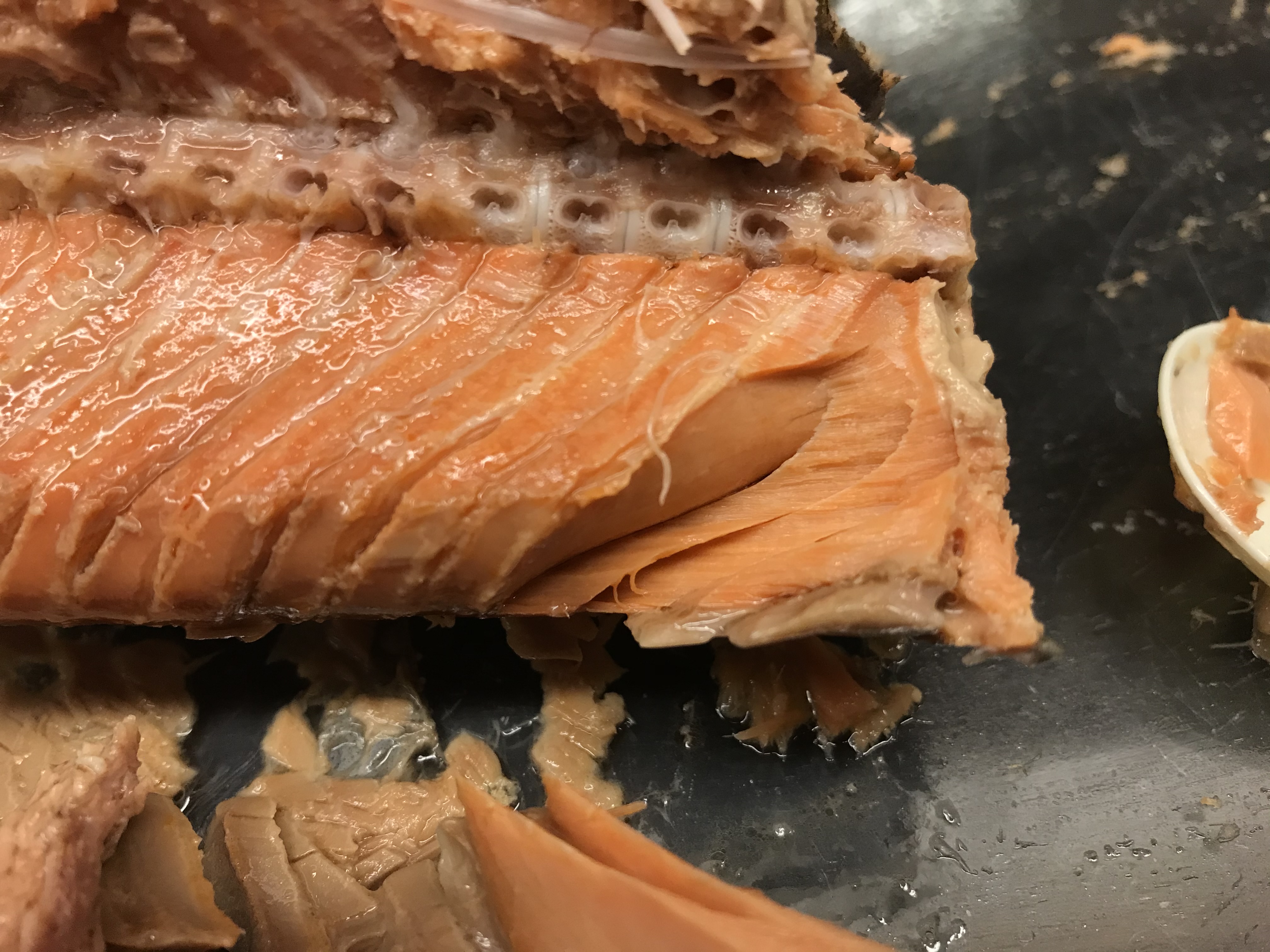
When inspecting salmon for parasites, you are generally looking for small, translucent, or brownish worms, often found coiled or embedded within the muscle tissue or on the surface of the flesh. These organisms, most commonly Anisakis larvae, may appear as thin, thread-like structures measuring a few millimeters to a couple of centimeters in length. While their presence can be alarming, understanding how to identify them and how standard processing techniques neutralize them is essential for home cooks and seafood consumers.
The Nature of Parasites in Wild and Farmed Salmon
The marine environment is a complex ecosystem, and it is a biological reality that wild-caught fish serve as hosts for various organisms. Among these, the most frequently discussed in the context of salmon are nematodes, commonly known as roundworms. Specifically, the genus Anisakis is a frequent inhabitant of various marine fish species.
It is important to distinguish between the biological presence of a parasite and a food safety risk. In the ocean, fish ingest small crustaceans that carry parasite larvae. As the fish grows, these larvae migrate from the digestive tract into the muscle tissue. While finding a worm in your salmon fillet can be unappealing, it is a naturally occurring phenomenon in wild fish populations.
Conversely, farmed salmon are subjected to rigorous health management programs. Because commercial aquaculture involves controlled environments, strict biosecurity measures, and regulated feed, the prevalence of parasites in farmed Atlantic salmon is significantly lower than in wild-caught varieties. The controlled environment minimizes the pathway for the parasite life cycle, making farmed fish a popular choice for those concerned about the biological risks of wild-caught seafood.
Visual Identification: What to Look For
If you are inspecting a piece of raw salmon, you are looking for deviations from the clean, uniform grain of the fish muscle. Because parasites are often similar in color to the salmon flesh—ranging from off-white to yellowish-tan—they can be difficult to spot at a casual glance.
Key Indicators of Parasite Presence
- Coiled Structures: Parasites are often found in a tight, spiral, or coiled shape. If you see a small, flat, or round object that looks like a tiny spring embedded in the flesh, it is a likely candidate.
- Contrasting Texture: Parasites possess a different density than salmon muscle. If you use tweezers to gently lift the area, a parasite will often be distinct from the surrounding tissue, whereas a piece of fat or connective tissue will remain integrated.
- Length and Shape: Anisakis larvae are typically thin, resembling a piece of heavy sewing thread. They may be anywhere from 1 to 3 centimeters long.
- Location: While they can be anywhere, they are frequently found on the surface of the fillet or slightly underneath the membrane (the silver skin). If you find one, it is often wise to carefully inspect the remainder of the fillet.
How to Conduct an Inspection
To properly inspect a fillet, place the fish under a bright, direct light source. If you have a backlight (such as a light table or even a sturdy LED flashlight shone through a thin piece of fish), it can make the denser, thicker bodies of the parasites appear as silhouettes against the translucent salmon flesh. This method, often called "candling," is used in commercial processing plants to identify and remove parasites before the fish reaches the consumer.

Distinguishing Parasites from Natural Fish Anatomy
One of the most common mistakes consumers make is misidentifying natural fish anatomy as a parasite. Salmon possess connective tissues and fat deposits that can mimic the appearance of a worm.
- Connective Tissue: Myocommata are the thin layers of connective tissue that hold muscle segments together. These are white, slightly fibrous, and should be firmly attached to the surrounding flesh. A parasite will be loose or encased in a small, distinct capsule that can be easily dislodged with tweezers.
- Fat Deposits: Small beads of fat or intramuscular fat striations can sometimes look like white specks. However, fat deposits do not have a thread-like structure. If you poke it with a needle, fat will smear, whereas a parasite will maintain its integrity.
- Blood Spots: Occasionally, small capillaries break during processing, leaving a dark red or brownish spot. These are not organisms and are perfectly safe to consume, though some people prefer to trim them for aesthetic reasons.
Safety and Mitigation: Processing Standards
In 2026, the commercial fishing and aquaculture industries follow strict safety protocols to ensure that seafood reaching the market is safe for human consumption. The primary method for neutralizing the risk posed by parasites is through extreme temperature regulation.
Freezing Requirements
Parasites are effectively neutralized by freezing. The U.S. Food and Drug Administration (FDA) and other international regulatory bodies have established specific guidelines for the "parasite destruction" of fish intended for raw consumption, such as sushi or sashimi. This involves:
- Blast Freezing: Freezing at -31°F (-35°C) or below for 15 hours.
- Standard Commercial Freezing: Freezing at -4°F (-20°C) or below for at least 7 days.
Most high-quality sushi-grade salmon available in supermarkets has already undergone this deep-freeze process. This does not necessarily mean the parasite is removed, but it ensures that the organism is dead and incapable of causing infection.
Cooking Standards
For those preparing salmon at home, cooking is the most reliable way to eliminate risks. The internal temperature of the salmon should reach at least 145°F (63°C). At this temperature, any parasites present are destroyed instantly. When the fish is cooked through, the flesh becomes opaque, and the protein structures denature, effectively cooking any hidden larvae alongside the fish.
Comparison of Safety Factors by Source
| Feature | Wild-Caught Salmon | Farmed Atlantic Salmon |
|---|---|---|
| Parasite Prevalence | Higher (natural environment) | Very Low (controlled environment) |
| Inspection Standards | Hand and machine candling | Automated health monitoring |
| Regulatory Oversight | Managed catch limits | Strict veterinary/feed protocols |
| Best Consumption | Best cooked | Frequently used for raw preparations |
Frequently Asked Questions
1. Is it safe to eat salmon if I find a parasite? If the salmon has been cooked to an internal temperature of 145°F (63°C) or has been previously deep-frozen according to industry standards, the parasite is dead and harmless. While the thought is unpleasant, it does not pose a health risk in that state. If you find one in a piece of fish you intended to eat raw, you should discard that portion or cook the fish thoroughly.
2. Can I remove the parasite and eat the fish anyway? Yes. If you find a single worm in a fillet, you can simply remove it with clean tweezers and then cook the fish thoroughly. The presence of one parasite does not make the entire fish "poisonous," but it is a sign that the fish should definitely be cooked rather than eaten raw.
3. Does "sushi-grade" mean there are no parasites? "Sushi-grade" is not an official government-regulated term, but it implies that the fish has been handled and frozen in a way that minimizes the risk of parasites. It signifies that the supplier has followed protocols to make the fish safe for raw consumption.
4. Are these parasites visible to the naked eye? Yes, most common salmon parasites are visible to the naked eye if you look closely. They typically measure between 1 and 3 centimeters. However, their coloration often blends with the flesh, which is why careful inspection in good light is required to see them.
5. What happens if someone accidentally consumes a live parasite? The condition caused by consuming live Anisakis larvae is known as anisakiasis. Symptoms typically include abdominal pain, nausea, and vomiting within a few hours of consumption, as the larvae attempt to penetrate the stomach or intestinal wall. If you suspect an infection after eating raw fish, you should consult a medical professional immediately.
Next Steps for the Discerning Consumer
If you are concerned about parasites, your best course of action is to prioritize the source of your salmon. Purchasing from reputable seafood counters that clearly label their product as "previously frozen" or "suitable for raw consumption" provides a significant layer of assurance. When shopping, look for firm, clean flesh with a uniform color. If you are ever in doubt, the simplest and most effective solution is to cook your salmon to the required internal temperature. By maintaining these standards, you can enjoy the nutritional benefits of salmon while effectively mitigating biological risks.
Image Gallery
Select an image to open it in a new tab.

Akira Tanaka
International Academic Trends Correspondent
