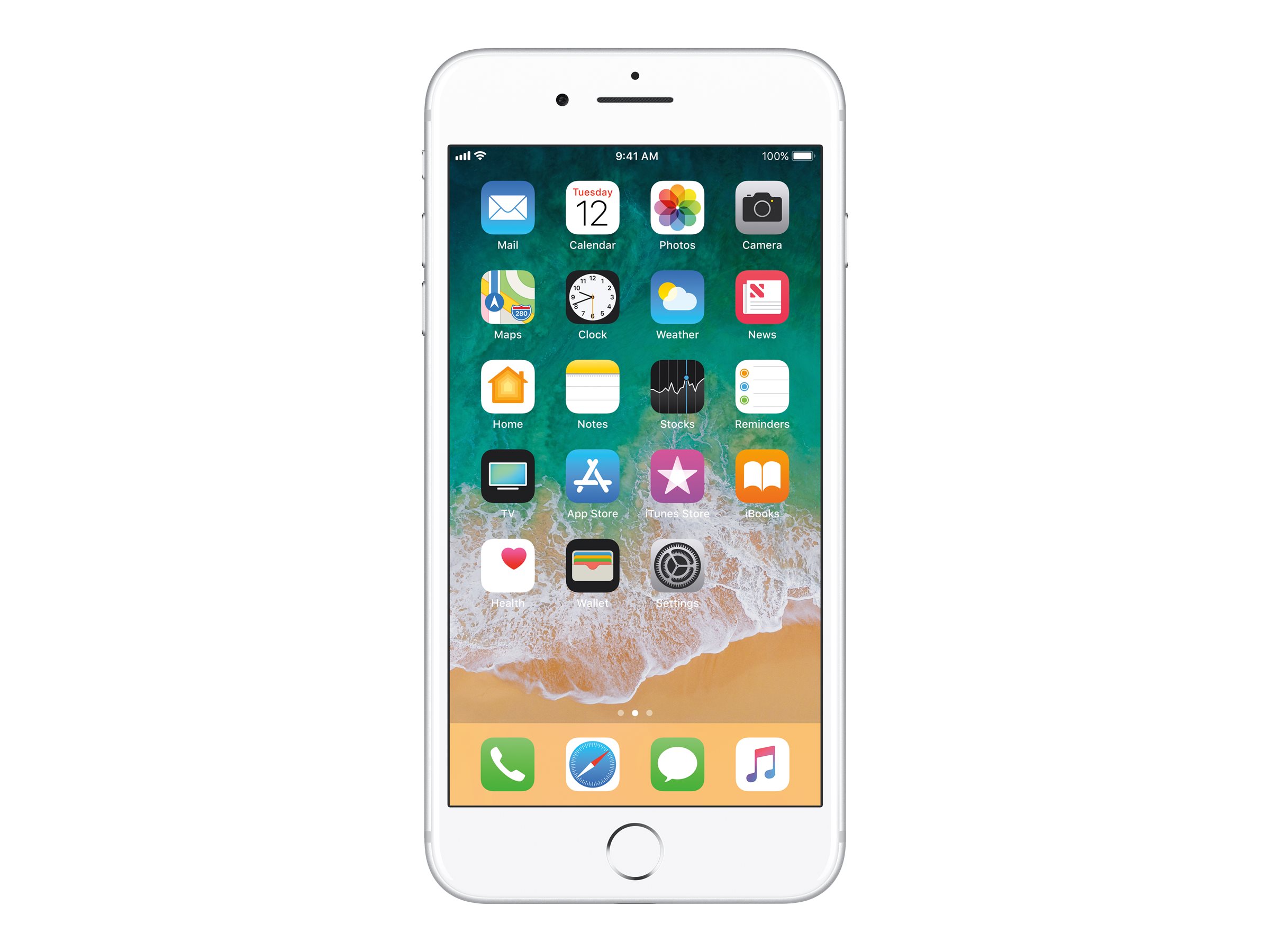
The primary differences between the iPhone 7 and iPhone 8 lie in their construction materials, processing power, and charging capabilities. While the iPhone 7 features an aluminum unibody and the A10 Fusion chip, the iPhone 8 introduced a glass back to support Qi wireless charging and the more advanced A11 Bionic processor.
Released just one year apart, the iPhone 7 (2016) and the iPhone 8 (2017) represent a significant pivot point in Apple’s hardware philosophy. For users looking at these devices in 2026, understanding these distinctions is crucial, as they determine software longevity, repairability, and daily utility. Although both phones share the same classic silhouette and 4.7-inch Retina display, the internal architecture and material choices set them apart in ways that remain relevant for legacy device collectors and budget-conscious users.
Physical Design and Build Materials
At first glance, the iPhone 7 and iPhone 8 appear nearly identical. They share the same rounded corners, thick top and bottom bezels, and the iconic Home button with Touch ID. However, the materials used in their construction serve different functional purposes.
The Aluminum Unibody of the iPhone 7
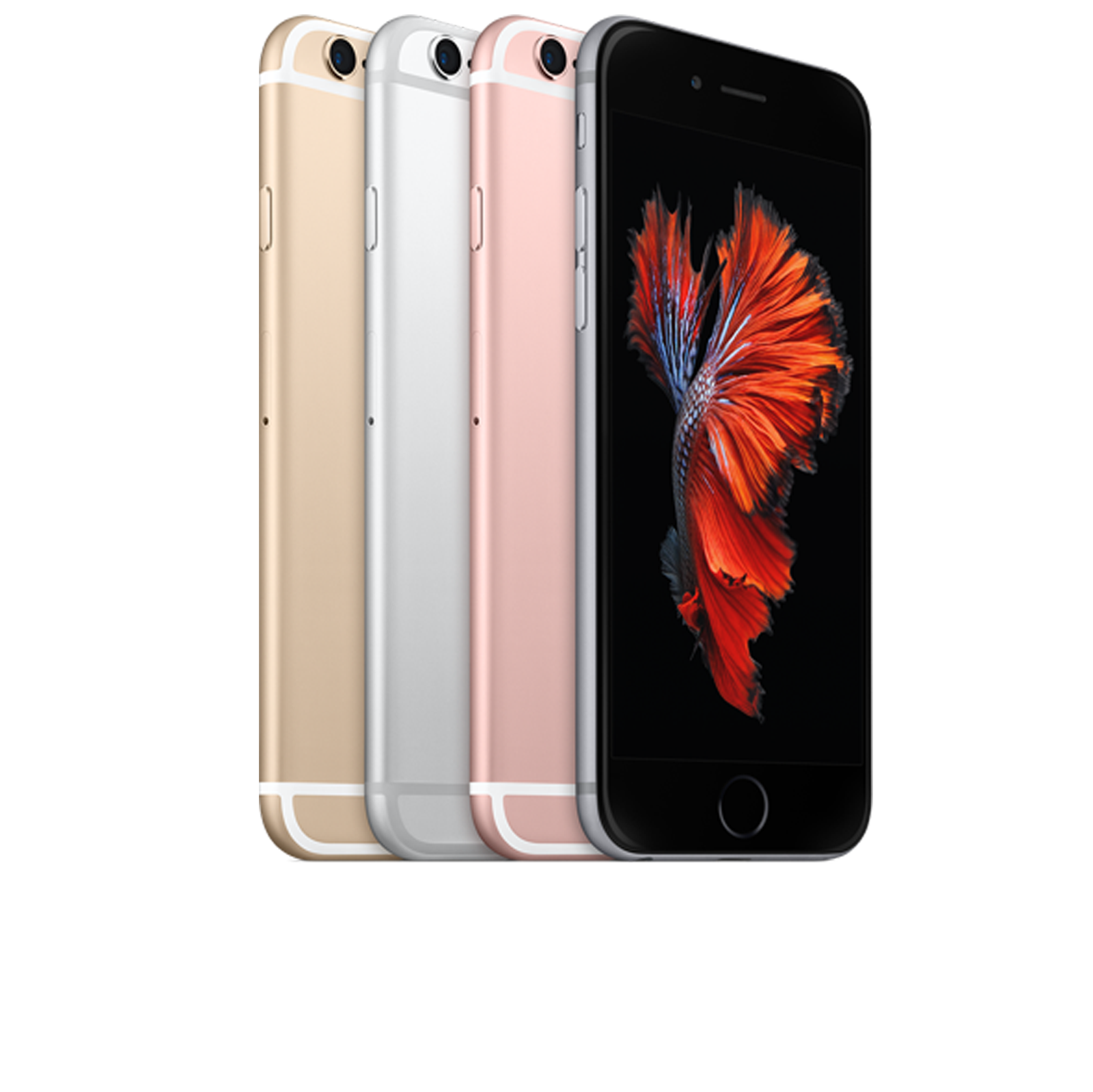
The iPhone 7 utilizes 7000 Series aluminum for its entire chassis. This design is highly durable and resistant to shattering, though it is prone to minor scuffs and "pitting" over years of use. One of the standout features of the iPhone 7 era was the variety of finishes, including the high-gloss Jet Black and the textured Matte Black. Because it lacks a glass back, the iPhone 7 is slightly lighter and thinner than its successor, making it a favorite for those who prefer a "featherweight" feel in their pocket.
The Glass Transition of the iPhone 8
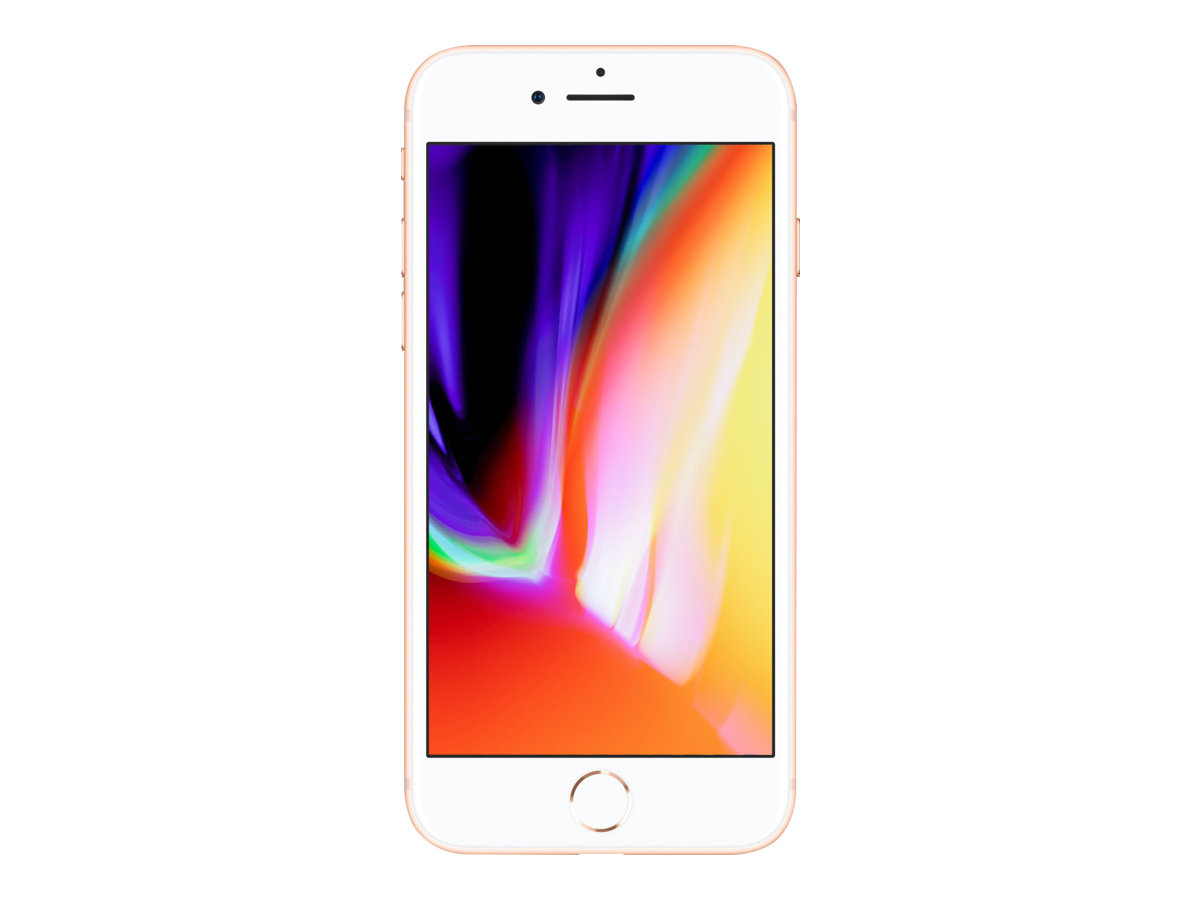
With the iPhone 8, Apple returned to a glass-back design for the first time since the iPhone 4s. This was not merely an aesthetic choice; the glass back was a technical requirement to enable inductive (wireless) charging. The glass is reinforced by a laser-welded steel foundation and a color-matched aerospace-grade aluminum band. While this gives the iPhone 8 a more "premium" and dense feel, it also makes the device significantly more fragile. A drop that might only dent an iPhone 7 could completely shatter the rear of an iPhone 8, which is notoriously difficult and expensive to repair due to the permanent adhesive used during manufacturing.
Internal Processing and Performance
The performance gap between these two generations is defined by the leap from the A10 Fusion to the A11 Bionic. In 2026, this difference is more than just a benchmark score; it dictates which modern applications can still run smoothly.
A10 Fusion (iPhone 7)
The A10 Fusion was Apple's first quad-core chip, featuring two high-performance cores and two high-efficiency cores. At the time, it was a revolution in power management. However, by 2026 standards, the A10 struggles with heavy multitasking and modern web browsers that demand high RAM and computational overhead. It lacks the dedicated hardware for machine learning that became standard in later years.
A11 Bionic (iPhone 8)
The iPhone 8’s A11 Bionic chip was a landmark in mobile silicon. It introduced the first "Neural Engine," a dual-core design capable of handling up to 600 billion operations per second. This chip allows the iPhone 8 to handle basic Augmented Reality (AR) tasks and advanced image processing much more effectively than the iPhone 7. Furthermore, the A11 features a six-core CPU (two performance, four efficiency) where all six cores can be used simultaneously, a feat the A10 cannot match. This multi-core capability provides a noticeable "snappiness" in the iPhone 8 that the iPhone 7 lacks when running the latest compatible apps.

Display Technology and True Tone
While both devices use a 4.7-inch (or 5.5-inch for Plus models) LED-backlit IPS LCD with a resolution of 1334-by-750 pixels, the iPhone 8 introduced a key comfort feature: True Tone.
Understanding True Tone
The iPhone 8 contains a four-channel ambient light sensor that automatically adjusts the white balance of the screen to match the color temperature of the light around you. If you are under warm incandescent bulbs, the screen shifts toward a warmer hue; if you are outside under a blue sky, it shifts cooler. This makes images on the display appear as natural as a printed sheet of paper and significantly reduces eye strain. The iPhone 7 lacks this sensor, meaning its display maintains a static, slightly cooler color profile regardless of the environment.
Camera and Video Capabilities
Both phones feature a 12-megapixel rear camera with an f/1.8 aperture and Optical Image Stabilization (OIS). However, the underlying hardware that processes those images—the Image Signal Processor (ISP)—is much more capable in the iPhone 8.
Improved Sensor and ISP
The iPhone 8 features a "larger and faster" sensor, according to Apple, which allows for better low-light performance and faster autofocus. The A11 Bionic’s ISP also enables better pixel processing, a wider color gamut, and improved HDR photos.
Video Encoding
The most significant camera difference for power users is the video frame rates. The iPhone 8 was the first iPhone capable of shooting 4K video at 60 frames per second (fps) and 1080p slow-motion at 240 fps. The iPhone 7 is capped at 4K at 30 fps and 1080p slow-motion at 120 fps. If you intend to use the device for basic content creation or capturing smooth memories, the iPhone 8 offers a clear technical advantage.
Battery and Charging Infrastructure
This is perhaps the most practical area of difference for daily use in 2026. The iPhone 8 moved away from the restrictive wired-only charging of the iPhone 7.
Wireless and Fast Charging
The iPhone 8 supports the Qi wireless charging standard, meaning it works with almost any wireless charging pad found in cars, cafes, and furniture. More importantly, the iPhone 8 supports fast charging. Using a Lightning-to-USB-C cable and a compatible power brick, the iPhone 8 can charge from 0% to 50% in approximately 30 minutes. The iPhone 7 does not support fast charging or wireless charging, limiting it to the standard 5W or 10W wired charging speeds, which are significantly slower.
Technical Specifications Comparison
The following table highlights the critical hardware differences between the standard 4.7-inch models of the iPhone 7 and iPhone 8.
| Feature | iPhone 7 | iPhone 8 |
|---|---|---|
| Release Year | 2016 | 2017 |
| Chassis Material | 7000 Series Aluminum | Glass Front and Back, Aluminum Frame |
| Processor | A10 Fusion | A11 Bionic (with Neural Engine) |
| Display Tech | Retina HD | Retina HD with True Tone |
| Wireless Charging | No | Yes (Qi Standard) |
| Fast Charging | No | Yes (Up to 50% in 30 mins) |
| Video Recording | 4K at 30 fps | 4K at 60 fps |
| Slo-mo Video | 1080p at 120 fps | 1080p at 240 fps |
| Max iOS Support | iOS 15 | iOS 16 |
| Bluetooth | 4.2 | 5.0 |
| Weight | 138 grams | 148 grams |
Software Longevity and Security in 2026
When evaluating these phones in 2026, software compatibility is the "Evidence Gate" for usability. Apple typically supports iPhones with major iOS updates for about 5 to 6 years.
- iPhone 7 (Legacy Status): The iPhone 7 saw its final major update with iOS 15. By 2026, it is several versions behind the current iOS. While Apple still occasionally releases critical security patches for older versions, many modern apps (especially banking and social media) now require a minimum of iOS 16 or 17 to function. This makes the iPhone 7 best suited as a "dumb phone," a music player, or a dedicated device for legacy apps.
- iPhone 8 (Vintage Status): The iPhone 8 reached its limit with iOS 16. While also technically obsolete in terms of new features, having access to iOS 16 provides a slightly wider window of app compatibility compared to the iPhone 7. It can still run many apps that the iPhone 7 cannot, making it a more viable ultra-budget secondary device.
Common Issues and Reliability
When choosing between these two, it is important to note historical hardware failures that have emerged over the decade.
- iPhone 7 "Loop Disease": Many iPhone 7 models suffered from a structural defect where the audio IC chip would detach from the logic board, leading to microphone failure and long boot times (stuck on the Apple logo). While many were repaired, it remains a known risk for this specific model.
- iPhone 8 Battery Swelling: Early batches of the iPhone 8 and 8 Plus had reported issues with batteries swelling and pushing the screen out. While rare now, users should always check the battery health and physical seams of a used iPhone 8.
- Touch ID Reliability: Both devices use a "solid-state" Home button that doesn't actually move; it uses the Taptic Engine to simulate a click. If the screen is replaced with a low-quality third-party part, Touch ID functionality is often lost forever on both models.
Frequently Asked Questions
Can I use the same case for an iPhone 7 and an iPhone 8?
Generally, yes. The dimensions of the iPhone 8 are slightly larger (by fractions of a millimeter) due to the glass back, but 99% of iPhone 7 cases will fit an iPhone 8 perfectly. However, because the Apple logo on the back of the iPhone 8 is centered slightly differently and the glass makes it a bit thicker, some very tight-fitting or "snap-on" hard plastic cases might be difficult to apply.
Does the iPhone 8 have better battery life than the iPhone 7?
In actual usage, they are very similar. The iPhone 8 actually has a physically smaller battery capacity (1,821 mAh) compared to the iPhone 7 (1,960 mAh). However, because the A11 Bionic chip is more power-efficient, the iPhone 8 typically matches the iPhone 7’s battery life of roughly 12 to 13 hours of internet use. In 2026, the health of the individual battery (the "Maximum Capacity" percentage in settings) matters far more than the original specs.
Is the iPhone 8 waterproof?
Both the iPhone 7 and iPhone 8 have an IP67 rating under IEC standard 60529. This means they are designed to be water-resistant in up to 1 meter of water for 30 minutes. However, water resistance is not permanent and degrades over time as the internal seals dry out. By 2026, neither device should be considered waterproof; even a light splash could potentially damage the aged gaskets.
Which phone is better for gaming?
The iPhone 8 is significantly better for gaming due to the A11 Bionic's GPU and the inclusion of the Neural Engine. It can handle 3D rendering more efficiently and supports some Metal API features that the iPhone 7 cannot. However, modern high-end games (like those released in 2025-2026) likely won't run on either device due to RAM and iOS limitations.
Does the iPhone 7 support AirPods?
Yes, both the iPhone 7 and iPhone 8 support all generations of AirPods and other Bluetooth headphones. Note that neither phone has a 3.5mm headphone jack; you must use Bluetooth or a Lightning-to-3.5mm adapter for wired audio. The iPhone 8 supports Bluetooth 5.0, which offers better range and stability than the Bluetooth 4.2 found in the iPhone 7.
Final Recommendation: Which Should You Choose?
In 2026, the choice between these two devices is dictated by your need for app compatibility and charging convenience.
Choose the iPhone 8 if:
- You need to run specific apps that require iOS 16.
- You want the convenience of wireless charging in your car or at home.
- You plan on taking occasional videos and want the smoothness of 4K at 60fps.
- You want a slightly more "modern" feeling screen thanks to True Tone.
Choose the iPhone 7 if:
- You need the most durable, drop-resistant build (all-aluminum).
- You are looking for the absolute lowest-cost entry point into the iOS ecosystem for basic calling and texting.
- You prefer the lighter weight and specific color options like Jet Black or Rose Gold.
For most users today, the iPhone 8 is the superior choice simply because the A11 Bionic chip and iOS 16 support provide a few extra years of functional life compared to the iPhone 7. If you are purchasing one of these as a primary device, ensure the battery has been recently replaced, as chemical aging will be the biggest hurdle to a positive experience.
Image Gallery
Select an image to open it in a new tab.
Celine Dubois
Contemporary Living and Global Arts Columnist
