The Final Reveal in The Blair Witch Project: A Deep Analysis of Horror’s Most Famous Ending
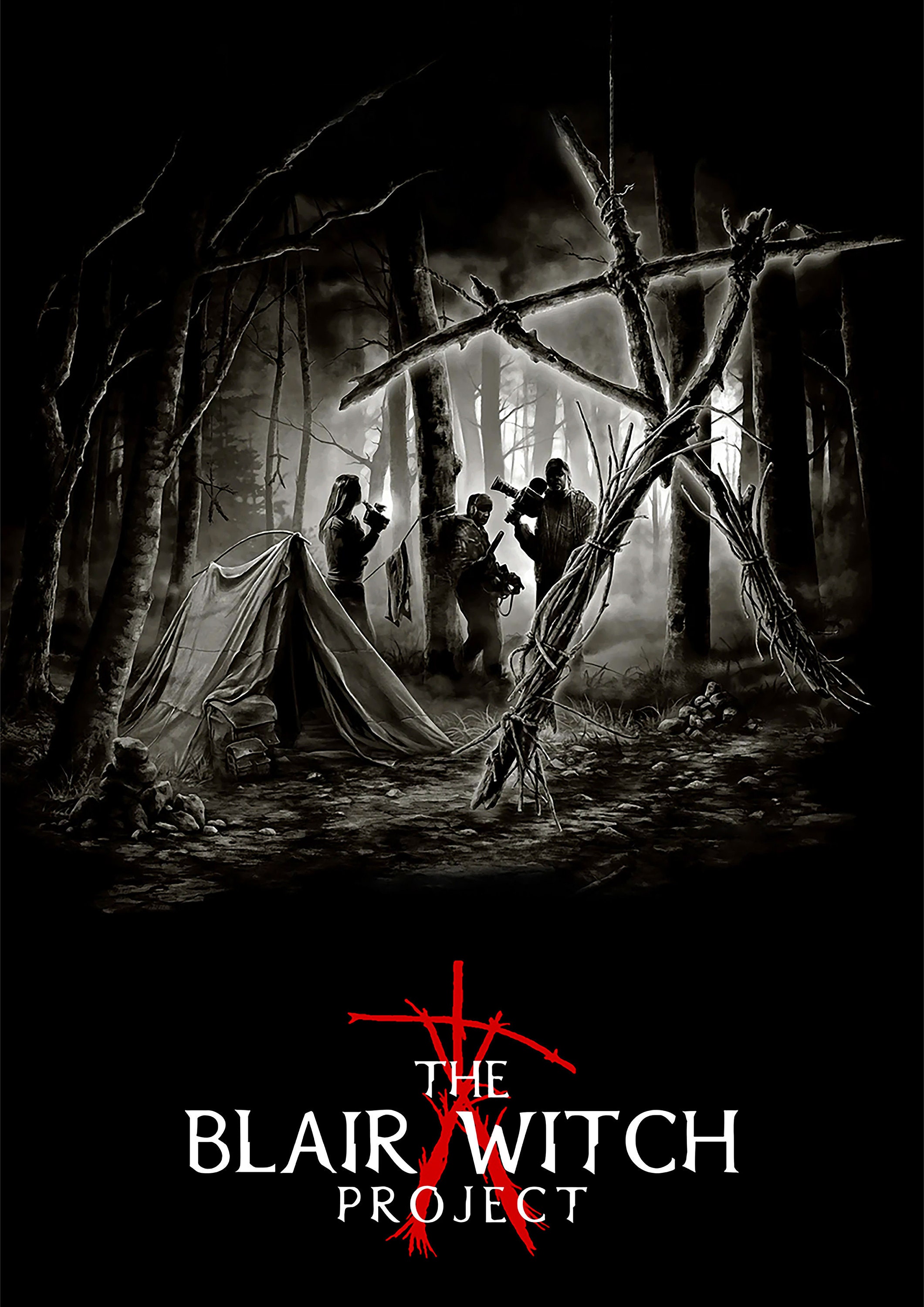
The final reveal in The Blair Witch Project occurs in the basement of a dilapidated house, where Heather Donahue finds Mike Williams standing in a corner, facing the wall. Seconds later, Heather is struck from behind, dropping her camera as the film abruptly ends. This haunting image directly references the legend of Rustin Parr, a local hermit who murdered children in the 1940s by making one stand in the corner while he killed the other.
The Context of the Final Sequence: A Descent into the Black Hills
To understand the weight of the final reveal, one must analyze the psychological and physical breakdown of the three filmmakers: Heather Donahue, Joshua Leonard, and Michael Williams. By the time they reach the house in the woods, the group has been lost for days, deprived of food, and psychologically tortured by supernatural occurrences—such as the discovery of "stickman" totems and the disappearance of Josh.
The final sequence begins when Heather and Mike hear Josh’s agonizing screams echoing through the forest at night. These screams lead them to a house that, according to local Burkittsville lore, should not exist. In the 1940s, the home of the child-killer Rustin Parr was burned to the ground by an angry mob. The discovery of this structure suggests a fracture in time or a supernatural manifestation of the woods' dark history.
As Mike and Heather enter the house, the "found footage" style heightens the claustrophobia. The walls are covered in the handprints of children, reinforcing the connection to Parr’s victims. The frantic camera work and overlapping audio of Josh’s voice—which may not even be Josh, but a mimicry by the entity—build a sense of inevitable doom.
The Rustin Parr Connection: Why the Corner Matters
The most terrifying aspect of the final reveal is its specificity. Earlier in the film, while interviewing the residents of Burkittsville, the filmmakers are told the story of Rustin Parr. Parr confessed to the kidnapping and murder of seven children in the Black Hills. He claimed he committed these acts under the influence of an "old woman" (the Blair Witch) who resided in the woods.
Parr’s modus operandi was unique: he would take two children into his basement at a time. Because he could not bear the "eyes" of his victims on him while he committed the murders, he would force one child to stand in the corner, facing the wall, while he killed the other child behind them.
When Heather enters the basement and sees Mike standing in the corner, the audience realizes that the cycle is repeating. Mike is the "child in the corner," and Heather is the victim being approached from behind. The reveal confirms that the entity—whether it is the spirit of Elly Kedward (the original Blair Witch) or the lingering influence of Rustin Parr—is still active and controlling the environment.

Theoretical Interpretations of the Ending
While the Rustin Parr connection is the most direct explanation, the final reveal has sparked decades of debate. In 2026, looking back at the legacy of the film, three primary theories remain the most prominent among cinema historians and horror enthusiasts.
1. The Time Loop Theory
The 2016 sequel, Blair Witch, directed by Adam Wingard, retroactively supported the idea that the Black Hills Forest exists in a distorted temporal state. Under this theory, Heather and Mike did not just walk into a house; they walked into the 1940s or a pocket dimension where the house still stood. This explains why search parties never found the house or the filmmakers' bodies until years later. The final reveal shows that the "witch" manipulates time to entrap her victims in a perpetual state of trauma.
2. The Possession Theory
Another interpretation suggests that Josh was not a victim in the traditional sense but was instead possessed by the entity to carry out the final blow. Some viewers argue that the screams Heather and Mike followed were a lure, and that Josh was the one who struck Heather at the very end. In this scenario, the final reveal of Mike in the corner was a tactic to distract Heather, leaving her vulnerable to an attack from her own teammate.
3. The Sensory Deprivation Theory
In a more grounded, psychological interpretation, the final reveal represents the total collapse of the characters' reality. The "witch" is never seen because she is a force of nature—an atmospheric pressure that drives people to madness. In this view, the "reveal" is not about a monster, but about the terrifying realization that there is no escape from the environment itself.
Comparative Elements of the Blair Witch Legend
The following table outlines the key historical events mentioned in the film's mythology and how they manifest in the final reveal.
| Historical Entity/Event | Date | Legend Details | Manifestation in the Final Reveal |
|---|---|---|---|
| Elly Kedward | 1785 | Banished for witchcraft; suspected of killing children. | The unseen force driving the characters to the house. |
| The Coffin Rock Murders | 1886 | Ritualistic murder of a search party; bodies later disappeared. | The feeling of being watched and the disappearance of Josh. |
| Rustin Parr | 1940-41 | Hermit who killed 7 children in his basement. | Mike standing in the corner, mimicking Parr’s ritual. |
| The Survival of Kyle Brody | 1941 | The only child to escape Parr; witnessed the murders from a corner. | The camera's perspective as it captures the "corner" ritual. |
Technical Depth: How the Reveal Redefined Horror
The effectiveness of the final reveal lies in its technical restraint. Directed by Daniel Myrick and Eduardo Sánchez, the film utilized a "less is more" approach that relied on the audience's imagination.
The Use of 16mm and Hi8
The ending was captured using two different camera formats. Mike carried the 16mm film camera, while Heather carried the Hi8 video camera. The final moments switch between these perspectives. When Mike drops his camera, we see the grainy, flickering 16mm footage on the floor. When Heather finds him, we see the more "immediate" and raw Hi8 footage. This dual-perspective creates a sense of frantic, unedited reality that "clean" Hollywood cinematography could not replicate.
Sound Design as a Narrative Tool
The final reveal is heavily reliant on sound. The silence of the basement is punctuated only by Heather’s hyperventilation. The lack of a musical score—a hallmark of the found-footage genre—forces the audience to listen for every footstep and floorboard creak. The sudden "thud" when Heather is hit is the only indication of the killer’s presence, making the unseen attacker far more terrifying than a visible monster would have been.
The "Method" Acting Approach
The actors were not told exactly what would happen in the basement. While they knew the general plot, the production team used GPS to lead them to the house and left notes for them to follow. This resulted in genuine confusion and fear. The actor playing Mike, Michael C. Williams, was instructed to go into the basement and stand in the corner without telling Heather. Her reaction of screaming his name and her genuine panic when she finds him is partly fueled by the real-world exhaustion and disorientation of the shoot.
The Cultural Legacy of the Reveal in 2026
By 2026, The Blair Witch Project is celebrated as the progenitor of the modern found-footage movement. The final reveal remains a masterclass in "payoff." Most horror films of the late 90s relied on jump scares or elaborate creature effects. Blair Witch pivoted toward a psychological payoff that required the viewer to have paid attention to the "boring" interviews at the start of the film.
The image of a man standing in a corner has become a shorthand for supernatural possession or "witchcraft" in modern media. It has been parodied and paid homage to in countless films, but the original remains the most potent because of its lack of explanation. In an era of "elevated horror" and over-explained lore, the ambiguity of Mike in the corner serves as a reminder that the most profound fear comes from the unknown.
Common Misconceptions About the Ending
Many viewers initially expressed frustration with the ending because they did not see a "witch." However, the film's creators have stated that showing a monster would have ruined the tension.
- Did Mike die? While the film ends before his fate is shown, the lore established in The Blair Witch Dossier and the 2016 sequel suggests that no one survived the encounter in the house.
- Was there a deleted ending? Several alternative endings were filmed, including Mike being hanged or Mike facing Heather. However, the "corner" ending was chosen because it was the most unsettling and tied directly back to the Rustin Parr story.
- Was the witch actually in the scene? Some fans have analyzed the footage frame-by-frame, claiming to see a shadow or a figure behind Heather. While the filmmakers have hinted at hidden details, the "witch" was never intended to be a clear, physical entity on screen.
FAQ: Understanding the Nuances of the Reveal
Why did Mike stand in the corner instead of helping Heather?
Mike was likely under a trance or the supernatural influence of the entity. According to the Rustin Parr legend, the "witch" forced individuals to do her bidding. Standing in the corner was a psychological command that the victims could not resist, effectively "turning off" their ability to react or defend themselves.
How did they find the house if it was burned down years ago?
This is the most significant "supernatural" element of the reveal. The house is a manifestation of the woods. Whether through a time slip or a ghostly recreation, the house serves as the lair of the Blair Witch. It exists only for those who are "invited" or trapped by the entity.
Who actually hit Heather at the end?
The identity of the attacker is never revealed. It could have been the spirit of Rustin Parr, the witch herself (Elly Kedward), or a possessed Josh. The ambiguity is intentional, as it emphasizes that the "who" is less important than the fact that the entity has total control over the filmmakers.
What is the significance of the handprints on the walls?
The handprints are those of the children murdered by Rustin Parr. They serve as a visual confirmation that Heather and Mike have entered the "heart" of the legend. It confirms that the stories they heard at the beginning of the movie were true and that they are now part of that cycle of violence.
Is the house a real location you can visit?
The house used in the film was the Griggs House in Granite, Maryland. It was a historic structure built in the 19th century. Unfortunately, due to the house's poor condition and the unwanted attention from fans, it was demolished shortly after the film's release.
Practical Recommendation for Viewers
To fully appreciate the final reveal, it is recommended to watch the film with a high-quality audio setup or headphones. The sound design contains subtle cues—distant whispers and the specific directionality of Josh’s voice—that are often lost on standard television speakers. Additionally, reviewing the "Rustin Parr" interview segment at the beginning of the film is essential for understanding the visual shorthand of the final shot.
Image Gallery
Select an image to open it in a new tab.



Mateo Castillo
Decentralized Finance and E-Payments Strategist
