Understanding the Creepy Hairless Cat: Biological Reality and Care Requirements

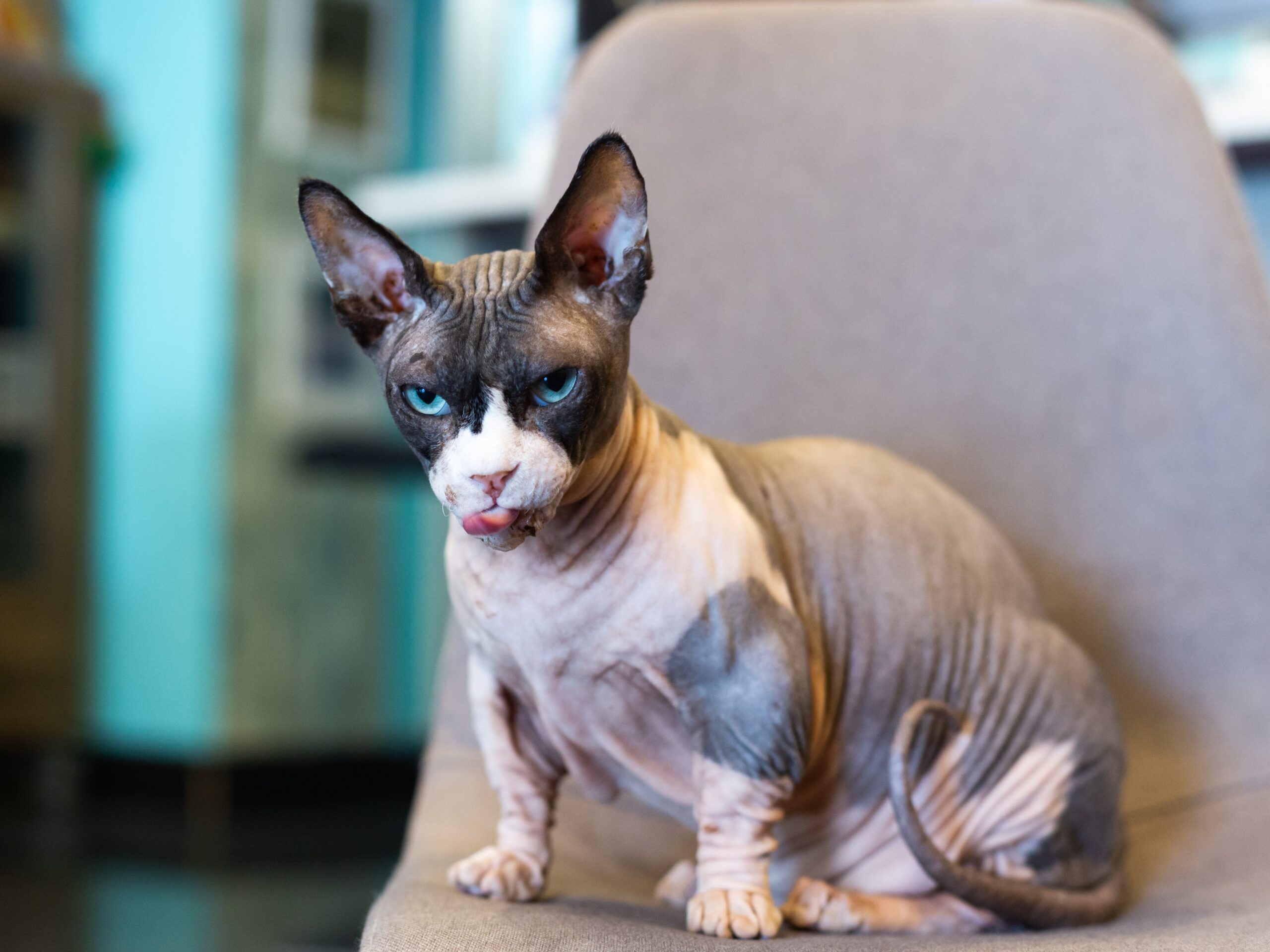
The "creepy hairless cat" is a colloquial label frequently applied to breeds like the Sphynx, which lack a traditional fur coat. While their appearance often polarizes public opinion due to their exposed skin and unique facial features, they are biologically healthy cats that require specialized care. Their distinct look is a natural genetic mutation, not a result of cruel breeding practices, though they demand significant maintenance compared to haired breeds.
The Biology Behind the Look
The perception that a hairless cat is "creepy" largely stems from the visibility of their anatomy. Without fur to soften their silhouette, the skeletal structure, skin folds, and prominent ears become the focal point. In reality, these cats—most notably the Sphynx—are not completely hairless. They are covered in a fine, downy layer of peach-fuzz-like hair that gives their skin a texture often compared to warm suede or chamois.
The genetic trait that causes this lack of fur is a naturally occurring recessive gene. The first documented cases of hairless kittens being born to domestic shorthair mothers occurred in the mid-20th century, though deliberate breeding programs did not gain traction until the 1960s in Canada. From a biological standpoint, these cats have the same internal organ systems as any other feline. Their "creepiness" is a human aesthetic judgment, but their physiological needs are entirely grounded in their unique dermatological profile.
Identifying Breeds Often Labeled as Hairless
It is a common mistake to assume every hairless cat is a Sphynx. Several distinct breeds exist, each with different genetic origins and physical characteristics:
- Sphynx: The most widely recognized breed. They are known for their pot-bellies, wrinkled skin, and large, alert ears. They are generally outgoing and affectionate.
- Donskoy: Originating from Russia, this breed possesses a different genetic mutation compared to the Sphynx. Some Donskoys can even grow a seasonal coat of fur, unlike the pure Sphynx.
- Peterbald: A breed developed by crossing the Donskoy with the Oriental Shorthair. They typically feature a more slender, elegant build and can be born with varying levels of hair, from completely bare to a velour-like coat.
- Elf/Dwelf: These are experimental crossbreeds, typically resulting from breeding a Sphynx with an American Curl or Munchkin. Their look is often considered more striking or "alien" due to the combination of hairlessness with unconventional ear shapes or shortened limbs.
Practical Care and Maintenance Requirements
Because they lack a traditional fur coat to absorb skin oils and protect the skin from the elements, these cats require a human-managed grooming routine. Owners cannot treat them like a standard domestic shorthair; neglecting these tasks can lead to significant health issues.
Regular Bathing
Cats with hairless skin produce natural oils that are not wicked away by a coat. If left unwashed, these oils accumulate, leading to "grease" stains on furniture and, more importantly, skin irritation or acne for the cat. Most owners must bathe their cats at least once every two to three weeks using a pH-balanced, hypoallergenic shampoo designed for felines.
Temperature Regulation
Without a fur coat, these animals are highly susceptible to cold. They are strictly indoor animals. If the ambient temperature is comfortable for a human, it may be too cold for a hairless cat. Owners often find that their pets seek out external heat sources, such as blankets, heating pads, or human laps. In colder climates, many owners provide sweaters to help the cat retain body heat, particularly during winter months.
Skin Protection
The skin is exposed to direct sunlight, making these cats prone to sunburn. If the cat has access to a sun-drenched window, the risk is minimal, but outdoor exposure must be strictly monitored or prevented. Furthermore, because their skin is sensitive, any small scratch or abrasion can become infected more quickly than in a furred animal.
Comparative Overview of Care Needs
The following table outlines the major differences in care between a standard shorthair cat and a hairless breed.
| Care Aspect | Standard Shorthair Cat | Hairless Breed (e.g., Sphynx) |
|---|---|---|
| Bathing Frequency | Rarely needed | Every 2–3 weeks |
| Ear Maintenance | Occasional cleaning | Weekly cleaning (wax buildup) |
| Environmental Needs | Standard home temperatures | Strictly climate-controlled |
| Skin Sensitivity | Low | High (sunburn and oil buildup) |
| Caloric Intake | Standard | High (high metabolic rate) |
Health Considerations and Veterinarian Guidance
Beyond their skin, the primary physiological difference in hairless breeds is their high metabolic rate. Because they lose body heat so rapidly, they require a higher caloric intake than furred cats to maintain their body temperature. This does not mean they should be overfed, but rather that their diet must be calorie-dense and of high quality.
Owners should be aware of Hypertrophic Cardiomyopathy (HCM), a heart condition that has a higher prevalence in certain lines of Sphynx cats. Prospective owners should always verify that breeders perform echocardiograms on breeding pairs to minimize the risk of hereditary cardiac issues. As with any medical concern, consult your local veterinarian for screening protocols and baseline health assessments.
Frequently Asked Questions
Do hairless cats cause fewer allergies?
No. Many people mistakenly believe these cats are hypoallergenic. Allergies to cats are primarily caused by a protein found in saliva and dander (Fel d 1), not the fur itself. Because these cats still produce saliva and shed dander, they can trigger allergic reactions in sensitive individuals just as effectively as a furred cat.
Are these cats always cold to the touch?
Actually, they often feel warmer to the touch than furred cats. Because they do not have a layer of insulating hair, the warmth of their skin is more easily transferred to your hand. However, they lose that heat rapidly, which is why they are often found seeking heat sources.
How do I clean a hairless cat's ears?
Use a veterinary-approved ear cleaner and a soft cotton ball or gauze. Avoid using Q-tips, as these can push debris deeper into the canal or cause injury. Because they lack hair inside the ear to trap dust, they accumulate more wax than the average cat, making weekly cleaning essential.
Is it cruel to breed hairless cats?
When bred by reputable, health-focused organizations, there is no evidence that the state of hairlessness itself causes suffering. However, "extreme" breeding practices—such as shortening legs or manipulating ear cartilage—can lead to joint and structural issues. Always prioritize breeders who focus on health, longevity, and temperament over extreme physical traits.
Can hairless cats live with other pets?
Yes. They generally have very social and inquisitive temperaments, often making them excellent companions for other cats or even dogs. Due to their high need for companionship and interaction, they are rarely happy when left alone for extended periods.
Next Steps for Prospective Owners
If you are considering adding a hairless cat to your household, your first step should be to move beyond the aesthetic "creepy" label and evaluate your ability to meet their intensive care requirements. Dedicate time to locate a reputable breeder or rescue organization that specializes in the breed. Inquire specifically about the health records of the breeding line, specifically regarding heart screenings. Finally, ensure you are prepared for the commitment of frequent bathing, ear cleaning, and the provision of adequate warmth, as these factors are non-negotiable for the cat's long-term health and comfort.
Image Gallery
Select an image to open it in a new tab.

Zara El-Hashem
Sociocultural Dynamics and Academics Writer
