
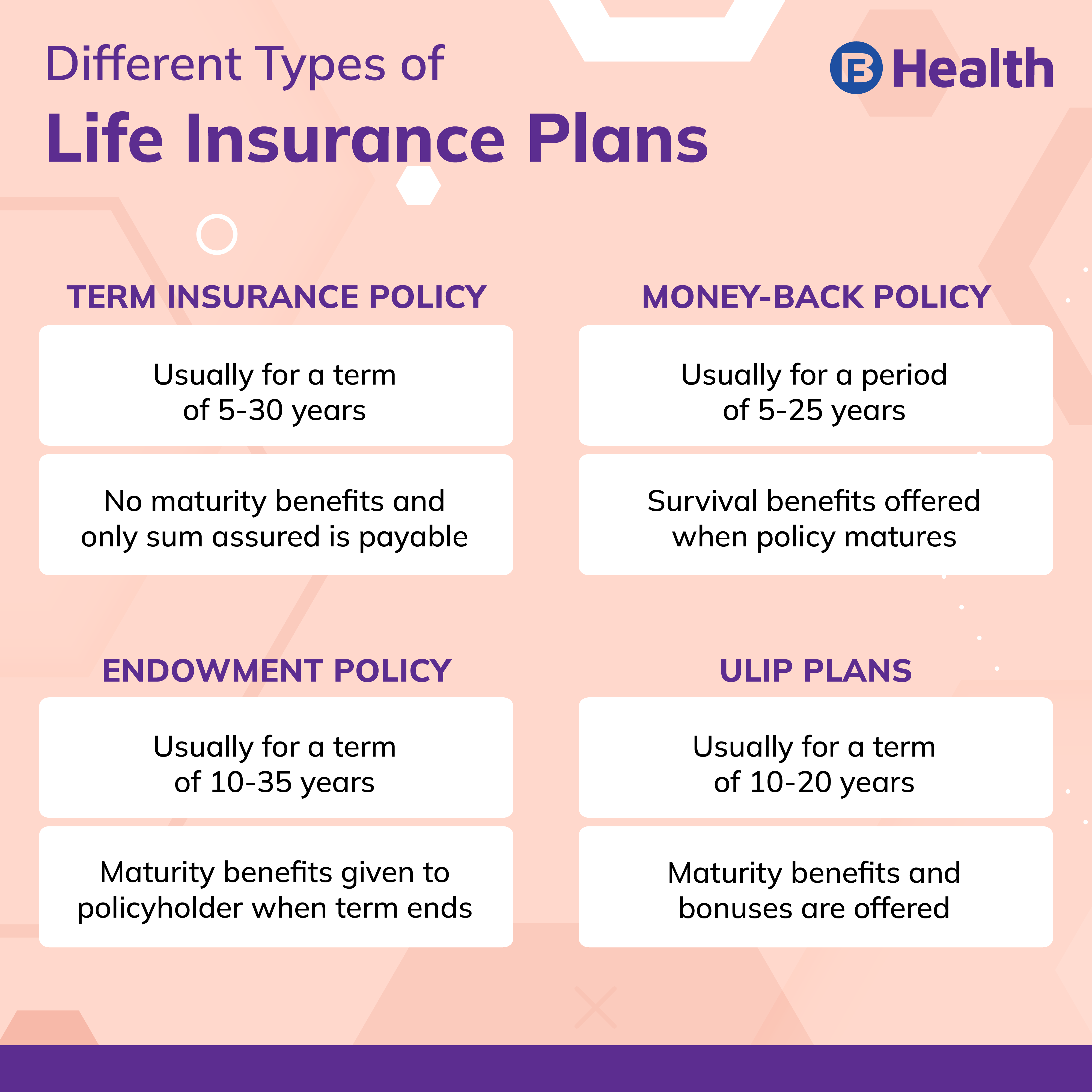
Combined guaranteed life insurance policies—often referred to as joint life insurance or survivorship policies—are specialized financial instruments designed to cover two individuals under a single contract. Understanding how the premiums for these policies are calculated and managed requires an analysis of mortality risk, the type of death benefit, and the underlying structure of the insurance product. Unlike individual policies, where the cost is based on one person's health and age, these policies pool the actuarial risk of two lives to determine the total premium amount.
In a combined guaranteed policy, the premium is primarily influenced by the age and health status of both insured parties, the policy's specific design (first-to-die vs. second-to-die), and the chosen coverage period. Because the insurer is providing a death benefit based on the combined lifespan of the insureds, the premium remains fixed or structured according to the policy's specific schedule, ensuring that the contractual obligation is met regardless of market fluctuations or changes in the health of the insureds after the policy is issued.
The Structural Mechanics of Combined Policies
To understand how your premiums are calculated, you must first distinguish between the two primary formats of combined life insurance: the "first-to-die" policy and the "survivorship" (or "second-to-die") policy. The structure you choose fundamentally changes how the actuarial risk is calculated, which in turn dictates your premium amount.
First-to-Die Policies
In a first-to-die arrangement, the death benefit is paid out upon the death of the first insured party. These policies are often used by business partners or spouses who need liquidity immediately upon the loss of one person to cover debt or replace income. Because the insurer is statistically likely to pay the claim sooner than they would with a single-life policy, the premiums are calculated based on the combined probability of either person dying. Consequently, these premiums are often higher than individual policies because the "risk window" is effectively doubled.
Survivorship (Second-to-Die) Policies
Survivorship policies pay the benefit only upon the death of the second insured individual. These are frequently used for estate planning, as they provide a tax-efficient payout that can cover estate taxes or provide an inheritance. Because the insurer does not pay the benefit until both individuals have passed away, the likelihood of a claim in the short term is significantly lower. Actuarially, this reduces the risk to the insurance company, often resulting in lower premiums compared to two separate individual policies.
How Actuaries Determine Your Premium Amount
Insurance companies determine premium amounts through a process known as underwriting. For combined policies, this process is intensified because the insurer must evaluate two separate profiles.
Joint Underwriting Factors
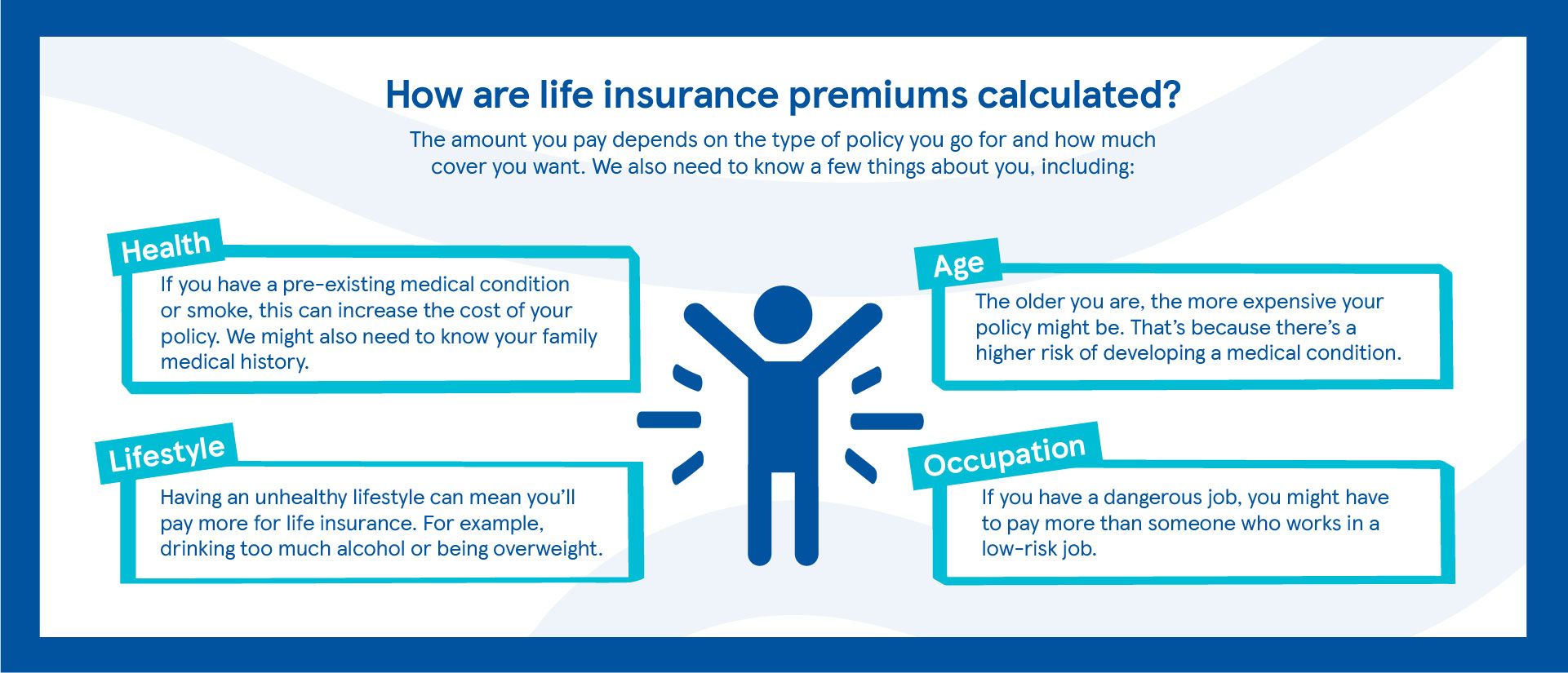
- Age and Life Expectancy: Actuaries calculate the statistical life expectancy for both individuals. If there is a significant age gap between the two, the younger person’s life expectancy may mitigate the risk associated with the older individual, though the premium will still heavily weight the older, higher-risk profile.
- Medical History: Both applicants undergo medical examinations. If one person has a chronic health condition or a "high-risk" medical history, the premium for the entire combined policy will likely be rated upward. You cannot typically "insulate" the policy from a higher-risk individual; the company views the pair as a single risk entity.
- Lifestyle and Occupations: Similar to medical history, if either applicant engages in high-risk hobbies (such as aviation or extreme sports) or works in a hazardous environment, the total premium is adjusted to reflect the risk posed by the more vulnerable partner.
Guaranteed Premiums vs. Variable Rates
A "guaranteed" premium means the insurance company enters a legal agreement to keep the cost of your insurance static for the life of the policy, provided that all contractual obligations are met. This protects the policyholder against future rate increases, even if the health of the insureds declines significantly. However, because the insurer is taking on this long-term risk, the initial premium is often higher than a non-guaranteed policy that allows for premium adjustments.
Factors Influencing Premium Fluctuations
Even when a policy is sold as "guaranteed," there are specific scenarios where the total amount paid may vary or be impacted by your choices.
- Policy Riders: Adding riders—such as an accelerated death benefit or a disability waiver—increases the base premium. In a combined policy, you must verify if the rider applies to both insureds or just one, as this will influence the final cost.
- Payment Frequency: Most insurers offer discounts for annual payments compared to monthly installments. Monthly billing often includes "modal loading," a small fee for the administrative cost of processing payments twelve times a year.
- Coverage Amount (Face Value): This is the most direct driver of your premium. The higher the death benefit, the higher the actuarial cost of providing that coverage.
- Duration of Guarantee: Some policies offer a guarantee for a set number of years (e.g., 20 or 30 years), while others are "guaranteed to age 100" or age 121. The longer the guarantee window, the higher the premium.
Comparison: Individual vs. Combined Insurance Costs
When deciding whether to bundle two lives into one policy, it is helpful to compare the financial implications of combined coverage versus purchasing two separate individual policies.
| Feature | Combined (Survivorship) | Individual Policies |
|---|---|---|
| Premium Cost | Generally lower per dollar of coverage | Generally higher due to two separate fees |
| Underwriting | Based on the health of both individuals | Based on the health of the specific applicant |
| Payout Timing | After the second death | Immediately upon the death of the insured |
| Administrative Fees | Single policy fee | Two separate policy fees |
| Flexibility | Rigid (hard to separate if divorced) | Highly flexible |
Operational Limitations and Common Pitfalls
While combined policies can offer cost savings, they come with operational constraints that prospective policyholders should consider.
The Divorce Dilemma
The most common issue with combined policies is divorce. Because the contract is tied to two lives, separating the policy after a legal dissolution of marriage can be complex or impossible. Many policies do not include an "insurability clause" that allows you to split the policy into two individual ones without re-underwriting. If your health has declined during the term of the policy, you may find it impossible or prohibitively expensive to secure individual coverage later.
Changes in Financial Goals
A survivorship policy is an excellent tool for estate liquidity, but if your financial goals change—for instance, if you require the funds to pay off a mortgage rather than pay estate taxes—a second-to-die policy will not provide the necessary capital until the second death. Always align the structure of the policy with the specific timing of the financial need.
The "All-or-Nothing" Risk
Because the policy covers two people, a failure to pay premiums on time results in the lapse of coverage for both. Unlike owning two separate policies where you might maintain one even if you cancel the other, a combined policy creates a single point of failure. Setting up automated bank drafts is often recommended to prevent accidental lapses.
Managing Your Premium Payments
To ensure your guaranteed status remains intact, adhere to these management best practices:
- Verification of Grace Periods: Ensure you understand the grace period provided by your insurer. In 2026, many carriers offer a 30-day grace period, but failing to meet this deadline can lead to policy termination.
- Annual Reviews: Once a year, request a policy summary from your insurer. This document will verify that your premiums are up to date and that the guaranteed status of your coverage remains in force.
- Beneficiary Coordination: In combined policies, particularly survivorship plans, the beneficiary structure should be carefully managed. If the beneficiaries are meant to be heirs, ensure that the policy is structured in a way (often via an Irrevocable Life Insurance Trust) that avoids the inclusion of the death benefit in the taxable estate.
Frequently Asked Questions
Can I change my combined policy to two individual policies later?
Not typically. Most standard combined policies are "locked" in their structure. Unless your policy specifically includes a "split option" rider—which is rare—you cannot separate the coverage without canceling the current policy and applying for two new ones, which would require new medical underwriting.
Does a combined policy cost less than two separate ones?
In the case of a survivorship (second-to-die) policy, yes, it is often cheaper because the insurer calculates the risk of the benefit being paid out at a much later date. First-to-die policies are often comparable in cost to individual policies but may save on the administrative policy fees charged by carriers.
What happens if one person on the policy develops a serious illness?
If your policy has a guaranteed premium, your rates will not change regardless of any health decline. The insurer is legally obligated to maintain the premium at the level agreed upon at the time of issuance, provided the premiums are paid in full.
Is the payout from a combined policy taxable?
Generally, life insurance death benefits are income-tax-free in the United States. However, if the policy is owned by the insureds and is part of their taxable estate, the death benefit may be subject to federal estate taxes. Consulting with a tax professional regarding ownership structures is essential.
Why did my premium quote for a combined policy look so high?
If one of the two insured individuals is older or has significant health issues, they will effectively anchor the premium for both. The "guaranteed" nature of the policy also carries a higher premium than term life insurance, as the insurer is assuming the risk for the entire duration of the policy, not just a set term.
Final Recommendations for Policyholders
Before committing to a combined guaranteed life insurance policy, conduct a rigorous assessment of your long-term relationship and financial goals. These policies are best suited for individuals who have a high level of certainty regarding their long-term marital or business partnership and whose primary goal is estate liquidity or debt protection.
If you are currently in the process of purchasing, ensure you obtain an "illustration" from the insurer that shows the guaranteed premium over the next 20 to 30 years. Verify that the illustrations reflect your current health status accurately. If you have any concerns regarding the stability of your partnership or business arrangement, prioritize two individual policies to maintain the flexibility to adjust your coverage independently. Always confirm your specific policy's terms with your agent, as policy language can vary significantly by carrier and jurisdiction.
Image Gallery
Select an image to open it in a new tab.

Akira Tanaka
International Academic Trends Correspondent
