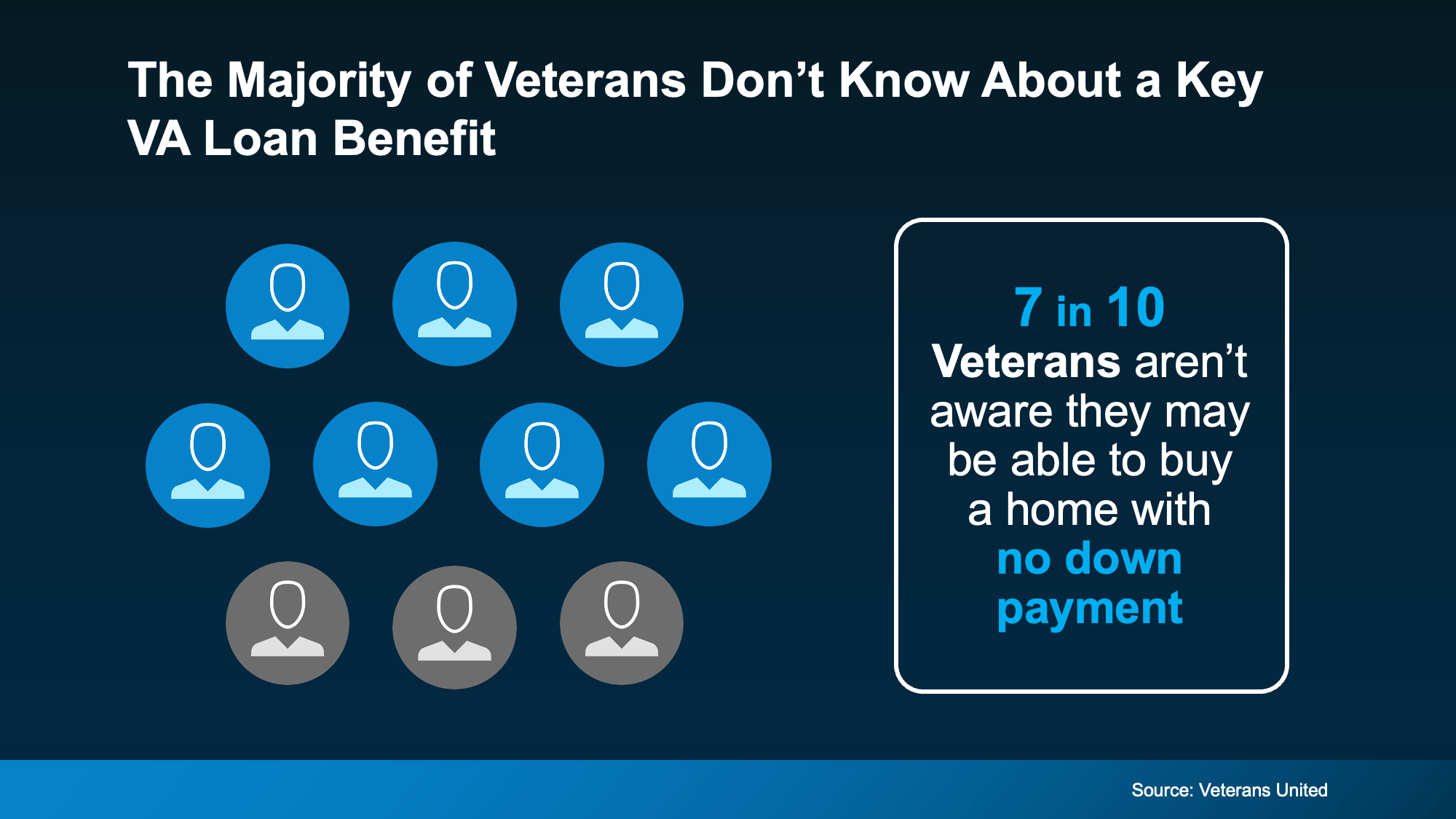
A veteran mortgage loan, most commonly referred to as a VA loan, is a specialized mortgage product guaranteed by the U.S. Department of Veterans Affairs (VA) and issued by private lenders. These loans provide eligible veterans, active-duty service members, and surviving spouses with competitive interest rates, no requirement for private mortgage insurance (PMI), and the ability to purchase a home with zero down payment.
The VA does not function as the lender; rather, it provides a "guaranty" to private institutions, such as banks, mortgage companies, or credit unions. This guaranty reduces the lender's risk of financial loss in the event of a borrower default, which in turn allows the lender to offer more favorable terms than those found in conventional loan products.
Eligibility and Service Requirements
Before initiating the application process, it is essential to determine if you meet the specific service requirements established by the VA. Eligibility is generally predicated on the length of service, duty status, and character of discharge.
Service members and veterans must typically meet one of the following criteria:
- Wartime Service: 90 days of active-duty service.
- Peacetime Service: 181 days of active-duty service.
- National Guard and Reserve: Six years of service in the Selected Reserve or National Guard.
- Surviving Spouses: Certain spouses of veterans who died while in service or from a service-connected disability may also be eligible.
It is a common misconception that eligibility is determined solely by the VA. While the VA establishes the guidelines, individual lenders often impose their own "overlay" requirements, such as specific credit score minimums or debt-to-income (DTI) ratio limits. Even if the VA guidelines allow for a particular credit score, a specific lender may require a higher score to mitigate their internal risk.
The Certificate of Eligibility (COE)
The Certificate of Eligibility (COE) is the formal document that proves to your lender that you have met the necessary service requirements to qualify for a VA-backed loan. Obtaining the COE is a foundational step that should ideally be completed before you begin house hunting.
You can request your COE through the following channels:
- Online: The fastest method is through the VA’s web portal, which often provides an immediate, printable certificate.
- Lender Assistance: Most VA-approved lenders have direct access to the VA’s automated system and can often pull your COE on your behalf within minutes.
- Mail: You may complete VA Form 26-1880 and mail it to the appropriate regional loan center, though this is the slowest method and can add weeks to your timeline.
The COE does not represent an approval for a specific loan amount; it merely confirms your entitlement to participate in the program.
Understanding the VA Funding Fee
One of the unique aspects of a VA mortgage is the Funding Fee. Unlike conventional loans that require a down payment to avoid mortgage insurance, the VA requires a one-time fee to help sustain the program for future veterans.
The amount of the fee is determined by several factors, including:
- Whether you have used your VA loan benefit previously.
- The amount of your down payment (if any).
- Your branch of service and category (e.g., National Guard vs. Active Duty).
Veterans who receive disability compensation from the VA are exempt from paying this fee. If you believe you are entitled to this exemption, you must provide your disability award letter to your lender during the underwriting process. Failure to disclose this early can lead to the fee being charged at closing, requiring a post-closing refund process that can take significant time to resolve.
Comparison of Loan Features
When evaluating your financing options, it is important to distinguish between VA loans and conventional or FHA alternatives.
| Feature | VA Loan | Conventional Loan | FHA Loan |
|---|---|---|---|
| Down Payment | 0% | 3% to 20%+ | 3.5% |
| Mortgage Insurance | None (Funding Fee applies) | Required if <20% down | Required (UFMIP + Annual) |
| Credit Requirements | Lender-specific | Generally higher | Generally more lenient |
| Property Standards | Strict (MPRs) | Standard appraisal | Moderate (MPS) |
| Interest Rates | Typically lower | Market-driven | Market-driven |
Minimum Property Requirements (MPRs)
The VA enforces strict Minimum Property Requirements (MPRs) to ensure that the home you are purchasing is safe, sound, and sanitary. Because the VA is guaranteeing the loan, they have a vested interest in the long-term viability of the collateral.
An appraiser tasked with a VA appraisal will check for specific issues, including but not limited to:
- Functioning heating and cooling systems.
- Adequate roofing and structural integrity.
- Safe and accessible electrical and plumbing systems.
- Lead-based paint hazards in homes built prior to 1978.
- Pest inspections in regions where infestations are common.
If the appraiser identifies violations of these requirements, the seller must generally correct the issues before the loan can proceed to closing. In competitive housing markets, this can sometimes make VA offers less attractive to sellers who prefer "as-is" transactions, though many sellers appreciate the reliability of VA-qualified buyers.
Navigating the Loan Application Process
The journey from application to closing involves several key stages. Understanding these steps can help prevent delays.
- Pre-Approval: Submit your income, asset, and credit documentation to a lender to determine your purchasing power.
- Home Search: Work with a real estate agent who is familiar with the VA process to find properties that meet the MPRs.
- Loan Application: Once under contract, the formal loan application is processed.
- Underwriting: The lender verifies your documentation, and the appraisal is ordered.
- Clear to Close: Once all conditions are met and the VA provides its final sign-off, you will receive your Closing Disclosure.
- Closing: You sign the final documents and take ownership.
Common Pitfalls and Troubleshooting
A primary source of frustration for borrowers is the "reconsideration of value" or issues that arise during the appraisal. If an appraiser undervalues the property, your loan amount—which is based on the lesser of the sales price or the appraised value—may be insufficient to cover the purchase price. In such cases, you can ask for a reconsideration of value if you have evidence of comparable sales that the appraiser may have missed.
Another common issue involves DTI ratios. While the VA does not set a hard maximum DTI, lenders usually cap this at 41%. If your debt obligations—including student loans, car payments, and credit card debt—exceed this, your lender may ask you to pay down debts or secure a co-signer to qualify.
Frequently Asked Questions
Can I use my VA loan more than once? Yes. The VA loan is a "reusable" benefit. If you sell your home and pay off the loan in full, or if you refinance into a conventional loan, your entitlement is restored. You can even have two active VA loans simultaneously under certain circumstances, provided you have sufficient "remaining entitlement."
Do I need a high credit score to get a VA loan? The VA does not set a minimum credit score. However, most private lenders look for a score of at least 620. If your credit score is lower, you may still qualify with some lenders, but you may face stricter documentation requirements regarding your financial history.
Are there limits on how much I can borrow? Since 2020, the VA does not have a formal limit on the loan amount for veterans with full entitlement. However, lenders may still have internal caps based on your income and the borrower's ability to repay. If you have "partial entitlement" (because you have a loan currently out), there may be limits on the amount you can borrow without a down payment.
Can I use a VA loan to buy a fixer-upper? Standard VA loans are intended for move-in-ready properties. If you wish to purchase a property that requires significant renovations, you may need to look into a VA Renovation Loan, which allows you to include the cost of repairs in the mortgage amount. Note that fewer lenders offer this specific product.
What happens if I cannot make my mortgage payments? If you face financial hardship, contact your mortgage servicer immediately. The VA offers extensive loss mitigation assistance and works closely with lenders to help veterans avoid foreclosure, including loan modifications, repayment plans, and forbearance options.
Next Steps and Practical Guidance
Your first step toward utilizing your benefit should be gathering your DD-214 or Statement of Service. If you are currently serving, your commander or personnel office can provide the necessary documentation.
Once you have your service proof, reach out to a lender who has a dedicated VA loan division. Ask them specifically about their experience with VA loans rather than just general mortgage products. The nuances of the appraisal process and the specific documentation required for military income—such as Basic Allowance for Housing (BAH) or hazard pay—require a lender who is well-versed in VA-specific underwriting guidelines. By preparing your documentation early and choosing an experienced lending partner, you can ensure a smoother path to homeownership.
Image Gallery
Select an image to open it in a new tab.
Vivian Cho
Executive IT and Emerging Technologies Reporter
