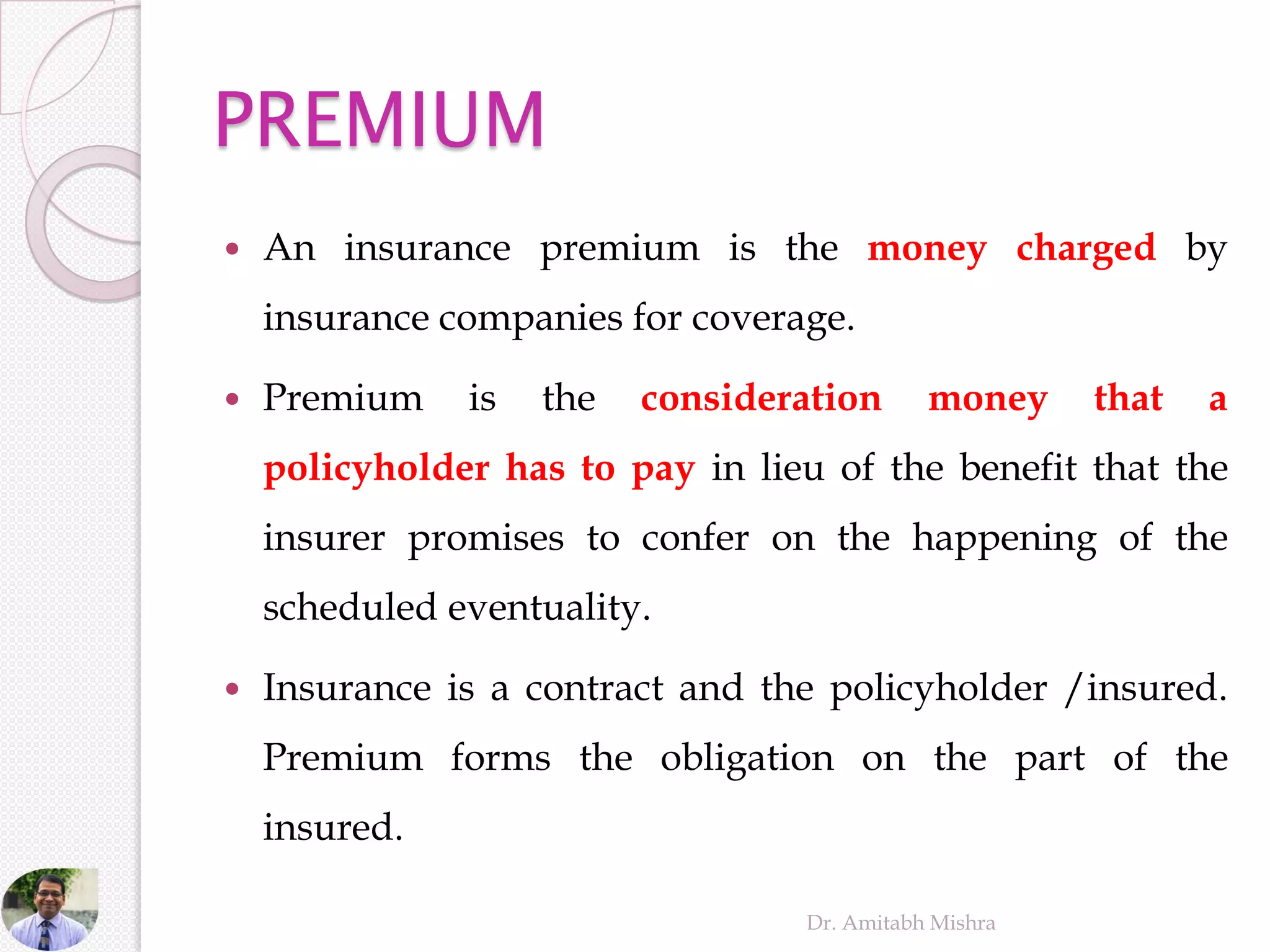
When a life insurance company continues to charge a premium after the policyholder has passed away, it usually points to a breakdown in administrative communication, automatic payment processing, or the reporting timeline. Resolving this requires notifying the insurer with official documentation, requesting a formal refund of the overpayment, and confirming that the policy status has been properly updated to closed or paid-up.
Discovering that a financial institution or insurance provider has drawn funds from a deceased person's bank account or credit card after their passing can be deeply distressing. Executors, administrators, and surviving family members already face a heavy operational burden when settling an estate. Dealing with unauthorized or post-mortem premium deductions adds unnecessary friction to the probate and administrative process. Understanding why this happens, how insurance companies process death notifications, and what steps to take to secure a refund can help resolve the issue efficiently.
Understanding Why Post-Mortem Premiums Occur
To correct a post-mortem billing error, it is helpful to understand the underlying mechanics that cause life insurance companies to continue drafting premiums after a policyholder dies. Insurance companies do not automatically learn of a policyholder's death the moment it occurs. They rely on formal notification from the executor, family members, or automated death-record searches such as the Social Security Death Index (SSDI).
In many cases, the timing mismatch between the date of death and the processing date of the notification causes a billing cycle to run automatically. If a policy is tied to an automatic payment system—such as Pre-Authorized Debits (PAD) from a checking account, a recurring credit card charge, or an employer-sponsored deduction—the payment will continue to withdraw funds until the billing agreement is explicitly canceled or the insurer updates the account status in their internal database.
Furthermore, if the death occurs close to the premium due date, the system may generate a bill or execute an electronic withdrawal before the customer service department receives the death certificate. While administrative lag is the most common reason, understanding the operational limitations of insurers helps families approach the resolution process with clear expectations and proper documentation.
Immediate Steps to Stop Ongoing Charges
When you notice that a life insurance company has charged a premium after a death, immediate action is required to prevent further withdrawals and initiate the recovery process. Waiting for the insurer to catch up administratively can result in multiple months of unauthorized charges, complicating the accounting work required for the estate.
1. Contact the Financial Institution Directly
If the premiums are being deducted automatically from a bank account, contact the bank or credit union immediately. You can issue a stop-payment order on the specific recurring ACH (Automated Clearing House) transfer or merchant ID associated with the insurance company. If the charges are on a credit card, notify the issuer that the cardholder is deceased and request a freeze on recurring charges from that provider.
2. Notify the Insurance Company's Claims Department
Do not rely solely on customer service representatives or local agents. Contact the home office's claims or policy administration department. Inform them explicitly that the insured has passed away and that you are initiating a death claim or finalizing an existing one. Ask for a specific representative or case manager handling the file to ensure accountability.
3. Request Written Confirmation of Policy Status
Ask the insurance company to provide written documentation confirming the exact date of death recorded in their system, the status of the policy, and the accounting ledger showing all premiums paid after that date. This paper trail is vital for both the estate's accounting and any subsequent disputes.

Required Documentation to Process the Refund
Insurance companies cannot issue a refund of post-mortem premiums based solely on a verbal phone call. They require specific legal and administrative documents to verify the policyholder's passing and ensure that any refunded funds are directed to the correct legal entity, such as the estate, the beneficiary, or the surviving joint account holder.
- Certified Copy of the Death Certificate: This is the primary document required by all financial and insurance institutions. It establishes the legal date of death, which serves as the cutoff point for all financial obligations under the policy.
- Letters Testamentary or Letters of Administration: If you are acting as the executor or personal representative of the estate, you will need these court-issued documents to legally demand and receive funds on behalf of the deceased.
- Completed Claim Forms: Most insurers require their proprietary death claim forms to be filled out and signed by the designated beneficiary or estate representative.
- Proof of Payment: Bank statements or credit card statements highlighting the exact dates and amounts of the post-mortem premium charges help expedite the accounting review.
| Document Type | Primary Purpose | Who Issues It |
|---|---|---|
| Death Certificate | Establishes the legal date and cause of death | Vital Statistics Office / Government Agency |
| Letters Testamentary | Grants legal authority to the estate executor | Probate Court |
| Claim Form | Officially triggers policy payout and account settlement | The Insurance Company |
| Bank Statement | Verifies post-mortem premium deductions | The Deceased's Financial Institution |
How Life Insurance Accounting Handles Post-Mortem Premiums
A common concern among executors is whether paying a premium after death affects the death benefit payout. In standard practice, if a premium is charged and collected after the official date of death, the insurance company is obligated to refund that money. Because the insurance contract terminates upon the death of the insured, the company has no legal right to collect premiums for coverage periods after that date.
When the death benefit is calculated, the insurer will typically audit the account ledger. If premiums were accidentally paid beyond the date of death, the company generally handles this in one of two ways:
- Direct Refund Check: The insurer issues a separate refund check payable to the estate of the deceased or the designated beneficiary for the exact amount of the overpaid premiums.
- Offset Adjustment: If the claim is still being processed, the insurer may add the overpaid premium amount directly to the final death benefit payout check.
It is important to review the final settlement statement provided by the insurer to verify that post-mortem premiums were not simply retained by the company. If you spot discrepancies, reference your bank records and request a formal ledger breakdown from the company's compliance or accounting department.
Common Mistakes to Avoid When Dealing with Insurers
Navigating post-mortem financial clean-up can be overwhelming, and certain missteps can delay refunds or create legal complications for the estate. Avoiding these pitfalls ensures a smoother resolution process.
- Closing Accounts Too Early: While stopping automatic payments is necessary, closing the deceased person's bank account entirely before all outstanding checks have cleared or before the insurance company has processed the refund can trap funds or cause administrative gridlock. Ensure alternative arrangements for receiving the refund are established first.
- Ignoring Small Charges: Some families overlook small monthly premium deductions, assuming it is not worth the hassle. However, unaddressed recurring charges can accumulate over months, creating accounting discrepancies during probate.
- Failing to Keep Records: Always document every phone call, including the date, time, representative name, and reference number. Send written correspondence via certified mail with a return receipt requested when dealing with disputed charges.
- Assuming Auto-Pay Stops Automatically: Do not assume that notifying a local bank branch or a general customer service line will instantly sever electronic payment linkages. Always verify with both the bank and the merchant.
What to Do If the Insurance Company Refuses to Refund
In rare instances, an insurance company may drag its feet or resist refunding premiums charged after the date of death, often citing administrative policies or delays in receiving the death certificate. If you encounter prolonged resistance or unresponsive customer service, you have several formal avenues of recourse.
First, escalate the issue to a supervisor or the company’s compliance officer in writing. Cite the exact date of death and attach copies of the death certificate and the bank statements showing the unauthorized withdrawals. Remind them that collecting premiums on a contract that terminated upon death constitutes an improper retention of funds.
If the insurance company remains uncooperative, you can file a formal complaint with your state’s Department of Insurance or the equivalent regulatory body in your jurisdiction. State insurance commissioners regulate licensed insurers and have the authority to investigate consumer complaints, audit billing practices, and compel companies to issue rightful refunds. Providing the regulatory agency with a clear paper trail—including dates, certified mail receipts, and copies of the disputed bills—will significantly strengthen your case. For complex estates involving large sums or contested policies, consulting an estate attorney or probate professional may also be advisable.
Image Gallery
Select an image to open it in a new tab.
Omar Farooq
EdTech Innovation and Virtual Pedagogy Journalist
