John Deere's Evolution Through Time: From Blacksmith Shop to Global Agricultural Technology Leader
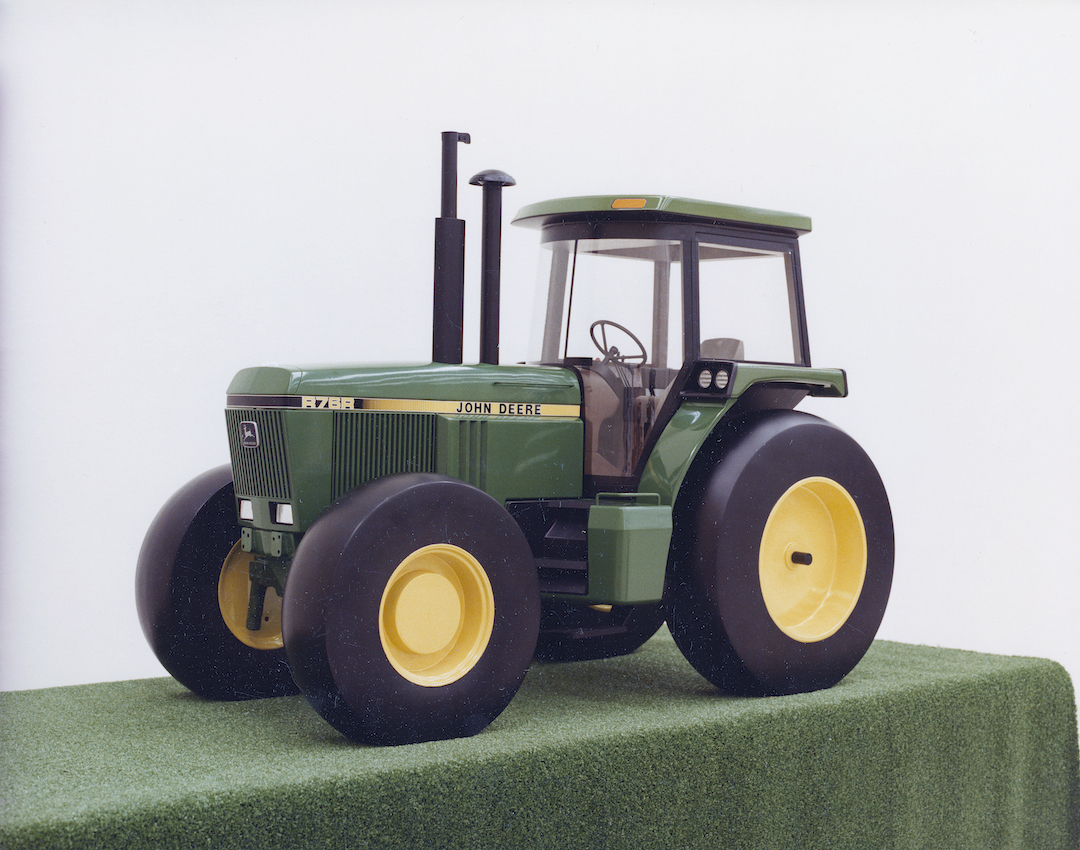
John Deere’s evolution through time spans nearly two centuries, transforming a humble Illinois blacksmith shop into a global agricultural and industrial technology powerhouse. Driven by continuous innovation, strategic acquisitions, and an unwavering commitment to quality, the company revolutionized farming through landmark inventions like the self-scouring steel plow, transitioned from steam to gasoline power, pioneered modern diesel tractors, and ultimately led the digital agriculture revolution with advanced precision farming and autonomous machinery.
The Origins: The Blacksmith and the Self-Scouring Plow (1837–1870s)
The history of Deere & Company begins in Grand Detour, Illinois, in 1837, when a blacksmith named John Deere recognized a major operational hurdle faced by pioneer farmers. The rich, sticky prairie soil of the American Midwest clung stubbornly to the traditional cast-iron plows brought from the rocky soils of the Eastern United States. Farmers were forced to stop every few yards to scrape the mud from their moldboards, severely limiting productivity and delaying planting schedules.
Drawing on his expertise as a blacksmith, Deere evaluated the problem and realized that a plow with a highly polished surface and the proper curvature would allow the sticky soil to slide off cleanly as it moved forward. In 1837, using a broken steel sawmill blade, he designed and manufactured the world's first commercially successful self-scouring steel plow.
This breakthrough innovation transformed agricultural efficiency across the frontier. By reducing friction and preventing soil buildup, farmers could plow acres of tough prairie land in a fraction of the time. To meet surging demand, Deere relocated his operations to Moline, Illinois, in 1848, taking advantage of water power from the Mississippi River and superior transportation access. By the late 1850s, the company was producing thousands of plows annually, laying a sturdy industrial foundation for what would become a multi-national corporation.
Transitioning to Mechanical Power: Steam, Gasoline, and the Tractor Era (1890s–1930s)
As agriculture modernized at the turn of the 20th century, animal power gave way to mechanical propulsion. John Deere entered the tractor market gradually, initially experimenting with steam-powered traction engines before recognizing that lighter, more versatile internal combustion engines were the future of farming.
A pivotal milestone occurred in 1918 when Deere & Company purchased the Dain Manufacturing Company, which had been developing a gas tractor. Soon after, in 1923, Deere introduced the John Deere Model D. The Model D became a massive commercial success, remaining in continuous production for 30 years and establishing the brand's reputation for rugged, dependable tractor manufacturing.
During this era, John Deere also solidified its iconic aesthetic and mechanical identity. In 1918, the company acquired the Waterloo Gasoline Engine Company in Waterloo, Iowa—the producer of the famous Waterloo Boy tractor. This acquisition provided Deere with immediate manufacturing capacity in the tractor sector.
Throughout the late 1920s and 1930s, the company refined its two-cylinder engine design, known distinctively for its characteristic "pop-pop" sound and high torque at low speeds. These tractors, including the iconic "Letter Series" introduced in the late 1930s (such as the models A, B, and G), provided row-crop farmers with adjustable wheel spacings and reliable power through the challenges of the Great Depression.
Post-War Expansion, Modern Power, and Diversification (1940s–1980s)
The post-World War II economic boom spurred rapid technological modernization across American industry. In 1960, John Deere executed one of the most ambitious engineering transitions in corporate history: the simultaneous replacement of its traditional two-cylinder tractor line with an entirely new generation of multi-cylinder, high-horsepower tractors. Known as the New Generation of Power, these tractors featured advanced four- and six-cylinder engines, closed-center hydraulic systems, and ergonomic operator stations designed for safety and comfort.
| Era / Decade | Key Technological Milestone | Representative Product / Innovation | Significance |
|---|---|---|---|
| 1837 | Self-Scouring Steel Plow | Steel Moldboard Plow | Solved the sticky prairie soil problem and founded the company. |
| 1923 | Internal Combustion Power | John Deere Model D | First major proprietary tractor to achieve long-term commercial success. |
| 1960 | Multi-Cylinder Engineering | New Generation Tractors (e.g., Model 4010) | Replaced the legacy two-cylinder line with modern multi-cylinder engines and hydraulics. |
| 1990s–2000s | Satellite Guidance Integration | GreenStar Precision Farming Systems | Introduced GPS technology to optimize field mapping, steering, and chemical application. |
| 2020s | Autonomous Agriculture | 8R Autonomous Tractor & See & Spray | Automated field operations and computer-vision herbicide application. |
Alongside agricultural tractors, Deere expanded its product portfolio significantly during the mid-20th century. The company entered the industrial and construction equipment market in the late 1950s, producing backhoes, crawlers, and loaders that helped build modern infrastructure. Furthermore, Deere acquired various agricultural implement manufacturers, allowing the company to offer a complete suite of machinery—from planters and tillage tools to self-propelled combine harvesters capable of managing vast acreage.
The Digital Revolution: Precision Farming and Automation (1990s–Present)
As computing power advanced and global satellite infrastructure matured, John Deere shifted from a traditional machinery manufacturer into a technology-driven enterprise. The introduction of precision agriculture in the 1990s redefined farm management by integrating Global Positioning Systems (GPS) with heavy machinery.
GreenStar and Guidance Technologies
Deere introduced its proprietary GreenStar precision farming system, which allowed farmers to map field yields, monitor soil conditions, and track machinery paths with unprecedented accuracy. Automatic steering systems, such as AutoTrac, drastically reduced operator fatigue, eliminated overlap during planting and spraying, and optimized fuel efficiency by ensuring straight, repeatable pass-to-pass accuracy.
Modern Telematics: JDLink
In the 21st century, connectivity transformed equipment management. JDLink telematics enabled real-time machine data transmission, allowing farm managers and dealers to monitor engine performance, fuel consumption, and operational location remotely. This data connectivity facilitated proactive maintenance, reducing costly downtime during critical planting and harvest windows.
Autonomous Machinery and Artificial Intelligence
Entering the advanced technology era, John Deere unveiled fully autonomous tractors and AI-powered crop care systems. The autonomous 8R tractor, equipped with stereoscopic cameras and neural networks, operates without a human in the cab, handling heavy tillage operations safely. Simultaneously, technologies like See & Spray utilize high-speed computer vision to distinguish between crops and weeds in real time, applying herbicide exclusively to weeds and reducing chemical usage by a substantial margin.
Summary of Historical Milestones and Strategic Acquisitions
John Deere's long-term success stems not only from internal research and development but also from strategic corporate expansions. Key milestones in this trajectory include:
- 1837: John Deere opens his first blacksmith shop in Grand Detour, Illinois.
- 1868: The enterprise is officially incorporated as Deere & Company.
- 1918: Acquisition of the Waterloo Gasoline Engine Company anchors Deere's position in tractor manufacturing.
- 1931: Introduction of the John Deere diesel tractor engine lineup, providing high torque and fuel economy.
- 1960: Launch of the "New Generation of Power" tractors, modernizing the company's agricultural offerings.
- 1999: Acquisition of Timberjack, expanding Deere's footprint in forestry equipment.
- 2017: Acquisition of Blue River Technology, accelerating capabilities in machine learning, artificial intelligence, and precision weed control.
Frequently Asked Questions
Why is the John Deere logo green and yellow?
The iconic colors of John Deere equipment—traditionally referred to as "John Deere Green" and "John Deere Yellow"—became standardized in the mid-20th century. While early tractors featured various color schemes (including gray and green), the modern green body with yellow wheels and trim was fully established to create a strong, recognizable brand identity across agricultural and industrial markets.
When did John Deere introduce the iconic leaping deer trademark?
The leaping deer trademark was first registered in 1876, making it one of the oldest continuously used corporate logos in the United States. Over the decades, the graphic has been stylized and modernized, but the core image of the deer bounding over a log has remained a consistent symbol of quality and endurance.
How did the Waterloo Boy acquisition shape John Deere's future?
Purchased in 1918, the Waterloo Gasoline Engine Company gave John Deere an immediate, market-ready tractor design at a time when farmers were rapidly transitioning away from animal power. This acquisition prevented Deere from having to design a gas tractor completely from scratch and secured its competitive standing against rivals like International Harvester.
What is precision agriculture, and how does John Deere implement it?
Precision agriculture involves using digital technologies—such as GPS, IoT sensors, telematics, and machine learning—to optimize crop yields and reduce resource inputs like water, fertilizer, and fuel. John Deere implements this through integrated hardware ecosystems like StarFire receivers and software platforms like the John Deere Operations Center.
Can older John Deere tractors still be repaired and maintained?
Yes. One of the reasons vintage John Deere tractors (such as the two-cylinder Letter Series or the New Generation models) remain popular among collectors and working smallholders is the robust availability of replacement parts, aftermarket support, and detailed service manuals.
Conclusion and Next Actions
John Deere’s evolution through time illustrates a rare corporate longevity achieved by anticipating industrial shifts rather than reacting to them. From the pioneering steel plow of 1837 to modern autonomous and AI-driven implements, the company has consistently aligned engineering innovation with the practical needs of agricultural producers. To explore further, examine current precision agriculture software platforms, research archival agricultural history collections, or visit agricultural museums to view operational restorations of classic Deere machinery.
Image Gallery
Select an image to open it in a new tab.
Celine Dubois
Contemporary Living and Global Arts Columnist
