A Comprehensive Guide to The Landmark Hotel in London: History, Architecture, and Luxury Hospitality

The Landmark Hotel in London is a historic, five-star luxury grand hotel located in Marylebone, renowned for its iconic eight-story glass-roofed central atrium, exceptional culinary offerings, and prestigious Victorian railway-hotel architecture that bridges classic British elegance with modern hospitality standards.
Introduction to The Landmark Hotel in London
When discussing legendary luxury accommodations in the British capital, The Landmark Hotel in London stands out as a masterpiece of Victorian Gothic architecture and refined service. Situated on Marylebone Road in the City of Westminster, this grand property occupies a unique niche in London’s hospitality landscape. Originally built as one of the great late-19th-century railway hotels, it has evolved through various iterations—including a stint as a government office building during and after the Second World War—before reclaiming its status as a premier luxury destination.
For travelers, architectural enthusiasts, and those seeking traditional English afternoon tea experiences, understanding the hotel’s layout, amenities, historical significance, and operational practicalities ensures an informed visit. This guide explores the multifaceted nature of The Landmark Hotel in London, examining its historical foundations, architectural highlights, room and suite categories, culinary destinations, wellness facilities, and essential planning details.
Historical Origins: The Great Central Hotel Era
The story of The Landmark Hotel begins during the height of the Victorian railway boom. To understand its grand scale, one must look at the ambitions of the Manchester, Sheffield and Lincolnshire Railway (later known as the Great Central Railway), led by its dynamic chairman, Sir Edward Watkin. Watkin envisioned an ambitious extension that would bring the railway directly into the heart of London, terminating at a brand-new station in Marylebone.
To accommodate wealthy passengers, international travelers, and dignitaries arriving on the newly minted railway line, railway companies routinely built palatial hotels directly adjacent to their termini. The Great Central Hotel was commissioned to fulfill this role. Designed by the prominent Victorian architect Colonel Robert William Edis, construction began in 1893, and the hotel officially opened its doors on July 1, 1899.
Architectural Ambitions and Edis's Vision
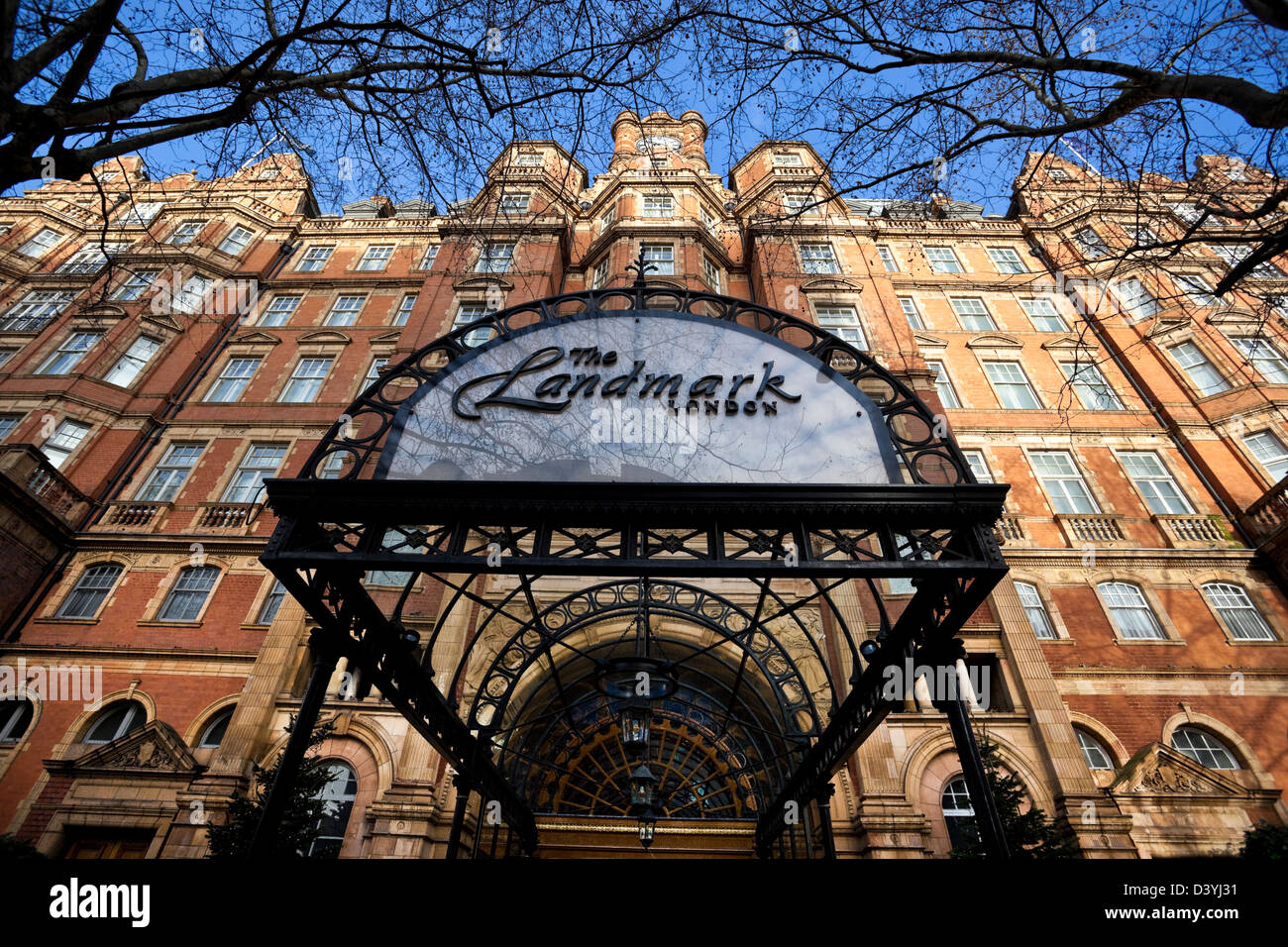
Colonel Edis designed the building in the flamboyant Gothic Revival style, heavily influenced by French and Italian Renaissance architecture. The exterior features striking red brickwork, Portland stone dressings, intricate terracotta detailing, and steeply pitched roofs. The intent was to project corporate power, modern luxury, and undeniable prestige.
However, the timing of the hotel's opening coincided with shifting economic currents and transport patterns. While the railway and the hotel enjoyed periods of success, the Great Central Hotel faced financial pressures, changing ownership several times over the subsequent decades.

Wartime Requisition and the Post-War Decline
The twentieth century brought sweeping changes to London, and The Landmark Hotel—like many grand railway properties—was profoundly impacted by global conflict and urban redevelopment.
World War II and Government Offices
Following the outbreak of the Second World War in 1939, the grand public spaces and guest rooms of the Great Central Hotel were requisitioned by the British government. The building was converted into administrative offices for the Railway Executive Committee and later served various government departments.
The transition from a luxury hotel to a bureaucratic office building altered the interior layout significantly. Many of the ornate public rooms were partitioned into smaller workspaces, and the magnificent central courtyard—which would later become the defining feature of the hotel—was subjected to various alterations to accommodate desks, filing cabinets, and staff.
The Threat of Demolition
After the war, the building was purchased by British Railways, but it was no longer deemed economically viable as a hotel. In 1986, British Railways sold the property. For a period, the structure faced an uncertain future, with developers eyeing the prime Marylebone real estate for potential demolition or total commercial redevelopment.
Fortunately, heritage preservationists and planning authorities recognized the architectural significance of Edis's design. The building was granted Grade II listed status, shielding it from destruction and setting the stage for a meticulous, multi-million-pound restoration project that would return the landmark to its original hospitality purpose.
Restoration and Rebirth as The Landmark London
The modern era of the property began when the JA Resorts & Hotels group acquired the building and initiated a comprehensive restoration program to convert it back into a world-class luxury hotel.
The restoration required immense craftsmanship. Artisans worked to restore the exterior stonework, intricate plaster moldings, and ironwork, while modernizing the mechanical, electrical, and plumbing infrastructure to meet contemporary five-star expectations. On July 1, 1993—almost exactly 94 years after its original debut—the property reopened under its current identity: The Landmark Hotel in London.
The Architectural Heart: The Glass Atrium
The defining architectural feature of The Landmark Hotel is its eight-story glass-roofed central courtyard, known simply as the Atrium. Originally designed as an open-air carriage courtyard where horse-drawn cabs could drop off affluent guests sheltered from the British weather, the space was enclosed during the 1993 restoration with a massive glass roof.
Today, this soaring atrium serves as the social and visual anchor of the hotel. Towering palm trees rise from the floor toward the glass ceiling, bathing the space in natural daylight. Surrounding the atrium are the tiered, open-air style corridors of the guest room floors, creating an airy, Mediterranean-style courtyard atmosphere in the middle of Victorian London.
Accommodation: Rooms and Suites
The hotel features a total of 300 guest rooms and suites, making it one of the larger luxury properties in central London while maintaining an intimate, boutique service ethos through attentive staff-to-guest ratios.
Room Categories and Design
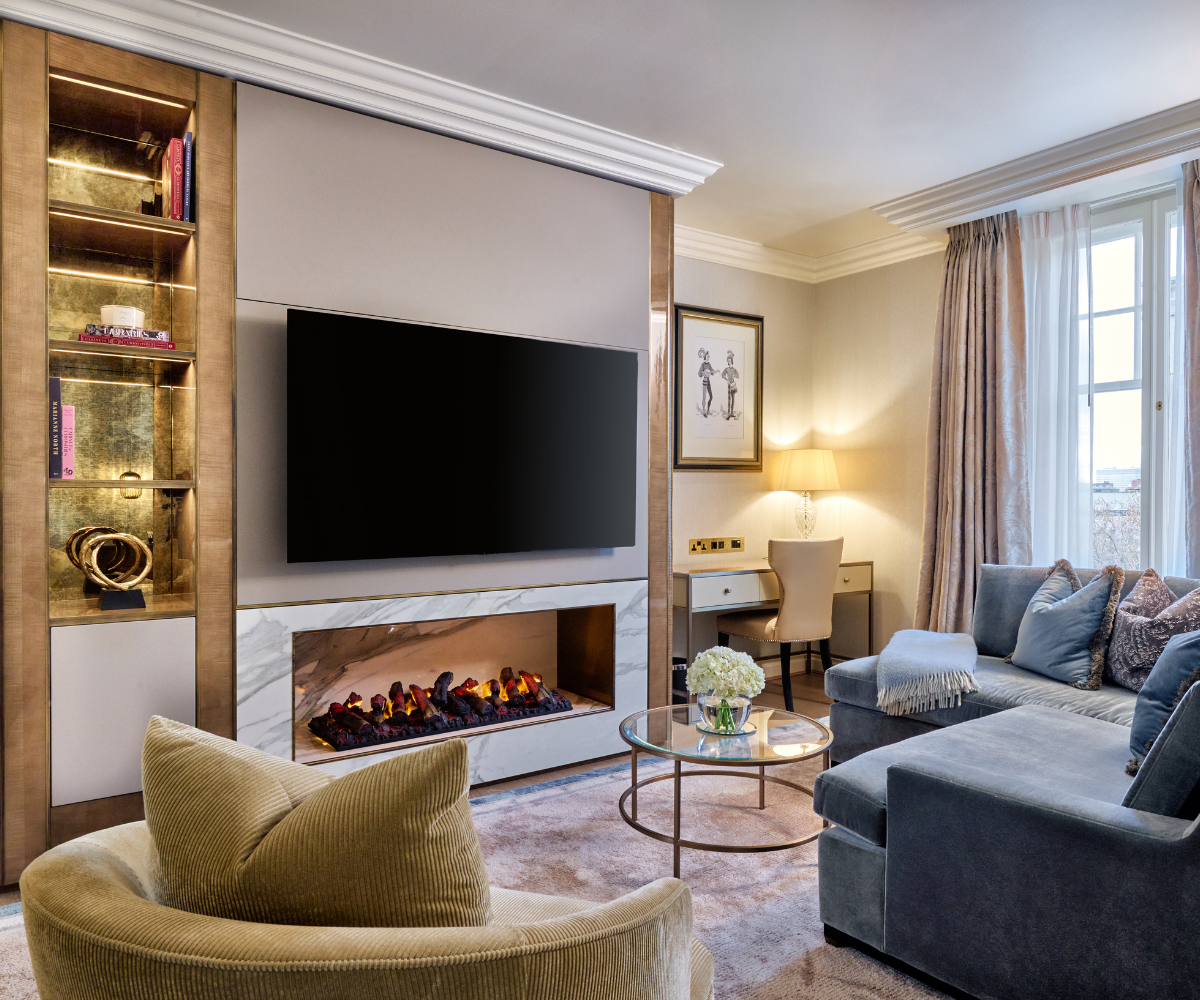
Guest accommodations are divided into several distinct categories, ranging from superior and deluxe rooms to expansive executive suites and specialty penthouses. The interior design blends classic English country house elegance with contemporary comfort. Muted color palettes, rich fabrics, polished wood accents, and classic artwork define the aesthetic.
- Superior and Deluxe Rooms: Typically ranging in size from modest city-view spaces to more generous footprints, these rooms offer comfortable king or twin bedding, marble-tiled bathrooms with deep soaking tubs and separate walk-in showers, and modern entertainment systems.
- Executive Rooms: Providing additional square footage, executive rooms often include seating areas and enhanced workspace amenities, appealing to both corporate travelers and leisure guests seeking extra room to unwind.
- Atrium-Facing Rooms: A unique feature of the hotel is its collection of rooms that look directly inward onto the glass atrium. While exterior rooms offer views of Marylebone or North London, atrium-facing rooms provide a charming, sheltered vantage point overlooking the palm trees and the bustling activity below.
Luxury Suites
For guests requiring residential-scale luxury, The Landmark London offers a curated selection of suites, including the Marylebone Suite, the Dorchester Suite, and the magnificent Presidential Suite. These accommodations feature separate living rooms, spacious master bedrooms, upgraded marble bathrooms with premium luxury bath amenities, and personalized butler service upon request.
Culinary Experiences
Dining at The Landmark Hotel in London is a central component of the guest experience, drawing both international visitors and local Londoners.
The Winter Garden Restaurant
Located directly beneath the soaring glass atrium, The Winter Garden Restaurant is the hotel's signature dining venue. Flanked by towering palm trees, the restaurant provides an open, luminous setting for breakfast, lunch, dinner, and the hotel's famed afternoon tea.
The menu focuses on modern European cuisine, utilizing seasonal British ingredients, sustainable seafood, and carefully sourced meats. Dishes are crafted with precision, balancing classic culinary techniques with contemporary flavor profiles.
Afternoon Tea Tradition
The Landmark London is widely recognized across the capital for its traditional Afternoon Tea, served daily beneath the palms of the Winter Garden. The experience adheres to classic British customs while incorporating modern pastry artistry.
- The Savory Selection: Artisanal finger sandwiches featuring traditional fillings such as cucumber and cream cheese, smoked Scottish salmon, Wiltshire ham with grain mustard, and free-range egg mayonnaise with cress.
- The Scones: Freshly baked plain and sultana scones served warm, accompanied by artisanal clotted cream and strawberry preserve.
- The Pastries: A rotating selection of delicate, handcrafted patisserie items designed by the hotel's executive pastry chef.
- The Tea Menu: A comprehensive list of loose-leaf teas sourced from around the world, including rare white teas, robust black teas, delicate oolongs, and herbal infusions.
The Mirror Bar and Great Central Bar & Restaurant
For pre-dinner cocktails, nightcaps, or casual daytime meetings, the hotel provides sophisticated social spaces:
- The Mirror Bar: An intimate, glamorous lounge featuring mirrored walls, plush velvet seating, and an extensive cocktail menu featuring classic mixes alongside bespoke, seasonal creations crafted by expert mixologists.
- The Great Central Bar & Restaurant: Offering a more relaxed atmosphere, this venue pays homage to the building's railway heritage, serving classic comfort foods, artisan burgers, and a robust selection of international wines and craft beers.
Wellness, Spa, and Leisure Facilities
To complement its culinary and accommodation offerings, The Landmark London houses a comprehensive wellness club designed for relaxation and fitness.
The Spa at The Landmark
The subterranean spa facility provides a tranquil escape from the bustling streets of Marylebone. It features a range of holistic treatments, massages, facials, and body therapies utilizing premium skincare product lines. Treatment rooms are designed with soothing lighting and minimalist aesthetics to promote deep relaxation.
Health Club and Swimming Pool
At the core of the wellness center is a 15-meter chlorine-free indoor swimming pool, a rarity among historic central London hotels. Surrounding the pool area are relaxation loungers, a steam room, a sauna, and a fully equipped gymnasium featuring modern cardiovascular and strength-training equipment, alongside private fitness consultation and personal training services.
Practical Planning and Guest Logistics
Visiting or staying at The Landmark Hotel requires an understanding of standard operational guidelines, location benefits, and logistical considerations.
Location and Accessibility
The hotel is situated in Marylebone, an upscale central London neighborhood known for its Georgian architecture, independent boutiques, and village-like atmosphere, while remaining within easy walking distance of major commercial hubs.
| Transport Mode | Proximity / Access Details |
|---|---|
| Underground (Tube) | Marylebone Station (Bakerloo Line) is directly adjacent; Baker Street Station (Jubilee, Bakerloo, Metropolitan, Circle, and Hammersmith & City lines) is a 3-minute walk. |
| Rail (National) | Marylebone mainline station provides direct links to the Chiltern Hills and Birmingham; Paddington Station (Heathrow Express) is a short taxi ride away. |
| Airports | London Heathrow (LHR) is approximately 45–60 minutes by taxi or via the Heathrow Express to Paddington; London City (LCY) and Gatwick (LGW) are accessible via rail connections. |
| Local Attractions | Regent’s Park and Sherlock Holmes Museum are within a 5-minute walk; Oxford Street and Madame Tussauds are within 10 minutes. |
Dress Codes and Policies
- Dining and Afternoon Tea: Smart casual attire is recommended for the Winter Garden Restaurant and the Mirror Bar. Sportswear, beachwear, and excessively casual clothing are discouraged, particularly during afternoon tea and dinner service.
- Reservations: Advance booking is strongly recommended for afternoon tea and dinner at the Winter Garden, as weekend slots often book out weeks or months in advance.
- Check-in / Check-out: Standard check-in time is typically 3:00 PM, and check-out is expected by 12:00 PM, though luggage storage and concierge assistance are available for early arrivals or late departures.
Frequently Asked Questions
What architectural style is The Landmark Hotel in London?
The hotel is designed in the Victorian Gothic Revival style, featuring red brickwork, Portland stone dressings, terracotta ornamentation, and steep pitched roofs, designed by architect Colonel Robert William Edis in the late nineteenth century.
Can non-residents book Afternoon Tea at The Landmark London?
Yes. Afternoon tea at the Winter Garden Restaurant is open to both hotel guests and non-residents, though advance reservations are essential due to high demand.
Is there a swimming pool at the hotel?
Yes, The Landmark London features a 15-meter indoor chlorine-free swimming pool located within its subterranean spa and health club facility, alongside a steam room, sauna, and modern gym.
How close is the hotel to public transport?
The hotel is exceptionally well-connected. Marylebone Station (Bakerloo Line and National Rail) is directly next to the property, and Baker Street Station, serving five different underground lines, is a short walk away.
Was the building always a hotel?
While built as the Great Central Hotel in 1899, the building was requisitioned by the British government during World War II for administrative offices and remained in official use until the late 1980s before being fully restored and reopened as a luxury hotel in 1993.
Conclusion and Recommendations
The Landmark Hotel in London successfully bridges the gap between historic grandeur and contemporary five-star luxury. From its magnificent glass-roofed atrium and palm-filled Winter Garden to its heritage-rich Marylebone location, the property offers a distinct hospitality experience.
For travelers planning a stay, booking an atrium-facing room provides a quintessential Landmark experience, while visitors seeking a classic London tradition should secure reservations for the afternoon tea well in advance. Whether visiting for a weekend getaway, a celebratory meal, or a corporate retreat, the hotel remains a pillar of refined British hospitality.
Image Gallery
Select an image to open it in a new tab.

Mateo Castillo
Decentralized Finance and E-Payments Strategist
