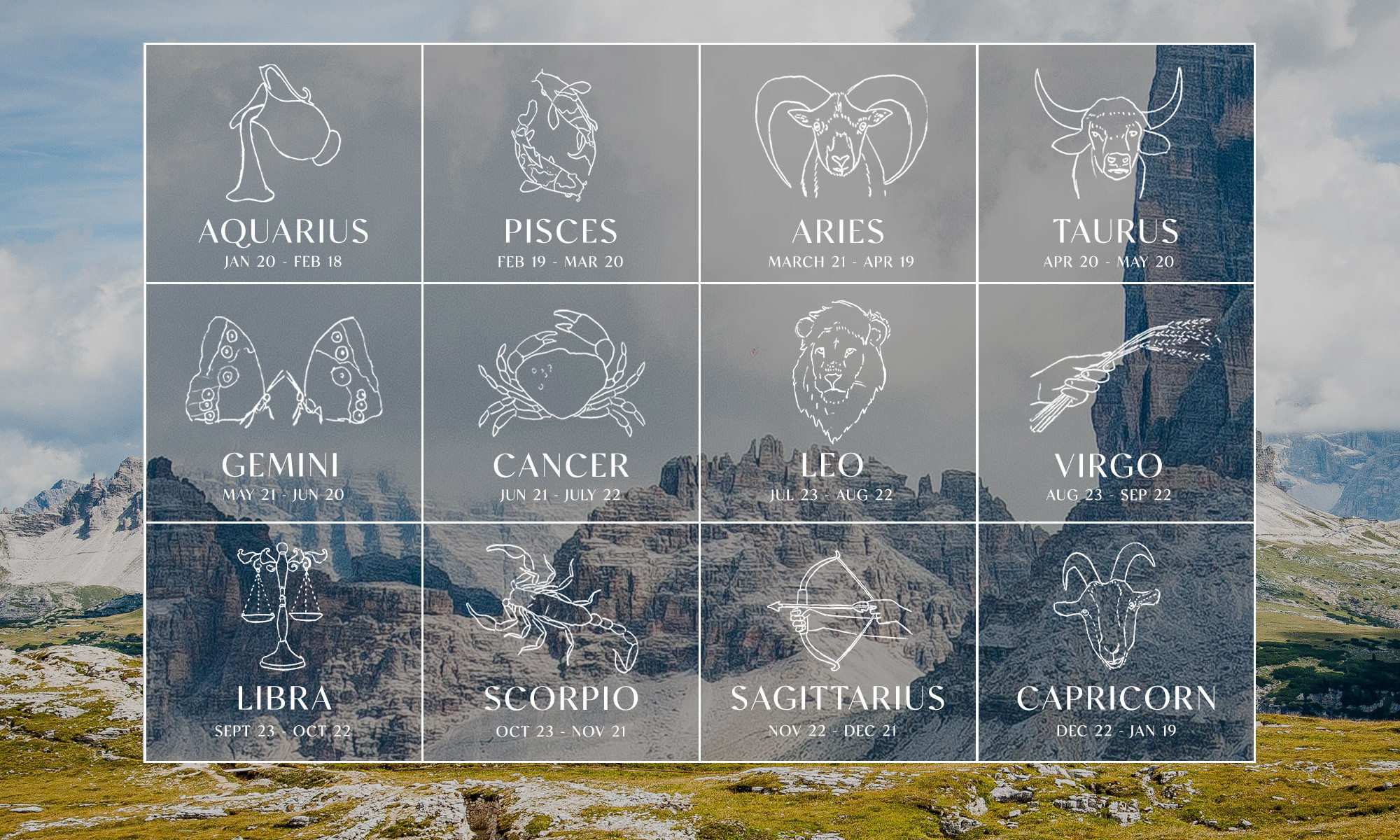
Determining your zodiac sign is a straightforward process based on the position of the Sun relative to the constellations during your birth. In Western astrology, the year is divided into twelve segments, each corresponding to a specific zodiac sign based on the calendar date. To identify your sign, locate your month and day of birth within the established seasonal transitions, which remain consistent each year.
The Foundation of the Western Zodiac
Western astrology is fundamentally tropical, meaning it is anchored to the Earth's seasonal cycle rather than the exact physical alignment of the stars in the sky. This system divides the ecliptic—the apparent path of the Sun across the sky over the course of a year—into twelve equal sectors of 30 degrees each. Each sector is named after a constellation, though over the centuries, the precession of the equinoxes has caused these signs to drift away from their original astronomical counterparts.
For the purpose of identifying your sign in modern Western practice, you only need to refer to your calendar date. The system assumes a static cycle, ignoring the minor fluctuations of leap years and orbital variances that might be considered in more complex astronomical calculations.
Zodiac Signs and Their Corresponding Dates
The following table outlines the twelve signs of the zodiac according to their traditional calendar ranges. Note that the dates of transition—known as "cusp" dates—can sometimes shift by a day depending on the specific source or calculation method; however, the dates provided reflect the standard, widely accepted industry consensus for 2026.
| Zodiac Sign | Date Range | Element |
|---|---|---|
| Aries | March 21 – April 19 | Fire |
| Taurus | April 20 – May 20 | Earth |
| Gemini | May 21 – June 20 | Air |
| Cancer | June 21 – July 22 | Water |
| Leo | July 23 – August 22 | Fire |
| Virgo | August 23 – September 22 | Earth |
| Libra | September 23 – October 22 | Air |
| Scorpio | October 23 – November 21 | Water |
| Sagittarius | November 22 – December 21 | Fire |
| Capricorn | December 22 – January 19 | Earth |
| Aquarius | January 20 – February 18 | Air |
| Pisces | February 19 – March 20 | Water |
Understanding the "Cusp" Phenomenon
Many individuals born near the transition dates between two signs often describe themselves as being "on the cusp." In astrology, a cusp refers to the boundary between two signs. If you were born on the very day the Sun moves from one sign into another, your identity is not necessarily a "mix" of both, as is sometimes popularized in casual media.
Technically, the Sun occupies one specific degree of the ecliptic at the exact moment of your birth. To determine which sign you fall under with absolute precision, you would require your exact time and place of birth to calculate an astrological chart. Without the time of birth, the date ranges provided in the table above serve as the standard indicator. If your birthday falls on the start or end date of a sign, you are traditionally considered to belong to the sign that the Sun entered at the moment of your birth.
The Role of Elements in Zodiac Classification
Beyond dates, zodiac signs are categorized into four fundamental elements: Fire, Earth, Air, and Water. These elements are used in astrological study to describe the core temperaments associated with each sign. Understanding your element can provide further context to your sign's traditional characteristics.
- Fire Signs (Aries, Leo, Sagittarius): Often characterized by high energy, spontaneity, and passion. Fire signs are typically viewed as the "initiators" of the zodiac, motivated by inspiration and action.
- Earth Signs (Taurus, Virgo, Capricorn): Generally associated with practicality, stability, and a grounded approach to life. These signs are often linked to tangible results and physical reality.
- Air Signs (Gemini, Libra, Aquarius): Linked to intellect, communication, and social interaction. Air signs are often described as analytical and objective.
- Water Signs (Cancer, Scorpio, Pisces): Associated with intuition, emotion, and deep empathy. These signs are traditionally viewed as being in touch with the subconscious and the internal world.
Geographical and Temporal Considerations
While the dates for the zodiac are consistent across the Northern and Southern Hemispheres for the purpose of identification, it is a common point of confusion whether the signs change based on your location. In Western astrology, the signs remain fixed to the dates regardless of where you are born on Earth. Even though the seasons are reversed in the Southern Hemisphere, the tropical zodiac—which the calendar dates are based on—remains tethered to the Northern Hemisphere's seasonal markers (such as the spring equinox in March).
Consequently, a person born in July is a Cancer or a Leo, regardless of whether it is winter or summer in their specific locale. The system is symbolic and tied to the tropical year, not the local weather or atmospheric conditions.
Frequently Asked Questions
1. Does my birth year affect my zodiac sign? No. Your zodiac sign is determined strictly by the month and day of your birth. While the exact time of the Sun's transition into a new sign can shift by a few hours each year, this does not change the fact that your birth date remains firmly within the established window for your sign.
2. What if I was born on the very first or last day of a sign? If you were born on a transition date, you are technically born on the cusp. To verify your exact sign, you would need to calculate your natal chart using your specific birth time and location. For general purposes, you are considered to be the sign the Sun entered on that day.
3. Why do some sources list different dates for zodiac signs? Discrepancies often arise due to the fact that the Sun moves into a new sign at a specific, precise moment in time, which rarely aligns perfectly with the midnight start of a calendar day. Most published dates are approximations that round to the nearest full day for simplicity.
4. Are these dates the same as the constellations in the sky? No. These dates correspond to the "Tropical Zodiac," which is a system of twelve 30-degree segments of the ecliptic. It is not tied to the physical boundaries of the constellations as they appear in the night sky today. The "Sidereal" system, used in other traditions, does attempt to align signs with the actual constellations, resulting in different date ranges.
5. Does the current year, 2026, change how I find my sign? The system used to calculate zodiac signs based on calendar dates is fixed. Regardless of the year—including 2026—the date ranges for each sign remain the same as they have been for the traditional Western tropical zodiac.
Next Steps for Deeper Exploration
Once you have confirmed your zodiac sign, you may find it helpful to look into your full birth chart. While your "Sun sign" (the one determined by your birth date) provides a general outline of your core identity, a complete chart includes the positions of the Moon and the various planets at the exact minute you were born. This provides a more nuanced view of different facets of personality. To proceed, consider using a reputable online chart calculator; you will simply need your date, exact time of birth, and city of birth to generate a comprehensive breakdown of your astrological profile.

Image Gallery
Select an image to open it in a new tab.
Mateo Castillo
Decentralized Finance and E-Payments Strategist
