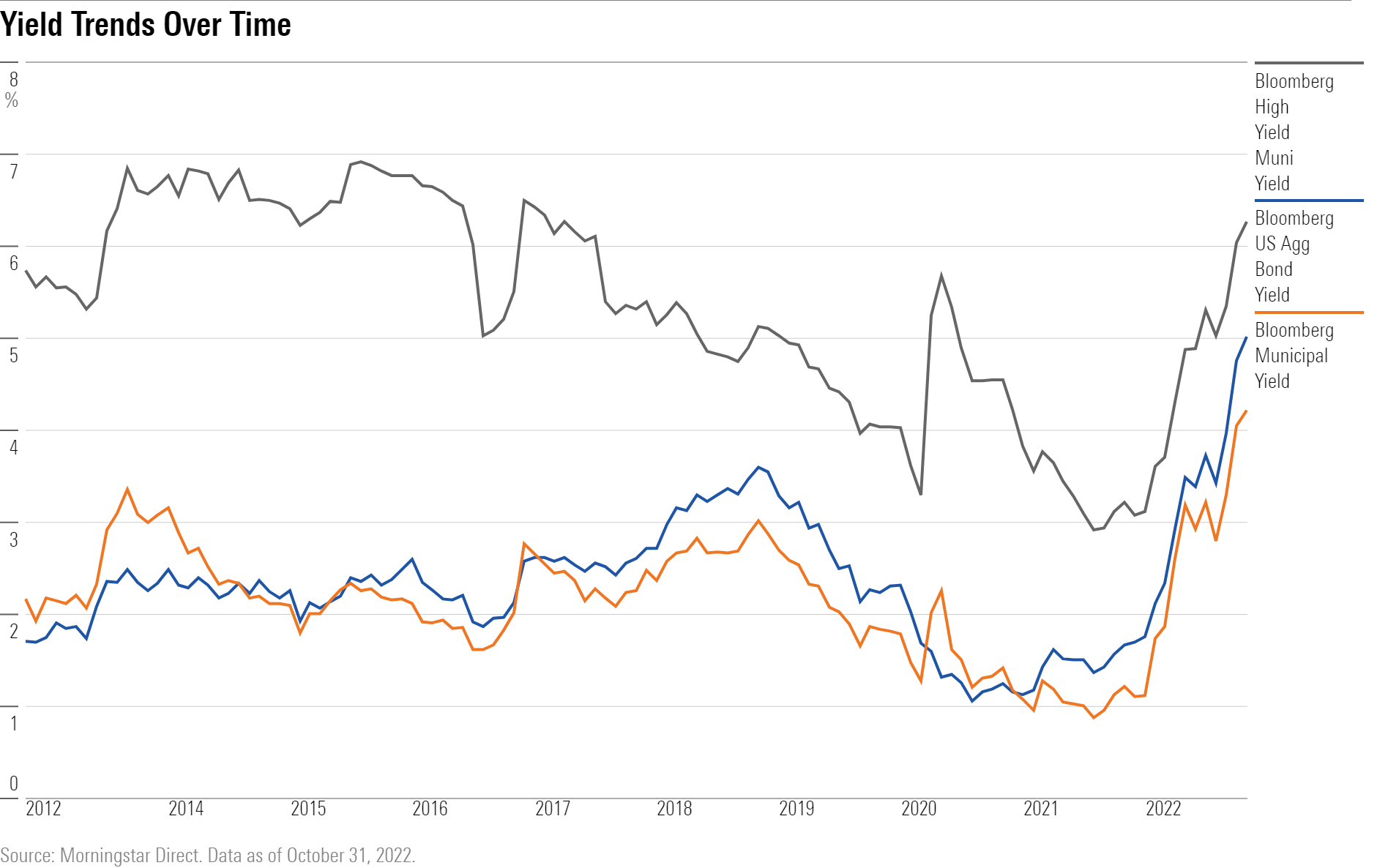
Municipal bonds are debt securities issued by state and local governments, as well as their agencies, to finance public projects such as schools, highways, hospitals, and sewer systems. For investors seeking tax-advantaged income, these instruments play a foundational role in fixed-income portfolios, though they require careful evaluation of credit quality, interest rate sensitivity, and state-specific tax implications.
What Are Municipal Bonds?
Municipal bonds, commonly referred to as "munis," function as loans made by an investor to a state, city, county, or other governmental entity. In exchange for the capital, the issuing entity promises to pay periodic interest—typically semi-annually—and to return the principal amount of the bond when it matures. Because these bonds fund essential civic infrastructure, they are generally backed by the taxing power of the issuer or the revenues generated by the specific project being financed.
The municipal bond market is vast, encompassing trillions of dollars in outstanding debt and thousands of individual issuers. Unlike corporate bonds, which are issued by private companies seeking to expand operations or fund acquisitions, munis serve a public purpose. This distinction shapes everything from their regulatory oversight to their unique tax treatment under United States federal, state, and local laws.
Types of Municipal Bonds
Before evaluating the pros and cons of municipal bonds, it is essential to distinguish between the two primary categories: General Obligation bonds and Revenue bonds. Each carries distinct risk profiles, structural mechanics, and sources of repayment.
General Obligation (GO) Bonds
General Obligation bonds are backed by the "full faith and credit" of the issuing government entity, which typically includes its power to levy taxes.
- Repayment Source: Tax revenues, such as property taxes, income taxes, or sales taxes collected by the municipality.
- Risk Profile: Generally considered to have lower default risk because the issuer can raise taxes to meet debt obligations, subject to statutory or constitutional limits.
- Use of Proceeds: Funding for non-revenue-generating public projects, such as public schools, parks, police stations, and local government buildings.
Revenue Bonds
Revenue bonds are issued to finance specific public projects or enterprises—such as toll roads, airports, water and sewer treatment facilities, or public universities.
- Repayment Source: The specific revenues generated by the project itself (e.g., tolls, user fees, or tenant rents).
- Risk Profile: Generally carry a higher risk than GO bonds because repayment depends entirely on the financial success and operational performance of the underlying project.
- Use of Proceeds: Self-supporting infrastructure projects where user fees can be isolated and earmarked specifically for debt service.

Advantages of Municipal Bonds
Investors are drawn to municipal bonds for several compelling reasons, ranging from significant tax savings to predictable cash flows and portfolio diversification.
| Advantage | Mechanism / Benefit |
|---|---|
| Federal Tax Exemption | Interest is usually free from federal income tax. |
| State & Local Tax Perks | Often exempt from state/local taxes if resident. |
| Credit Reliability | Historically low default rates across sectors. |
| Predictable Cash Flow | Fixed semi-annual interest payments. |
Tax-Free Income Potential
The most prominent advantage of municipal bonds is their tax-advantaged status. Interest earned from municipal bonds is generally exempt from federal income taxes. Furthermore, if an investor purchases a municipal bond issued by their home state or municipality, the interest is frequently exempt from state and local income taxes as well.
To evaluate this benefit, investors often calculate the tax-equivalent yield. This metric compares the yield of a tax-exempt municipal bond to that of a taxable bond (such as a corporate bond or Treasury note) based on the investor's marginal tax bracket. For high-income earners in high-tax states, a seemingly modest municipal bond yield can translate into a higher after-tax return than a much higher taxable yield.
Historical Credit Safety
Municipal bonds have historically experienced very low default rates compared to corporate debt of similar credit ratings. According to long-term default studies published by major credit rating agencies like Moody's Investors Service and Standard & Poor's, the vast majority of municipal issuers—particularly those backed by broad tax bases—maintain strong financial stability. Essential public services like water, sewer, and primary education remain vital regardless of broader economic cycles, supporting steady revenue streams for debt repayment.
Predictable Income and Capital Preservation
For conservative investors, retirees, or those seeking to balance riskier equity holdings, munis provide a reliable source of fixed income. They distribute regular, predictable interest payments semi-annually, making them useful for cash-flow planning. When held to maturity, investors receive their full principal back, shielding them from the day-to-day price volatility experienced in the stock market.
Disadvantages and Risks of Municipal Bonds
Despite their attractive tax features, municipal bonds are not without drawbacks. Understanding these vulnerabilities is critical for constructing a balanced fixed-income strategy.
Interest Rate Risk
Like all fixed-rate bonds, municipal bonds are sensitive to movements in prevailing interest rates. When market interest rates rise, the prices of existing fixed-rate bonds fall because newly issued bonds offer more attractive payouts. An investor who needs to sell a municipal bond on the secondary market before its maturity date may face capital losses if interest rates have climbed since the bond was purchased.
Inflation Risk
Fixed-income investments provide a set dollar amount of interest. If the rate of inflation rises significantly over the life of the bond, the purchasing power of those interest payments and the eventual return of principal diminishes. Over long holding periods, inflation can erode the real return of a municipal bond portfolio.
Credit and Default Risk
While overall default rates are low, specific municipal issuers can experience severe financial distress. Economic downturns, declining population bases, mismanaged municipal pensions, or structural shifts in local economies can strain a city or state's budget. Puerto Rico's debt restructuring crisis in the 2010s and historical municipal bankruptcies, such as Detroit, Michigan, serve as reminders that municipal bonds carry genuine credit risk. Investors must examine credit ratings from agencies like Moody’s, S&P Global, and Fitch Ratings, and review official statements detailing the issuer’s financial health.
Call Risk
Many municipal bonds include a "call provision," which allows the issuer to redeem or "call" the bonds before their scheduled maturity date—usually after a specified call protection period (e.g., 5 to 10 years). Issuers typically exercise this option when interest rates drop, allowing them to refinance their debt at a lower cost. For the investor, this means their high-yielding bond is taken away, forcing them to reinvest their principal in a lower-rate environment.
Liquidity Constraints
Unlike U.S. Treasury securities or large-cap corporate bonds, which trade in massive, highly liquid secondary markets, the municipal bond market features millions of distinct CUSIPs (individual bond issues), many of which trade infrequently. Consequently, selling an individual municipal bond before maturity can sometimes incur wider bid-ask spreads or delayed execution compared to more standardized asset classes.
Strategies for Investing in Municipal Bonds
Investors can access municipal bonds either by purchasing individual bonds directly through a brokerage account or by utilizing pooled investment vehicles. Each approach carries distinct operational considerations.
Individual Bonds vs. Funds
- Individual Municipal Bonds: Purchasing individual bonds allows investors to tailor their portfolio to specific maturity dates, geographic locations, and credit profiles. By holding individual bonds to maturity, investors eliminate the risk of capital loss from selling during a market downturn, provided the issuer does not default. However, building a diversified ladder of individual bonds requires substantial capital.
- Municipal Bond Mutual Funds and ETFs: Exchange-Traded Funds (ETFs) and open- or closed-end mutual funds pool money from multiple investors to purchase a broad basket of municipal bonds. This provides instant professional management and broad diversification across hundreds of issuers, mitigating single-issuer credit risk. However, bond funds do not mature; their share prices fluctuate with interest rates, and investors pay ongoing management expense ratios.
Diversification Across Sectors and Geographies
Concentrating investments in a single municipality or a single state exposes a portfolio to localized economic shocks, regulatory changes, or natural disasters. Professional advisors generally recommend diversifying across different states (if state-tax exemption is not the primary driver) and across various sectors—such as combining general obligation bonds with revenue bonds tied to utilities, transportation, and healthcare.
Frequently Asked Questions
Are all municipal bond interest payments entirely tax-free?
While most municipal bond interest is exempt from federal income taxes, exceptions exist. For instance, interest from certain "private activity bonds" issued to finance private projects (such as industrial development or private airport terminals) may be subject to the federal Alternative Minimum Tax (AMT). Additionally, if an investor purchases a municipal bond issued by a state where they do not reside, they will typically still owe state and local income taxes on that interest in their home state.
What happens if a municipality goes bankrupt?
Municipal bankruptcy is governed by Chapter 9 of the U.S. Bankruptcy Code. Unlike corporate bankruptcy, a municipal bankruptcy does not automatically result in the liquidation of public assets to pay off bondholders. Instead, the process involves restructuring the municipality’s debts, cutting operational expenses, and adjusting revenue collection. While GO bondholders are generally protected by the municipality's taxing power, recoveries can be protracted, and some principal or interest write-downs can occur in severe distress cases.
How do rising interest rates affect existing municipal bonds?
When prevailing market interest rates rise, the market value of existing fixed-rate municipal bonds declines on the secondary market. This occurs because new bonds are issued with higher coupon rates, making older, lower-coupon bonds less attractive to buyers. Conversely, if interest rates fall, existing bond prices rise. Investors holding bonds to maturity are insulated from these temporary price fluctuations, as they will still receive their full face value at maturity.
What is a municipal bond ladder?
A municipal bond ladder is an investment strategy where an investor purchases multiple bonds with staggered maturity dates—ranging from one year to ten or more years. As each bond matures, the principal is reinvested in a new long-term bond at the end of the ladder. This strategy helps manage interest rate risk and provides regular liquidity, as portions of the portfolio mature on a predictable schedule.
Conclusion and Next Actions
Municipal bonds offer a powerful mechanism for generating tax-advantaged income and preserving capital, making them a cornerstone of fixed-income investing for individuals in higher tax brackets. However, navigating credit risks, call provisions, and interest rate sensitivity requires diligence. Investors should evaluate their marginal tax bracket, review their state residency tax laws, and assess their overall portfolio allocation before committing capital. Consulting a qualified financial advisor or tax professional can help ensure that municipal bond selections align with broader wealth-management objectives.
Image Gallery
Select an image to open it in a new tab.


Zara El-Hashem
Sociocultural Dynamics and Academics Writer
