Understanding the Treatment of PCL Injury: A Comprehensive Guide to Recovery and Surgery

The treatment of a Posterior Cruciate Ligament (PCL) injury depends primarily on the severity of the tear and whether other knee structures are involved. While minor PCL tears often heal through specialized physical therapy and dynamic bracing, severe or multi-ligament injuries frequently require surgical reconstruction to restore knee stability and prevent long-term joint degeneration.
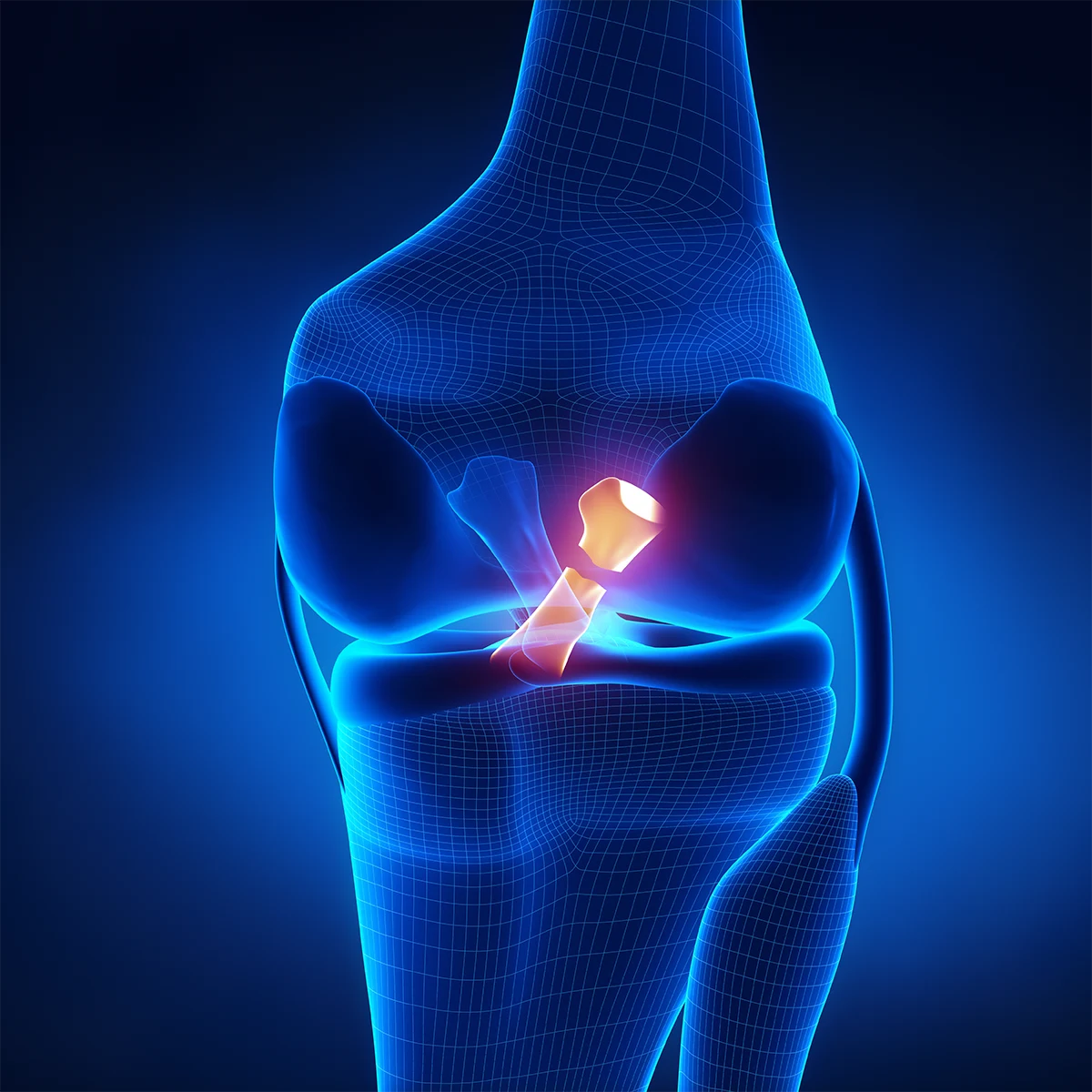
The Posterior Cruciate Ligament (PCL) is one of the four major ligaments that stabilize the knee joint. Often referred to as the "forgotten ligament" in comparison to its more famous counterpart, the Anterior Cruciate Ligament (ACL), the PCL plays a critical role in preventing the tibia (shinbone) from sliding too far backward behind the femur (thighbone). Because the PCL is thicker and stronger than the ACL, it is injured less frequently, often requiring significant force—such as a "dashboard injury" during a car accident or a hard fall onto a flexed knee during contact sports.
As we evaluate the landscape of orthopedic medicine in 2026, the understanding of PCL treatment has shifted toward more nuanced, individualized recovery protocols. Whether a patient is an elite athlete or a sedentary individual, the goal remains the same: restoring the posterior stability of the knee to protect the articular cartilage and the menisci from the shear forces that occur when a ligament is deficient.
Classification of PCL Injuries and Its Impact on Treatment
Before a treatment plan can be established, a precise diagnosis and grading of the injury are essential. Orthopedic surgeons classify PCL tears into three grades based on the amount of posterior translation of the tibia observed during clinical testing (such as the posterior drawer test).
Grade I: Mild Partial Tears
In a Grade I injury, the PCL has sustained microscopic tears. The knee remains functionally stable, with the tibia moving less than 5 millimeters backward. Treatment for Grade I injuries is almost exclusively non-surgical, focusing on inflammation control and early mobilization.
Grade II: Moderate Partial Tears
A Grade II injury involves a more significant partial tear, where the tibia translates 5 to 10 millimeters backward. While the ligament is still partially intact, the patient may experience a sense of "giving way" or instability during deceleration or pivoting. Most Grade II injuries are initially managed conservatively, though the rehabilitation process is more intensive.
Grade III: Complete Tears
In a Grade III injury, the PCL is completely ruptured, and the tibia translates more than 10 millimeters. These injuries are rarely isolated; they often occur alongside damage to the ACL, MCL, or the posterolateral corner (PLC). Grade III injuries frequently require surgical intervention, especially if the patient experiences persistent instability or if multiple ligaments are involved.
Conservative Management: The Non-Surgical Path
For the majority of isolated PCL injuries (Grades I and II), non-surgical treatment is the gold standard. Unlike the ACL, the PCL has an inherent ability to heal because it is surrounded by a robust blood supply from the middle geniculate artery. However, healing requires the tibia to be held in the correct position so the ligament does not heal in a "lengthened" or lax state.
The Quadriceps-Dominant Strategy
The primary goal of PCL rehabilitation is to strengthen the quadriceps. The quadriceps muscles act as a "dynamic stabilizer" for the PCL. When the quadriceps contract, they pull the tibia forward, effectively doing the job that the damaged PCL can no longer perform. Conversely, excessive hamstring activation must be avoided in the early stages of recovery, as the hamstrings pull the tibia backward, which places stress on the healing PCL.
Specialized Dynamic Bracing
In 2026, the use of dynamic PCL bracing has become a cornerstone of conservative management. Unlike standard knee braces that provide general lateral support, a PCL-specific brace (such as the Rebound PCL or similar dynamic tension models) applies a constant anterior (forward) force on the tibia. This prevents the "sag" of the tibia while the patient is upright or sleeping, ensuring the ligament fibers approximate and heal at their anatomical length.
The RICE Protocol and Early Mobilization
Initial treatment focuses on the RICE (Rest, Ice, Compression, Elevation) method to manage swelling. Once the acute pain subsides, physical therapy begins with "protected" range-of-motion exercises. Patients are often restricted from deep squats or heavy resisted hamstring curls for several months to avoid stressing the healing tissue.

Surgical Reconstruction: Techniques and Indications
Surgery is considered when conservative treatment fails or when the injury is so severe that the knee cannot function safely. The primary indications for PCL reconstruction include Grade III tears with significant instability, "bony avulsion" fractures (where the ligament pulls a piece of bone away), and multi-ligament injuries.
Graft Selection in 2026
PCL surgery involves replacing the torn ligament with a graft. Surgeons typically choose between:
- Autografts: Using the patient's own tissue, such as the hamstring tendon or the quadriceps tendon. Quadriceps tendons have gained popularity due to their thickness and strength, which closely mimic the natural PCL.
- Allografts: Using donor tissue from a cadaver. Allografts are common in PCL surgery because the PCL is a large ligament, and using donor tissue avoids the "donor site morbidity" or weakness associated with taking the patient’s own tendons.
Single-Bundle vs. Double-Bundle Reconstruction
The natural PCL consists of two distinct bundles: the anterolateral bundle and the posteromedial bundle.
- Single-Bundle Reconstruction: This is the most common technique, focusing on replacing the larger anterolateral bundle. It is technically simpler and provides excellent outcomes for most patients.
- Double-Bundle Reconstruction: This advanced technique attempts to replicate both bundles of the PCL. While more complex and time-consuming, some studies suggest it provides superior stability in deep knee flexion, which may be beneficial for high-demand athletes.
Addressing the Posterolateral Corner (PLC)
One of the most common reasons for PCL surgical failure is an undiagnosed injury to the posterolateral corner (a complex of ligaments and tendons on the outside back of the knee). If the PLC is unstable, it will put excessive stress on the new PCL graft, causing it to stretch out over time. Modern surgical protocols mandate a thorough evaluation and, if necessary, concurrent repair of the PLC during PCL reconstruction.
The Role of Orthobiologics and Technology
By 2026, the integration of orthobiologics has become a supportive element in treating PCL injuries. While not a replacement for surgery or physical therapy, these treatments aim to enhance the body's natural healing environment.
- Platelet-Rich Plasma (PRP): PRP injections involve concentrating a patient’s own platelets and injecting them into the injury site. In Grade I and II PCL tears, PRP may help accelerate the healing of the partially torn fibers by delivering growth factors directly to the ligament.
- Bone Marrow Aspirate Concentrate (BMAC): Often colloquially called stem cell therapy, BMAC is sometimes used during surgery or as an adjunct to conservative care in complex cases to improve the biological integration of grafts and reduce inflammation.
- Wearable Biofeedback: New sensor technologies integrated into knee sleeves now allow physical therapists to monitor a patient's tibial translation and quadriceps activation in real-time, ensuring that home exercises are performed safely and effectively.
Rehabilitation Phases and Timeline
Recovery from a PCL injury is a marathon, not a sprint. Whether treated surgically or non-surgically, the timeline is longer than that of an ACL injury due to the PCL’s role in weight-bearing stability.
Phase 1: Protection (Weeks 0–6)
The goal is to protect the healing ligament or graft. Patients are typically in a locked brace or a dynamic PCL brace and may be non-weight-bearing or touch-weight-bearing. Exercises focus on isometric quadriceps contractions and gentle patellar mobilization.
Phase 2: Range of Motion and Weight Bearing (Weeks 6–12)
As healing progresses, the brace is adjusted to allow more movement. Weight-bearing is gradually increased. Physical therapy introduces closed-chain exercises (where the foot is planted), such as shallow leg presses, while strictly avoiding isolated hamstring exercises.
Phase 3: Strengthening and Proprioception (Months 3–6)
This phase focuses on building muscle mass in the quadriceps, glutes, and calves. Balance and "proprioception" (the body's ability to sense its position in space) are trained to improve joint stability during movement.
Phase 4: Return to Sport/Activity (Months 6–12)
For athletes, this involves sport-specific drills, cutting, and pivoting. A "return to play" assessment is conducted, involving strength testing and functional movement screens. Most patients do not return to full-contact sports until at least 9 to 12 months post-injury or surgery.
Comparison of PCL Treatment Approaches
The following table summarizes the standard treatment pathways based on the severity of the injury as of 2026.
| Feature | Grade I (Mild) | Grade II (Moderate) | Grade III (Complete/Complex) |
|---|---|---|---|
| Primary Goal | Pain relief & ROM | Stabilization & Strength | Restoration of Anatomy |
| Initial Treatment | RICE & Physical Therapy | Dynamic PCL Bracing | Surgery (often) |
| Bracing Type | Optional (standard) | Dynamic PCL Brace (Required) | Post-op Dynamic Brace |
| Rehab Focus | General Strengthening | Quadriceps Isolation | Multi-stage Protocol |
| Recovery Time | 4–6 Weeks | 3–6 Months | 9–12 Months |
| Surgery Required? | Almost Never | Rarely (if unstable) | Usually |
| Return to Sport | High Success Rate | High Success Rate | Variable (based on trauma) |
Potential Complications of Untreated PCL Tears
Ignoring a PCL injury can lead to significant long-term consequences. Because a deficient PCL allows the tibia to sit further back than normal, the pressure on the patellofemoral joint (kneecap) and the medial compartment of the knee increases significantly.
Studies from the American Academy of Orthopaedic Surgeons (AAOS) have shown that chronic PCL deficiency leads to a high incidence of osteoarthritis in these areas within 5 to 10 years of the initial injury. This "misalignment" causes the cartilage to wear down prematurely, leading to chronic pain and reduced mobility. Therefore, even if a patient chooses non-surgical treatment, long-term adherence to quadriceps strengthening is vital to protect the joint.
FAQs About PCL Injury Treatment
Can a PCL tear heal on its own without surgery?
Yes, many isolated PCL tears (Grades I and II) have an excellent capacity to heal because the ligament has a good blood supply. However, "healing" doesn't always mean the ligament returns to its original tension. Professional bracing and physical therapy are necessary to ensure it heals tight enough to provide stability.
How do I know if I need surgery for my PCL?
Surgery is typically recommended if you have a Grade III tear, if you have injured other ligaments (like the ACL or PLC) simultaneously, or if you continue to experience "buckling" or instability after completing 3 to 6 months of intensive physical therapy.
Why is the PCL brace different from a regular knee brace?
A standard knee brace usually prevents side-to-side movement or hyperextension. A PCL brace is specifically engineered to push the tibia forward. Because gravity naturally pulls the tibia backward when you lie down or sit, the PCL brace uses a spring-loaded or tension-based system to counteract this "posterior sag."
Is the recovery for PCL harder than ACL?
In many ways, yes. The PCL carries more load during daily activities like walking down stairs or crouching. The rehabilitation is often more cautious, with a longer period of restricted weight-bearing and a stricter ban on certain exercises (like hamstring curls) during the early phases of recovery.
What are the risks of PCL surgery?
As with any major knee surgery, risks include infection, blood clots (DVT), and stiffness (arthrofibrosis). Specific to the PCL, there is a risk of injury to the popliteal artery, which sits directly behind the PCL, though modern surgical techniques and intraoperative imaging have made this complication extremely rare.
Can I return to running after a PCL injury?
Most patients can return to running, but it requires a solid foundation of quadriceps strength. Running produces forces several times your body weight on the knee joint. If the quadriceps are not strong enough to stabilize the tibia, running can lead to swelling and increased wear on the kneecap.
Recommendations for Next Actions
If you suspect a PCL injury, the first step is to seek a consultation with an orthopedic specialist who has experience in complex knee stability. An MRI is essential to determine the grade of the tear and to check for hidden damage to the posterolateral corner or the menisci.
For those in the early stages of recovery:
- Prioritize Quadriceps: Begin "quad sets" and straight-leg raises immediately (as tolerated by pain) to prevent muscle atrophy.
- Avoid Posterior Loading: Do not perform heavy hamstring curls or allow your tibia to "sag" when resting; use a pillow under the calf (not the knee) to keep the tibia supported.
- Invest in Bracing: If your doctor recommends a dynamic PCL brace, ensure it is fitted by a professional orthotist to maximize its effectiveness.
- Be Patient: Ligament healing is a biological process that cannot be rushed. Adhering to the 2026 guidelines for gradual return-to-activity is the best way to ensure the long-term health of your knee.
Image Gallery
Select an image to open it in a new tab.






Zara El-Hashem
Sociocultural Dynamics and Academics Writer
