Workers' Compensation Void if Not Wearing Proper Footwear: What You Need to Know
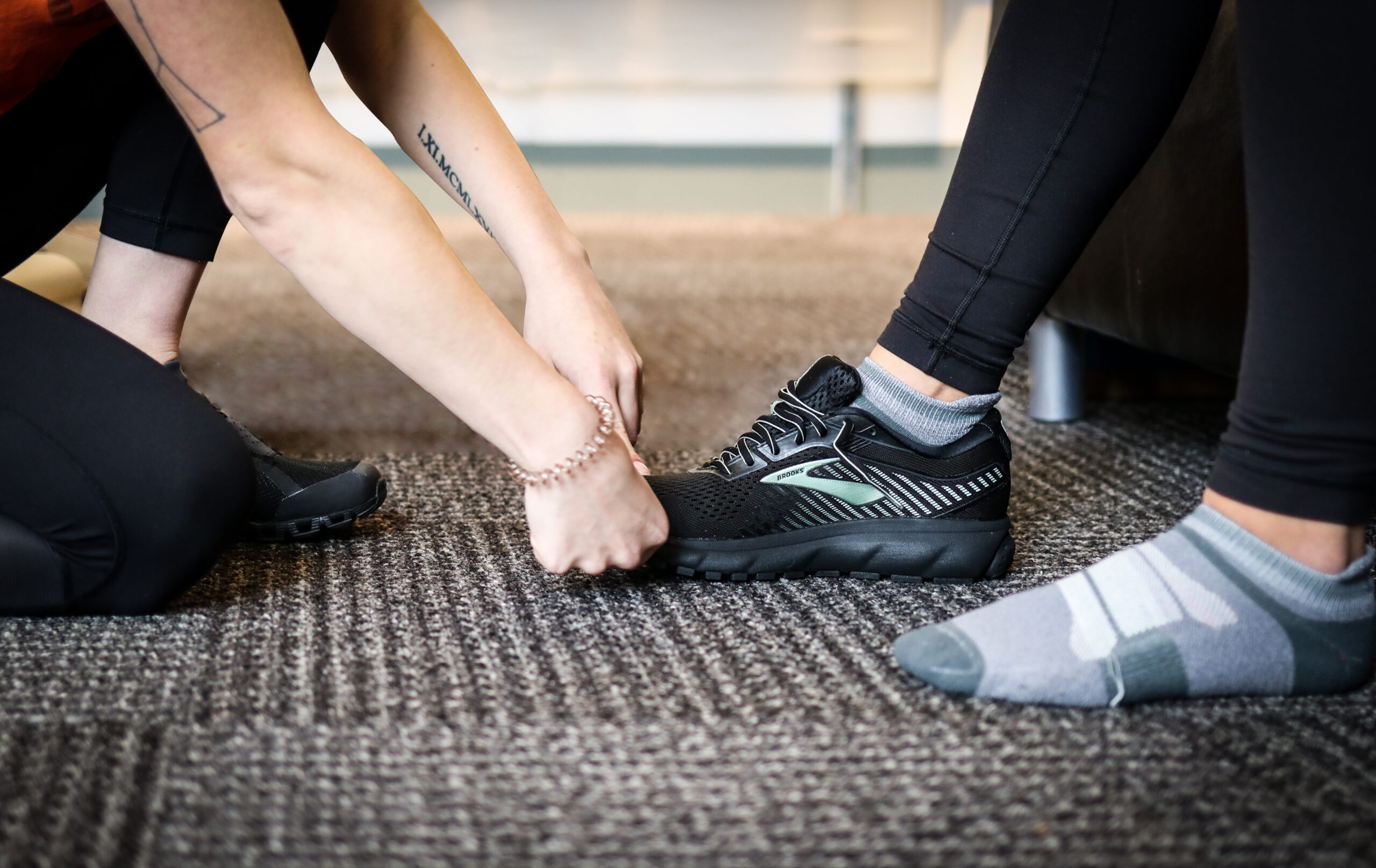
In most jurisdictions in 2026, failing to wear proper footwear does not automatically void a workers' compensation claim because the system is designed as "no-fault" insurance. However, a claim may be denied if the employer proves the violation constituted "willful misconduct" or a deliberate breach of a strictly enforced safety rule.
As of 2026, workers' compensation remains a cornerstone of the labor market, providing a safety net for employees injured on the job while shielding employers from costly personal injury litigation. One of the most persistent points of friction in this system involves Personal Protective Equipment (PPE), specifically footwear. Whether you are a construction worker required to wear steel-toed boots or a healthcare professional mandated to wear slip-resistant shoes, the type of footwear you have on at the moment of an accident can significantly influence the trajectory of your claim.
Disclaimer: This article is for informational purposes only and does not constitute legal or professional insurance advice. Workers' compensation laws vary significantly by state and country. Consult with a qualified attorney or your local labor board for guidance specific to your jurisdiction.
The "No-Fault" Nature of Workers' Compensation
To understand how footwear affects a claim, one must first understand the "Grand Bargain" of workers' compensation. Established in the early 20th century and maintained through 2026, this system operates on a no-fault basis. In exchange for the employer providing guaranteed benefits (medical coverage and wage replacement), the employee waives the right to sue the employer for negligence.
Under this framework, an employee’s own negligence—such as forgetting to tie their shoes or wearing sneakers instead of boots—is generally not a valid reason for an insurance carrier to deny a claim. If you slip and fall while wearing improper shoes, the primary question is usually whether the injury occurred "out of and in the course of employment," not whether you were being perfectly safe.
Negligence vs. Willful Misconduct
While simple negligence does not disqualify a worker, "willful misconduct" is a different matter. Most state statutes include provisions that allow an insurer to deny benefits if the injury was caused by the employee’s intentional violation of a safety rule.
For an insurance company to successfully void or deny a claim based on footwear in 2026, they typically must prove four specific elements:
- The existence of a clear rule: The employer must have a written policy regarding specific footwear.
- Knowledge of the rule: The employee must have been informed of the policy (usually through training or a signed handbook).
- Strict enforcement: The employer must demonstrate that they consistently enforce the rule and do not "look the other way" when people wear improper shoes.
- Causation: The lack of proper footwear must be the direct cause of the injury.
OSHA Standards and Footwear Requirements
The Occupational Safety and Health Administration (OSHA) sets the federal benchmarks for workplace safety. Under OSHA Standard 1910.136, employers must ensure that each affected employee uses protective footwear when working in areas where there is a danger of foot injuries due to falling or rolling objects, or objects piercing the sole.
In 2026, these standards have evolved to incorporate modern materials and testing protocols, but the core responsibility remains with the employer to assess the workplace for hazards. If an employer fails to conduct a hazard assessment or fails to require PPE where it is clearly necessary, the burden of the injury falls squarely on the employer, regardless of what the employee was wearing. Conversely, if the employer provides the necessary gear (or a stipend for it) and the employee chooses not to use it, the "willful misconduct" defense becomes much stronger.
Impact of Footwear on Specific Injury Types
The relevance of footwear to a claim often depends on the nature of the accident. Consider these common 2026 workplace scenarios:
- Slip and Fall Accidents: If a restaurant worker wears smooth-soled fashion shoes instead of the required non-slip shoes and slips on a greasy floor, the insurer may argue that the worker ignored a safety protocol. However, in many states, this is still viewed as simple negligence, and the claim is paid.
- Crush Injuries: On a construction site, if a worker is wearing canvas sneakers instead of ASTM-rated steel-toed boots and a heavy beam falls on their foot, the severity of the injury is directly linked to the footwear. In this case, the insurer might attempt to reduce the permanent disability award or deny the claim entirely in "strict" jurisdictions.
- Puncture Wounds: In environments with sharp debris, such as demolition sites, the absence of puncture-resistant soles can be seen as a deliberate bypass of essential safety equipment.
Can Benefits Be Reduced Instead of Voided?
In some jurisdictions, the law does not "void" the claim entirely but allows for a percentage reduction in benefits. This is often referred to as a "penalty" for safety violations.
For example, some states have statutes that reduce indemnity (wage replacement) benefits by 15% to 50% if it is determined that the employee failed to use provided safety equipment. This middle-ground approach acknowledges the worker’s injury while providing a financial consequence for ignoring safety mandates. This is particularly common in states like Wisconsin or Colorado, where the "no-fault" rule is strictly applied to medical benefits, but wage benefits are subject to behavioral adjustments.
Employer Defenses and the Burden of Proof
If an employer or their insurance carrier intends to deny a claim based on improper footwear, the burden of proof lies entirely with them. It is not enough to simply point out that the worker was wearing the wrong shoes.
The "Enforcement" Hurdle
The most common reason an employer's defense fails is the lack of prior enforcement. If a manager witnesses an employee wearing improper footwear for weeks and says nothing, the employer has effectively "waived" the safety rule. In the eyes of a workers' compensation judge in 2026, a rule that is not enforced is not a rule at all. To successfully deny a claim, the employer must show a paper trail of prior warnings or disciplinary actions taken against employees for similar footwear violations.
The Training Requirement
Insurers must also prove the employee was properly trained. In modern 2026 safety management, this often involves digital logs of safety briefings (Toolbox Talks) where footwear requirements were specifically discussed. If the employee can prove they were never told why certain footwear was required or were never shown the specific policy, the "willful" aspect of the misconduct disappears.
Summary of Footwear vs. Claim Status
| Footwear Status | Typical Claim Outcome | Legal Reasoning |
|---|---|---|
| Simple Negligence (Forgot boots, laces untied) | Claim Accepted | Workers' Comp is no-fault; human error is covered. |
| Unenforced Policy (Rule exists but no one follows it) | Claim Accepted | Lack of enforcement constitutes employer waiver of the rule. |
| Willful Disregard (Refused to wear provided boots after warnings) | Claim Denied or Reduced | Violation of a known, enforced safety rule. |
| Employer Failure (Employer didn't require/provide PPE) | Claim Accepted | Employer is liable for failing to provide a safe workplace. |
| No Clear Policy (Casual environment, unexpected hazard) | Claim Accepted | No rule was violated; injury occurred in the scope of employment. |
Steps to Take if Your Claim is Challenged
If an insurance adjuster mentions your footwear as a reason for delaying or denying your claim, you should take immediate action to protect your rights.
- Document the Scene: If possible, take photos of your footwear and the area where the accident occurred. Was there a hazard that would have caused injury regardless of footwear (e.g., a structural collapse)?
- Review the Employee Handbook: Locate the specific section on PPE. Was the language vague? Did it say "appropriate footwear" without defining it? Vague rules favor the employee.
- Gather Evidence of Custom and Practice: Collect statements from coworkers if the employer rarely enforces the footwear rule. If everyone wears sneakers and you are the only one being penalized, you may have a case of selective enforcement.
- Seek Medical Confirmation: Sometimes, a doctor can provide an opinion on whether the "proper" footwear would have actually prevented the injury. If the injury would have occurred even with the best boots on the market, the footwear argument becomes irrelevant.
- Consult a Specialist: Workers' compensation law is highly technical. An attorney can help determine if your state follows the "willful misconduct" or "penalty" model.
Best Practices for Employers in 2026
To avoid the complexities of denied claims and to ensure worker safety, employers should maintain a robust footwear program. This includes:
- Hazard Assessments: Regularly reviewing the workplace to determine exactly what type of footwear is needed for each role.
- Clear, Written Policies: Avoiding vague terms. Instead of "sturdy shoes," use "ASTM F2413-18 rated protective footwear."
- Vouchers or Stipends: Many successful companies in 2026 provide vouchers for specific brands or models to ensure all employees have access to compliant gear.
- Consistent Discipline: Documenting every instance where a footwear violation is corrected. This protects the company legally and, more importantly, prevents injuries before they happen.
Frequently Asked Questions
Does my employer have to pay for my work boots?
Under federal OSHA rules, employers are generally required to pay for PPE. However, there is a specific exception for non-specialty safety-toe protective footwear (such as steel-toe boots) and non-slip shoes, provided the employer allows the employee to wear them off the job site. Many collective bargaining agreements or state laws in 2026 may require the employer to provide a stipend regardless.
Can I be fired for wearing the wrong shoes even if I wasn't hurt?
Yes. Employers have the right to enforce safety standards. In most "at-will" employment states, violating a safety policy is a valid ground for termination, even if no accident occurred.
What if I was wearing the right shoes but they were worn out?
If your footwear was "proper" but failed due to wear and tear, this is usually treated as a standard compensable claim. The exception would be if the employer had previously instructed you to replace the worn gear because it no longer met safety standards.
Does wearing high heels in an office void a claim if I fall?
Generally, no. Office environments typically do not have specific PPE requirements for footwear. Unless there is a specific policy banning certain heel heights for safety reasons, a trip and fall in an office is a covered event under the no-fault system.
If my claim is denied because of footwear, can I still get medical treatment?
A denial means the insurance company is refusing to pay for treatment. However, you can often use your private health insurance to receive care while you appeal the workers' compensation decision. If you eventually win the appeal, the workers' comp carrier will have to reimburse your health insurer.
Practical Recommendation
If you are a worker, always prioritize safety over comfort. While the no-fault system is designed to protect you, a claim denial can lead to months of litigation and financial strain. Check your employee handbook today to ensure your current footwear meets company standards.
If you have already been injured and are facing a denial based on your footwear, do not accept the adjuster's word as final. The legal threshold for "willful misconduct" is very high. Gather your evidence, document the lack of enforcement at your workplace, and consult with a legal professional to ensure you receive the benefits you are entitled to under the law.
Image Gallery
Select an image to open it in a new tab.
Mateo Castillo
Decentralized Finance and E-Payments Strategist
