The Situation of Asylum Seekers in Iceland: Legal Procedures, Rights, and Support Systems in 2026

The situation for asylum seekers in Iceland is governed by the Act on Foreigners (No. 80/2016) and characterized by a rigorous application process managed by the Directorate of Immigration. Applicants receive basic housing, healthcare, and a small allowance while awaiting decisions, though recent legislative shifts in 2026 emphasize faster processing and stricter adherence to the Dublin Regulation.
Seeking international protection in Iceland involves navigating a complex intersection of national law, European agreements, and humanitarian standards. As a small island nation with a robust but often strained infrastructure, Iceland has adapted its policies significantly over the last decade to balance its international obligations with domestic resources. For those entering the system in 2026, understanding the procedural roadmap, the limitations of state support, and the criteria for various protection statuses is essential for a realistic assessment of their situation.
The Legal Framework for International Protection
Icelandic law distinguishes between several tiers of protection. While the primary goal for many is to be recognized as a "refugee" under the 1951 Geneva Convention, the Icelandic legal system provides other avenues for those who do not meet the strict definition of a refugee but still face danger in their home countries.
The Act on Foreigners (No. 80/2016) remains the foundational legislation. However, amendments passed between 2023 and 2025 have reshaped how this law is applied. The current legislative environment in 2026 focuses on "harmonization" with other Nordic countries, which generally implies a more restrictive approach to granting residency on purely humanitarian grounds compared to the early 2010s.
Types of Protection Status
There are three primary categories under which an individual may be permitted to stay:
- Refugee Status: Granted to individuals who have a well-founded fear of persecution based on race, religion, nationality, political opinion, or membership in a particular social group.
- Subsidiary Protection: This applies to those who do not qualify as refugees but face a real risk of suffering serious harm if returned, such as the death penalty, torture, or inhuman treatment due to indiscriminate violence in armed conflict.
- Humanitarian Permits: These are temporary permits granted in exceptional cases where an individual faces extreme hardship, such as a life-threatening illness that cannot be treated in their home country. By 2026, the criteria for these permits have become increasingly narrow.
The Application Process: From Arrival to Decision
The journey for an asylum seeker begins the moment they express a desire for protection to the Icelandic police or at the border. Most applicants arrive through Keflavík International Airport, though some apply at police stations within the capital region of Reykjavík.
Phase 1: Initial Registration and Fingerprinting
Upon application, the police record the individual’s identity and take fingerprints. These fingerprints are checked against the Eurodac database. This step is critical because it determines whether Iceland is responsible for the application under the Dublin Regulation. If an applicant has already applied for asylum or was fingerprinted in another European country, Iceland may request that the other country take them back.
Phase 2: The Investigation and Interview
Once registered, the case is handed to the Directorate of Immigration (Útlendingastofnun). The Directorate conducts a substantive interview. This is the applicant's primary opportunity to explain their story, provide evidence of persecution, and describe why they cannot seek protection within their own country.
In 2026, the Directorate utilizes enhanced digital processing to manage caseloads, but the human element of the interview remains the most vital part of the evidence-gathering process. Applicants are entitled to a legal spokesperson (usually a lawyer paid for by the state) to assist them during this interview.
Phase 3: The Decision
The Directorate can issue several types of decisions:
- Granting of Protection: The applicant receives a residence permit and eventually a path to permanent residency.
- Refusal on Merits: The Directorate determines the applicant does not meet the criteria for protection.
- Dismissal/Dublin Transfer: The application is not processed in Iceland because another country is deemed responsible.

Living Conditions and Social Support Systems
While an application is pending, the Icelandic state is responsible for the basic needs of the asylum seeker. This support is decentralized, with the Directorate of Immigration overseeing contracts with various municipalities and private providers.
Housing and Accommodation
Accommodation is generally provided in the capital region or in nearby municipalities like Reykjanesbær. Housing often consists of shared apartments or hostels specifically designated for asylum seekers. By 2026, there has been a significant push to move away from large-scale centers toward smaller, community-integrated housing to prevent social isolation, though capacity issues occasionally force a return to temporary hostel-style living.
Asylum seekers are expected to reside in the provided housing to remain eligible for financial support. If an individual chooses to live privately, they usually forfeit their right to state-funded housing and allowances.
Financial Assistance and Daily Allowances
The financial support provided to asylum seekers is intended to cover food, clothing, and personal hygiene. In 2026, the allowance is distributed via a debit card system. The amount is modest and is calculated based on whether the individual's housing includes meals.
| Category of Support | Estimated Weekly Amount (ISK) | Notes |
|---|---|---|
| Basic Allowance (with meals) | ~8,000 - 10,000 | For personal items and local transport. |
| Basic Allowance (no meals) | ~25,000 - 30,000 | Intended to cover grocery costs and hygiene. |
| Child Supplement | ~5,000 - 7,000 | Per child, in addition to the adult rate. |
| One-time Clothing Grant | ~20,000 | Provided upon entry or after a certain wait period. |
Healthcare and Education
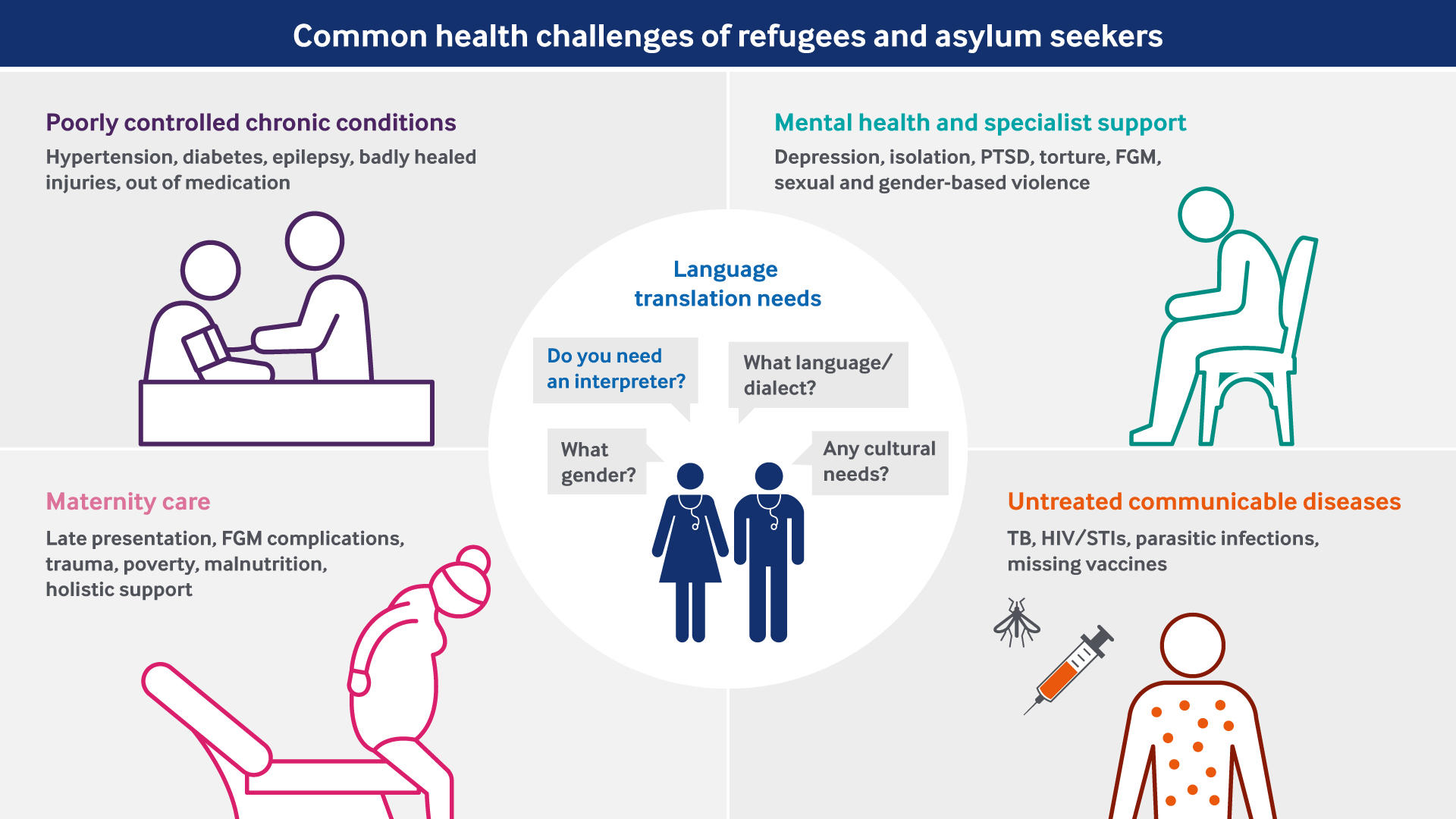
Asylum seekers have access to essential healthcare. This includes emergency services and treatment for acute illnesses or injuries. Mental health services are also available, recognizing the trauma many applicants have faced, though wait times for specialized psychological care can be lengthy.
Children of asylum seekers have both the right and the obligation to attend school. Icelandic law ensures that minors receive education within the municipal school system, often including specialized "Icelandic as a second language" support to facilitate integration.
The Right to Work and Integration
One of the most significant challenges for asylum seekers in Iceland is the restriction on employment. Under the current 2026 guidelines, an applicant can apply for a provisional work permit only after their identity has been confirmed and it is clear their case will not be dismissed under the Dublin Regulation.
This permit is temporary and tied to the duration of the asylum process. It does not grant the holder the same rights as a standard work permit; for instance, it is often tied to a specific employer. Many asylum seekers find it difficult to secure employment due to the temporary nature of their legal status and language barriers.
The Appeals Process and Legal Recourse
If the Directorate of Immigration rejects an application, the applicant has the right to appeal to the Immigration Appeals Board (Kærunefnd útlendingamála). This is an independent administrative body that reviews the case to ensure the Directorate followed the law and correctly assessed the facts.
The appeal process provides a second layer of scrutiny. In many cases, the Appeals Board may stay the execution of a deportation order while they review the file. If the Appeals Board upholds the rejection, the individual is generally required to leave the country. At this stage, some may choose to file a case in the Icelandic court system, though this does not automatically stop a deportation unless a judge specifically orders it.
Key Challenges and Legislative Shifts in 2026
The situation in 2026 is marked by several evolving factors that influence the daily lives of asylum seekers:
- Accelerated Procedures for "Safe" Countries: Iceland maintains a list of "safe countries of origin." Applicants from these nations face significantly faster processing times, often resulting in a rejection within weeks rather than months.
- The 30-Day Rule for Services: Following legislative changes, individuals who receive a final rejection are often given a 30-day window to leave voluntarily, after which state-provided housing and financial support are terminated. This has been a point of significant domestic debate regarding the risk of homelessness for failed applicants.
- Labor Market Integration: There is an ongoing effort by NGOs and some political factions to allow asylum seekers to work earlier in the process to reduce state dependency and improve mental health outcomes.
- Housing Shortages: Like much of Northern Europe, Iceland faces a general housing crisis. This scarcity impacts the quality and location of accommodation available to the Directorate of Immigration, often leading to applicants being housed in remote areas with limited access to services.
Common Pitfalls for Asylum Seekers
- Failure to Provide Identity Documents: While it is understood that some refugees flee without papers, the inability to verify identity can lead to a "dismissal" of the case or a denial of a work permit.
- Inconsistency in Testimony: Differences between the initial police interview and the Directorate interview are often used to question the applicant's credibility.
- Missing Deadlines: The appeals process has strict time limits. Missing a deadline to file an appeal can result in the immediate finalization of a deportation order.
Recommendations for Navigating the System
For those currently in the system or supporting someone through it, the following actions are recommended:
- Engage with Legal Counsel Early: Do not wait until a rejection to speak with your assigned lawyer. Ensure they have all relevant documents and a clear understanding of your timeline.
- Document Everything: Keep a record of all interactions with the Directorate and the police. If you have medical conditions, obtain certificates from Icelandic doctors as soon as possible.
- Learn Basic Icelandic: Even a rudimentary grasp of the language can significantly improve daily life and is often viewed favorably by potential employers if a work permit is granted.
- Utilize NGO Resources: Organizations like the Icelandic Red Cross provide essential social support, clothing, and advice that goes beyond what the state offers.
Frequently Asked Questions
How long does it take to get a decision on an asylum application in Iceland? In 2026, the average processing time for a first-instance decision is between 6 and 12 months. However, cases from "safe countries" can be decided in less than 30 days, while complex cases involving family reunification or extensive medical histories may take longer.
Can I choose where I live while my application is being processed? Generally, no. To receive state support and financial allowances, you must live in the accommodation assigned by the Directorate of Immigration. If you choose to live with friends or rent your own space, you will likely lose your right to the weekly allowance and state-funded housing.
What happens if my application is rejected? You have the right to appeal to the Immigration Appeals Board. If the rejection is upheld there, you are expected to leave the country voluntarily. If you do not leave, the police may carry out a forced deportation. In some cases, you may be eligible for "Assisted Voluntary Return," which provides some financial help to resettle in your home country.
Are children born to asylum seekers in Iceland citizens? No. Iceland follows the principle of jus sanguinis (right of blood), meaning citizenship is passed through parents. A child born in Iceland to asylum-seeking parents will typically have the same legal status as the parents.
Is it possible to switch from an asylum application to a work permit? It is generally very difficult to switch categories once you have applied for international protection. Most work permits require the applicant to apply from outside the country, though there are narrow exceptions for specific high-demand professions or if protection is granted.
For more detailed information or to track a specific case, individuals should contact the Directorate of Immigration or consult the Government of Iceland's official portal.
Image Gallery
Select an image to open it in a new tab.



Vivian Cho
Executive IT and Emerging Technologies Reporter
