Understanding the Lemon Law on Car Purchases: Protecting Your Rights as a Consumer
When you purchase a vehicle that suffers from persistent, recurring defects despite repeated repair attempts, "lemon laws" serve as your primary legal recourse to seek a refund or replacement. These laws vary significantly by jurisdiction, but they generally mandate that manufacturers compensate consumers when a vehicle fails to meet basic quality and performance standards within a specific timeframe or mileage limit after purchase.
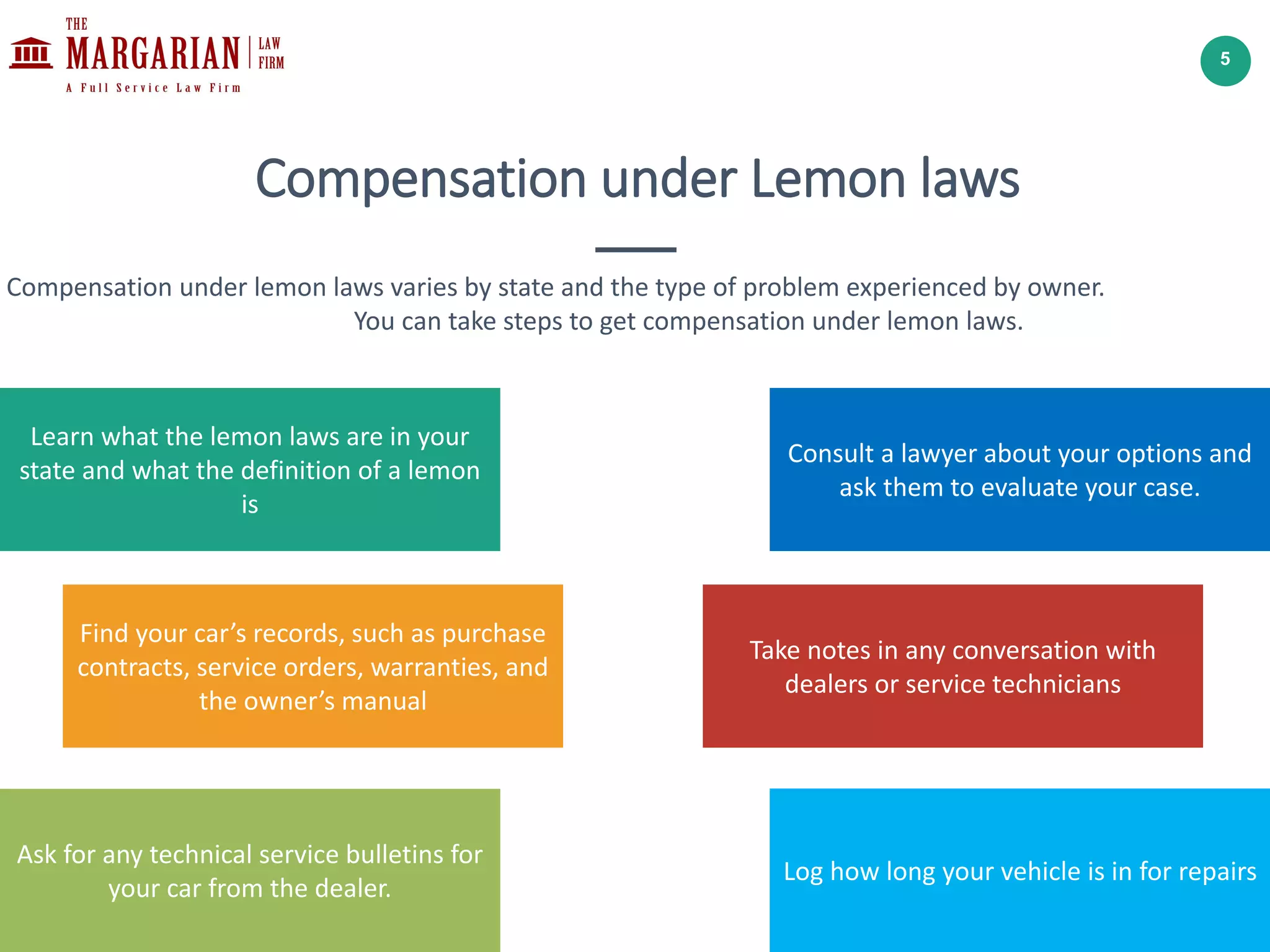
Navigating the complexities of automotive lemon laws requires a disciplined approach to documentation, communication, and adherence to specific procedural requirements. Understanding the nuances of these regulations—which operate at the state and federal levels—is essential to ensuring your claim is successful and that you are not left financially liable for a vehicle that is fundamentally unfit for the road.
The Foundations of Lemon Law Protection
At its core, the lemon law is designed to bridge the gap between consumer expectations of quality and the reality of defective manufacturing. While the term "lemon" is colloquial, the legal frameworks governing these vehicles are grounded in state statutes and the federal Magnuson-Moss Warranty Act. These laws prevent manufacturers from repeatedly charging consumers for repairs on systemic issues that render a vehicle unreliable or unsafe.
Federal vs. State Jurisdictions
Most lemon law cases are handled at the state level because every U.S. state has its own specific lemon law statute. While they share the common goal of protecting the buyer, the "thresholds" for what constitutes a lemon vary. For instance, one state may require three failed repair attempts for the same defect, while another may count days out of service regardless of the number of repair visits.
It is important to note that the Magnuson-Moss Warranty Act provides a federal layer of protection. This act is broader than most state lemon laws and applies to any written warranty. It allows consumers to recover attorney fees if they win a case, which is a powerful incentive for legal counsel to take on valid claims.
Determining Eligibility: Is Your Car a Lemon?
Before pursuing a claim, you must confirm that your vehicle meets the statutory criteria. Eligibility is typically restricted to "new" vehicles, though some states have expanded protections to cover certain used vehicles or those leased for personal, family, or household use.
Key Factors for Qualification
- The Warranty Period: The defect must occur while the vehicle is under the manufacturer’s original warranty. Problems that arise after the expiration of the factory warranty generally do not qualify.
- The "Reasonable" Repair Attempt Standard: Most states define this through a specific number of attempts. If the dealer cannot fix a "substantial impairment"—a defect that affects the use, value, or safety of the vehicle—within a set number of tries, the vehicle is presumed to be a lemon.
- Days Out of Service: Many jurisdictions include a provision that counts the total number of days a car sits in the shop for warranty repairs. If a car is out of service for more than 30 cumulative days (the exact number varies by state), it may qualify regardless of the specific number of repair attempts.
What Constitutes a "Substantial Impairment"?
A rattle or a minor cosmetic flaw usually does not qualify a vehicle as a lemon. The defect must be substantial. This means the flaw must meaningfully compromise the vehicle's safety (such as brake failure), its utility (such as an engine that repeatedly stalls), or its market value.

The Essential Process: From Detection to Resolution
Successfully resolving a lemon law claim is 90% preparation. The burden of proof lies with the consumer to demonstrate that the manufacturer was given a reasonable opportunity to repair the defect and failed to do so.
1. Document Everything
Keep a meticulous paper trail. This includes every repair order, invoice, and diagnostic report provided by the dealership. Ensure that the repair order clearly describes the problem you are experiencing. If the service advisor dismisses your complaint or fails to write it down, insist that they add it to the record.
2. Formal Notice to the Manufacturer
While your interactions are often with the local dealership, the "manufacturer" is the party legally responsible for the lemon law claim. If the dealership cannot resolve the issue, you must contact the manufacturer’s customer service department directly. Send all correspondence via certified mail so you have proof of the date the manufacturer was notified of the ongoing issue.
3. Arbitration and Informal Dispute Resolution
Many manufacturers include a clause in their warranty manual requiring you to go through an informal dispute resolution process or arbitration before you can file a lawsuit. Review your owner’s manual or the manufacturer’s website to understand their specific internal process. While these programs are intended to be neutral, they are often funded by the manufacturers themselves, meaning you should remain vigilant and well-prepared.
4. Legal Action
If the manufacturer refuses to replace the vehicle or provide a refund—or if the arbitration process fails—your next step is to consult with a consumer protection attorney. Because many lemon laws include "fee-shifting" provisions, manufacturers are often required to pay your legal fees if you win your case, which makes legal representation more accessible.
Comparative Overview of Lemon Law Criteria
The following table summarizes the common elements used to determine if a vehicle qualifies for lemon law protections across most jurisdictions.
| Feature | Description | Importance |
|---|---|---|
| Warranty Status | Vehicle must be under original factory warranty. | Prerequisite for all claims. |
| Number of Attempts | Usually 3 to 4 attempts for the same defect. | Defines "reasonable" failure. |
| Days Out of Service | Typically 30+ days cumulative. | Accounts for lengthy repair delays. |
| Substantiality | Impairment of safety, value, or use. | Excludes minor, non-critical issues. |
| Notice Requirement | Manufacturer must be formally notified. | Starts the clock for legal action. |
Common Mistakes to Avoid
Many consumers inadvertently weaken their own cases through simple administrative errors. Avoiding these pitfalls can significantly improve your chances of a favorable resolution.
- Failing to Keep Records: Without a written record of every repair visit, it is effectively your word against the manufacturer’s. Always request a copy of the repair order when you drop off the car and the final invoice when you pick it up.
- Relying on Verbal Promises: Never rely on a service advisor’s verbal claim that "the problem is fixed" if the issue persists. If the car still acts up, take it back immediately for further documentation.
- Allowing Unauthorized Repairs: Only have warranty repairs performed by authorized dealer service departments. Taking your car to an independent mechanic for a recurring problem may void your ability to claim that the manufacturer had a fair chance to fix it.
- Waiting Too Long: Every state has a "statute of limitations" on how long you have to file a claim. If you wait until your warranty has long expired, you may lose your right to pursue a lemon law remedy.
Frequently Asked Questions
Does the lemon law apply to used cars?
In most states, the lemon law applies only to new vehicles. However, a small number of states have "used car lemon laws" that provide limited coverage for used vehicles if they meet certain age and mileage criteria. Always check your state’s specific consumer protection website to see if used vehicles are included.
What happens if the manufacturer agrees it is a lemon?
If the manufacturer admits the vehicle is a lemon, they will typically offer either a "repurchase" (refund) or a "replacement" (a new vehicle of similar value). A refund includes the return of the purchase price, taxes, and registration fees, though they may deduct a "reasonable allowance for use"—a fee based on the mileage you put on the car before the first repair attempt.
Can I settle without a lawyer?
It is possible to settle directly with the manufacturer, especially if they have a robust internal dispute resolution process. However, manufacturers are sophisticated parties with legal teams. If you feel the offer is unfair or if the manufacturer is stonewalling, hiring an attorney who specializes in lemon law is often the most effective path to getting a full settlement.
Does the lemon law cover accidents or owner negligence?
No. The lemon law strictly covers manufacturing defects. If the damage to your vehicle was caused by an accident, vandalism, or lack of routine maintenance (such as failure to change the oil), the manufacturer is not responsible under the lemon law.
How much does it cost to pursue a lemon law claim?
Many lemon law attorneys work on a contingency basis or rely on fee-shifting statutes, meaning you may have little to no out-of-pocket expense if you have a strong case. Always ask a potential attorney about their fee structure during your initial consultation to ensure transparency.
Next Actions and Recommendations
If you suspect your vehicle is a lemon, your immediate priority should be the creation of a comprehensive file. Gather all service records, the original purchase agreement, and any correspondence with the manufacturer. If the vehicle has been in the shop repeatedly for the same issue, check your state’s Attorney General website to find the specific statute of limitations and the criteria for your region.
Once you have organized your documentation, contact the manufacturer’s regional office via certified mail to formally state your complaint and request a resolution. If they fail to address the issue within a reasonable period, reach out to a consumer protection attorney to review your documentation. Being proactive and organized transforms a stressful mechanical issue into a structured legal matter where you hold the evidence-based advantage.
Image Gallery
Select an image to open it in a new tab.





Simon Caldwell
Enterprise Technology and Systems Editor
