How to Maintain a Kubota Tractor: A Complete Operational and Servicing Guide
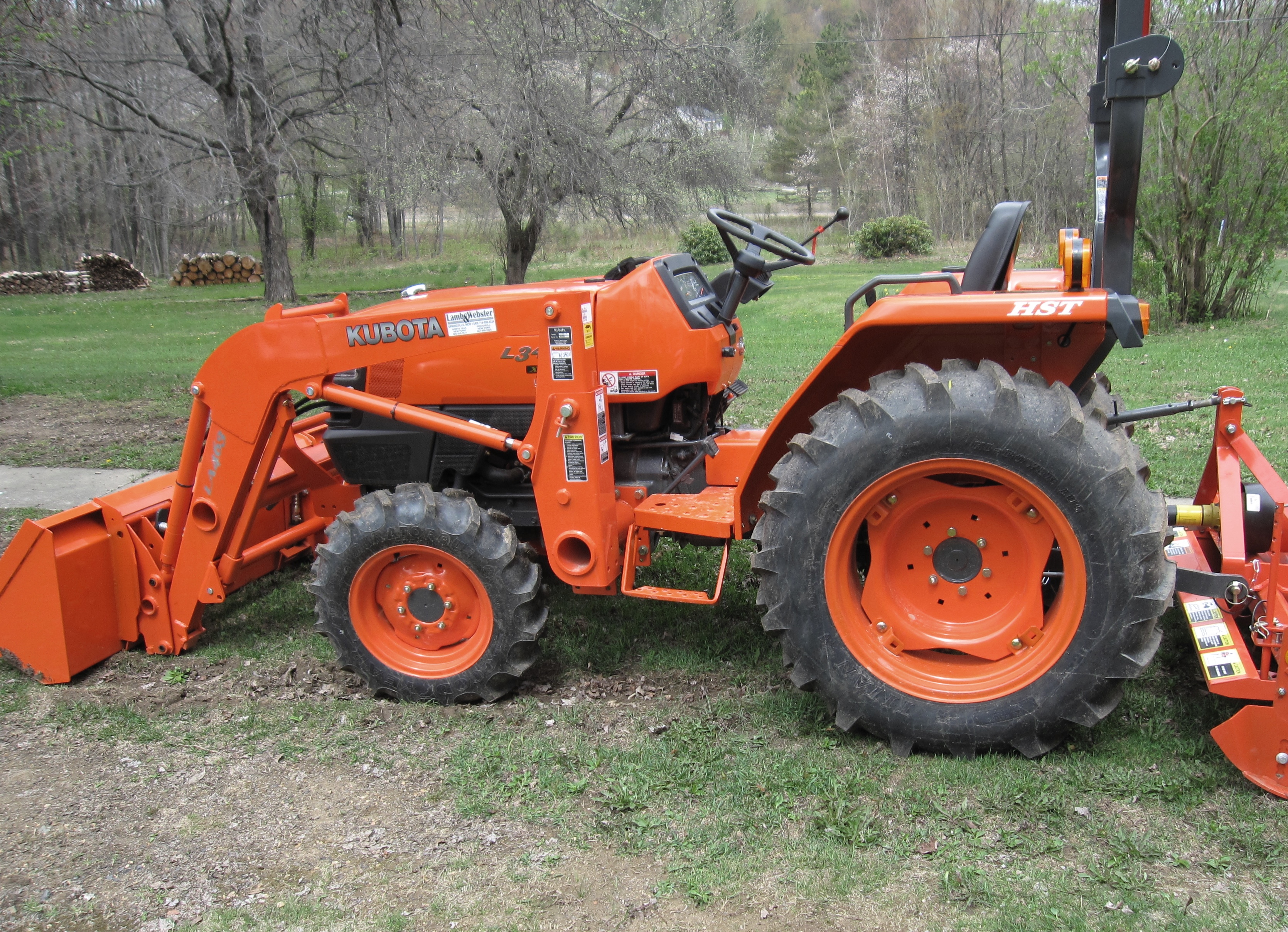
Maintaining a Kubota tractor requires a systematic approach encompassing daily safety inspections, scheduled fluid and filter changes, electrical system upkeep, and seasonal storage protocols to ensure long-term mechanical reliability and peak performance.
Introduction to Kubota Tractor Maintenance
Owning a Kubota tractor—whether it is a compact sub-compact model for residential property management or a larger utility machine for agricultural work—demands a disciplined maintenance routine. Regular upkeep protects your investment, prevents costly field breakdowns, and preserves operator safety. Because these machines utilize robust diesel engines, high-pressure hydraulic systems, and complex power take-off (PTO) assemblies, treating maintenance as an ongoing responsibility rather than an occasional chore is essential.
Understanding the specific service intervals outlined in your operator's manual is the foundation of proper care. While general service milestones apply across most agricultural and utility machinery, environmental factors such as dust, heavy moisture, and extreme temperatures demand adjustments to your maintenance schedule. This guide explores the vital aspects of Kubota tractor maintenance, detailing pre-operation checks, scheduled fluid replacements, hydraulic and electrical system care, and troubleshooting practices.
Pre-Operation and Daily Safety Inspections
Before turning the key on any Kubota tractor, a quick visual and physical inspection can prevent catastrophic component failures. Daily checks take less than ten minutes but yield significant returns in reliability and safety.
Fluid Level Verification
Checking fluid levels is the most critical pre-start task. Pull the engine oil dipstick, wipe it clean, reinsert it, and verify that the oil level sits between the operating marks. Next, check the coolant recovery tank to ensure engine temperature regulation will not be compromised. For hydrostatic and gear-driven models, check the transmission and hydraulic fluid sight glass or dipstick. Low hydraulic fluid can cause pump cavitation, sluggish loader response, and permanent internal damage.
Visual and Mechanical Inspections
- Tires and Wheels: Inspect turf, R4 industrial, or agricultural bar tires for cuts, excessive sidewall cracking, and proper inflation pressure. Check wheel bolt torque regularly, especially on new machines or after heavy loader work.
- Belts and Hoses: Examine the alternator fan belt for proper tension and fraying. Inspect rubber coolant and hydraulic hoses for signs of bulging, dry rot, or fluid seepage.
- Safety Interlocks: Test the operator presence system, neutral start switches, and PTO safety interlocks to ensure the engine will not crank while gear selectors are engaged or the PTO is active.
- Air Filtration: Check the primary and secondary air filter dust valves. Empty accumulated debris from the rubber evacuation valve to prevent premature clogging of the paper elements.

Scheduled Maintenance Intervals and Fluid Services
Adhering to service hour milestones ensures that oils, filters, and wear components are replaced before they degrade and cause internal engine or transmission wear.
Initial 50-Hour Service
New Kubota tractors require a rigorous break-in service at the 50-hour mark. This critical milestone involves draining the initial engine oil, replacing the engine oil filter, changing the transmission/hydraulic fluid, and replacing the hydraulic suction and transmission filters. Manufacturing tolerances during the break-in period generate microscopic metal shavings; purging these contaminants protects precision pump gears and valve bodies. Additionally, technicians must check and adjust valve clearances on applicable models and re-torque cylinder head bolts and manifold fasteners per factory specifications.
Routine Periodic Maintenance Intervals
Once past the initial break-in period, maintenance follows predictable intervals:
- Every 100 Hours: Clean or replace air filter elements, grease all chassis and loader pivot points, and check battery terminal cleanliness and electrolyte levels.
- Every 200 Hours: Change engine oil and replace the oil filter. Inspect fuel lines and clean or replace the fuel filter/water separator element. Check brake pedal free play and clutch adjustment.
- Every 400 Hours: Replace transmission and hydraulic filters, clean the hydraulic suction strainer, and check cooling system hoses and clamps.
- Every 800 Hours or Annually: Flush and replace engine coolant, service fuel injection systems, and change front axle differential oil on four-wheel-drive models.
| Service Interval | Key Tasks and Components | Recommended Lubricants / Fluids |
|---|---|---|
| Daily (Pre-Start) | Check engine oil, coolant, hydraulic fluid, tire pressure, and safety interlocks. | OEM-specified engine oil & hydraulic fluid |
| 50 Hours (Break-In) | Change engine oil/filter; replace transmission filters; adjust fasteners. | Kubota Super UDT2 / OEM Engine Oil |
| 100 Hours | Grease loader fittings, clean air filters, check battery and fan belt tension. | Lithium-based multi-purpose grease |
| 200 Hours | Change engine oil and filter; service fuel filter and water separator. | Certified diesel engine oil (CJ-4 / CK-4) |
| 400 Hours | Replace hydraulic/transmission filters; clean suction strainers; check brakes. | Kubota Super UDT2 hydraulic fluid |
| 800 Hours / Annual | Flush cooling system, replace coolant, change front axle gear oil. | Ethylene glycol coolant / Gear oil (SAE 80W-90) |
Engine and Fuel System Maintenance
Kubota diesel engines are renowned for durability, but they rely heavily on clean fuel and unrestricted airflow to operate efficiently.
Fuel System Care and Water Separation
Modern diesel fuel is susceptible to moisture condensation and microbial growth ("algae"). Inspect the clear bowl of the fuel water separator daily. If water droplets or sediment are visible at the bottom of the bowl, loosen the drain valve to purge the contaminants until clean fuel appears. Replace primary and secondary fuel filters according to your schedule, and always prime the fuel system properly if air enters the lines during filter changes to protect the injection pump.
Cooling System Management
Overheating is a primary enemy of diesel engines. Regularly clean the radiator core and rotary screen of chaff, grass clippings, and dust using compressed air or low-pressure water. Never spray high-pressure water directly onto fragile aluminum radiator fins, as this can bend them and restrict airflow. Periodically test the coolant concentration with a refractometer to ensure freeze and boil-over protection match your local climate.
Hydraulic and Transmission System Upkeep
The hydraulic system operates the steering, three-point hitch, and front-end loader. Maintaining fluid purity is vital.
Selecting the Correct Hydraulic Fluid
Always use manufacturer-approved fluids, such as Kubota Super UDT2, rather than generic universal tractor transmission oils (UTTO). Generic oils can cause wet-brake chatter, sluggish hydraulic response in cold weather, and premature wear on synchronizers. When changing hydraulic fluid, perform the service on a warm tractor so suspended contaminants drain out with the fluid.
Grease Zerk Maintenance
Every pivot point on the front-end loader, steering knuckles, and three-point hitch lift arms features a grease fitting (zerk). Apply multi-purpose lithium grease with a manual grease gun until fresh grease purges from the joint margins. This pushes out dirt, water, and abrasive grit. Wipe away excess grease to prevent it from attracting dirt.
Electrical and Battery Upkeep
Electrical faults can disable a tractor just as effectively as a mechanical failure. Maintaining the charging and starting circuits prevents unexpected downtime.
Battery Health and Terminals
Tractors often sit idle between seasons, making them prone to battery discharge. Clean corrosion from battery terminals using a wire brush and a solution of baking soda and water. Apply a protective terminal spray to prevent future oxidation. If storing the tractor for extended periods, disconnect the negative battery terminal or connect a smart trickle charger to maintain optimal voltage.
Fuse Panels and Wiring Harnesses
Inspect exposed wiring harnesses running along the chassis, loader frame, and engine compartment. Rodents are often attracted to the soy-based insulation coatings used in modern wiring; check for chewed wires or nests near the starter motor and instrument panel. Keep spare fuses of the correct amperage ratings in the onboard toolbox.
Troubleshooting Common Maintenance Issues
Even with diligent maintenance, issues can arise during field operation. Knowing how to diagnose basic symptoms saves time and repair costs.
- Engine Cranks But Won't Start: Check fuel level and ensure the fuel shut-off valve is open. Verify that the transmission is in neutral and safety switches are engaged. If air entered the fuel system, bleed the fuel lines at the filter and injection pump.
- Loss of Hydraulic Lift Power: Check hydraulic fluid levels immediately. A low fluid level causes pump starvation. If fluid is full, inspect for a clogged hydraulic suction filter or a stuck pressure relief valve.
- Excessive Engine Smoke: Black smoke indicates restricted airflow (clogged air filter) or an overloaded engine. Blue smoke indicates burning engine oil, often caused by worn piston rings or valve seals. White smoke during cold startup is normal unburned fuel, but persistent white smoke once warmed up indicates coolant leaking into the combustion chamber via a blown head gasket.
- Overheating Engine: Inspect the radiator screen and core for debris blockage. Check coolant level and thermostat operation. Ensure the fan belt is tensioned correctly and not slipping.
Conclusion and Seasonal Storage
Properly maintaining a Kubota tractor guarantees dependable performance year after year. By committing to daily pre-start inspections, respecting service hour intervals for fluid and filter replacements, and utilizing genuine parts and fluids, you extend the working life of your equipment. When storing the tractor for the winter or extended periods, clean the chassis thoroughly, fill the fuel tank completely to minimize condensation, lubricate all grease points, and store the machine in a dry, covered structure.
Image Gallery
Select an image to open it in a new tab.
Declan O'Connor
Higher Education and Campus Culture Reporter
