
The 2016 Sagamihara mass stabbing, also known as the Tsukui Yamayuri En incident, was a targeted hate crime against people with disabilities. On July 26, 2016, Satoshi Uematsu killed 19 residents and injured 26 others at a care facility in Kanagawa Prefecture, motivated by a violent, self-derived eugenics ideology.
The Sagamihara stabbing remains the deadliest mass killing in Japan’s post-war history. While Japan is globally recognized for its low violent crime rates and strict weapon control laws, this event exposed deep-seated vulnerabilities in institutional security and sparked a painful national conversation regarding the stigma surrounding disability. As of 2026, the incident continues to serve as a primary reference point for legislative changes in mental health care and the protection of human rights for the vulnerable.
The Timeline of the Tsukui Yamayuri En Attack
The attack occurred in the early hours of July 26, 2016, at the Tsukui Yamayuri En (Lily of the Valley Garden) residential care home. The facility, located in the Midori Ward of Sagamihara, Kanagawa Prefecture, was a government-run center designed to support individuals with a wide range of physical and intellectual disabilities.
According to police reports and trial testimonies, Satoshi Uematsu, a 26-year-old former employee of the facility, drove to the center at approximately 2:00 AM. He broke into the building by smashing a first-floor window with a hammer. Once inside, he bound several staff members with plastic ties and began a systematic attack on the sleeping residents.
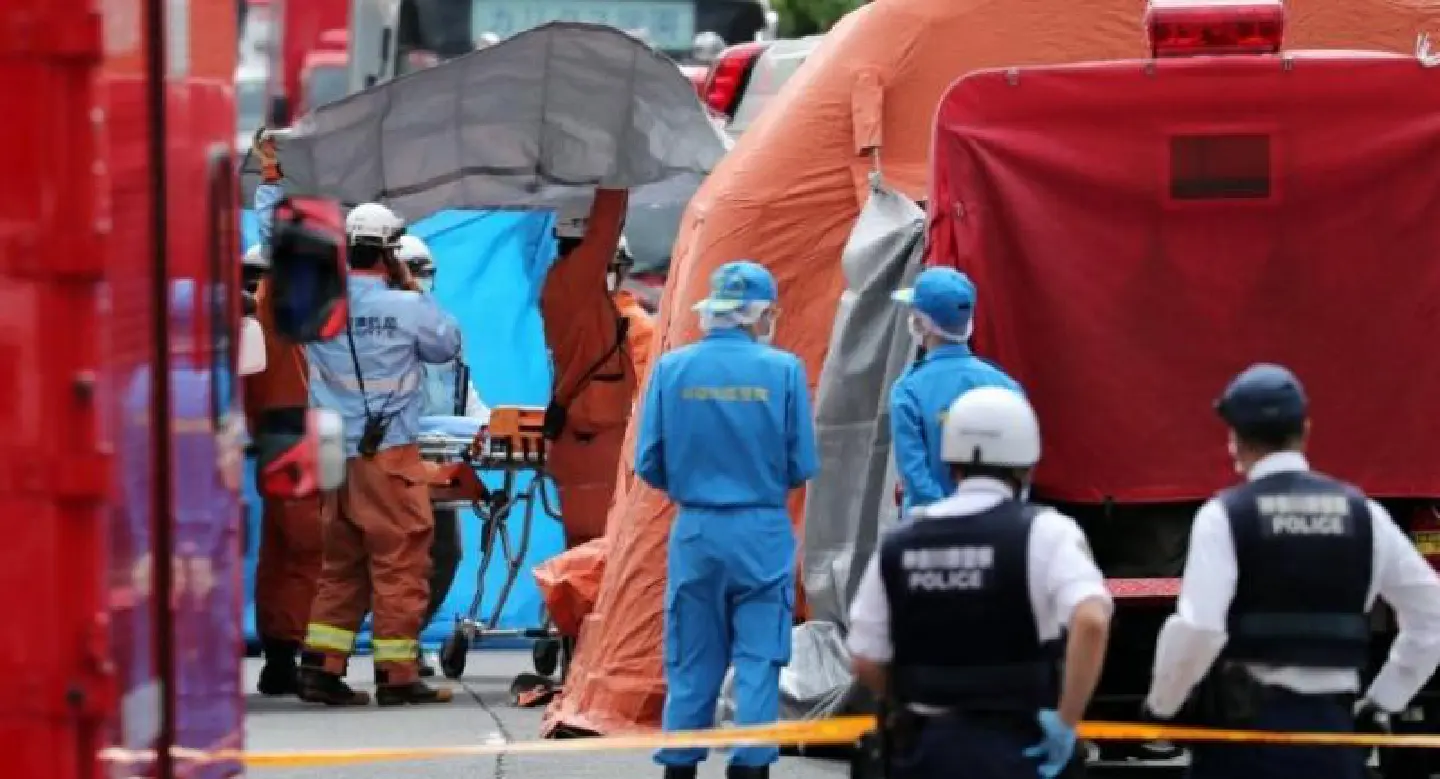
Uematsu moved from room to room, targeting victims specifically based on his perception of their level of disability. By the time the police were alerted, 19 residents (nine men and ten women, aged 19 to 70) had been fatally stabbed, and 26 others were severely injured. Approximately 30 minutes after the massacre began, Uematsu walked into the Sagamihara police station with a bag of blood-stained knives and turned himself in, stating, "I did it."
The Motive: A Radical Ideology of Eugenics
What distinguishes the Sagamihara stabbing from other acts of mass violence is the explicit, ideological motive provided by the perpetrator. Satoshi Uematsu did not act out of sudden "insanity" or random rage; instead, his actions were the culmination of a deeply held belief system rooted in a radicalized form of eugenics.
The "Manifesto" and Warning Signs
Months prior to the attack, in February 2016, Uematsu delivered a hand-written letter to the Speaker of the House of Representatives in Tokyo. In this letter, he outlined a chilling plan to "euthanize" people with disabilities, claiming that they "only create unhappiness" and that his actions would be for the "benefit of the world economy."
The letter contained specific details, including:
- A plan to target Tsukui Yamayuri En during the night shift.
- A request for a reward and plastic surgery after carrying out the "revolution."
- Arguments that individuals with severe disabilities who cannot communicate should be eliminated.
Following this letter, Uematsu was interviewed by police and involuntarily committed to a psychiatric hospital. However, he was released just twelve days later after doctors determined he was no longer a threat. This lapse in the mental health monitoring system became a central point of criticism in the aftermath of the tragedy.
The Concept of "Worth"
Uematsu’s ideology was built on the premise that a person's value is tied strictly to their economic productivity and ability to communicate. He viewed the residents of the facility not as human beings with rights, but as a "burden" on society. This mindset reflects a dark undercurrent of ableism that disability advocates in Japan have fought against for decades.
Legal Proceedings and the Death Sentence
The trial of Satoshi Uematsu was one of the most closely watched legal events in modern Japanese history. The defense argued that Uematsu was mentally incompetent at the time of the crime due to drug use (marijuana) and a personality disorder, which should have exempted him from criminal responsibility.
However, prosecutors maintained that the attack was meticulously planned and that Uematsu’s ideological motivations, however warped, were consistent and logically structured within his own framework. They argued he was fully aware of the illegality of his actions, evidenced by his decision to bind the staff and his subsequent surrender to the police.
In March 2020, the Yokohama District Court sentenced Satoshi Uematsu to death. The presiding judge, Kiyoshi Aonuma, stated that the crime was "extremely cruel" and left "no room for leniency." Uematsu waived his right to appeal, and the death sentence was finalized. In the Japanese legal system, the timing of executions is kept secret until after they occur; as of 2026, Uematsu remains on death row, and his case continues to prompt discussions about the efficacy and ethics of the death penalty in Japan.
Comparative Context: Mass Violence in Japan
While Japan has strict gun laws, "street crimes" involving knives or "lone wolf" attacks have occurred periodically. The Sagamihara stabbing is often compared to other notable incidents to understand the evolution of public safety and societal stressors.
| Incident | Year | Location | Casualties | Method | Primary Context |
|---|---|---|---|---|---|
| Ikeda School Massacre | 2001 | Osaka | 8 dead, 15 injured | Knife | Targeted elementary school students; led to massive school security reforms. |
| Akihabara Massacre | 2008 | Tokyo | 7 dead, 10 injured | Vehicle/Knife | "Random" attack on pedestrians; prompted changes in traffic zones and knife laws. |
| Sagamihara Stabbings | 2016 | Kanagawa | 19 dead, 26 injured | Knife | Targeted hate crime against the disabled; deadliest post-WWII massacre. |
| Kawasaki Stabbings | 2019 | Kanagawa | 2 dead, 18 injured | Knife | Targeted school children at a bus stop; perpetrator committed suicide. |
| Kyoto Animation Arson | 2019 | Kyoto | 36 dead, 34 injured | Arson | High-casualty attack driven by a personal grudge over alleged plagiarism. |
Societal Impact and the Stigma of Disability
One of the most tragic aspects of the Sagamihara stabbing was the initial anonymity of the victims. For weeks after the attack, the Kanagawa Prefectural Police and many of the victims' families chose not to release the names of those killed.
The "Hidden" Victims
The decision to withhold names was largely attributed to the social stigma surrounding disability in Japan. Many families feared that being associated with a disabled relative—even one who was a victim of a crime—would lead to discrimination or "shame" for the surviving family members. This sparked a counter-movement by disability rights activists who argued that "the 19" deserved to be remembered as individuals with names and histories, not just as statistics.
Over time, some families did come forward. For instance, the mother of 19-year-old "Miho" (a pseudonym used initially) eventually shared her daughter’s name and story to ensure her life was honored. This shift has been instrumental in the 2020s in pushing for greater visibility and "normalization" of disability in Japanese public life.
Policy Changes and Institutional Reform
Following the attack, the Japanese government implemented several changes aimed at preventing a recurrence:
- Security Upgrades: Mandatory security reviews for all residential care facilities were conducted, leading to the installation of more robust surveillance and alarm systems.
- Mental Health Law Revisions: Debates over the "Mental Health and Welfare Act" focused on how to better monitor individuals who have been involuntarily committed for posing a danger to others.
- The "Act for Eliminating Discrimination against Persons with Disabilities": While enacted just before the attack, the tragedy accelerated the enforcement and public awareness campaigns surrounding this law.
The Reconstruction of Tsukui Yamayuri En
In the years following the tragedy, there was significant debate over whether the facility should be demolished or rebuilt. Some argued that the site was too traumatized for residents to return, while others believed that closing it would be a "surrender" to Uematsu’s ideology of exclusion.
The original buildings were eventually demolished, and a new, more integrated facility was completed. The new Tsukui Yamayuri En focuses on smaller living units and a design that encourages more interaction with the local community, rather than the isolated, institutional model of the past. A memorial monument was also erected on-site to honor the victims and remind the public of the sanctity of all human lives.
Frequently Asked Questions
Why did the perpetrator target a disability facility?
Satoshi Uematsu specifically targeted the facility because he believed that people with disabilities who could not communicate effectively did not have a "right to live." He viewed himself as a savior who was reducing the "burden" on society. His history as a former employee gave him the knowledge of the building's layout and staffing schedules needed to carry out the attack.
How did the perpetrator manage to kill so many people alone?
The high death toll was a result of several factors: the attack occurred at night when residents were sleeping, many victims had physical or intellectual limitations that prevented them from resisting or escaping, and Uematsu had specific knowledge of the facility's low night-shift staffing levels. He also used tactical restraints (plastic ties) to neutralize the few staff members on duty.
What has changed in Japan since the 2016 stabbing?
Since 2016, there has been a significant increase in security spending for welfare facilities and a major push for "deinstitutionalization"—moving people with disabilities out of large, isolated centers and into community-based living. Additionally, the incident forced Japan to confront "ableism" more directly in its education system and media.
Was the attack related to any international extremist groups?
No. Investigations confirmed that Uematsu acted alone. While his ideology shared some characteristics with historical Nazi eugenics, his radicalization was self-driven and not linked to any modern terrorist organization or extremist political party.
Is the Tsukui Yamayuri En facility still open?
Yes, the facility was rebuilt and reopened in late 2021. The new design moved away from the large-scale "warehouse" style of housing toward a model that emphasizes the dignity and individual needs of the residents.
Final Perspective: A Call for Inclusive Vigilance
The Sagamihara mass stabbing was not just a failure of physical security; it was a failure of societal inclusion. While the legal system has addressed the perpetrator, the underlying task of dismantling the stigma against those with disabilities remains an ongoing process in Japan and globally. For families, caregivers, and policymakers, the primary lesson of the Tsukui Yamayuri En incident is that the safety of a community is inextricably linked to how it values its most vulnerable members. Moving forward, the focus remains on ensuring that "care" is synonymous with "dignity," and that the ideology of eugenics is replaced by a culture of universal respect.
Image Gallery
Select an image to open it in a new tab.
Akira Tanaka
International Academic Trends Correspondent
