Who Beat Floyd Mayweather? The Truth About the Undisputed Champion’s Record
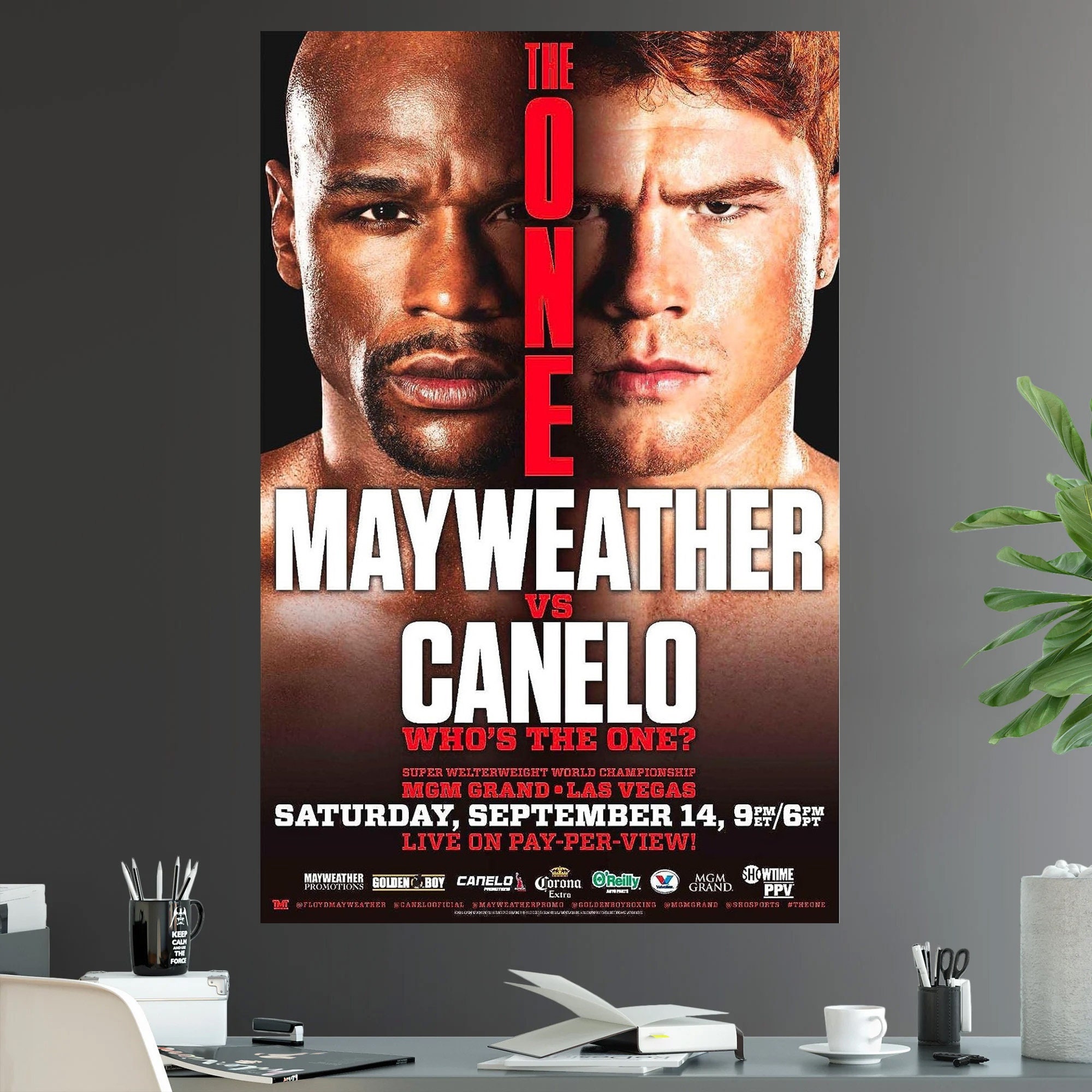
Floyd Mayweather Jr. was never defeated in his professional boxing career, retiring with a perfect record of 50 wins and 0 losses. While he remained unbeaten as a professional, he suffered several losses during his amateur career, most notably to Serafim Todorov at the 1996 Olympics.
Floyd "Money" Mayweather is widely regarded as the greatest defensive boxer in the history of the sport. His ability to hit and not be hit allowed him to navigate 50 professional bouts across five different weight classes without a single official blemish on his record. However, the question of "who beat him" often arises because of his high-profile amateur career and a handful of professional fights that sparked intense scoring controversies. As of 2026, Mayweather’s 50-0 record remains one of the most protected and celebrated milestones in athletic history, serving as the gold standard for defensive excellence and promotional genius.
To understand how Mayweather remained "undefeated," one must look past the professional win-loss column and examine his amateur roots, the technical nuances of his "undisputed" status, and the specific opponents who came closest to shattering his perfect streak.
The Amateur Era: The Last Men to Defeat Mayweather
Before Floyd Mayweather became a global superstar and the highest-paid athlete in the world, he was a standout amateur fighting in the featherweight division. In the amateur ranks, where the scoring systems and headgear requirements differ significantly from the professional game, Mayweather was not invincible. He finished his amateur career with a reported record of 84 wins and 8 losses.
Serafim Todorov and the 1996 Olympic Controversy
The most famous "loss" in Mayweather’s life occurred on August 2, 1996, during the semifinals of the Atlanta Olympic Games. Mayweather faced Bulgarian boxer Serafim Todorov. The fight remains a point of historical contention. Mayweather appeared to outwork Todorov, landing cleaner shots throughout the three rounds.
When the decision was announced, even the referee initially raised Mayweather’s hand, thinking he had won, only to realize the judges had awarded the bout to Todorov by a score of 10–9. This loss relegated Mayweather to a bronze medal and prompted the U.S. boxing team to file a formal protest, which was ultimately denied. Todorov remains the last man to officially defeat Floyd Mayweather in any form of organized boxing competition.
Other Amateur Defeats
While Todorov is the most cited name, other fighters managed to best a young Mayweather during his developmental years:
- Augie Sanchez: In the 1996 Olympic Trials, Sanchez defeated Mayweather, though Mayweather would later avenge this loss twice to secure his spot on the Olympic team.
- Carlos Navarro: He defeated Mayweather in the 1995 Pan American Games qualifiers.
- Martin Castillo: The future professional world champion defeated Mayweather in 1994.
- Noureddine Medjhoud: An Algerian boxer who defeated Mayweather during the 1995 World Championships in Berlin.
These losses are often credited by Mayweather himself as the motivation he needed to perfect his defensive style. He vowed never to let a judge take a fight from him again, leading to the hyper-cautious, technically proficient "Money" persona seen in his later years.
The "Undisputed" Label and Divisional Dominance
In boxing, the term "undisputed" has a very specific technical meaning: a fighter who holds all major world title belts (WBC, WBA, IBF, and WBO) simultaneously in a single weight class. While Mayweather was a world champion in five weight divisions—Super Featherweight, Lightweight, Light Welterweight, Welterweight, and Light Middleweight—his status as "undisputed" is often a point of semantic debate.
Mayweather was a unified champion and a lineal champion multiple times. For example, in the welterweight division, he held the WBC, WBA, and WBO titles after defeating Manny Pacquiao in 2015. However, because he rarely held the IBF belt at the same time as the others due to sanctioning fee disputes or the timing of his retirements, he was technically a "unified" champion rather than the "undisputed" four-belt king.
Regardless of the technicality of the belts, the boxing world generally recognized him as the "undisputed" best pound-for-pound fighter on the planet for over a decade. His dominance was not defined by the physical straps he carried, but by his victory over every reigning champion he faced.
The Closest Professional Calls: Near-Losses and Controversies
While the official record reads 50-0, several professional opponents pushed Mayweather to the absolute limit. In these instances, fans and analysts continue to debate whether the judges' scorecards accurately reflected the action in the ring.
Jose Luis Castillo I (2002)
Many boxing purists believe Jose Luis Castillo was the man who truly beat Floyd Mayweather. In their first meeting for the WBC Lightweight title, Castillo utilized a relentless body attack and high-pressure tactics. According to CompuBox stats, Castillo landed more total punches (203 to 157) and more power shots (173 to 66) than Mayweather.
Despite the statistical disadvantage, the judges awarded Mayweather a unanimous decision. The backlash was so significant that Mayweather granted an immediate rematch, which he won much more convincingly, silencing some—but not all—of the critics.
Marcos Maidana I (2014)
Argentinian brawler Marcos Maidana provided one of the most physically taxing nights of Mayweather's career. Maidana's "wild" style and willingness to fight dirty neutralized Mayweather’s traditional defensive shell for the first half of the fight. Maidana threw over 850 punches, many of them landing on Mayweather's arms and shoulders, but creating the optics of a dominant performance. Mayweather eventually adjusted and won a majority decision, with one judge scoring it a draw (114-114).
Oscar De La Hoya (2007)
The fight that catapulted Mayweather to "megastar" status was his split-decision victory over Oscar De La Hoya. De La Hoya used his jab effectively and pinned Mayweather against the ropes early on. One judge actually scored the fight for De La Hoya, making it one of the very few times a professional judge saw Mayweather as the loser of a contest. However, Mayweather’s accuracy in the later rounds allowed him to pull away on the other two scorecards.
Comparison of Key Opponents and Outcomes
The following table outlines the men who either officially defeated Mayweather (Amateur) or came within a single scorecard of ending his professional streak.
| Opponent | Level | Date | Result | Context/Controversy |
|---|---|---|---|---|
| Serafim Todorov | Amateur | Aug 1996 | Loss (Points) | 1996 Olympic Semifinal; widely considered a "robbery." |
| Augie Sanchez | Amateur | 1996 | Loss (Points) | Occurred during Olympic Trials; Mayweather later avenged it. |
| Jose Luis Castillo | Professional | Apr 2002 | Win (UD) | Many observers felt Castillo's volume earned the win. |
| Oscar De La Hoya | Professional | May 2007 | Win (SD) | Mayweather's only professional split-decision victory. |
| Marcos Maidana | Professional | May 2014 | Win (MD) | A majority decision where one judge saw it as a draw. |
| Manny Pacquiao | Professional | May 2015 | Win (UD) | The "Fight of the Century" where Mayweather won comfortably. |
The Mechanics of the Unbeaten Streak: How He Stayed 50-0
Mayweather's ability to remain undefeated for 21 years in the professional ranks was not a matter of luck; it was a result of a highly sophisticated technical system and strategic career management.
The Philly Shell Defense
Mayweather mastered the "Philly Shell" or Shoulder Roll. By tucking his chin behind his lead shoulder and using his trailing hand to parry jabs and catch hooks, he made it nearly impossible for opponents to land "clean" headshots. This style minimized physical damage, allowing him to fight at an elite level well into his late 30s and early 40s.
Ring Generalship and IQ
Mayweather was a "counter-puncher" by trade. He spent the first few rounds of every fight "downloading data," essentially allowing his opponent to throw punches so he could calculate their timing, reach, and tendencies. Once the data was collected, he would adjust his footwork to stay just out of range, forcing opponents to overextend and leave themselves open to his straight right hand.
Strategic Matchmaking
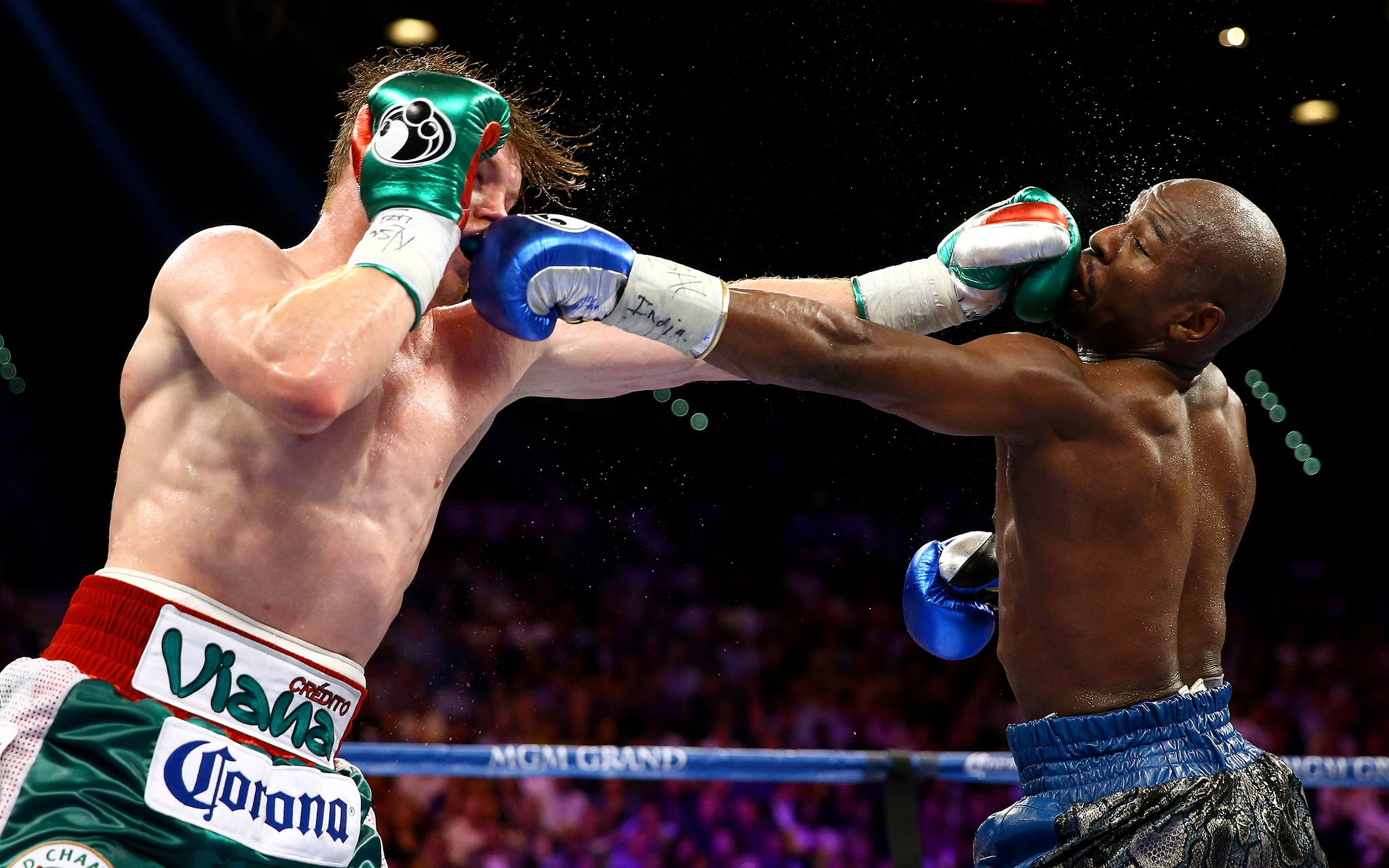
Critics often argue that Mayweather stayed undefeated by "dodging" certain fighters in their prime. While he eventually fought almost every major name of his era (Canelo Alvarez, Shane Mosley, Miguel Cotto, Manny Pacquiao), he was often accused of waiting until opponents were slightly past their peak or forcing them into specific weight "catchweights" that favored his conditioning. Regardless of the timing, he defeated 22 world champions throughout his career.
The Post-Retirement Exhibitions
Following his 50th professional win against UFC star Conor McGregor in 2017, Mayweather transitioned into the world of exhibition boxing. These bouts do not count toward his professional 50-0 record.
In these exhibitions, Mayweather has faced YouTube personalities like Logan Paul, MMA fighters like Mikuru Asakura, and kickboxers like Tenshin Nasukawa. While some of these bouts (like the Logan Paul fight) did not have an official winner declared, Mayweather was never in danger of losing. These events have allowed him to maintain his "undefeated" aura while earning hundreds of millions of dollars outside the traditional competitive structure of the sport.
Frequently Asked Questions
Did Floyd Mayweather ever lose a fight in his life?
Yes. Floyd Mayweather lost several times as an amateur. His most famous loss was to Serafim Todorov at the 1996 Olympics. He also lost to Augie Sanchez and Carlos Navarro during his amateur career. He has never lost a professional fight.
Who was the last person to beat Mayweather?
Serafim Todorov of Bulgaria was the last person to officially beat Floyd Mayweather. This occurred in the semifinals of the 1996 Atlanta Olympics. Since turning professional in October 1996, no one has officially defeated him.
Was Floyd Mayweather ever knocked down?
Officially, Floyd Mayweather has only been credited with one knockdown in his professional career. This occurred during his 2001 fight against Zab Judah, but it was a controversial call; Mayweather's glove touched the canvas after a punch, which technically constitutes a knockdown, though many argue it was a slip. He was also famously wobbled by Shane Mosley in 2010 but did not go down.
Why is there a debate about the Jose Luis Castillo fight?
The debate exists because Castillo landed more punches and appeared to control the pace of the fight. Many analysts, including the HBO unofficial scorer Harold Lederman, scored the fight for Castillo. However, the official judges favored Mayweather’s cleaner, more accurate punching over Castillo’s volume.
Did Manny Pacquiao beat Floyd Mayweather?
No. Floyd Mayweather defeated Manny Pacquiao via unanimous decision on May 2, 2015. While the fight was the most lucrative in boxing history, Mayweather won the majority of the rounds by using his reach and defensive movement to neutralize Pacquiao’s aggression.
The Legacy of the "0"
As of 2026, the "0" in Mayweather’s 50-0 record has become more than just a statistic; it is a brand. It represents a career where the athlete maintained total control over his health, his finances, and his legacy. While the amateur losses remind us that he is human, his professional perfection suggests a level of mastery that may not be seen again for generations.
For those looking to study the art of boxing, Mayweather’s career serves as a masterclass in risk management. By prioritizing defense and ring intelligence over raw power or fan-pleasing brawls, he proved that in the "sweet science," the ultimate winner is the one who can solve the puzzle without getting hurt.
Image Gallery
Select an image to open it in a new tab.
Celine Dubois
Contemporary Living and Global Arts Columnist
