TikTok Hype House Explained: The Rise, Fall, and Legacy of the Influencer Collective

The Hype House was a prominent social media collective and physical residence in Los Angeles where TikTok creators collaborated to maximize their reach and brand value. Founded in 2019, it served as a launchpad for global stars like Charli D’Amelio and Addison Rae, defining the "collab house" era of digital entertainment.
In the landscape of 2026, the Hype House is viewed as the architectural blueprint for the modern creator economy. While the original physical mansion and its core roster have long since transitioned into solo ventures, the strategies pioneered within those walls—cross-pollination of audiences, 24/7 content production, and collective brand negotiation—remain the standard for digital talent management. To understand the Hype House is to understand how TikTok evolved from a lip-syncing app into a multi-billion-dollar star-making machine.
The Genesis of the Hype House: December 2019
The Hype House was officially formed in December 2019 by Thomas Petrou, a former member of Jake Paul’s Team 10, and Chase Hudson (known online as Lil Huddy). They were joined by Daisy Keech and Alex Warren, among others. The concept was simple yet revolutionary: lease a massive Spanish-style mansion in Los Angeles, fill it with the most promising talent on the burgeoning TikTok platform, and create a "content factory."
Unlike previous influencer houses, such as those on YouTube or Vine, the Hype House was designed specifically for the TikTok algorithm. The app’s "For You" page (FYP) favored high-frequency posting and collaborative trends. By living together, creators could appear in dozens of videos a day across multiple accounts, ensuring that if a user saw one member on their feed, they were likely to see three more shortly after. This created a recursive loop of visibility that propelled the members to the top of the platform’s rankings within months.
The Founding Visionaries
Thomas Petrou acted as the de facto manager and disciplinarian of the house. Having witnessed the rise and fall of Team 10, he sought to create a more sustainable, less "prank-heavy" environment. His goal was to provide creators with a supportive infrastructure—lighting, backdrops, and a network of peers—without the extreme contractual rigidity that had plagued earlier collectives.
Chase Hudson provided the "cool factor" and aesthetic direction. His mastery of the "e-boy" subculture and his massive following among Gen Z helped define the house's early brand identity as a hub for the platform’s elite.
Strategic Operations: How the House Functioned
The Hype House was never just a home; it was a business incubator. Members were categorized into those who lived in the house full-time and those who used it as a production hub. The residency was not a free ride; creators were expected to produce content daily.
The "Collab House" Advantage
The primary mechanism of the Hype House’s success was "cross-pollination." When Charli D’Amelio (then the house’s biggest star) filmed a dance video with a lesser-known member, that member’s following would often skyrocket overnight. This synergy allowed the collective to maintain a dominant share of the TikTok cultural conversation.
- Logistical Efficiency: Creators had access to professional-grade equipment and a variety of filming locations within a single property.
- Algorithmic Mastery: By participating in the same "sounds" and "challenges" simultaneously, the group could effectively force a trend to go viral.
- Brand Leverage: As a collective, the Hype House could command much higher sponsorship rates from major brands (like Prada, American Eagle, and Morphe) than individual creators could on their own.
The Original Roster
At its peak in early 2020, the roster included the most influential names on the platform:
- Charli and Dixie D’Amelio: The undisputed faces of TikTok who brought mainstream attention to the house.
- Addison Rae: A top-tier creator who leveraged the house to launch a music and film career.
- Avani Gregg: Known for her makeup artistry and versatility.
- The Lopez Brothers: Known for their dance content.
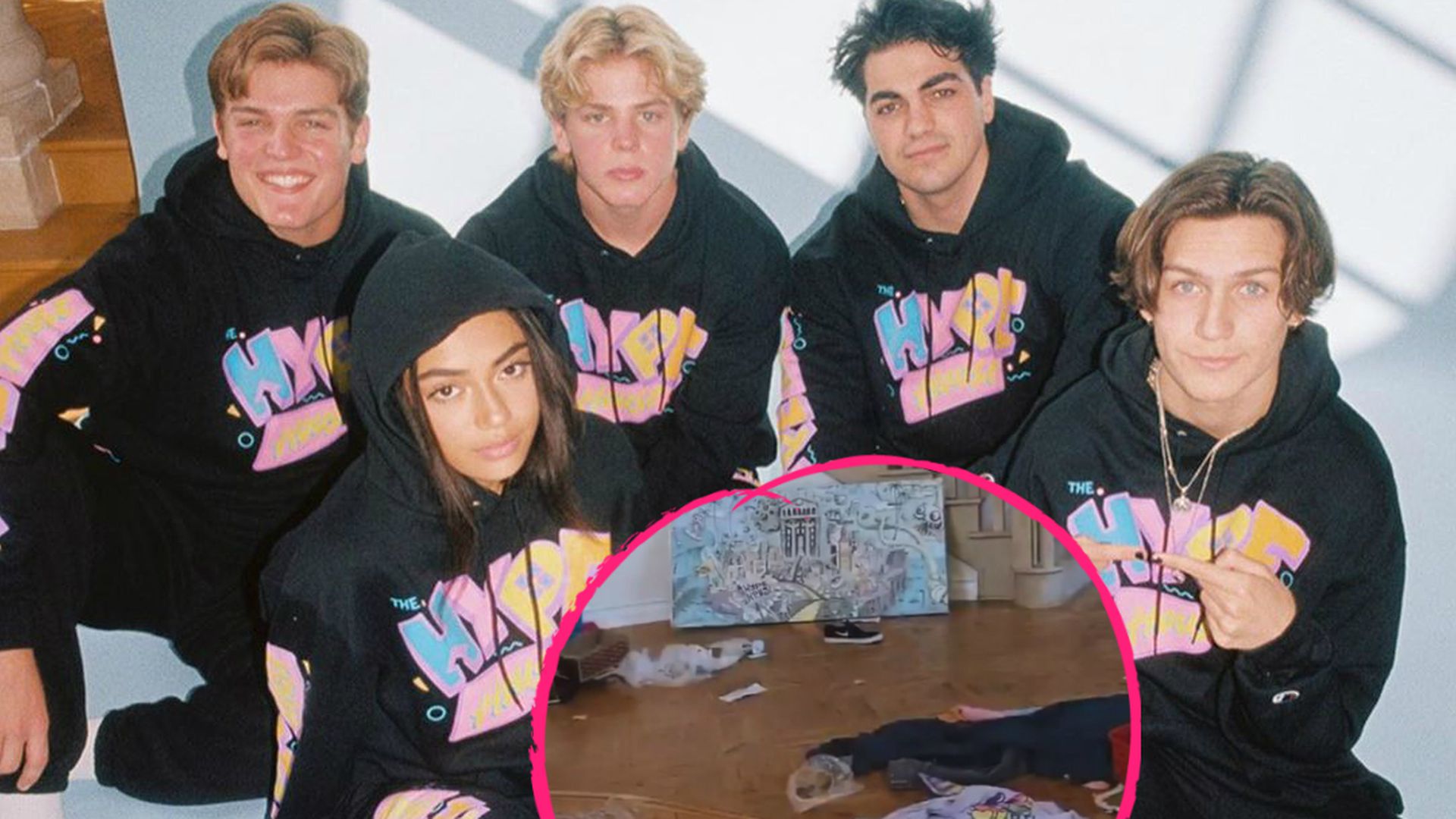
Internal Turmoil and the First Wave of Departures
The "honeymoon phase" of the Hype House was relatively short-lived. By mid-2020, cracks began to show in the foundation. The primary issues were legal disputes, personality clashes, and the inevitable desire for the biggest stars to branch out on their own.
The Daisy Keech Lawsuit
One of the first major blows to the collective was the departure of co-founder Daisy Keech. In early 2020, Keech filed a lawsuit against Thomas Petrou and Chase Hudson, alleging that she was being excluded from business decisions and denied proper credit as a co-founder. This legal battle exposed the informal and often precarious nature of influencer contracts. Keech eventually left to form her own collective, the Clubhouse, which highlighted the competitive and often cutthroat nature of the L.A. influencer scene.
The D’Amelio Exit
In May 2020, Charli and Dixie D’Amelio officially left the Hype House. Their departure was a pivotal moment; they were the collective’s largest assets. The sisters cited a desire to focus on their family brand and move away from the "drama-centric" environment that social media houses often breed. Their exit proved that once a creator reaches a certain level of global fame, the benefits of a collective are outweighed by the need for individual brand control.
Comparison of Major Influencer Collectives
To understand the Hype House's place in history, it is helpful to compare it to its contemporaries that existed during the same era.
| Collective | Primary Platform | Management Style | Key Differentiator | Status (as of 2026) |
|---|---|---|---|---|
| Hype House | TikTok | Collective/Peer-led | Aesthetic/Dance focus | Legacy brand; inactive house |
| Sway House | TikTok | Talent agency (TalentX) | "Bad boy" / Prank focus | Dissolved in 2021 |
| Team 10 | YouTube | Hierarchical (Jake Paul) | Highly scripted reality | Defunct |
| The Clubhouse | TikTok | Commercial/Managed | High-end production | Dissolved/Rebranded |
The Netflix Era: Transitioning to Traditional Media
In early 2022, Netflix released a reality series titled Hype House. The show was an attempt to revitalize the brand and transition the remaining members into traditional media celebrities. It followed the lives of Thomas Petrou, Chase Hudson, Alex Warren, Kouvr Annon, and Nikita Dragun.
The series provided a raw, often unflattering look at the pressures of content creation. It touched on:
- Burnout: The mental toll of having to be "on" and viral every single day.
- Financial Stress: The staggering monthly cost of maintaining a multi-million dollar mansion.
- Interpersonal Friction: The struggle to maintain friendships when those friends are also your business partners and competitors.
While the show performed well in terms of initial viewership, it also signaled the end of the "authentic" TikTok era. For many fans, seeing the calculated nature of the house’s operations broke the "parasocial" bond that had made the creators so popular in the first place.
Controversies and Public Perception
The Hype House was frequently embroiled in controversy, which both fueled its fame and tarnished its reputation. From a 2026 perspective, these events are seen as the growing pains of a new industry.
- COVID-19 Violations: During the height of the 2020 pandemic, the house was criticized for hosting large parties and ignoring social distancing guidelines. This led to significant backlash from both the public and local Los Angeles officials.
- Diversity Criticism: The collective faced recurring criticism for a lack of diversity in its core roster. While guest creators were often BIPOC (Black, Indigenous, and People of Color), the "permanent" residents were largely white, sparking debates about the TikTok algorithm's inherent biases.
- Member Scandals: Individual members, most notably Chase Hudson and Nikita Dragun, were involved in various "cancel culture" moments involving cheating allegations, "blackfishing," and public feuds.
The Financial Reality of a Content House
Maintaining a Hype House-style operation was an expensive endeavor. Looking at historical data from the 2020-2022 period, the overhead for such a venture was massive.
- Rent: The mansions used by the Hype House (including the famous former "Clout House") often cost between $30,000 and $50,000 per month.
- Utilities and Staffing: Security, cleaning crews, and high-speed internet for dozens of devices added another $10,000+ monthly.
- Content Production: Professional cameras, editors, and lighting equipment required constant investment.
Most of this revenue came from "House-wide" brand deals. However, as the most profitable members left, the financial burden fell on a smaller group of creators, eventually making the physical house model unsustainable for the original group.
The Legacy: Where are they now in 2026?
By 2026, the Hype House as a physical location has effectively ceased to exist, but its influence is everywhere. The "alumni" have taken diverse paths:
- The Entrepreneurs: Thomas Petrou has transitioned into a venture capital and talent management role, advising the next generation of creators.
- The Music Stars: Chase Hudson (Huddy) and Jaden Hossler (formerly of Sway House) helped revitalize the pop-punk genre for a new generation.
- The Mainstream Moguls: Addison Rae and the D’Amelio sisters have become household names, with successful beauty lines, fragrance brands, and acting credits in major motion pictures.
- The Digital Veterans: Members like Alex Warren and Kouvr Annon have maintained steady, loyal audiences by pivoting to long-form content on platforms that offer more stability than the fleeting trends of TikTok.
Lessons Learned from the Hype House Model
The Hype House taught the industry several critical lessons about the digital age:
- Collectives are temporary: The "house" model is a launchpad, not a permanent destination.
- Ownership matters: Creators who do not own the rights to their collective's name or business structure are vulnerable.
- Platform diversification is key: Those who relied solely on the TikTok algorithm struggled when the platform’s trends shifted, while those who branched into YouTube, podcasts, and traditional media thrived.
FAQ: Frequently Asked Questions
Is the Hype House still active in 2026?
The Hype House as a physical residence and active TikTok collective is no longer in operation. The brand exists as a historical entity and a media property (largely through its Netflix series), but the original members have moved on to independent careers.
Who founded the Hype House?
The Hype House was founded by Thomas Petrou and Chase Hudson (Lil Huddy). Daisy Keech and Alex Warren were also instrumental in its early formation, though Keech’s involvement ended following a legal dispute.
Why did Charli D’Amelio leave the Hype House?
Charli D’Amelio and her sister Dixie left in May 2020 because the house was becoming increasingly focused on drama and business complexities. They chose to focus on their family brand and more professional, controlled media opportunities.
How did the Hype House make money?
The house generated revenue through collective brand partnerships, merchandise sales, a reality TV deal with Netflix, and individual members contributing a portion of their earnings to cover the massive overhead costs of the mansion.
Was the Hype House scripted?
While the TikTok videos were generally spontaneous or trend-based, the Netflix reality show used standard production techniques, including prompted conversations and edited storylines, to create a more cohesive narrative for viewers.
Practical Recommendation for Aspiring Creators
If you are a creator in 2026 looking to emulate the success of the Hype House, the most effective strategy is no longer moving into a mansion with twenty other people. Instead, focus on digital collectives. Create a "squad" of collaborators who share your niche, and cross-promote each other’s content while maintaining your own separate residences and business entities. This provides the algorithmic benefits of collaboration without the legal, financial, and personal risks that ultimately led to the dissolution of the Hype House.
Image Gallery
Select an image to open it in a new tab.


Celine Dubois
Contemporary Living and Global Arts Columnist
