
Whole life insurance is not technically a legal scam, but it is frequently labeled as one because it is often mis-sold to individuals who do not need it. For the average person, the high premiums, low rate of return on cash value, and steep commissions make it a poor financial vehicle compared to buying term insurance and investing the difference in the market.
Whole life insurance occupies a controversial space in the financial world. While it is a legitimate, highly regulated financial product, the aggressive tactics used to sell it and the complexity of its internal fee structures lead many consumer advocates to describe it as a "predatory" product for the middle class. To understand why whole life insurance is so frequently criticized in 2026, one must look past the marketing brochures and into the mechanics of how these policies actually function over several decades.
The High Cost of Premiums and Opportunity Cost
The most immediate reason people feel "scammed" by whole life insurance is the staggering difference in cost compared to term life insurance. In 2026, a healthy 30-year-old might pay $30 a month for a $500,000 term life policy. That same individual could be quoted $400 to $600 a month for a whole life policy with the same death benefit.
This price discrepancy exists because whole life insurance is designed to last your entire life, and a portion of your premium goes toward building "cash value." However, the opportunity cost of this extra $500 per month is massive. If that same individual bought the term policy and invested the remaining $470 into a low-cost S&P 500 index fund or a diversified retirement account, the projected wealth accumulation over 30 years would likely dwarf the cash value growth within a whole life policy.
When agents sell whole life, they often emphasize the "forced savings" aspect. While forced savings can help those with poor financial discipline, the cost of that discipline in a whole life wrapper is an expensive trade-off that often results in hundreds of thousands of dollars in lost gains over a lifetime.
The Commission Structure: Why Agents Push Whole Life
A primary reason for the "scam" perception is the inherent conflict of interest in how life insurance is sold. Insurance agents typically earn a commission of 50% to 100% of the first year’s premium on a whole life policy. If you sign up for a policy costing $6,000 a year, the agent might pocket $4,000 to $6,000 immediately.
In contrast, the commission on a term life policy is negligible—often just a few hundred dollars. This creates a powerful incentive for "financial advisors" (who are often actually insurance salespeople) to steer clients toward whole life products, regardless of whether it fits the client's needs.
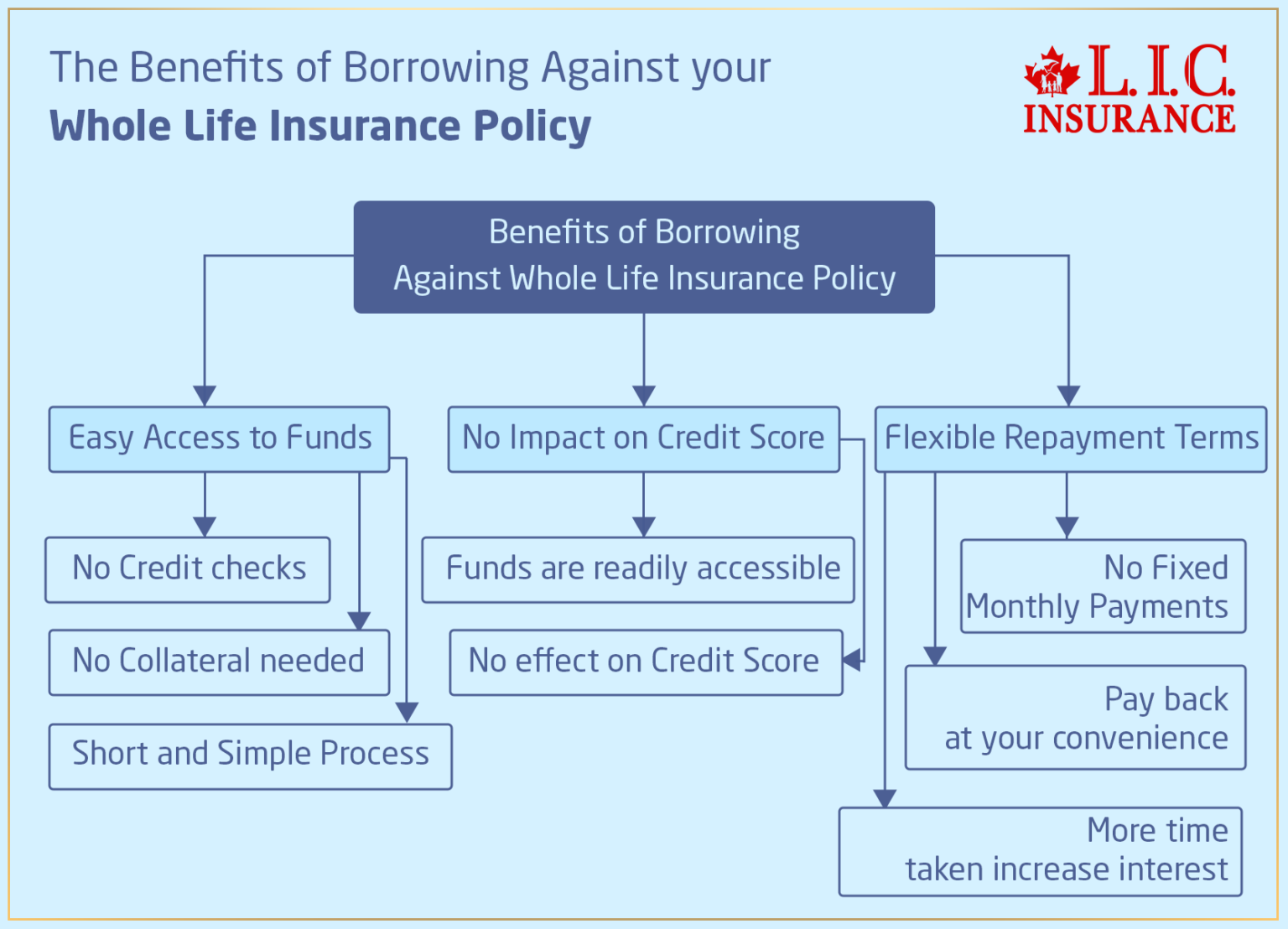
This incentive structure leads to the proliferation of complex sales pitches, including the "Infinite Banking" or "Be Your Own Banker" concepts. These strategies suggest that you can borrow against your policy to fund lifestyle purchases. While technically possible, these pitches often gloss over the fact that you are borrowing your own money and paying interest back to the insurance company, all while paying high management fees.

The "Dead Zone": Cash Value and Surrender Charges
During the first few years of a whole life policy, the "cash value" is often zero or near zero. Almost all of your early premiums go toward the agent’s commission, the company’s administrative costs, and the actual cost of insurance. This period is often referred to as the "dead zone."
If a policyholder realizes three years into the contract that they cannot afford the premiums or that they made a mistake, they usually walk away with nothing. The insurance company keeps every cent paid in. This is enforced through "surrender charges"—hefty fees penalized against your cash value if you cancel the policy early.
In 2026, data continues to show that a significant percentage of whole life policies are surrendered within the first ten years. For these individuals, whole life insurance was objectively a losing proposition—they paid high premiums for years and received no return on their "investment" and no lasting coverage.
The Disappearing Cash Value Myth
One of the most common points of confusion—and a major reason for the "scam" label—is what happens to the cash value when the insured person dies. In a standard whole life policy, the insurance company pays the death benefit to the beneficiaries, but they usually keep the accumulated cash value.
For example, if you have a $500,000 policy and you have built up $150,000 in cash value over thirty years, your beneficiaries receive $500,000 when you die. The $150,000 you "saved" stays with the insurance company. While some riders allow for the payout of both, they come at an even higher premium. To many consumers, this feels like the company is "stealing" their savings, especially since the marketing often positions the cash value as a personal savings account.
Complexity and Lack of Transparency
Whole life insurance policies are notoriously difficult to read. They are packed with "illustrations" that show projected growth based on dividends. However, these dividends are not guaranteed. They are essentially a partial refund of premiums if the insurance company’s costs were lower than expected or their investment returns were higher.
Internal fees—such as Mortality and Expense (M&E) charges, administration fees, and premium taxes—are often hidden deep within the contract. Unlike a mutual fund or an ETF, which must clearly disclose an "expense ratio," whole life policies make it nearly impossible for the average consumer to calculate exactly how much they are paying in fees every year. This lack of transparency is a hallmark of why financial skeptics view the product with such disdain.
Whole Life vs. Term Life Comparison (2026 Data)
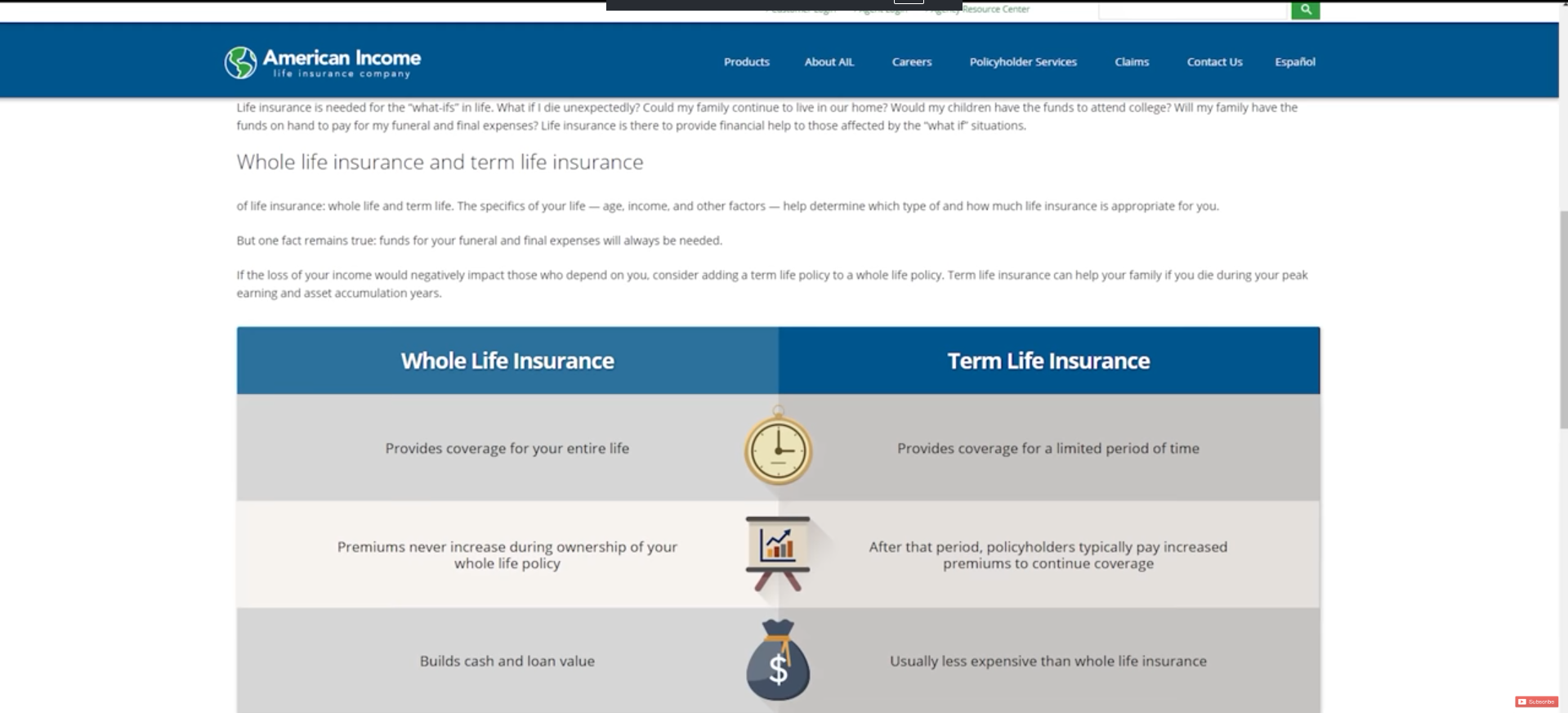
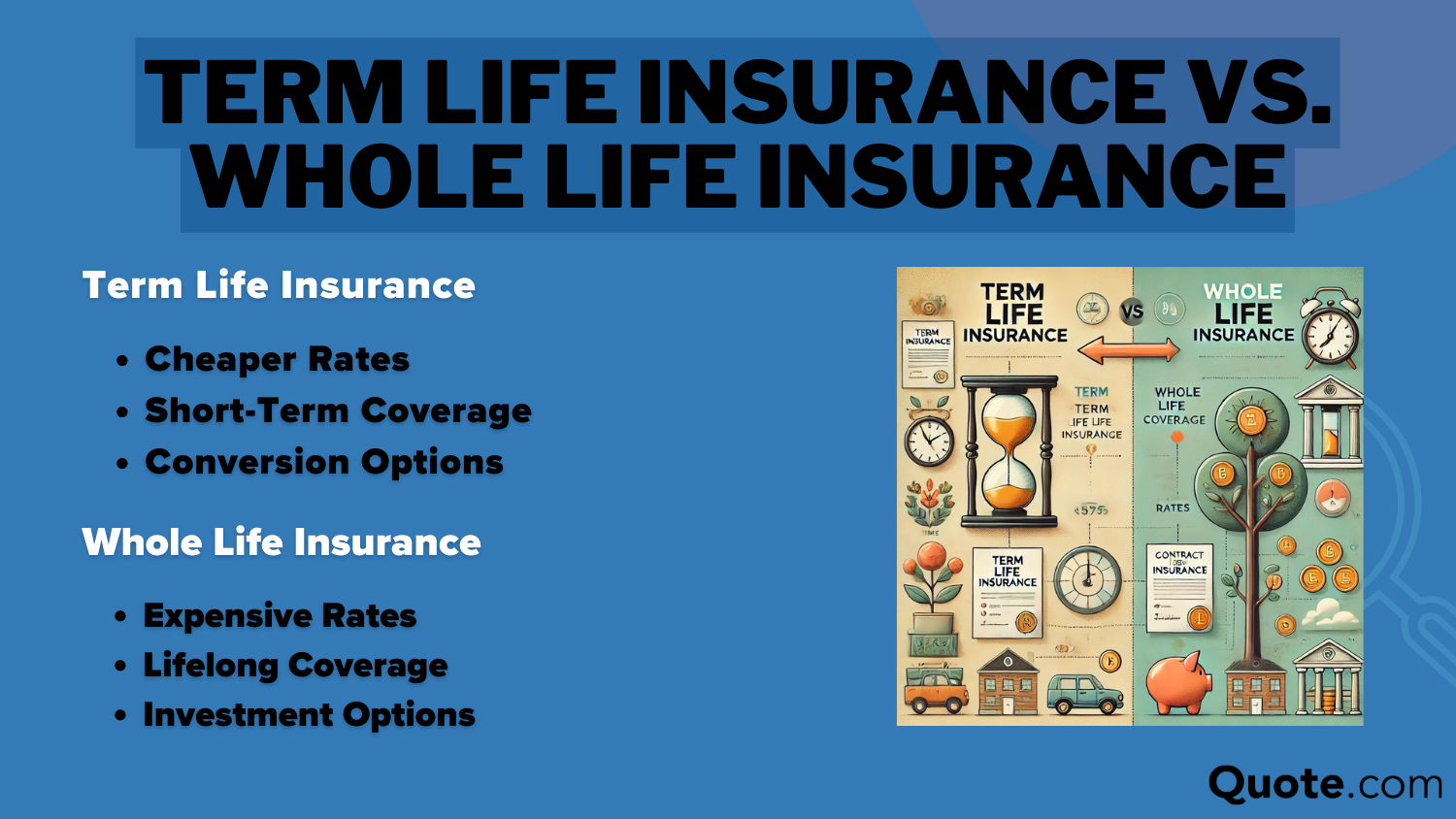
The following table compares the typical characteristics of Whole Life and Term Life insurance for a standard consumer in 2026.
| Feature | Term Life Insurance | Whole Life Insurance |
|---|---|---|
| Duration | Fixed period (10, 20, or 30 years) | Permanent (until death or age 121) |
| Monthly Premium | Low ($20–$50 for $500k) | Very High ($400–$600 for $500k) |
| Cash Value | None | Builds slowly over decades |
| Complexity | Simple and transparent | Extremely complex; non-transparent fees |
| Agent Commission | Minimal | High (usually 50-100% of year 1 premium) |
| Flexibility | High (easy to cancel/replace) | Low (high surrender charges early on) |
| Primary Goal | Death benefit protection | Protection + (inefficient) investment |
| Best For | 95% of the general population | Ultra-wealthy (estate tax planning) |
When Whole Life Is Not a Scam: The Niche Exceptions
While whole life is a poor choice for the vast majority of people, there are very specific scenarios where it serves a legitimate purpose. It is important to distinguish between "bad for most people" and "a scam for everyone."
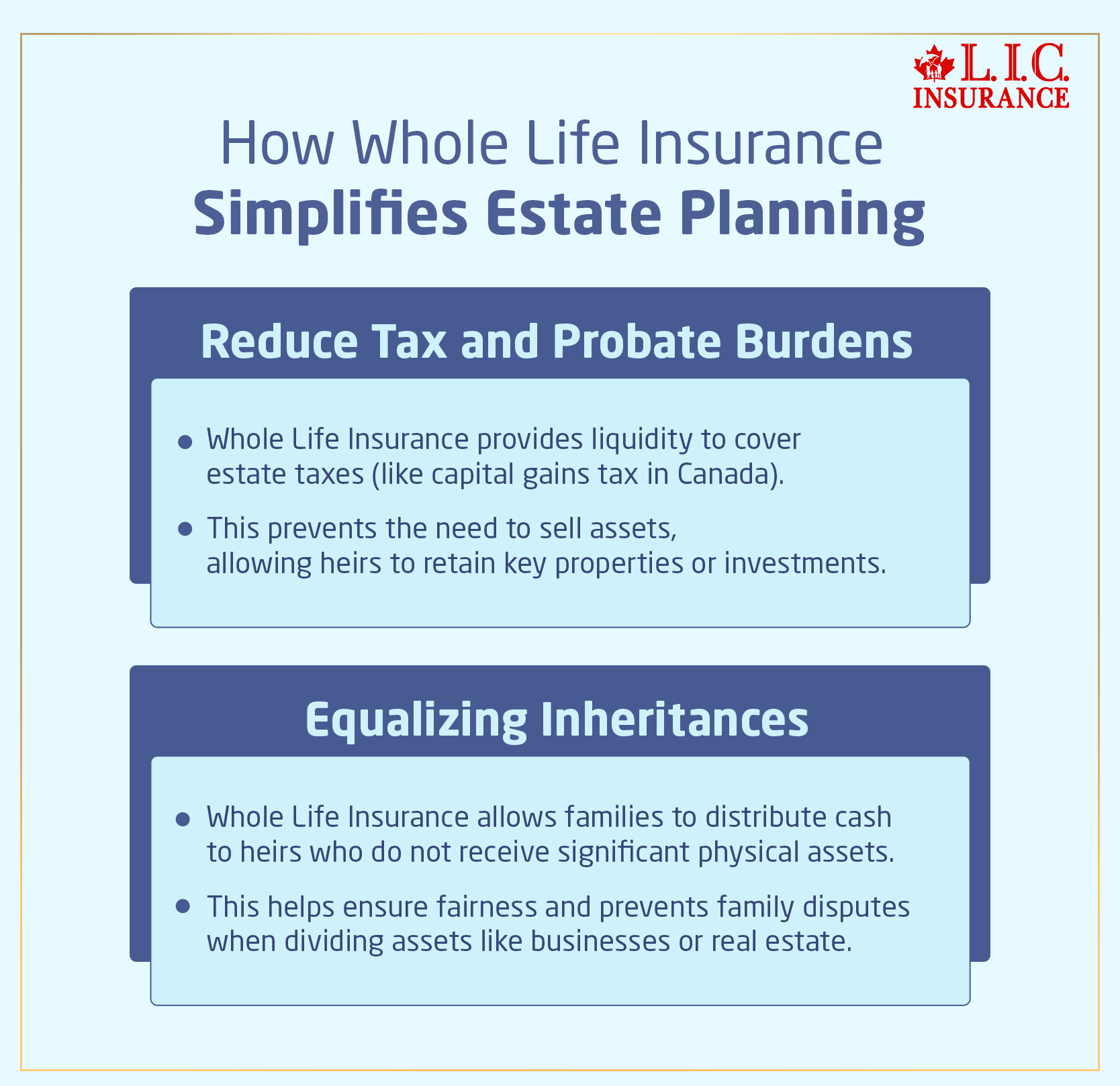
- High Net Worth Estate Planning: For individuals with estates exceeding the federal estate tax exemption (which remains a significant concern for the wealthy in 2026), whole life insurance can provide the liquidity needed to pay estate taxes so that heirs do not have to sell off business assets or real estate.
- Special Needs Planning: Parents of children with lifelong disabilities may use permanent life insurance to ensure a trust is funded to provide care for the child long after the parents are gone.
- Buy-Sell Agreements: Business partners often use permanent insurance to ensure that if one partner dies, the remaining partners have the cash to buy out the deceased partner’s shares from their estate.
- Tax-Advantaged Growth for the Maxed-Out: For those who have already maxed out their 401(k), IRA, HSA, and all other tax-advantaged vehicles, the tax-deferred growth of a whole life policy might offer a marginal benefit, though even then, a taxable brokerage account often wins on a net-return basis.
Frequently Asked Questions
Is whole life insurance a total loss if I cancel it?
If you cancel within the first few years, it is often a total loss because surrender charges and initial costs exceed the accumulated cash value. After 10 to 15 years, you may be able to "break even" and get back what you paid in, but you will have lost the interest that money could have earned elsewhere.
Why do "financial experts" on social media recommend whole life?
In 2026, many "experts" on social media are actually licensed insurance agents or affiliates. They often use terms like "Infinite Banking," "702(j) plans," or "Secret IRS loopholes" to make whole life insurance sound like a sophisticated investment. Their primary motivation is usually the high commission associated with these policies.
Can I lose money in a whole life policy?
Yes. You lose money through the opportunity cost of not investing in more efficient assets. Additionally, if you take a loan against the policy and do not pay it back, the interest can compound, eventually eating up the entire death benefit and potentially creating a large tax bill if the policy lapses.
What should I do if I already have a whole life policy?
Do not cancel it immediately without analysis. If you have held the policy for 20 years, the "sunk costs" are already paid, and the policy might finally be performing efficiently. However, if you bought it recently, you should compare the "surrender value" to the future premiums and see if you would be better off switching to term life and investing the savings. Consult a fee-only financial advisor who does not sell insurance for an unbiased opinion.
Is the "Guaranteed" return in whole life insurance real?
The "guaranteed" return (often 3% to 4%) usually applies only to the cash value portion of the policy, not the total premium paid. Since a large portion of your premium goes toward insurance costs and fees, the actual net return on your total out-of-pocket dollars is usually much lower—often trailing inflation.
Final Recommendation: Focus on "Buy Term and Invest the Difference"
The consensus among unbiased financial planners in 2026 remains clear: for the vast majority of families, whole life insurance is a poor financial choice. It attempts to combine two distinct financial needs—protection and investment—and performs both functions less efficiently than if they were kept separate.
If you need life insurance to protect your family’s income, purchase a 20-year or 30-year term life insurance policy. These policies are straightforward, affordable, and provide the protection you need during your most vulnerable years (when you have a mortgage and young children).
With the hundreds of dollars you save each month by avoiding whole life premiums, invest in a diversified portfolio of low-cost index funds within tax-advantaged accounts like a 401(k) or a Roth IRA. By the time your term insurance expires, you will likely have accumulated enough wealth to be "self-insured," rendering the need for permanent insurance obsolete.
Image Gallery
Select an image to open it in a new tab.




Zara El-Hashem
Sociocultural Dynamics and Academics Writer
