When to Take Prenatal Vitamins: A Comprehensive Guide to Optimal Timing
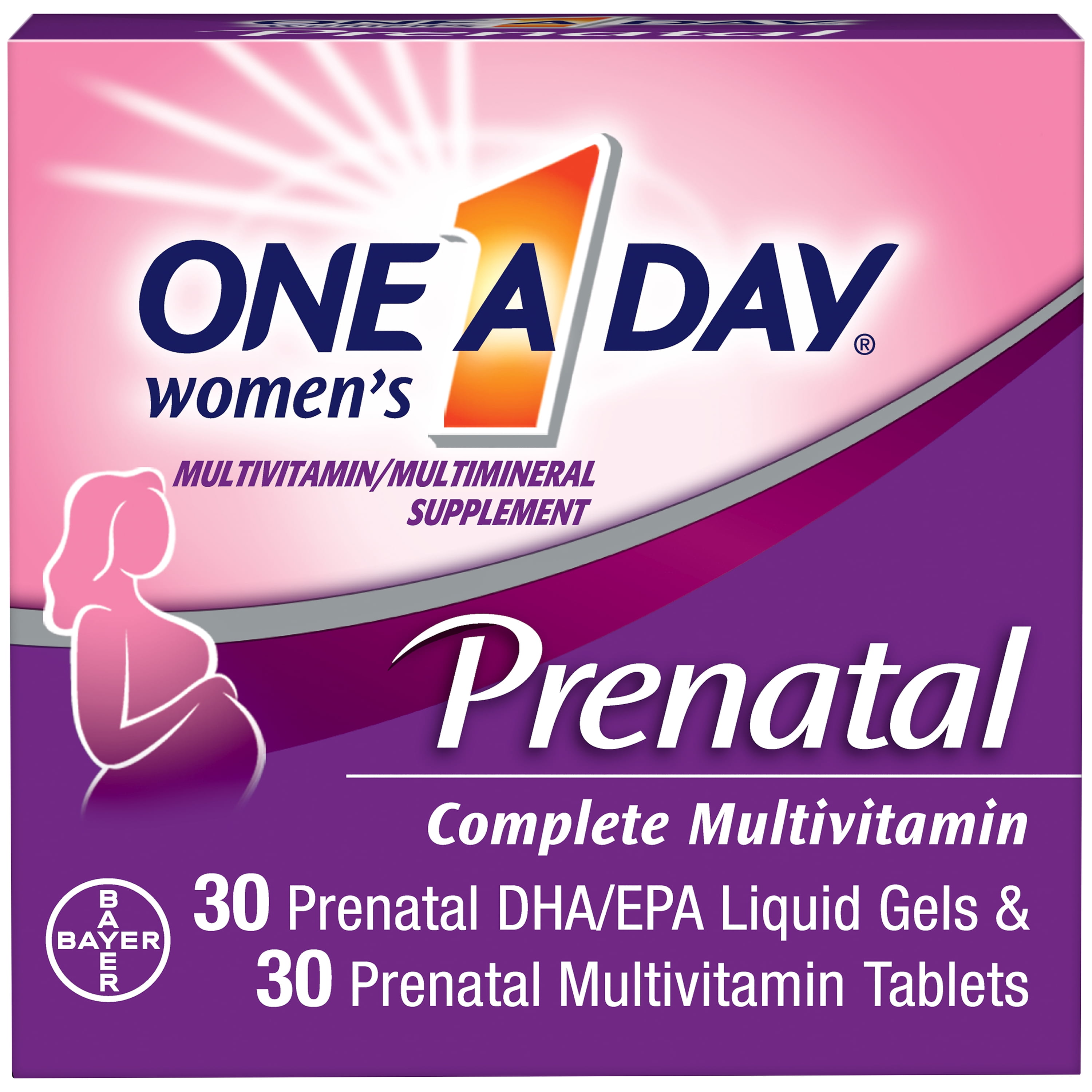
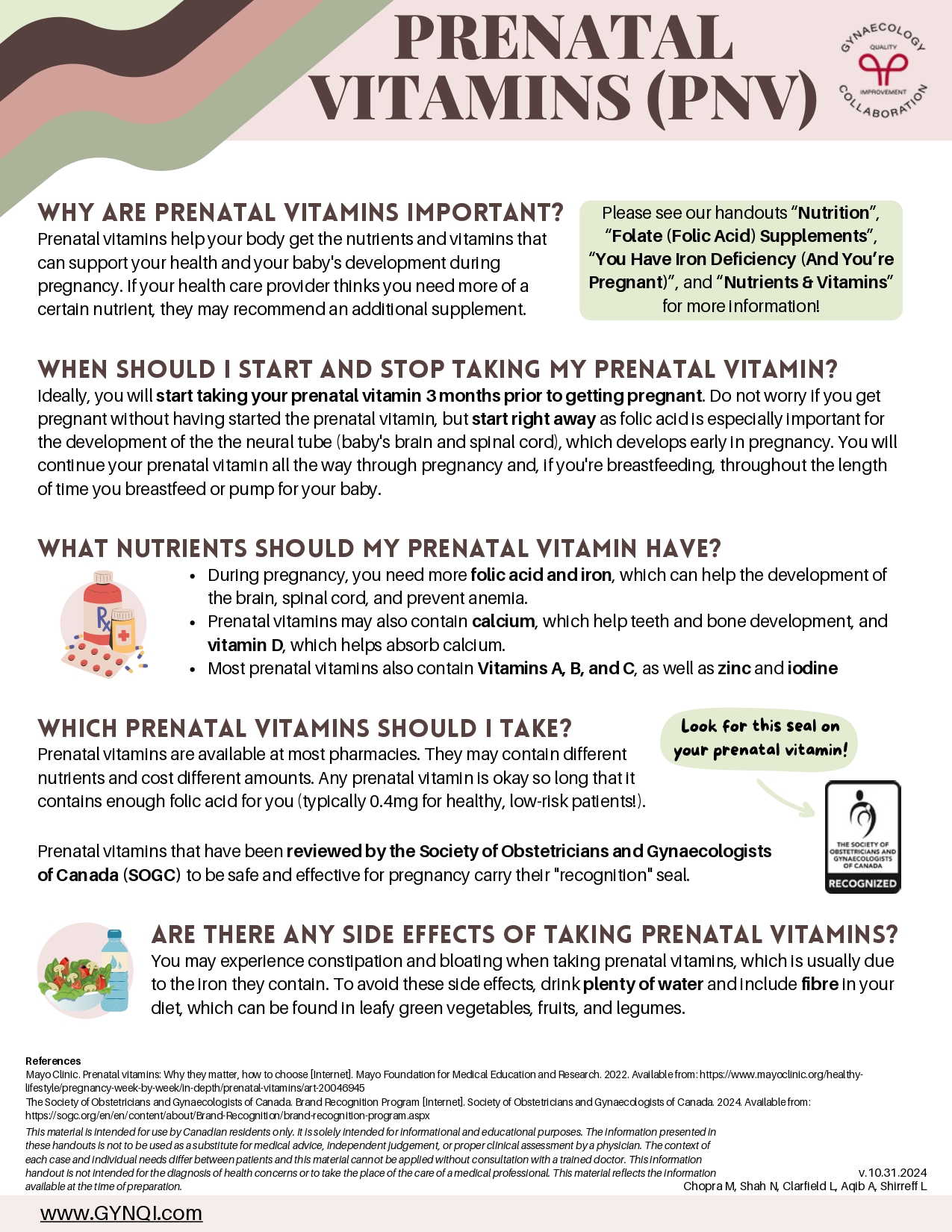
Medical professionals recommend starting prenatal vitamins at least three months before you intend to conceive. This proactive window allows your body to build up critical nutrient stores—most notably folic acid—which are essential during the earliest stages of fetal development, often before a person is even aware that they are pregnant.
The Biological Rationale for Early Supplementation
The primary driver for the timing of prenatal vitamin supplementation is the rapid pace of embryonic development. The neural tube, which eventually becomes the baby’s brain and spinal cord, begins to form within the first few weeks after conception. By the time most people receive a positive result on a home pregnancy test—typically around four to six weeks of gestation—these critical structures are already undergoing significant formation.
Folic acid, a synthetic form of folate (Vitamin B9), is the cornerstone of early prenatal supplementation. Clinical research consistently demonstrates that adequate folate levels significantly reduce the risk of neural tube defects (NTDs), such as spina bifida and anencephaly. Because these defects can occur as early as 28 days after conception, starting a supplement regimen after the confirmation of pregnancy may miss the most crucial period for prevention. By maintaining a baseline of vitamins months before conception, you ensure that your body is prepared to support fetal growth from the very first day.
Establishing a Routine Before Conception
Transitioning to a prenatal regimen before conception serves two functions: physiological preparation and habit formation. Pregnancy often brings physical challenges such as morning sickness, fatigue, and food aversions. Establishing the habit of taking your vitamins early ensures that the practice is already an ingrained part of your daily routine by the time these symptoms arrive.
If you are planning to conceive, consider the following timeline:
- The Three-Month Pre-conception Window: Begin taking a high-quality prenatal vitamin. This allows your blood serum levels of key vitamins and minerals to reach an optimal state.
- Consultation and Screening: Schedule a pre-conception visit with your healthcare provider. They can assess your diet, identify potential deficiencies (such as iron or Vitamin D), and recommend a specific formulation that meets your individual health needs.
- Consistency Verification: Use a pill organizer or a digital health tracker to ensure you do not miss doses. The efficacy of these supplements is tied to a steady, daily supply rather than irregular intake.

Navigating Nutrition During Each Trimester
While early supplementation is critical, the utility of prenatal vitamins continues throughout the entire duration of the pregnancy. Each trimester presents unique physiological demands that require consistent micronutrient support.
First Trimester: The Foundation
During the first trimester, the focus is on cellular division and the development of major organs. As previously mentioned, the neural tube development is the priority here. Furthermore, many people experience nausea that interferes with regular eating habits; prenatal vitamins act as an "insurance policy" against potential nutritional gaps caused by an restricted or limited diet during this phase.
Second Trimester: Growth and Demand
As the fetus begins to grow more rapidly, the maternal body requires increased calcium for bone development and iron for the production of red blood cells to support increased blood volume. Many providers may adjust the dosage of iron or calcium during this period based on your blood work results.
Third Trimester: Storage and Preparation
In the final months, the fetus begins to store nutrients to draw upon after birth. Increased levels of DHA (docosahexaenoic acid), an omega-3 fatty acid, are particularly important during the third trimester for the continued development of the baby's brain and eyes.
Comparative Overview of Nutritional Priorities
| Nutrient | Primary Purpose | Timing Significance |
|---|---|---|
| Folic Acid | Neural tube closure | Mandatory 3 months pre-conception |
| Iron | Maternal blood volume | Vital throughout pregnancy; monitor levels |
| Calcium | Fetal bone mineralization | Essential in 2nd and 3rd trimesters |
| DHA/Omega-3 | Brain and eye development | Critical throughout, emphasized in 3rd |
| Vitamin D | Calcium absorption | Important for maternal and fetal immunity |
Managing Side Effects and Troubleshooting
One of the most common reasons patients stop taking prenatal vitamins is the onset of side effects, particularly nausea and constipation. Many prenatal vitamins have high iron content, which is notorious for causing digestive distress. If you find yourself struggling to maintain your regimen, do not simply cease taking the supplement. Instead, utilize the following troubleshooting strategies:
- Adjusting Time of Day: If your vitamins make you feel nauseous, try taking them at night with a small, bland snack. This allows your body to process the nutrients while you sleep, often bypassing the peak of morning sickness.
- Switching Formulations: If constipation is the issue, speak with your provider about switching to a formula with a different form of iron or one that includes stool softeners or higher fiber content.
- Dividing the Dose: Some prenatal vitamins come as two or three smaller pills rather than one large one. Taking these smaller doses at different times of the day can be much easier on the digestive system.
- Gummy Alternatives: While gummies are easier to swallow, they often lack iron. If you choose a gummy, ensure that you are getting your iron requirements through your diet or a separate prescribed supplement.
The Role of the Provider in Personalizing Your Care
There is no "one-size-fits-all" approach to prenatal supplementation. Your specific health history—including conditions such as MTHFR gene mutations, celiac disease, or prior history of nutrient deficiencies—may necessitate a higher dose of certain vitamins.
In 2026, many prenatal brands have introduced personalized subscription models that adjust the nutrient mix based on your individual lab results. However, it is essential to have these formulations verified by your physician. Self-prescribing high doses of vitamins—particularly fat-soluble ones like Vitamin A—can actually be harmful to a developing fetus. Always prioritize the recommendations provided by your OB-GYN or midwife over general marketing claims.
Frequently Asked Questions
Can I take prenatal vitamins if I am not currently pregnant or trying to conceive?
Yes, some individuals take prenatal vitamins as a daily multivitamin. Because they typically contain higher levels of iron and folic acid than standard adult multivitamins, you should consult a doctor first to ensure the dosages are appropriate for your health status, as long-term high iron intake can be problematic for some adults.
What should I do if I miss a dose of my prenatal vitamin?
If you miss a dose, take it as soon as you remember. If it is almost time for your next dose, skip the missed one. Do not take two doses at once to "make up" for the one you missed, as this can lead to digestive discomfort or an excessive intake of certain minerals.
Do I still need to worry about my diet if I take these vitamins?
Yes. Prenatal vitamins are meant to supplement, not replace, a balanced diet. Whole foods provide fiber, phytonutrients, and energy that pills cannot replicate. Your prenatal vitamin should be viewed as a support system for your dietary choices, not as a complete replacement for them.
When should I stop taking prenatal vitamins?
Most healthcare providers recommend continuing prenatal vitamins through the entire duration of the pregnancy. Many also suggest continuing them through the postpartum period, especially if you are breastfeeding, as the body continues to require high levels of nutrients to support milk production and recovery from childbirth.
Are all prenatal vitamins regulated for safety?
In the United States, the Food and Drug Administration (FDA) regulates dietary supplements, but not with the same rigor as pharmaceutical drugs. Look for third-party certifications—such as USP (United States Pharmacopeia) or NSF International—on the label, which verify that the product contains what it claims to contain and is free from contaminants like lead.
Practical Next Actions
To ensure you are optimizing your intake:
- Review your current medication list with your healthcare provider to check for potential interactions.
- Purchase a high-quality supplement with the necessary certifications (USP/NSF).
- Set a daily alarm to establish a consistent habit.
- Schedule your pre-conception or prenatal checkup to verify that your specific dosages of iron, folate, and Vitamin D are aligned with your current blood levels.
Image Gallery
Select an image to open it in a new tab.

Ingrid Bjornson
Global Cyber Policy and Regulation Analyst
