
The age of an air conditioner is the most significant factor in determining its operational efficiency, repair costs, and long-term reliability. As units approach the 10 to 15-year mark, homeowners face diminishing returns on energy savings and increasing risks of mechanical failure, often necessitating a transition from reactive repairs to a planned replacement strategy.
Understanding the Life Cycle of HVAC Systems
An air conditioning system is not a static appliance; it is a complex mechanical system that experiences significant wear and tear due to internal pressure, chemical interactions within the refrigerant loop, and exposure to environmental elements. In most residential climates, a standard split-system air conditioner is designed to function optimally for 12 to 15 years.
Once a unit passes this 12-year threshold, the internal components—specifically the compressor, condenser coils, and fan motors—begin to lose their calibrated tolerance levels. While the unit may continue to provide cooling, the amount of electricity required to move the same amount of heat increases. This phenomenon, often referred to as "system degradation," is rarely linear; it typically accelerates as mechanical parts reach their fatigue limits.
The Financial Impact of Aging Equipment
The primary concern for homeowners with older systems is the cost-to-benefit ratio of ongoing maintenance versus capital replacement. When evaluating an aging unit, one must consider two distinct types of costs: operational expenses and repair frequency.
Operational Inefficiency
Modern air conditioners manufactured after 2023 are significantly more efficient than those produced even a decade ago. Efficiency is measured by the Seasonal Energy Efficiency Ratio (SEER2) in the United States and similar metrics globally. An older unit with a SEER rating of 10 or 12 consumes drastically more power than a modern 16 or 18 SEER2 unit. In 2026, with energy prices remaining volatile, the cumulative cost of running an inefficient system can often exceed the monthly financing cost of a new, high-efficiency installation.
Escalating Maintenance Costs
As units age, the availability of parts becomes a concern. Manufacturers typically support specific models for 10 to 15 years. Once a model is discontinued, original equipment manufacturer (OEM) parts become scarce, forcing technicians to rely on universal aftermarket parts which may not offer the same level of performance or longevity. Furthermore, technicians often charge premiums for "legacy" equipment repairs because the older configurations require more time to diagnose and service.
Recognizing the Signs of System Fatigue
Beyond the simple age of the unit, specific symptoms indicate that an air conditioner has reached the end of its useful life. It is important to distinguish between routine maintenance issues and terminal system failure.
- Refrigerant Leaks: Older systems often use refrigerants like R-22 (Freon), which has been phased out due to environmental regulations. Finding a leak in an R-22 system is often a "death sentence" for the unit because the refrigerant is prohibitively expensive to replace or legally restricted.
- Frequent Cycling: If your unit turns on and off rapidly (short-cycling), it is a sign that the compressor is struggling or the thermostat is failing to communicate effectively with an outdated control board.
- Rising Humidity Levels: An air conditioner’s secondary function is dehumidification. As coils lose their surface area efficiency due to corrosion or oxidation, the unit may cool the air without removing moisture, leading to a "clammy" indoor environment.
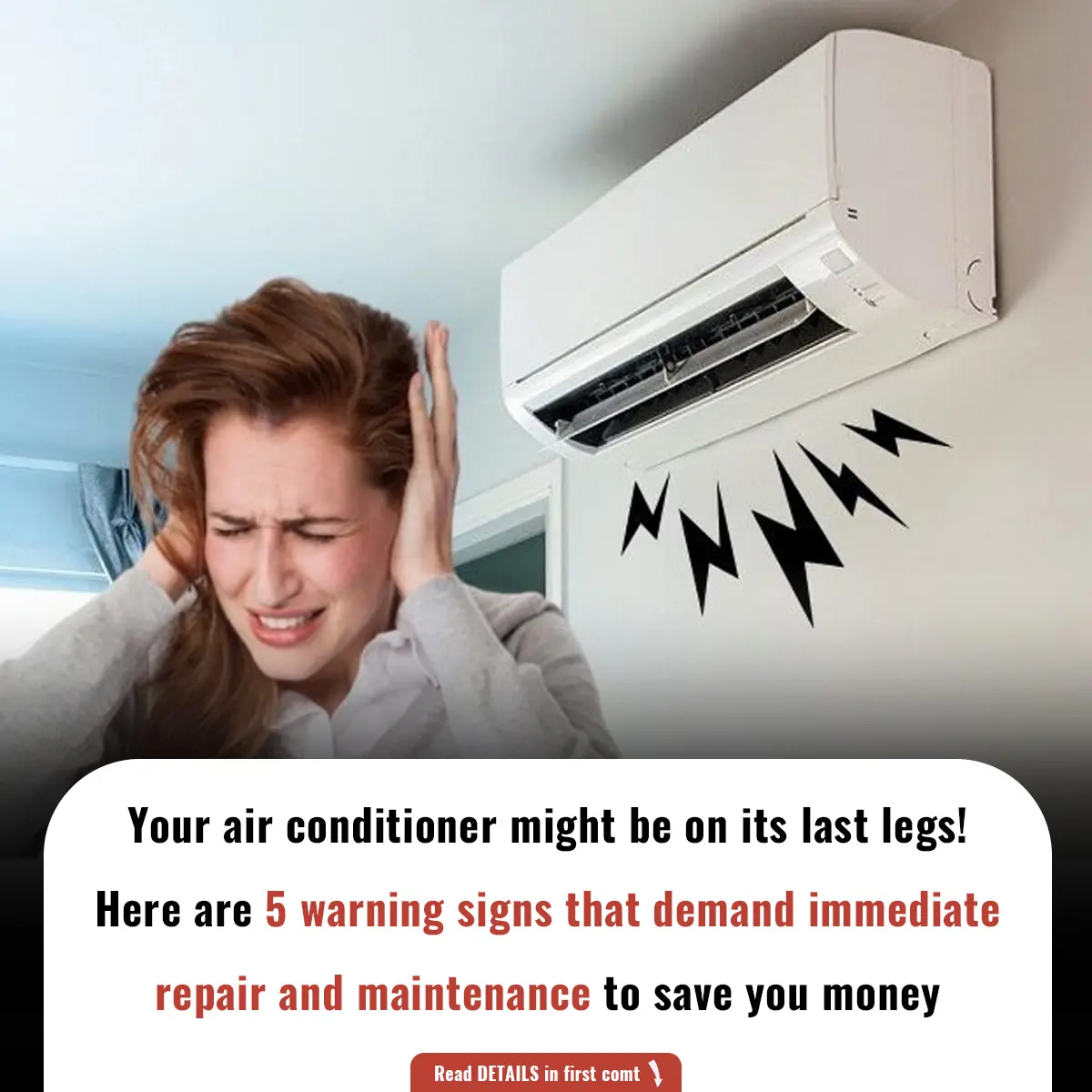
- Increasing Noise: While all AC units make noise, grinding, screeching, or rattling sounds indicate failing bearings, loose fan blades, or an aging compressor motor that is laboring to start.
Comparison of Repair vs. Replace Decisions
Deciding whether to repair an older system or replace it requires a structured approach. Use the following criteria to evaluate the viability of your current air conditioner.
| Factor | Repair | Replace |
|---|---|---|
| System Age | Under 10 years | Over 12-15 years |
| Repair Cost | Less than 30% of system value | More than 50% of system value |
| Refrigerant Type | R-410A (or newer) | R-22 (Freon) |
| Utility Bills | Consistent | Steadily increasing |
| Performance | Meets cooling demands | Struggles on peak days |
Impact of Environmental and Usage Factors
The "age" of an air conditioner is not solely defined by the calendar. It is also defined by the unit’s "runtime hours." A unit installed in a moderate climate that runs for three months of the year will reach its mechanical expiration much later than a unit in a tropical or desert climate that runs almost year-round.
Additionally, maintenance history plays a critical role. A system that has received professional biannual tune-ups—including coil cleaning, drain line clearing, and capacitor testing—will consistently outperform a neglected unit of the same age. Neglect leads to restricted airflow, which forces the compressor to run hotter and longer, effectively "aging" the machine faster than its chronological age suggests.
The Role of Technology and Modern Standards
If you choose to replace an older unit in 2026, you will encounter technologies that were not standard a decade ago. Variable-speed blowers and multi-stage compressors allow systems to adjust their output based on the actual cooling demand of the home. Unlike older "single-stage" units that operate at 100% capacity or 0%, these modern systems run at lower, efficient speeds for longer periods. This results in superior temperature consistency and drastically lower energy consumption. Furthermore, many modern systems integrate with smart thermostats that use predictive weather data to optimize cooling schedules, providing an additional layer of efficiency that older units cannot accommodate.
Frequently Asked Questions
How can I determine the exact age of my air conditioner? Locate the data plate on the side of the outdoor condenser unit. This label contains the model number and serial number. The date of manufacture is often embedded in the serial number (e.g., the first four digits might represent the year and week of production). If you cannot interpret the code, search for the brand name followed by "serial number lookup" on the manufacturer’s website.
Is it worth fixing an air conditioner that uses R-22 refrigerant? Generally, no. R-22 is no longer produced in the United States and has been phased out globally under the Montreal Protocol. Supplies are limited and incredibly expensive. If your system requires a major R-22 recharge, it is almost always more cost-effective to invest those funds into a new system that utilizes modern, environmentally friendly refrigerants.
Does a well-maintained AC last longer than 15 years? Yes. While 15 years is the typical average, systems that are well-maintained, have clean filters, and are sized correctly for the home can last 20 years or more. However, even if it is still running, you should weigh the cost of the electricity required to keep it going versus the efficiency gains of a new unit.
Why does my electric bill go up as the unit gets older? As air conditioners age, parts like capacitors and contactors degrade, forcing the motor to draw more electricity to function. Additionally, debris accumulates on the condenser coils over time, which inhibits the heat transfer process, forcing the system to work harder and run for longer durations to achieve the same set temperature.
Should I wait for my AC to die completely before replacing it? Waiting for a total failure is rarely the best strategy. A catastrophic failure usually occurs during the hottest week of the summer, which is the peak period for technician demand and lead times. By planning a replacement, you can choose the system that best fits your needs rather than settling for what is available during an emergency.
Final Recommendation
If your air conditioner is over 12 years old, treat it as a "legacy" asset. Prioritize an annual professional inspection to ensure it remains safe and functional. Simultaneously, start budgeting for a replacement. If you face a repair bill exceeding 30% to 50% of the cost of a new unit, or if the system requires a major repair on a refrigerant-leaking component, prioritize immediate replacement. Consult with a licensed HVAC contractor to perform a manual "J" load calculation, ensuring that your next system is properly sized for your home’s current insulation and efficiency standards, which may have improved since your original unit was installed.
Image Gallery
Select an image to open it in a new tab.



Lars Thomsen
Global Labor Markets and Economic Strategy Editor
