Alaska Airlines Crash 2000: The Tragedy of Flight 261 and Its Lasting Safety Legacy
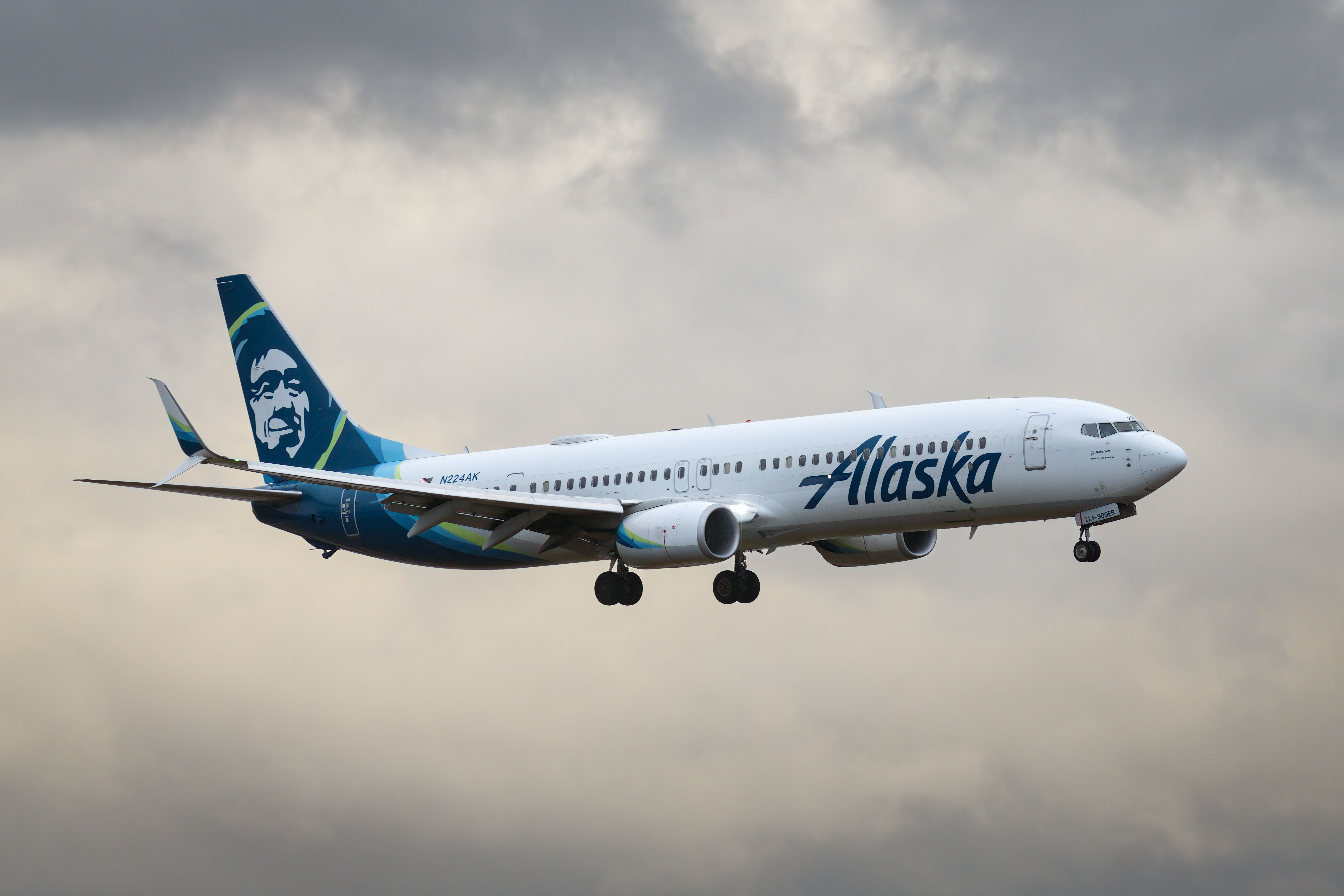
On January 31, 2000, Alaska Airlines Flight 261 crashed into the Pacific Ocean off the coast of Southern California, killing all 88 passengers and crew members on board. The National Transportation Safety Board (NTSB) determined that the crash was caused by a catastrophic mechanical failure of the horizontal stabilizer jackscrew assembly, brought on by inadequate lubrication and systemic maintenance oversights.
The tragedy of Alaska Airlines Flight 261 remains one of the most significant watershed moments in modern commercial aviation history. It exposed critical vulnerabilities in airline maintenance schedules, federal regulatory oversight, and single-point-of-failure mechanical designs. The investigation that followed led to sweeping reforms in how aircraft maintenance is scheduled, performed, and audited across the global aviation industry.
Flight Overview and Timeline of Events on January 31, 2000
Alaska Airlines Flight 261 was an international scheduled passenger flight originating at Licenciado Gustavo Díaz Ordaz International Airport in Puerto Vallarta, Mexico, with an intermediate stop planned at San Francisco International Airport (SFO), and a final destination of Seattle-Tacoma International Airport (SEA). The aircraft operating the route was a McDonnell Douglas MD-83 (registration N963AS), manufactured in 1992 and accumulated over 26,000 flight hours across more than 14,000 flight cycles prior to the accident.
The flight was commanded by Captain Ted Thompson, age 53, an experienced pilot with more than 17,700 flight hours, and First Officer William "Bill" Tansky, age 57, who had logged over 8,100 flight hours. On board were 83 passengers and five crew members.
- Puerto Vallarta (PVR)
- Trim System Jammed (31,000 ft)
- Diverting to LAX
- Uncontrolled Dive
- Impact (Point Mugu)
Initial mechanical Malfunction at 31,000 Feet
The aircraft departed Puerto Vallarta at 13:37 PST. About two hours into the flight, while cruising at 31,000 feet approximately 45 miles west of San Francisco, the flight crew encountered severe pitch control difficulties. The horizontal stabilizer—the movable surface on the T-tail responsible for controlling the aircraft's pitch attitude (nose-up or nose-down trim)—became jammed in a nose-down position.
Captain Thompson and First Officer Tansky attempted to diagnose and clear the jam using the main electric trim system as well as the alternate trim systems. When the crew actuated the trim switches, the electric trim motor ran, but the stabilizer did not move, causing the autopilot to disconnect automatically due to opposing control yoke forces exerted by the pilots.
Emergency Procedures and Communications with ATC
As the pilots struggled to keep the nose of the heavy jet level, they exerted significant physical effort on their control columns. At 15:49 PST, the flight crew contacted Alaska Airlines dispatch and maintenance control facilities in Seattle and Los Angeles to discuss their flight control issues. The maintenance controllers recommended cycling the trim circuit breakers and re-engaging the trim motor.
The flight crew requested a diversion to Los Angeles International Airport (LAX) to execute an emergency landing on a longer runway over flat terrain, rather than continuing to San Francisco over populated areas. Air Traffic Control (ATC) cleared Flight 261 to descend to 17,000 feet and vector toward LAX.
The Catastrophic Structural Failure
At 16:09 PST, while descending through approximately 17,900 feet, a loud bang was recorded on the Cockpit Voice Recorder (CVR). The horizontal stabilizer jackscrew assembly suffered a complete structural shear. Stripped of all holding threads, the horizontal stabilizer was forced by aerodynamic pressure far beyond its mechanical stops into an extreme nose-down limit position (-3.1 degrees).
The aircraft immediately entered an unrecoverable, violent nose-dive. The jet plummeted from 17,900 feet to the ocean in less than 80 seconds, hitting peak descent rates exceeding 13,000 feet per minute.
In a heroic attempt to regain aerodynamic authority, Captain Thompson and First Officer Tansky rolled the aircraft completely upside down. By flying the MD-83 inverted, the pitch force caused by the deflected horizontal stabilizer was partially counteracted, allowing the nose to pitch back toward the horizon temporarily. Despite their extraordinary effort and airmanship, the damage to the tail control mechanism was absolute. Control was lost, and at 16:13 PST, the aircraft impacted the Pacific Ocean approximately 2.7 miles north of Anacapa Island, near Point Mugu, California. All 88 occupants died instantly.
The NTSB Investigation: Uncovering the Root Cause
The NTSB launched an immediate, exhaustive investigation into the loss of Flight 261. Because the ocean floor at the crash site sat beneath roughly 650 feet of water, the recovery operation required advanced sub-surface robotics, side-scan sonar, and assistance from the U.S. Navy surface ship USD 1 Highlight and the deep-submergence vehicle DSV Turtle.
- Jackscrew Assembly
- Acme Screw (Stationary steel shaft)
- Acme Nut (Bronze collar moving along the shaft)
- Excessive Friction (No Grease)
- Threads Strip Completely
- Total Pitch Control Failure
- Threads Strip Completely
- Excessive Friction (No Grease)
The crucial piece of evidence recovered from the ocean floor was the aircraft's horizontal stabilizer trim system jackscrew assembly. When mechanical engineers examined the retrieved hardware at the NTSB materials laboratory in Washington, D.C., the physical cause of the control jam and subsequent structural breakdown became immediately clear.
Mechanics of the Acme Nut and Jackscrew Failure
The pitch trim on the McDonnell Douglas MD-80 series relies on a large vertical threaded steel rod known as an Acme jackscrew, driven through a stationary bronze collar known as an Acme nut. As an electric motor rotates the steel jackscrew shaft, the bronze nut travels up or down along the threads, changing the incidence angle of the horizontal stabilizer mounted atop the aircraft's tailfin.
Upon physical inspection, investigators discovered that the internal bronze threads of the Acme nut had been completely sheared off, worn down to a smooth inner cylinder. Metallic filaments—thin, ribbon-like shavings of bronze—were found wrapped around the steel threads of the jackscrew shaft.
The NTSB concluded that:
- The bronze threads inside the Acme nut had experienced extreme mechanical wear over years of operation due to a chronic lack of proper lubrication.
- Without sufficient grease coating the contacting metal surfaces, extreme friction generated high temperatures and excessive mechanical abrasion whenever the trim system operated.
- On the day of the crash, the remaining sliver of thread stripped entirely under normal operating aerodynamic load, causing the initial jam at 31,000 feet.
- When the crew attempted to clear the trim jam, the force exerted by the electric trim motor tore the remaining metal debris free. The horizontal stabilizer was then pushed by airflow against its mechanical stops, breaking the torque tube restraint and forcing the aircraft into an uncontrollable dive.

Technical Deep Dive: Maintenance Practices and End-Play Checks
The NTSB turned its attention from the physical failure mechanism to the operational environment that allowed such catastrophic mechanical wear to occur undetected. The investigation exposed serious shortcomings in maintenance procedures, interval extensions, and regulatory oversight.
The "End-Play" Measurement Check
To monitor wear on the Acme nut, maintenance mechanics were required to perform a periodic diagnostic procedure known as an end-play check. This procedure measures the total axial movement (play) between the steel jackscrew threads and the bronze Acme nut threads. As the bronze nut wears down, the amount of axial movement increases.
If the end-play measurement exceeds specified tolerance limits established by the manufacturer (McDonnell Douglas/Boeing), the Acme nut assembly must be discarded and replaced immediately.
| Standard End-Play Tolerance Limits | Specification |
|---|---|
| New Component Spec | 0.003 - 0.007 inches |
| Maximum Allowable | 0.040 inches |
| Flight 261 (As Found) | 0.080+ inches (Stripped) |
The investigation revealed that during an overhaul of N963AS at Alaska Airlines' Oakland maintenance facility in September 1997 (28 months prior to the crash), a mechanic performed an end-play check and recorded a wear measurement of 0.040 inches—the exact maximum allowable limit for serviceability.
Despite reaching the replacement limit, a secondary inspection was performed by a lead mechanic using a different tool, who logged a revised measurement of 0.033 inches, deeming the component acceptable for continued service. The nut was not replaced, and the aircraft was returned to passenger operations.
Extension of Lubrication and Inspection Intervals
A critical factor identified by the NTSB was Alaska Airlines' progressive extension of its maintenance inspection intervals, which had been submitted to and approved by the Federal Aviation Administration (FAA).
- Lubrication Intervals: Originally, McDonnell Douglas recommended lubricating the horizontal stabilizer jackscrew assembly every 300 to 350 flight hours. Between 1985 and 1996, Alaska Airlines incrementally extended this lubrication interval to 8 months or approximately 2,500 flight hours.
- End-Play Check Intervals: The interval for performing the detailed end-play measurement was similarly extended from every 2,500 flight hours to every 15 months.
These extended intervals meant that the jackscrew went without fresh grease for extended periods. Furthermore, investigators found that mechanics routinely used automated grease guns, which frequently failed to distribute viscous grease evenly across the full length of the Acme screw threads, or used incompatible grease types during routine servicing.
Key Findings and Official NTSB Probable Cause
In December 2002, the NTSB released its final accident report (NTSB/AAR-02/01). The board determined that the probable cause of the accident was:
"...a loss of airplane pitch control resulting from the in-flight failure of the horizontal stabilizer trim system jackscrew assembly's Acme nut threads. The thread failure was caused by excessive wear resulting from Alaska Airlines' inadequate lubrication of the jackscrew assembly."
The NTSB identified the following major contributing factors:
- Extended Maintenance Schedules: Alaska Airlines' extension of the lubrication interval for its MD-80 series aircraft jackscrew assemblies, and the FAA's approval of those extensions, which increased the likelihood of extreme thread wear.
- Flawed End-Play Procedures: Alaska Airlines' extended end-play check interval and the unreliability of the end-play procedure used by mechanics to accurately determine thread wear.
- Absence of a Fail-Safe Design: The lack of a secondary, redundant mechanism on the MD-80 horizontal stabilizer jackscrew assembly to prevent catastrophic loss of control in the event of a total primary Acme nut thread failure.
- Inadequate FAA Oversight: The failure of the FAA to adequately supervise and audit Alaska Airlines' maintenance operations and to properly evaluate the safety impacts of interval extensions.
Fact Sheet: Summary of Alaska Airlines Flight 261
| Parameter / Fact | Details |
|---|---|
| Date of Event | January 31, 2000 |
| Aircraft Type | McDonnell Douglas MD-83 |
| Tail Number / Registration | N963AS |
| Origin | Licenciado Gustavo Díaz Ordaz International Airport (PVR), Puerto Vallarta, Mexico |
| Intended Destinations | San Francisco International Airport (SFO) / Seattle-Tacoma International Airport (SEA) |
| Crash Site | Pacific Ocean, off Point Mugu / Anacapa Island, California |
| Occupants | 88 Total (83 Passengers, 5 Crew) |
| Fatalities | 88 (0 Survivors) |
| Primary Mechanical Cause | Thread stripping of the horizontal stabilizer jackscrew Acme nut |
| Primary Root Cause | Inadequate lubrication, extended maintenance schedules, flawed end-play check procedures |
| Investigating Agency | National Transportation Safety Board (NTSB) |
| Final Report Identification | NTSB/AAR-02/01 (Adopted December 30, 2002) |
Industry Safety Reforms and Regulatory Changes
The crash of Flight 261 catalyzed dramatic reforms across civil aviation, fundamentally changing mechanical maintenance protocols, aircraft certification standards, and FAA regulatory oversight.
- Pre-2000 Maintenance
- Extended lubrication intervals
- Single-point failure allowed
- Self-audited schedule extensions
- Post-Flight 261 Standards
- Strict short-interval greasing
- Mandatory redundant lock-nuts
- Data-backed FAA approval steps
Mandated Redundant Hardware and Design Modifications
Prior to Flight 261, aviation regulations permitted critical flight control components to rely on single-point mechanical structures if the component was designed with extremely conservative strength margins. The loss of Flight 261 proved that maintenance errors could negate those margins.
- Fail-Safe Mechanics: The FAA issued Emergency Airworthiness Directives requiring structural modifications to T-tail aircraft designs (including the MD-80, MD-90, DC-9, and Boeing 717). Manufacturers engineered fail-safe backup mechanisms, such as secondary catcher nuts and restraint ties, ensuring that if an Acme nut thread fails completely, a physical secondary stop prevents the tail surface from over-deflecting.
- Standardized End-Play Tooling: The FAA mandated new, standardized measurement tools and strict protocol guidelines for measuring end-play wear, eliminating technician ambiguity during inspections.
Overhaul of FAA Maintenance Oversight
The investigation highlighted a systemic flaw in how airlines applied for and received maintenance schedule extensions. Historically, airlines could request longer intervals between mechanical checks by presenting statistical reliability data, sometimes without adequate physical tear-down evidence.
- Targeted Inspection Programs: The FAA instituted nationwide, rigorous auditing programs focusing specifically on airline maintenance facility compliance, grease sampling, and mechanical wear trends.
- Restrictions on Interval Extensions: Regulations were updated to require explicit, engineering-backed validation directly from the airframe manufacturer before any carrier can lengthen maintenance intervals for critical flight control systems.
Heroism Recognition
Captain Ted Thompson and First Officer Bill Tansky were posthumously awarded the Air Line Pilots Association (ALPA) Gold Medal for Heroism. Their extraordinary efforts to maintain control of the inverted, crippled aircraft prevented the jet from crashing into populated coastal communities on mainland California, saving lives on the ground under extreme stress.
Frequently Asked Questions
What was the primary cause of the Alaska Airlines 2000 crash?
The primary cause was the complete stripping of the internal threads of the Acme nut inside the horizontal stabilizer jackscrew assembly. This catastrophic wear was caused by insufficient lubrication over extended periods, combined with inadequate maintenance checks and oversight, which led to a total loss of pitch control.
Why was Alaska Airlines Flight 261 flying upside down before it crashed?
When the horizontal stabilizer jackscrew stripped completely, aerodynamic pressure forced the horizontal stabilizer into an extreme nose-down position, plunging the plane into a steep dive. The pilots intentionally inverted the aircraft (flew it upside down) in an attempt to counteract the nose-down aerodynamic forces and regain pitch control.
Where did Alaska Airlines Flight 261 crash?
Flight 261 crashed into the Pacific Ocean roughly 2.7 miles north of Anacapa Island, near Point Mugu off the coast of Ventura County, California, while attempting an emergency diversion to Los Angeles International Airport (LAX).
How did the crash of Flight 261 change aviation safety standards?
The tragedy prompted global regulatory changes, including short, mandatory lubrication and end-play inspection intervals for jackscrews, the redesign of horizontal stabilizer assemblies to include fail-safe secondary locking mechanisms, standardized inspection tools, and stricter FAA oversight regarding maintenance schedule extensions.
Did anyone survive the Alaska Airlines crash in 2000?
No. All 88 people on board—83 passengers and 5 crew members—died upon impact with the ocean surface.
Key Lessons for Aviation Safety Awareness
The loss of Alaska Airlines Flight 261 illustrates that flight safety is dependent not only on robust aircraft manufacturing, but equally on rigorous, uncompromised maintenance discipline. The crash demonstrated that single-point mechanical vulnerabilities, when combined with commercial pressure to extend maintenance windows, present catastrophic risks to air transportation.
For travelers, maintenance professionals, and safety regulators, the legacy of Flight 261 serves as a perpetual reminder of key aviation imperatives:
- Zero Compromise on Basic Servicing: Simple, low-cost maintenance procedures like applying grease to flight controls carry high safety stakes.
- Fail-Safe Design Redundancy: Critical mechanical systems must feature physical secondary fail-safes to protect against human or maintenance error.
- Rigorous Oversight over Cost-Cutting: Regulatory bodies must evaluate maintenance interval extensions using empirical engineering data rather than administrative convenience.
Today, the lessons learned from Flight 261 continue to protect millions of passengers daily, ensuring that critical flight control systems across all commercial aircraft are subject to rigorous inspection, fail-safe engineering, and strict regulatory oversight.
Image Gallery
Select an image to open it in a new tab.


Celine Dubois
Contemporary Living and Global Arts Columnist
