Using Money Orders Over $1,000: Limits, Issuers, and Procedures
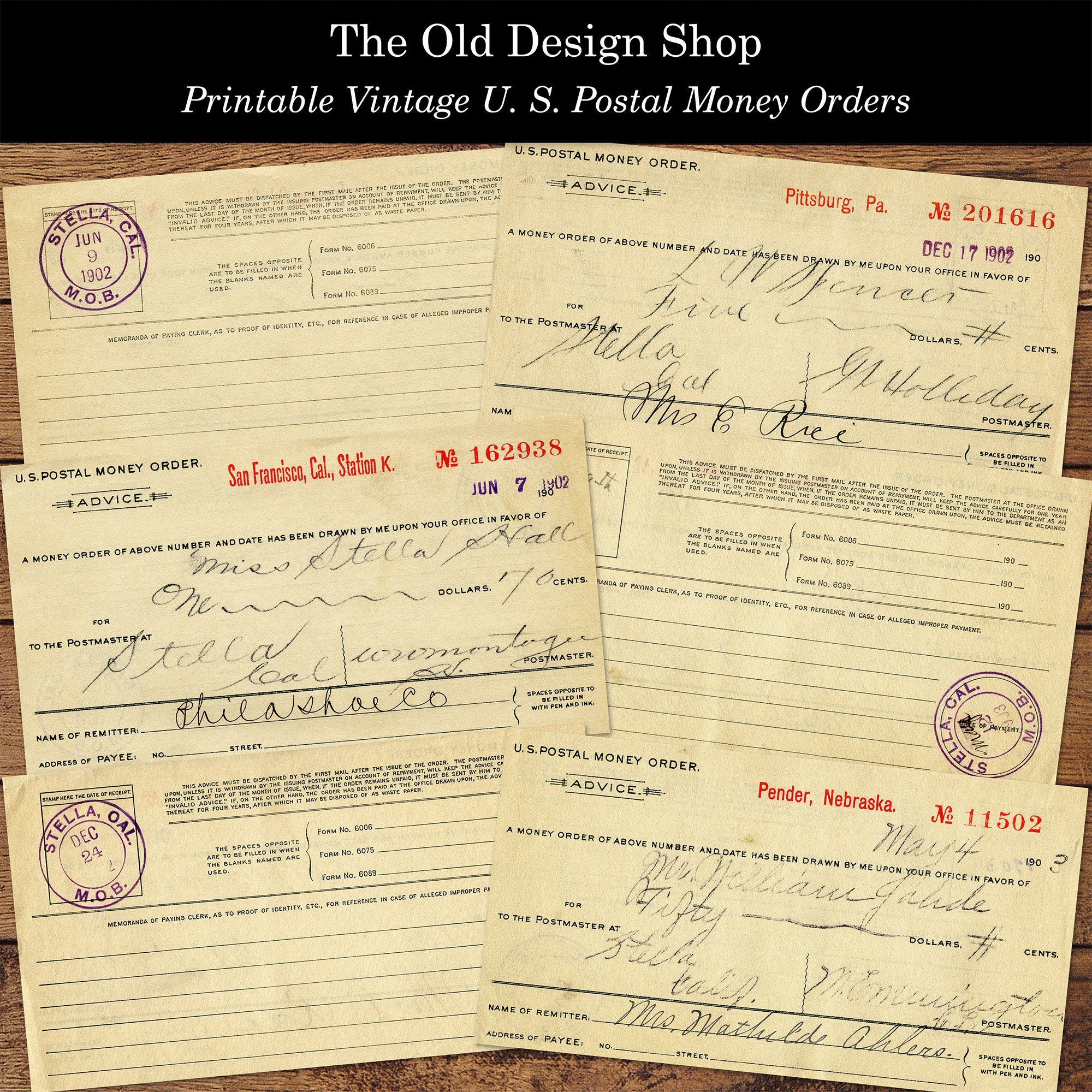
When using money orders over $1,000, you will encounter strict maximum face value limits per single instrument imposed by major issuers like the United States Postal Service and Western Union, requiring buyers to purchase multiple money orders or utilize alternative payment methods like cashier's checks. Furthermore, transactions reaching or exceeding specified thresholds trigger federal reporting regulations under the Bank Secrecy Act.
Navigating the mechanics of financial instruments requires a precise understanding of institutional rules, regulatory requirements, and practical limitations. While digital banking and electronic wire transfers dominate modern commercial transactions, paper-based payment instruments such as money orders still serve a vital function for individuals who lack traditional checking accounts, wish to maintain financial privacy, or require a guaranteed form of payment that cannot bounce due to insufficient funds. However, when financial transactions exceed the $1,000 threshold, standard operational procedures shift significantly. Issuers, financial institutions, and regulatory bodies implement stricter controls to mitigate fraud, prevent money laundering, and manage the physical risk associated with large-scale paper currency exchange.
Understanding Money Order Limits and Issuing Authorities
The most immediate challenge consumers face when attempting to purchase a money order exceeding $1,000 is that major issuing authorities enforce strict per-instrument caps. Financial institutions rarely issue a single money order for an arbitrary, unlimited sum. Instead, they cap the maximum value of an individual document to protect both the issuer and the consumer from catastrophic loss in the event of theft, loss, or forgery.
The United States Postal Service (USPS), which is one of the most trusted and widely utilized issuers of domestic postal money orders, enforces a strict maximum face value limit of $1,000 for domestic money orders. If a transaction requires sending $2,500, a purchaser cannot simply request a single USPS money order for that total amount. Instead, the purchaser must buy multiple distinct money orders—in this hypothetical case, two for $1,000 and one for $500—each requiring its own separate purchase fee.
Private commercial issuers, including convenience store chains, grocery store networks, pharmacies, and money transfer services like Western Union or MoneyGram, often implement even lower limits for single instruments. While Western Union domestic money orders may go up to $1,000 at select participating agent locations, many retail outlets cap their individual money orders at $500 or $700 as a built-in risk management policy. Consequently, acquiring a high-value payment instrument requires mapping out the institutional rules of the chosen issuer well before arriving at the service counter.
Regulatory Compliance: The Bank Secrecy Act and Anti-Money Laundering Rules
Transacting large sums of money via paper instruments immediately draws regulatory oversight. In the United States, financial institutions and money services businesses (MSBs) are bound by the Bank Secrecy Act (BSA) and related anti-money laundering (AML) regulations administered by the Financial Crimes Enforcement Network (FinCEN), a bureau of the U.S. Department of the Treasury.
When an individual purchases monetary instruments—which include money orders, traveler's checks, and cashier's checks—using cash in amounts totaling between $3,000 and $10,000 in a single business day, the issuer is legally mandated to maintain detailed records under the BSA's "Recordkeeping Rule." This means that if you walk into a postal facility or retail outlet with physical cash to purchase multiple money orders that collectively cross these specific thresholds, the issuer will require you to provide official government-issued photo identification. They will record your name, address, Social Security number or date of birth, the date of purchase, the serial numbers of the money orders, and the exact dollar amounts.
Moreover, if an institution observes structured transactions—where a customer intentionally breaks up purchases of money orders into smaller amounts under $3,000 across multiple days or multiple locations to intentionally evade the recordkeeping threshold—this constitutes "structuring," which is a federal crime. Financial entities maintain automated surveillance systems to detect and report suspicious activities via Suspicious Activity Reports (SARs), regardless of the exact dollar amount involved. Therefore, transparency, accurate identification, and legitimate paper trails are absolute prerequisites when dealing with large-scale financial paper instruments.

Comparing Money Orders and Alternative High-Value Payment Instruments
Choosing the correct financial instrument for a transaction exceeding $1,000 requires comparing money orders against alternative methods like cashier's checks, certified checks, and electronic wires.
| Payment Instrument | Typical Maximum Limit | Primary Issuers | Verification & Security | Associated Fees |
|---|---|---|---|---|
| Money Order | Usually $500 to $1,000 per instrument | USPS, Western Union, grocery stores, convenience stores | Moderate; must be verified directly with the issuing provider. | Low to moderate per instrument; multiplies if multiple instruments are bought. |
| Cashier's Check | No strict statutory limit; tied to account balance | Traditional banks and credit unions | High; drawn directly on the bank's own funds with advanced security features. | Typically $10 to $15, often waived for premium account holders. |
| Certified Check | No strict statutory limit; drawn on personal/business account | Commercial banks and credit unions | High; funds are verified and immediately set aside from the maker's account. | Moderate bank fees, varying by institution. |
| Wire Transfer | Unlimited (subject to bank approval and liquidity) | Banks and specialized wire networks (e.g., Fedwire, SWIFT) | Highest speed; irrevocable once processed and settled. | Domestic fees range from $15 to $30; international fees are higher. |
Reviewing this operational breakdown reveals that while money orders can technically be aggregated to cover large sums, doing so becomes cumbersome and inefficient once transactions scale past a few thousand dollars. A cashier's check issued by a chartered bank is generally the preferred vehicle for high-value private transactions, such as purchasing a used vehicle or paying a security deposit, because it consolidates the entire sum into a single verifiable document backed by the financial institution's reserves.
Practical Steps for Purchasing and Using Multiple Money Orders
If you have decided that purchasing multiple money orders is the most suitable method for your transaction, meticulous execution is required to avoid administrative snags, lost funds, or rejection by the payee.
Step 1: Calculate the Exact Total and Fee Overhead
Calculate the precise financial obligation, including any applicable taxes or delivery fees. Remember that each individual money order carries a non-refundable issuance fee. Purchasing five separate $1,000 money orders will incur the individual issuance fee five times over, which quickly inflates the transactional overhead compared to a single bank check fee.
Step 2: Verify Accepted Payment Forms at the Issuer
Most postal locations and retail outlets do not permit customers to purchase money orders using credit cards due to the high risk of chargeback fraud and cash-advance classifications. Be prepared to pay with cash, a debit card with an adequate daily spending limit, or a direct withdrawal from a verified checking account. If using a debit card, verify your bank's daily point-of-sale or ATM withdrawal limits beforehand to prevent transaction declines at the counter.
Step 3: Complete Purchaser and Payee Information Immediately
As soon as the money order is printed or handed to you, fill out all required fields with permanent ink. This includes:
- The Payee Name: Clearly write the exact legal name of the person or entity receiving the funds. Leaving the payee line blank leaves the instrument vulnerable to theft, as anyone can cash or deposit an unassigned money order.
- The Purchaser's Address and Name: Fill in your current residential address and full legal name in the purchaser/remitter section.
- The Purchaser's Signature: Sign the front of the money order where designated as the purchaser or drawer.
Step 4: Retain All Customer Receipts
Every money order is paired with a detachable carbon-copy receipt or stub. This receipt contains the unique serial number, tracking information, and purchase amount. Detach this receipt immediately and store it in a secure location separate from the money order itself. If the physical money order is lost in transit, stolen, or destroyed, this receipt serves as the sole legal proof of purchase required to initiate a tracer, request a refund, or place a stop-payment inquiry through the issuer.
Common Risks, Fraud Scenarios, and Security Measures
High-value paper payment instruments are prime targets for financial fraudsters. Because money orders act much like cash once negotiated, understanding common scams is essential for protecting your capital.
Counterfeiting and Alteration
Sophisticated criminals occasionally use chemical washing or digital printing to alter the face value of legitimate money orders or print entirely fraudulent instruments. When accepting a money order over $1,000 from an unfamiliar party, never accept it blindly. Inspect the security features, which on a USPS money order include a watermark depicting Benjamin Franklin visible from both sides when held to the light, and a multicolored security thread with the letters "USPS" running vertically through the paper.
Phantom Debt and Overpayment Scams
A classic scam involves fraudsters sending a fake or fraudulently acquired money order that exceeds the required amount for a transaction (such as buying an item you listed online or paying you for a remote work assignment). The scammer instructs you to deposit the money order, keep a portion for your trouble, and wire the remaining balance back to them via an irreversible method like a wire transfer or gift cards. Days or weeks later, the bank discovers the money order is counterfeit and reverses the deposit, leaving you liable for the entire withdrawn balance. Never disburse funds or goods until the issuing institution has fully and unconditionally cleared the money order.
Troubleshooting and Resolving Lost or Stolen Money Orders
If a high-value money order is lost, stolen, or fails to reach its intended destination, recovery is possible, but it requires patience and adherence to strict administrative protocols.
- Locate Your Receipt: Retrieve the detachable customer receipt containing the serial number and issue date. Without this serial number, tracking or refunding the instrument is nearly impossible.
- Contact the Issuer: File a formal inquiry or tracer request with the issuing organization. For USPS money orders, you must complete Form 6401 (Money Order Inquiry) and submit it by mail along with the required processing fee. Private issuers like Western Union require you to fill out a research request form online or through customer service.
- Wait for Processing: Institutional investigations into lost or stolen money orders take time. The issuer will check their clearinghouse databases to see if the instrument has been cashed. If it has not been cashed, they will issue a replacement or refund, though this process frequently takes anywhere from 30 to 60 days. If the money order has already been cashed, the issuer will provide you with a copy of the endorsed back, which you can hand over to law enforcement if fraud or forgery is suspected.
Navigating high-value financial transactions demands vigilance, exact arithmetic, and strict compliance with legal boundaries. By evaluating whether a money order is truly the best instrument for your needs—or if a cashier's check or electronic transfer offers superior security and efficiency—you can safeguard your funds and complete transactions smoothly.
Image Gallery
Select an image to open it in a new tab.

Lars Thomsen
Global Labor Markets and Economic Strategy Editor
