What the 2017 Camaro Engine Really Offers: A Deep Dive into Performance and Longevity

The 2017 Chevrolet Camaro offers a diverse lineup of four distinct engines: a 275-hp 2.0L Turbocharged I4, a 335-hp 3.6L V6, a 455-hp 6.2L LT1 V8, and the monstrous 650-hp supercharged LT4 V8 in the ZL1. This range allows the Camaro to transition from an efficient daily commuter to a world-class track machine.
In the landscape of 2026, the 2017 Chevrolet Camaro remains a high-water mark for the nameplate’s sixth generation (Gen 6). As enthusiasts and used-car buyers look back nearly a decade later, the 2017 model year stands out because it fully realized the potential of the Alpha platform, introducing the legendary ZL1 and celebrating the brand’s 50th Anniversary. Understanding what these engines "really offer" requires looking beyond the brochure numbers and analyzing their real-world durability, tuning potential, and how they define the driving character of this modern classic.
The 2.0L Turbocharged I4 (LTG): Efficiency Meets Agility
For many years, a four-cylinder Camaro was viewed with skepticism by purists. However, the LTG engine found in the 2017 base models changed that narrative by offering a unique power-to-weight advantage. This 2.0-liter turbocharged dual-overhead-cam (DOHC) engine produces 275 horsepower and 295 lb-ft of torque.
What this engine really offers is not just raw speed, but balance. Because the four-cylinder block is significantly lighter than the V6 or V8 options, the front-end weight of the car is reduced. This results in a 2017 Camaro that feels remarkably "pointy" and eager to turn in. For drivers who prioritize autocross or tight canyon roads over drag strips, the 2.0T offers a nimble experience that punches above its weight class.
Technically, the LTG utilizes a twin-scroll turbocharger to minimize lag. From a 2026 perspective, we know this engine is a favorite for the aftermarket. With a simple ECU reflash and an upgraded intercooler, these engines can reliably push past 300 wheel horsepower, making them a "sleeper" choice for budget enthusiasts. However, prospective owners should be aware of the importance of using high-quality synthetic oil and top-tier fuel to prevent carbon buildup on the intake valves—a common trait of direct-injection engines from this era.
The 3.6L V6 (LGX): The Refined Middle Ground
The 3.6L LGX V6 was a relatively new engine in 2017, representing a clean-sheet redesign from the previous LFX engine used in the 5th generation. It delivers 335 horsepower and 284 lb-ft of torque.
What the V6 really offers is a sophisticated blend of modern technology and traditional naturally aspirated power. Unlike the turbo-four, the V6 provides a linear power delivery that pulls all the way to its 7,000 RPM redline. It features Active Fuel Management (AFM), which can deactivate two cylinders under light load to improve fuel economy, and Variable Valve Timing (VVT) to optimize torque across the entire rev range.
One of the most understated aspects of the 2017 V6 Camaro is its exhaust note when equipped with the Dual-Mode Exhaust (NPP). It produces a high-pitched, almost exotic wail that distinguishes it from the low-frequency rumble of the V8. For the driver who wants a respectable 0–60 mph time of around 5.1 seconds without the insurance premiums or fuel costs of an SS, the LGX remains the most balanced powertrain for daily use.
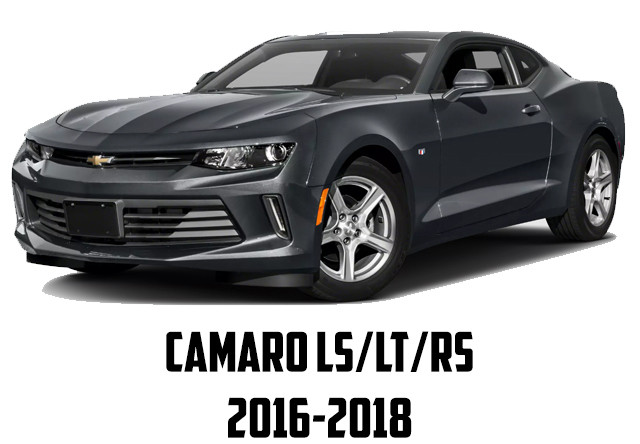
The 6.2L LT1 V8 (SS): The Heart of the American Muscle Legend
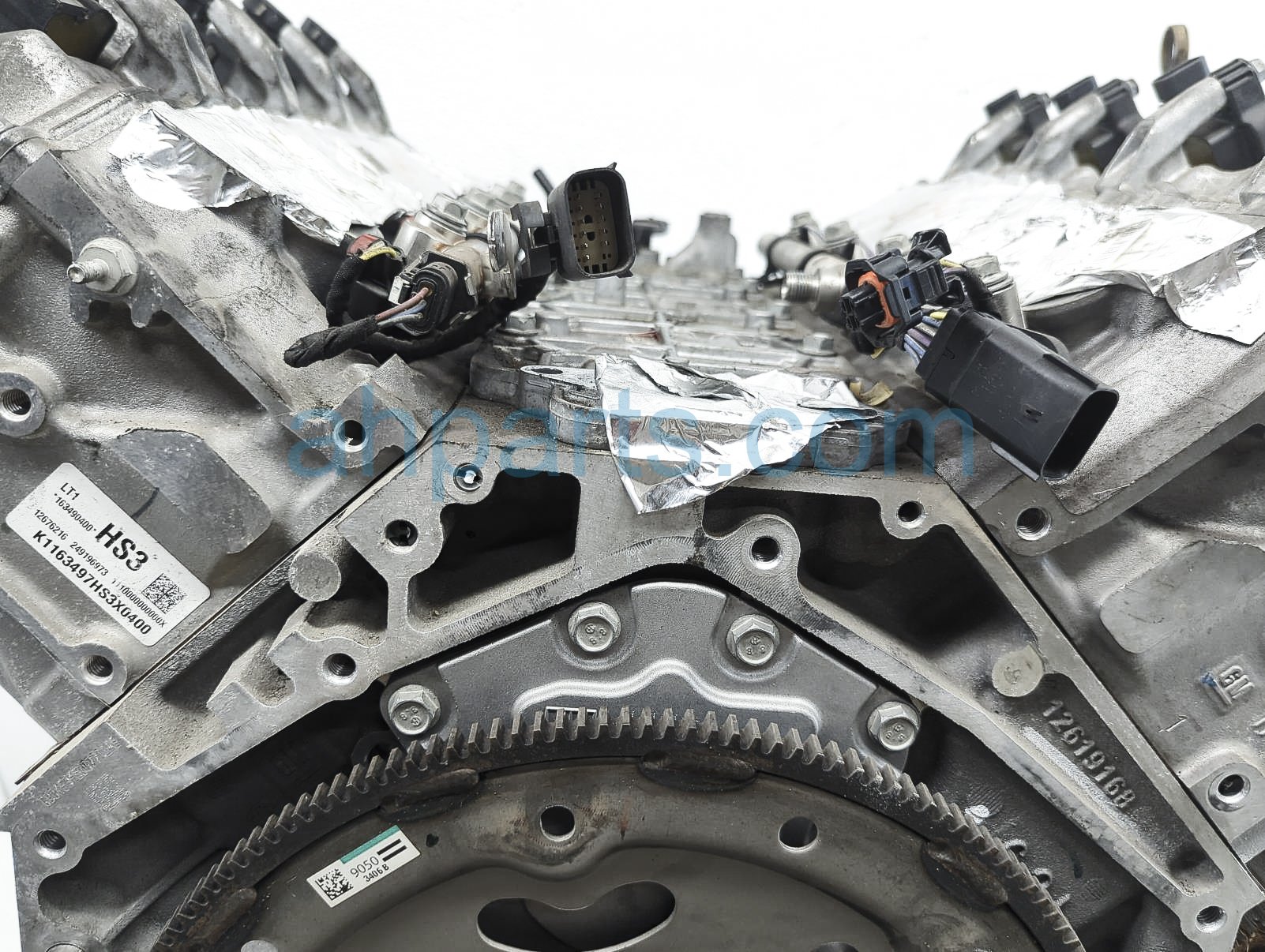
The 2017 Camaro SS is defined by the LT1 V8, an engine that shares its DNA with the C7 Corvette. Producing 455 horsepower and 455 lb-ft of torque, this engine is the quintessential choice for those seeking the classic muscle car experience.
The LT1 is a Small Block engine that relies on overhead valves (pushrods), but don't let the "old school" layout fool you. It features direct injection, continuously variable valve timing, and a high 11.5:1 compression ratio. What this engine really offers is an incredible "wall of torque" available from low RPMs. In the 2017 SS, this translates to a 0–60 mph sprint in just 4.0 seconds when equipped with the automatic transmission.
From a long-term reliability standpoint as of 2026, the LT1 has proven to be remarkably robust. It is a "high-ceiling" engine, meaning it can handle significantly more power if the owner decides to add a centrifugal supercharger or a more aggressive camshaft. The primary maintenance concern for the 2017 SS models has historically been the 8-speed automatic transmission (the 8L90), which sometimes required a specific fluid flush to solve "shudder" issues—a well-documented fix that most units on the road today have already undergone.
The 6.2L Supercharged LT4 V8 (ZL1): Supercar Performance
The 2017 model year marked the return of the ZL1, and with it, the most powerful engine ever factory-installed in a Camaro at that time: the LT4. This 6.2-liter supercharged V8 delivers a staggering 650 horsepower and 650 lb-ft of torque.
What the LT4 really offers is a level of performance that rivals European supercars. It uses a 1.7L Eaton R1740 TVS supercharger that spins at up to 20,000 RPM. To manage the heat generated by this massive power, the 2017 ZL1 was engineered with 11 heat exchangers. Unlike some earlier performance cars that would heat-soak and lose power after a few laps on a track, the 2017 ZL1 was built for sustained endurance.
The ZL1 also introduced the 10-speed automatic transmission to the Camaro lineup in 2017, a gearbox co-developed with Ford that keeps the engine in its optimal power band at all times. For the collector or the hardcore track enthusiast in 2026, the LT4 engine represents the pinnacle of internal combustion technology in the Camaro's history. It is a violent yet surprisingly tractable engine that can be driven to the grocery store just as easily as it can be driven to a 200 mph top speed.
Technical Specification Comparison: 2017 Camaro Engines
| Engine Type | Displacement | Horsepower | Torque (lb-ft) | Induction | 0-60 MPH (approx.) |
|---|---|---|---|---|---|
| LTG I4 | 2.0L | 275 hp | 295 lb-ft | Turbocharged | 5.4 - 5.5 sec |
| LGX V6 | 3.6L | 335 hp | 284 lb-ft | Naturally Aspirated | 5.1 - 5.2 sec |
| LT1 V8 | 6.2L | 455 hp | 455 lb-ft | Naturally Aspirated | 4.0 - 4.3 sec |
| LT4 V8 | 6.2L | 650 hp | 650 lb-ft | Supercharged | 3.5 sec |
Transmission Pairings and Their Impact on Engine Performance
An engine is only as good as the transmission it’s mated to, and in 2017, Chevrolet provided several options that significantly changed the car's personality.
The 6-Speed Manual (Tremec)
The Tremec 6-speed manual available across the lineup (TR-3160 for I4/V6 and TR-6060 for V8s) offers a high degree of driver engagement. In the SS and ZL1 models, this transmission includes "Active Rev Matching," which automatically blips the throttle on downshifts. This allows the engine to stay in its power band without the driver needing to master the heel-toe braking technique, making the V8 engines much more accessible on technical tracks.
The 8-Speed Automatic (8L45 / 8L90)
Standard on the I4, V6, and SS for those who didn't want three pedals, the 8-speed automatic was designed for quick shifts and fuel efficiency. While generally effective, as mentioned previously, the 2017 iteration of this transmission is the one most scrutinized by the used market in 2026. If you are looking at a 2017 Camaro today, verifying that the transmission fluid was updated to the latest Mobil 1 synthetic LV ATF HP fluid is a critical "next step."
The 10-Speed Automatic (10R90)
Exclusive to the ZL1 in 2017, this transmission is widely considered one of the best automatics ever made. With ten gears, it allows the LT4 engine to stay perfectly positioned for maximum acceleration. The shifts are lightning-fast, often rivaling dual-clutch transmissions (DCTs) found in far more expensive German cars.
Real-World Reliability: A 2026 Retrospective
Looking back from 2026, the 2017 Camaro engines have proven to be largely dependable, provided they were maintained correctly. Because these are all direct-injection engines, they are sensitive to fuel quality. Owners who used low-tier gasoline often encountered fuel injector clogging or significant carbon buildup on the valves by the 60,000-mile mark.
For the V8 engines (LT1 and LT4), the most common long-term "watch point" is the Active Fuel Management system. While AFM helps with fuel economy, the lifters associated with the cylinder deactivation can occasionally fail in high-mileage examples. Many enthusiasts in the secondary market opt for "AFM delete" kits or electronic disablers to keep the engine running on all eight cylinders at all times, thereby increasing longevity.
The 2.0L LTG turbo engine has also aged well, though it is the most sensitive to heat. Owners who pushed these engines with aftermarket tunes without upgrading the cooling system sometimes faced piston ring land failures. In the stock configuration, however, it is a sturdy workhorse capable of exceeding 150,000 miles.
Maintenance Requirements for the 2017 Lineup
To keep these engines performing at the level they "really offer," a specific maintenance schedule is required. The high-performance nature of the 6.2L engines means they have higher oil capacities—the SS requires 10 quarts of 0W-40 or 5W-30 (depending on track use) synthetic oil.
- Oil Changes: Use Dexos-cleared synthetic oil. For the ZL1 and SS, frequent changes are necessary if the car is track-driven.
- Cooling System: The ZL1’s complex cooling network requires periodic checks of the intercooler coolant levels to ensure the supercharger remains efficient.
- Spark Plugs: Expect to replace plugs every 60,000 to 100,000 miles, though the forced induction engines (I4 and ZL1) benefit from earlier intervals.
- Drivetrain Fluids: Differential fluid changes are often overlooked but are vital for the limited-slip differentials (LSD) and electronic LSDs (eLSD) found in the SS and ZL1.
Summary of the 2017 Camaro Engine Values
In 2017, Chevrolet didn't just offer engines; they offered specific identities for the Camaro.
- The 2.0T offered a European-style sports coupe feel.
- The 3.6L V6 offered a sophisticated, high-revving grand tourer.
- The 6.2L LT1 offered the brute force of a traditional American muscle car with modern manners.
- The 6.2L LT4 offered legitimate supercar-slaying performance in a package that could be serviced at any local dealer.
In 2026, the "best" engine depends entirely on the buyer's goal. For a daily driver with lower operating costs, the V6 is the unsung hero. For the collector or track enthusiast, the ZL1 remains a peak achievement that has arguably not been surpassed in raw visceral feel by many newer electric or hybridized offerings.
Frequently Asked Questions
Does the 2017 Camaro V6 require premium gas? No, the 3.6L LGX V6 is designed to run on 87-octane regular unleaded fuel. While using premium may provide a very slight increase in timing optimization, it is not required for engine safety. In contrast, the 2.0L Turbo and both V8 engines (SS and ZL1) strictly require premium fuel to prevent engine knock and ensure advertised performance.
How reliable is the turbo on the 2.0L Camaro engine? The twin-scroll turbocharger used in the 2017 LTG engine is generally very reliable, often lasting the life of the engine. Most issues associated with this engine stem from the cooling system or oil delivery rather than the turbocharger itself. Keeping the air filter clean and allowing the engine to idle for 30 seconds after a hard drive helps preserve the turbo bearings.
What is the "shudder" issue often mentioned with 2017 Camaro engines? The "shudder" is actually a transmission issue, not an engine issue, but it affects the driving experience of the LT1 and LGX engines. It occurs in the 8-speed automatic when moisture builds up in the transmission fluid, causing the torque converter clutch to slip and grab. A full fluid flush with the updated "Blue Label" Mobil 1 synthetic fluid almost always resolves this problem permanently.
Can the 2017 Camaro SS engine be tuned for more power? Yes, the LT1 V8 is highly receptive to tuning. A simple intake, headers, and an ECU tune can easily push the engine from 455 hp to over 500 hp at the crank. Because it is a naturally aspirated engine, these gains are reliable and don't significantly compromise the engine's lifespan, provided the tune is performed by a professional.
Is the 2017 ZL1 engine the same as the Corvette Z06? Yes, the LT4 engine in the 2017 Camaro ZL1 is essentially the same as the one found in the C7 Corvette Z06. However, the Camaro's version actually benefited from better cooling integration within the engine bay, which helped resolve some of the overheating issues that early C7 Z06 owners experienced during extended track sessions.
Practical Recommendation: If you are shopping for a 2017 Camaro in 2026, prioritize a vehicle with a documented service history that includes regular oil changes and, if it's an automatic, a record of the transmission fluid flush. For the best "bang for your buck," a 2017 SS with the 1LE track package offers an LT1 engine paired with upgraded suspension and cooling that makes it a future classic.
Image Gallery
Select an image to open it in a new tab.
Akira Tanaka
International Academic Trends Correspondent
