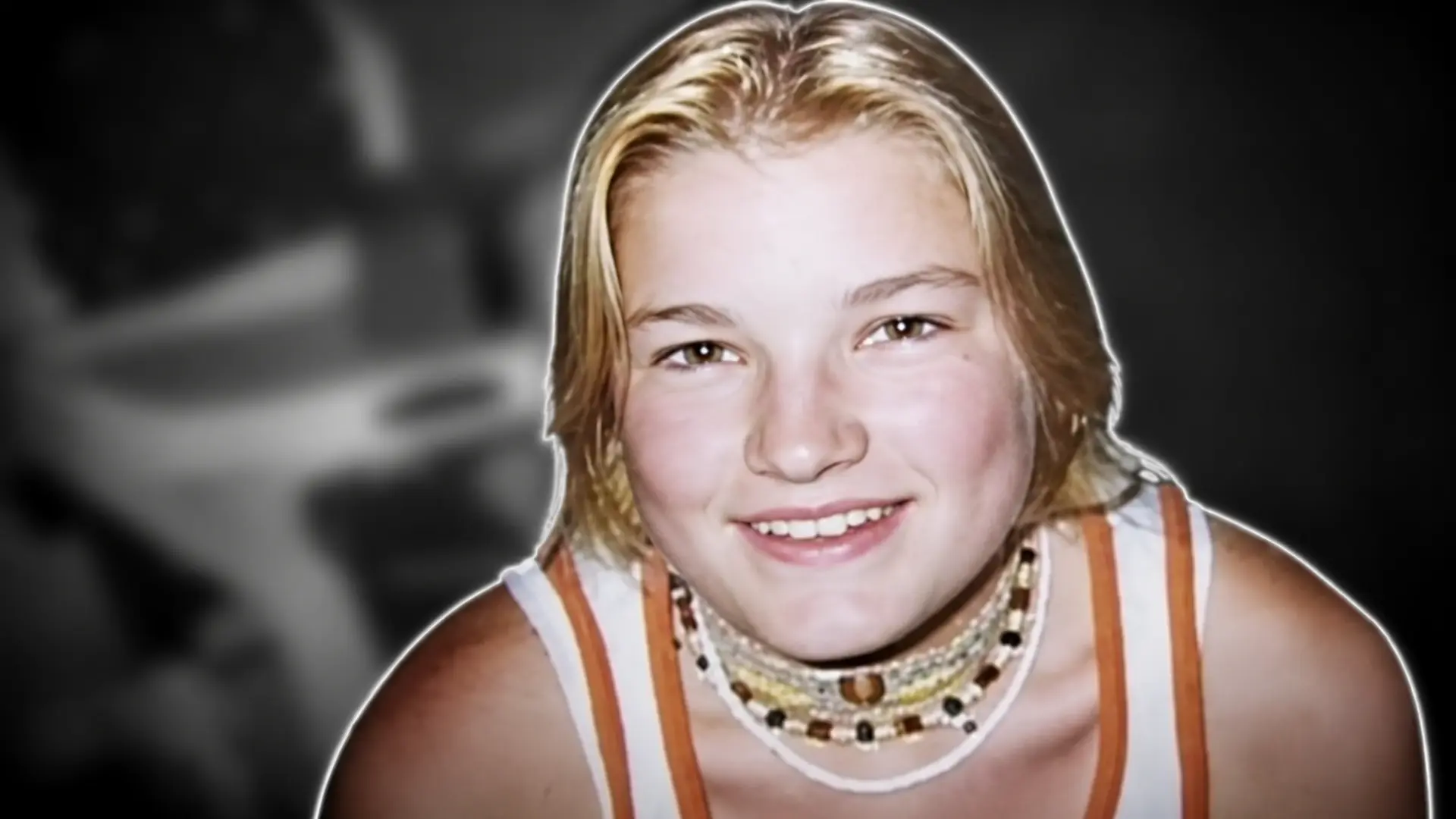
As of 2026, the investigation into the 2000 abduction and murder of Molly Bish remains one of Massachusetts' most prominent cold cases. While law enforcement has identified specific persons of interest, most notably Francis "Frank" P. Sumner Sr., the case is not officially closed. The distinction between investigative facts and persistent public myths centers on DNA evidence, the validity of witness sketches, and the geographic connections of various high-profile suspects.
The Disappearance of Molly Bish: A Foundation of Facts
To understand the suspects, one must first establish the undisputed facts of the case. On June 27, 2000, 16-year-old Molly Bish was dropped off by her mother, Magi Bish, at Comins Pond in Warren, Massachusetts, where Molly worked as a lifeguard. When the first swimmers arrived a short time later, Molly was gone. Her water bottle, whistle, and sandals were left at her station, but there were no signs of a violent struggle.
For three years, the search for Molly was a massive regional effort. In June 2003, her remains were discovered on Whiskey Hill in the neighboring town of Palmer, roughly five miles from the pond. Since that discovery, the Massachusetts State Police and the Worcester County District Attorney’s Office have analyzed thousands of leads, yet the case remains in a state of "active investigation" rather than "solved status" as we move through 2026.
The primary difficulty in this case has always been the lack of direct forensic evidence linking a specific individual to the disposal site, compounded by the passage of time and the environmental degradation of the remains. However, technological advancements in DNA sequencing and forensic genealogy have allowed investigators to revisit evidence that was once considered inconclusive.
Identifying the Primary Suspects: The Evolution of the Investigation
Over the last quarter-century, several names have risen to the surface. Some were brought forward by investigators, while others were the result of public speculation and the "true crime" community’s efforts to match sketches to known offenders.
Francis "Frank" P. Sumner Sr.: The 2021 Breakthrough
In 2021, District Attorney Joseph D. Early Jr. publicly named Francis "Frank" P. Sumner Sr. as a person of interest in Molly’s murder. This was a significant departure from previous investigative protocols, as law enforcement rarely names suspects in active cold cases unless they possess compelling circumstantial or forensic links.
The Facts regarding Sumner: Sumner was a convicted sex offender with a lengthy criminal record, including a 1982 kidnapping and rape conviction. He died in 2016, which means he can never be prosecuted. However, the investigation into his involvement intensified after authorities received new information regarding his habits and his proximity to the area. Sumner operated auto repair shops in the Spencer, Leicester, and Worcester areas and was known to frequent the region where Molly lived and worked.
Investigators focused on Sumner after analyzing tips that placed him in the vicinity of Comins Pond and Whiskey Hill. Furthermore, his physical profile and history of predatory behavior aligned with the criminal profile developed by FBI experts early in the investigation. As of 2026, he remains the most "officially" recognized suspect, though a definitive DNA match to the crime scene has not been publicly confirmed.
Rodney Stanger: The Florida Connection
Rodney Stanger became a major figure of interest around 2008 following his arrest in Florida for the murder of his long-time girlfriend, Chrystal Morrison.
The Facts regarding Stanger: Stanger lived in Southbridge, Massachusetts—less than 10 miles from Warren—at the time of Molly’s disappearance. He was an outdoorsman who frequently hunted and fished in the woods where Molly’s remains were found. Most compelling to the public was Stanger’s striking resemblance to the composite sketch of the "man in the white car" seen at Comins Pond the day before Molly disappeared.
Magi Bish, Molly’s mother, has frequently pointed to the resemblance between Stanger and the man she saw. However, despite intense scrutiny by Massachusetts State Police, including a 2008 trip to Florida to interview him and collect DNA, no forensic link has ever been established. Stanger remains a person of interest, but the investigative focus has largely shifted toward Sumner in recent years.

Myth vs. Fact: Debunking Common Misconceptions
The Molly Bish case is surrounded by a significant amount of folklore. Because the crime occurred at a time when the internet was beginning to change how the public consumed news, certain "myths" have become entrenched as facts.
Myth: The "Man in the White Car" has been identified and cleared.
Fact: The man seen in a white sedan at Comins Pond on June 26, 2000 (the day before the abduction), remains one of the greatest mysteries of the case. While several individuals driving white cars were interviewed, the specific individual depicted in the famous "man with the mustache" sketch has never been definitively identified or ruled out. Many believe this man was Frank Sumner or Rodney Stanger, but without a confession or a forensic link, he remains a "phantom" lead.
Myth: Molly’s case is officially solved because Frank Sumner was named.
Fact: Naming a "person of interest" is not the same as solving a case. In the legal system, a case is solved through an arrest, a conviction, or an "exceptional clearance" (such as when a suspect dies and the evidence is overwhelming). As of 2026, the District Attorney’s office has not officially closed the case. The naming of Sumner was an attempt to solicit more information from the public who might have known him, not a declaration of finality.
Myth: There is a definitive DNA link to the Holly Piirainen case.
Fact: Holly Piirainen was a 10-year-old girl who vanished from Sturbridge, Massachusetts, in 1993. Her remains were also found in the woods of Brimfield/Palmer. Because of the geographic proximity and similar circumstances, many believe the same person killed both girls. While investigators have looked for links, there is currently no public forensic evidence (DNA or hair) that connects a single suspect to both Molly Bish and Holly Piirainen. They remain separate investigations with shared geographic profiles.
The Role of Forensic Technology in 2026
In the current year of 2026, the investigation relies heavily on Genetic Genealogy and M-Vac systems. The M-Vac is a sophisticated wet-vacuum forensic sampling device that can recover DNA from porous surfaces (like clothing or soil) that traditional swabbing might miss.
When Molly’s remains were found in 2003, DNA technology was far less sensitive than it is today. Items recovered from the scene—including a bathing suit and clothing remnants—have undergone multiple rounds of testing as technology improved. The current hurdle is that any DNA recovered from the burial site is often "degraded" or "mixed," meaning it contains DNA from multiple sources (including environmental bacteria or searchers).
Modern labs in 2026 are now capable of "cleaning" these profiles to create a single-source DNA strand that can be run through databases like CODIS or uploaded to genealogy sites like GEDmatch. This process is what led to the increased interest in the Sumner family line, though a "perfect match" remains the ultimate goal that has yet to be announced.
Investigative Challenges and the "Wall of Silence"
One of the largest obstacles in the Bish case has been the "wall of silence" often found in tight-knit rural communities. For decades, rumors have circulated in Warren and Palmer about local men who "acted strangely" or "sold their cars" immediately after Molly disappeared.
Investigators have had to navigate:
- Faulty Memory: Witnesses who come forward decades later often have distorted recollections.
- Death of Suspects: Many original persons of interest, including Frank Sumner and David Couch (another early POI), have passed away, making it impossible to conduct fresh interrogations or polygraphs.
- Environmental Contamination: Comins Pond and Whiskey Hill are public areas. Any DNA found on-site could belong to thousands of innocent people who visited those locations before or after the crime.
Comparison of Key Persons of Interest (POI)
The following table compares the two most frequently discussed suspects to highlight why the investigation has persisted for over two decades.
| Suspect Name | Connection to Case | Primary Evidence | Current Status (2026) |
|---|---|---|---|
| Francis "Frank" Sumner Sr. | Lived/worked in Central MA; violent history. | Circumstantial; tips from associates; criminal profile. | Deceased (2016); Primary POI. |
| Rodney Stanger | Lived 10 miles away; avid hunter in Palmer woods. | Physical resemblance to sketch; similar crime in FL. | Incarcerated in Florida; POI. |
| David Couch | Local resident with history of aggression. | Rumors of white car ownership; local proximity. | Deceased; largely discounted by DNA. |
| Robert Ressler Profile | N/A - FBI Profiler's description. | Organized offender; local; 25-40 years old at time. | Used to vet all potential suspects. |
FAQs Regarding the Molly Bish Case
Is the Molly Bish case still active in 2026?
Yes. The Massachusetts State Police Unresolved Case Unit and the Worcester County District Attorney’s Office still categorize this as an active investigation. They continue to process new tips and utilize updated forensic technologies to test evidence recovered from Comins Pond and Whiskey Hill.
Was DNA ever found at the scene?
Investigators have recovered DNA from the site where Molly’s remains were found, but they have not publicly confirmed if a "suspect-quality" profile exists. The primary challenge is distinguishing between DNA left by the perpetrator and DNA that may have been transferred naturally in a forest environment.
Who is the man in the famous sketch?
The sketch represents a man seen by Magi Bish on June 26, 2000. He is described as a white male in his 40s or 50s with a mustache and a "weighted" or "concerned" look. This individual was sitting in a white car at the pond. While he is often associated with the suspects mentioned above, his identity remains a matter of investigative debate.
Did Molly Bish know her killer?
Criminal profilers, including the late Robert Ressler who consulted on the case, suggested that the killer likely had some familiarity with the area. Whether Molly knew the person or was simply "hunted" by someone who had observed her at the pond remains unknown. The lack of a struggle suggests either a very fast abduction or someone she did not immediately perceive as a threat.
Are there any rewards for information in 2026?
Historically, rewards have been offered through the Molly Bish Foundation and various private donors. Those with information are encouraged to contact the Massachusetts State Police or use the anonymous tip lines provided by the District Attorney’s office.
Practical Recommendation: Next Steps for the Public
If you have information regarding the Molly Bish case, do not assume that "someone else has already told the police." In cold cases, it is often a small, seemingly insignificant detail that breaks the investigation wide open.
Recommended Actions:
- Review the Sketches: Re-examine the composite sketches of the man in the white car and the man seen near the pond.
- Contact Authorities: If you knew Frank Sumner Sr. or Rodney Stanger in the late 1990s and remember specific behaviors or vehicles they used, contact the Worcester County District Attorney’s Office.
- Support Cold Case Legislation: Support initiatives that provide funding for forensic genealogy, which is currently the most likely path to solving this case in 2026.
The case of Molly Bish is a reminder that while myths may fill the gaps of the unknown, only forensic facts and verified testimony can provide the justice that the Bish family has sought for over a quarter of a century.
Image Gallery
Select an image to open it in a new tab.

Simon Caldwell
Enterprise Technology and Systems Editor
