Understanding the Soybean Oil Market in the United States: Drivers, Dynamics, and Economic Impact
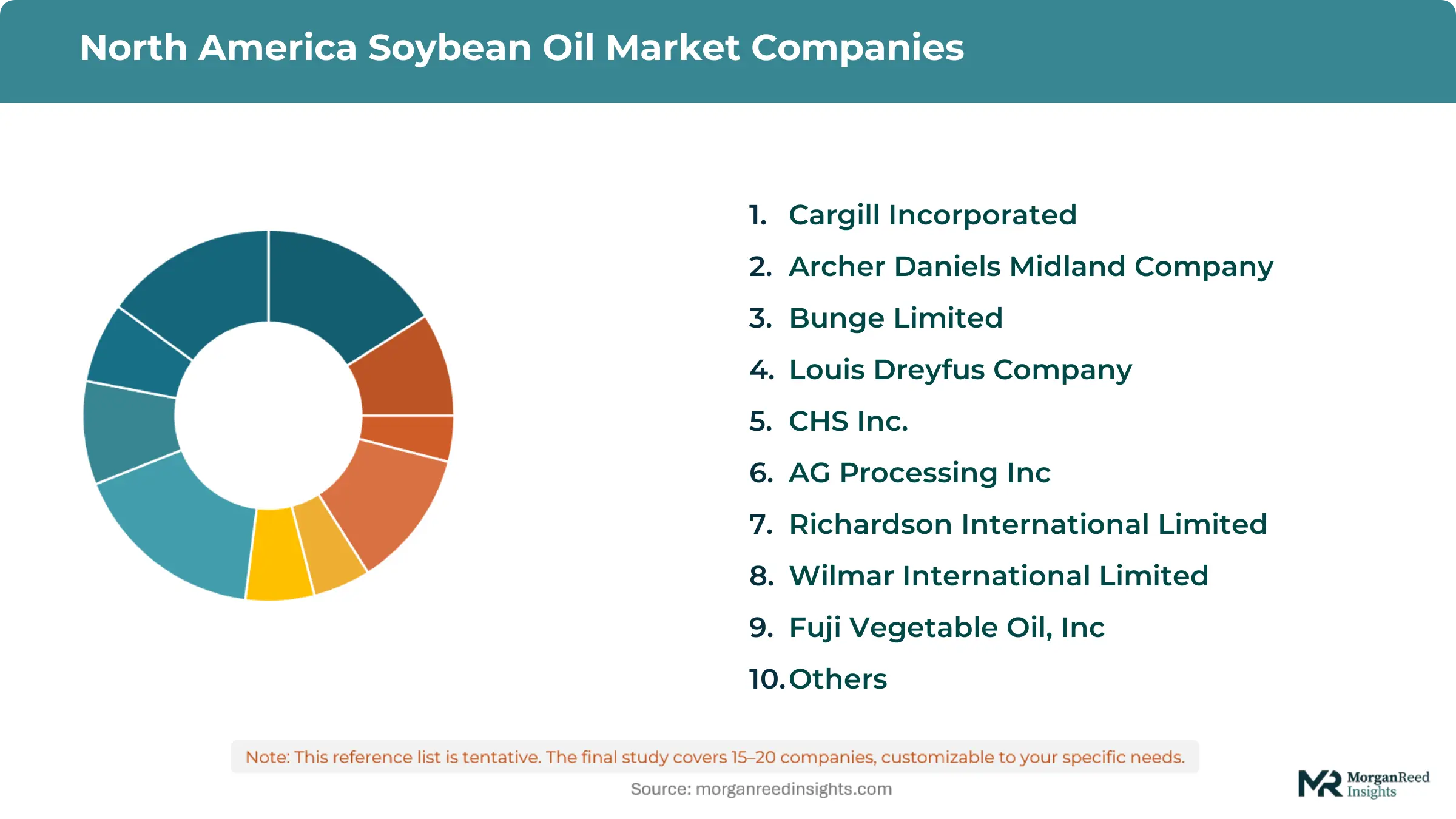
The soybean oil market in the United States serves as a critical pillar of the domestic agricultural economy, functioning as a primary source for both human nutrition and the burgeoning renewable diesel and biodiesel sectors. Driven by evolving dietary preferences, industrial demand for biofuels, and complex global supply chains, the market remains characterized by significant price volatility and robust export activity.
The Foundation of the U.S. Soybean Oil Industry
Soybean oil is a vegetable fat extracted from the seeds of the Glycine max plant. In the United States, the production process typically involves mechanical extraction or solvent extraction—most commonly using hexane—followed by refining, bleaching, and deodorizing to create the crude or RBD (Refined, Bleached, and Deodorized) oil used in commercial applications.
The U.S. market is unique because it is both a top-tier producer and a significant consumer. Unlike regions that focus primarily on export, the American market is deeply integrated with the domestic livestock industry, as the demand for soybean meal (the byproduct of oil extraction) creates a constant supply of soybean oil. This "joint-product" nature means that soybean oil supply is not dictated solely by the price of oil, but also by the industrial demand for protein meal, creating a complex baseline for market pricing.
Primary Drivers of Market Demand
In 2026, the demand for soybean oil in the United States is segmented into two primary categories: food applications and non-food, or industrial, applications.
1. The Food and Beverage Sector
For decades, soybean oil has been the dominant vegetable oil in the U.S. food system. Its high smoke point and neutral flavor profile make it an ideal candidate for deep frying, salad dressings, baking, and margarine production. As the industry has moved away from trans-fats, soybean oil—particularly high-oleic varieties—has seen increased utilization. This segment remains the "anchor" demand, providing steady, predictable consumption patterns that buffer the market against the more volatile fluctuations seen in the energy sector.
2. The Biofuel and Renewable Diesel Boom
The most significant shift in the U.S. soybean oil market over the last five years has been the expansion of renewable diesel production. Unlike traditional biodiesel, which requires blending, renewable diesel is a "drop-in" fuel that is chemically identical to petroleum-based diesel. Policy incentives, such as the Renewable Fuel Standard (RFS) and state-level Low Carbon Fuel Standards (LCFS), have incentivized refineries to convert existing facilities to handle fats, oils, and greases (FOG). Soybean oil has become a preferred feedstock due to its scalability and established supply chain.
Market Dynamics and Supply Constraints
The supply side of the U.S. soybean oil market is governed by domestic crushing capacity and seasonal harvest cycles. The U.S. Department of Agriculture (USDA) tracks these variables closely, as they influence futures pricing on the Chicago Board of Trade (CBOT).
- Crushing Capacity: The speed at which beans can be processed into oil and meal is a hard cap on supply. Recent years have seen massive capital investment in new crushing facilities, particularly in the Midwest, designed to capture the margin between raw soybeans and the refined products.
- Yield Volatility: Weather patterns, including drought cycles or excessive precipitation in the Corn Belt, directly influence the yield per acre. Even minor deviations from predicted harvest volumes can trigger significant price swings for refined soybean oil.
- Inventory Management: Because soybean oil is perishable over long periods, stocks-to-use ratios are watched closely by market analysts. In 2026, maintaining strategic reserves has become a priority for large-scale food processors looking to hedge against short-term supply chain disruptions.
Comparative Analysis of Feedstock and Market Substitutes
Soybean oil does not exist in a vacuum; it competes with various other fats and oils. The following table illustrates the common competitive landscape in the U.S. market.
| Feedstock | Primary Use | Market Characteristic |
|---|---|---|
| Soybean Oil | Food, Biofuel | High supply, integrated with meal demand. |
| Canola Oil | Food, Industrial | Often preferred for cold-climate food uses. |
| Corn Oil | Food, Industrial | Byproduct of ethanol production; limited supply. |
| Yellow Grease | Biofuel | Recycled restaurant fat; lower carbon intensity score. |
| Tallow/Animal Fats | Biofuel | High energy density but limited by livestock cycles. |
Economic and Regulatory Considerations
The U.S. soybean oil market is heavily influenced by federal trade policies and environmental regulations. Producers must navigate the requirements of the Environmental Protection Agency (EPA) regarding the carbon intensity (CI) scores of their products. A lower CI score allows producers to capture higher credits under various state-level carbon markets, significantly impacting the final profit margin of the refined product.
Furthermore, trade agreements and export demand—primarily from countries like Mexico and China—act as a "relief valve" for domestic supply. When domestic biofuel demand is high, export volumes often contract to satisfy local needs. Conversely, when domestic storage levels reach capacity, the industry relies on export markets to maintain price stability.
Risks and Challenges for Market Participants
Those involved in the soybean oil supply chain, from farmers to industrial end-users, face three distinct types of risk:
- Price Volatility: Soybean oil futures are subject to speculative trading and rapid shifts in macroeconomic indicators. Hedging through futures and options contracts remains the standard practice for risk mitigation.
- Sustainability Mandates: Regulatory frameworks are evolving toward stricter sustainability definitions. Future eligibility for biofuel credits may require proof of sustainable farming practices, such as no-till planting or cover cropping, which could increase operational costs.
- Feedstock Substitution: If soybean oil prices rise too sharply, fuel refineries may pivot to cheaper, albeit scarcer, feedstocks like used cooking oil or imported tropical oils. This creates a "price ceiling" effect where soybean oil can easily be priced out of the industrial market.
Frequently Asked Questions
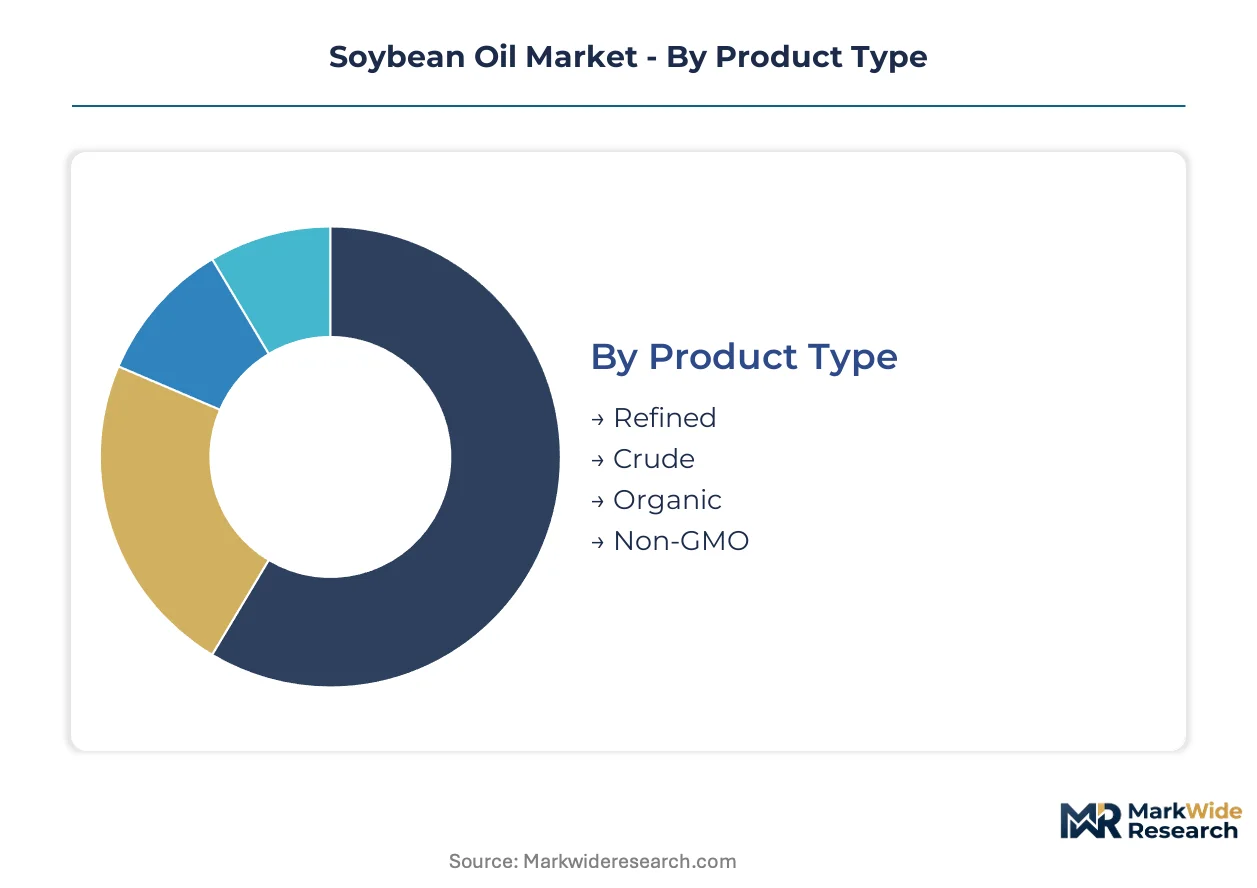
What is the difference between crude and refined soybean oil? Crude soybean oil is the raw product obtained immediately after extraction. It contains impurities like phospholipids and free fatty acids. Refined oil has undergone processes to remove these impurities, resulting in a product suitable for food consumption and consistent industrial performance.
How do biofuels affect the price of cooking oil? Because the same soybean oil can be used for both food and fuel, the two markets are linked. When demand for renewable diesel increases, it can drive up the price of oil for food manufacturers, as fuel producers are often willing to pay a premium to secure feedstock for government-mandated renewable fuel quotas.
Why is soybean meal production linked to soybean oil supply? Soybeans are roughly 18-20% oil and 80% meal by weight. To get the oil, processors must crush the bean, which creates an equal volume of protein-rich meal. Because the meal is a critical component of the animal feed industry, plants must keep crushing even if oil prices are temporarily low, provided the meal market remains profitable.
What is the role of the USDA in the soybean oil market? The USDA provides critical data through the World Agricultural Supply and Demand Estimates (WASDE) report. This report is considered the benchmark for market participants, offering forecasts on production, consumption, and ending stocks that influence daily trading decisions.
Is it possible for a small business to hedge against soybean oil price increases? Yes, small businesses often use fixed-price forward contracts with their suppliers to lock in costs for a set period. While this does not allow them to capture lower market prices, it provides budget certainty against sudden spikes.
Strategic Outlook and Next Actions
For stakeholders ranging from food manufacturing procurement managers to agricultural investors, the U.S. soybean oil market in 2026 requires a high degree of agility. Those looking to navigate this landscape effectively should prioritize building diversified supply chains that are not solely dependent on a single refinery or crushing source.
If you are involved in sourcing soybean oil, the immediate next action is to audit your current exposure to energy-market fluctuations. Evaluate whether your volume requirements can be met through long-term supply contracts or if you need to implement a hedging strategy using financial derivatives to mitigate the risk of price volatility in the renewable fuel sector. Always consult with a qualified commodities broker or procurement advisor to tailor your risk management strategy to your specific operational constraints.
Image Gallery
Select an image to open it in a new tab.
Celine Dubois
Contemporary Living and Global Arts Columnist
