A Guide to the NYU Radiology Residency and Fellowship Programs
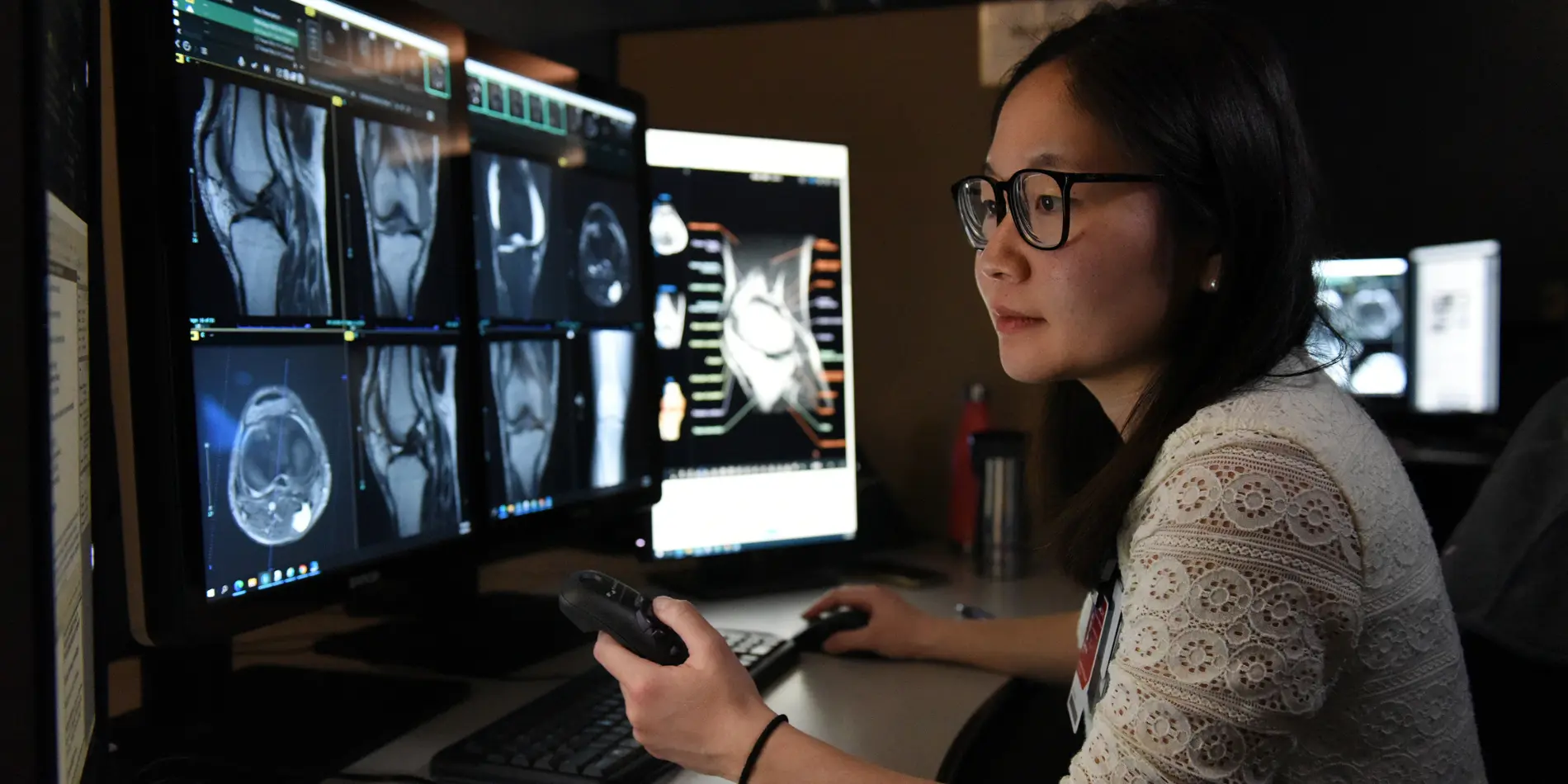
The NYU Radiology program, centered at the NYU Grossman School of Medicine and affiliated teaching hospitals, provides comprehensive training in diagnostic radiology, interventional radiology, and medical physics. Prospective applicants engage with a competitive selection process that emphasizes clinical excellence, research potential, and a commitment to academic medicine within a high-volume, multi-disciplinary healthcare environment.
Overview of NYU Radiology Training
The Department of Radiology at NYU Langone Health operates as a major academic hub, integrating clinical service, research innovation, and intensive resident education. The program is designed to meet the requirements of the American Board of Radiology (ABR) and prepares trainees for certification and subsequent fellowship opportunities.
Training occurs across several high-acuity sites, including Tisch Hospital, Kimmel Pavilion, NYC Health + Hospitals/Bellevue, and the VA NY Harbor Healthcare System. This diversity of practice environments—ranging from elite academic centers to public safety-net hospitals—ensures that residents are exposed to the full spectrum of pathology, from rare oncological cases to high-volume emergency trauma imaging.
The Residency Selection Process
Entry into the NYU Radiology residency program is primarily managed through the Electronic Residency Application Service (ERAS). The program is highly competitive, annually receiving thousands of applications for a limited number of categorical and advanced positions.
Eligibility and Prerequisites
To be eligible for consideration, applicants must meet the following criteria:
- Degree Requirements: Graduation from an accredited medical school (LCME or AOA).
- Licensure Readiness: Eligibility for a New York State medical license.
- USMLE Performance: Competitive scores on USMLE Steps 1 and 2 CK. While the program does not typically set a formal hard cutoff score, the review process is holistic, emphasizing a strong academic trajectory.
- Letters of Recommendation: The program typically requests three to four letters of recommendation. Letters from faculty who can speak to an applicant’s clinical aptitude and research contributions are prioritized.
The Interview Cycle
Selected candidates are invited for virtual interviews. The interview day is structured to provide insight into the program’s culture, technological infrastructure, and mentorship opportunities. Residents participate in the evaluation process, and candidates are encouraged to engage with current trainees to understand the balance of clinical load and educational protected time.

Clinical Rotations and Educational Structure
The residency curriculum follows a progressive model, transitioning from foundational knowledge to subspecialty expertise. In the first year (PGY-1), residents focus on core medical or surgical rotations, providing the clinical context necessary for high-quality diagnostic work. The PGY-2 through PGY-5 years focus exclusively on imaging.
Core Rotations
The curriculum covers all major imaging modalities, including:
- Musculoskeletal (MSK) Imaging: High-volume exposure to sports medicine and trauma.
- Neuroradiology: Intensive training utilizing state-of-the-art MRI and CT protocols.
- Body Imaging: Includes complex abdominal and pelvic imaging with a focus on oncology.
- Interventional Radiology (IR): A robust track for those interested in image-guided procedures.
- Pediatric Radiology: Centered on the unique diagnostic needs of children.
Protected Educational Time
The program emphasizes protected time for lectures, "rad-path" conferences, and case reviews. These sessions are intended to prepare residents for the ABR Core and Certifying exams. By the final year, residents are expected to operate with near-attending-level autonomy, overseeing junior residents and managing workflow efficiency in busy clinical environments.
Research and Innovation Opportunities
As a research-intensive department, NYU Radiology provides residents with access to advanced imaging laboratories, including the Center for Advanced Imaging Innovation and Research (CAI2R). Residents are strongly encouraged—and often expected—to participate in at least one research project during their residency.
Opportunities include:
- Collaborative Research: Working with physicists and engineers on novel MRI sequences or AI-driven image analysis.
- Clinical Trials: Involvement in ongoing multi-institutional studies.
- Academic Presentations: Funding and support are generally available for residents who present original research at national meetings such as the Radiological Society of North America (RSNA) or the American Roentgen Ray Society (ARRS).
Comparison of Training Pathways
The following table outlines the structural differences between the primary training tracks offered within the broader department.
| Program Track | Duration | Primary Focus | Career Endpoint |
|---|---|---|---|
| Diagnostic Radiology | 4 Years (after PGY-1) | Comprehensive diagnostic imaging | Diagnostic Radiologist |
| Interventional Radiology (Integrated) | 6 Years (including PGY-1) | IR and diagnostic skills | Interventional Radiologist |
| Neuroradiology Fellowship | 1–2 Years | Advanced CNS imaging | Neuroradiologist |
| Nuclear Medicine Fellowship | 1 Year | Theranostics and molecular imaging | Nuclear Radiologist |
Fellowship Programs
For those who have completed their residency, NYU offers competitive fellowship positions across virtually all subspecialties. Fellowships are typically one-year clinical appointments. Candidates are evaluated based on their performance during residency, letters of recommendation, and potential for academic productivity.
Common fellowship offerings include:
- Abdominal Imaging: Focuses on gastrointestinal and genitourinary imaging.
- Cardiothoracic Imaging: Specializing in complex cardiac MRI and thoracic oncology.
- Breast Imaging: Involves both diagnostic work and interventional procedures like biopsies.
- Emergency Radiology: Managing the rapid diagnostic needs of a busy urban Level 1 trauma center.
Essential Practical Guidance for Applicants
Preparing an application for a top-tier radiology program requires precision. Most successful applicants have a clear "why radiology" narrative that is supported by their extracurricular involvement and clinical rotations.
Common Mistakes to Avoid
- Overlooking Research Nuance: Simply listing research is not enough. Applicants should be prepared to discuss their specific contribution to the project and the clinical implications of their findings.
- Neglecting the "Fit" Aspect: Radiology is a team-based specialty. During interviews, demonstrate that you can collaborate effectively with both peers and technologists.
- Broad Applications: While applying widely is a common strategy, ensure your personal statement specifically addresses why the academic culture at NYU aligns with your career goals.
Troubleshooting Your Application
If you find your application is stalled or you are not receiving interview invitations, consider:
- Reviewing your PS: Does your personal statement sound generic? Ensure it highlights specific moments that solidified your interest in radiology.
- Networking: If you are a medical student, seek out a mentor within the field who can review your CV for potential gaps in clinical experience.
- Adding Experience: Consider a sub-internship or a research elective in radiology to gain additional letters of recommendation from recognized figures in the field.
Frequently Asked Questions
What are the main hospital sites for the NYU Radiology residency?
The primary training sites include Tisch Hospital and Kimmel Pavilion (the flagship academic centers), Bellevue Hospital (the public municipal hospital), and the VA NY Harbor Healthcare System. This breadth ensures exposure to diverse patient demographics and clinical workflows.
Is the NYU Radiology program friendly toward international medical graduates (IMGs)?
Yes, NYU welcomes applications from international medical graduates. However, the program maintains the same high standards for clinical performance and standardized test scores as it does for U.S. graduates. Verification of ECFMG certification is required for all international applicants.
How does the program incorporate AI into its training?
NYU is a leader in the development and implementation of artificial intelligence in radiology. Residents are often exposed to ongoing projects involving automated detection algorithms, workflow optimization tools, and advanced image reconstruction technologies developed by the department's internal research teams.
Can residents choose a dedicated research track?
While the standard residency is clinically focused, interested residents can coordinate with their program directors to allocate more elective time toward research. There are also specific pathways or discussions possible regarding physician-scientist tracks, depending on the current funding cycles and departmental capacity.
Are there opportunities for global health involvement?
Yes, the department supports various initiatives that may include international observerships or projects related to diagnostic health disparities. Residents interested in these avenues should inquire during their interview or initial orientation phase.
Next Actions for Prospective Applicants
If you are currently a medical student or a resident interested in applying to the NYU Radiology program, your immediate next step is to ensure your clinical rotations include at least one sub-internship in radiology. This will provide you with the necessary exposure to the specialty and the opportunity to secure a strong letter of recommendation from an attending radiologist.
Ensure your CV is updated with any research, publications, or teaching experience, and begin monitoring the official NYU Grossman School of Medicine Radiology website for any changes to application deadlines or requirements for the upcoming Match cycle. Engaging with residents on social media or professional forums can provide additional, informal context about the day-to-day culture, which is vital for making an informed decision during the rank-order process.
Image Gallery
Select an image to open it in a new tab.

Vivian Cho
Executive IT and Emerging Technologies Reporter
