
A universal code refers to a standardized system of symbols, numbers, or signals designed to be recognized globally across different platforms and industries. The two most prominent examples are Unicode, which standardizes text characters for digital computing, and the Universal Product Code (UPC), which identifies retail products worldwide.
The concept of a "universal code" is fundamental to the modern world, acting as the invisible bridge that allows different machines, software, and businesses to communicate. Without these standards, a message sent from a smartphone in Tokyo might appear as gibberish on a laptop in New York, and a product manufactured in Berlin would be unreadable by a scanner in Sydney. In 2026, as we move further into an era of integrated AI and globalized digital trade, understanding these codes is essential for developers, business owners, and consumers alike.
The Digital Foundation: Unicode as the Universal Character Code
In the early days of computing, different computers used different codes to represent text. One system might use the number 65 for the letter "A," while another might use it for something entirely different. This led to "mojibake"—the phenomenon where text becomes a garbled mess of symbols when moved between systems. Unicode was created to solve this by assigning a unique number, known as a code point, to every character in every language, including historical scripts and emojis.
The Architecture of Unicode
Unicode is governed by the Unicode Consortium and ensures that text data remains consistent across all operating systems and programming languages. As of 2026, the standard supports over 150,000 characters, covering hundreds of modern and ancient scripts.
The system is organized into "planes." The most important is the Basic Multilingual Plane (BMP), which contains the most commonly used characters for almost all modern languages. Beyond the BMP are supplementary planes used for rare historical scripts, specialized mathematical symbols, and the ever-expanding library of emojis.
Why Encoding Matters: UTF-8 vs. Others
A common point of confusion is the difference between Unicode and UTF-8. While Unicode is the "map" that tells us which number represents which character, UTF-8 (Unicode Transformation Format - 8-bit) is the "instruction manual" for how to store those numbers in a computer's memory.
UTF-8 is the most popular encoding on the web today because it is backward-compatible with ASCII (the older American standard) and is highly efficient. It uses a variable-width system:
- Standard English characters use only 8 bits (1 byte).
- European and Middle Eastern scripts may use 16 bits.
- East Asian characters and emojis often use 24 or 32 bits.
This efficiency saved massive amounts of bandwidth and storage during the internet's growth and remains the standard for web development and data science in 2026. You can explore the technical specifications at the Official Unicode Consortium site.
The Physical Standard: Universal Product Code (UPC)
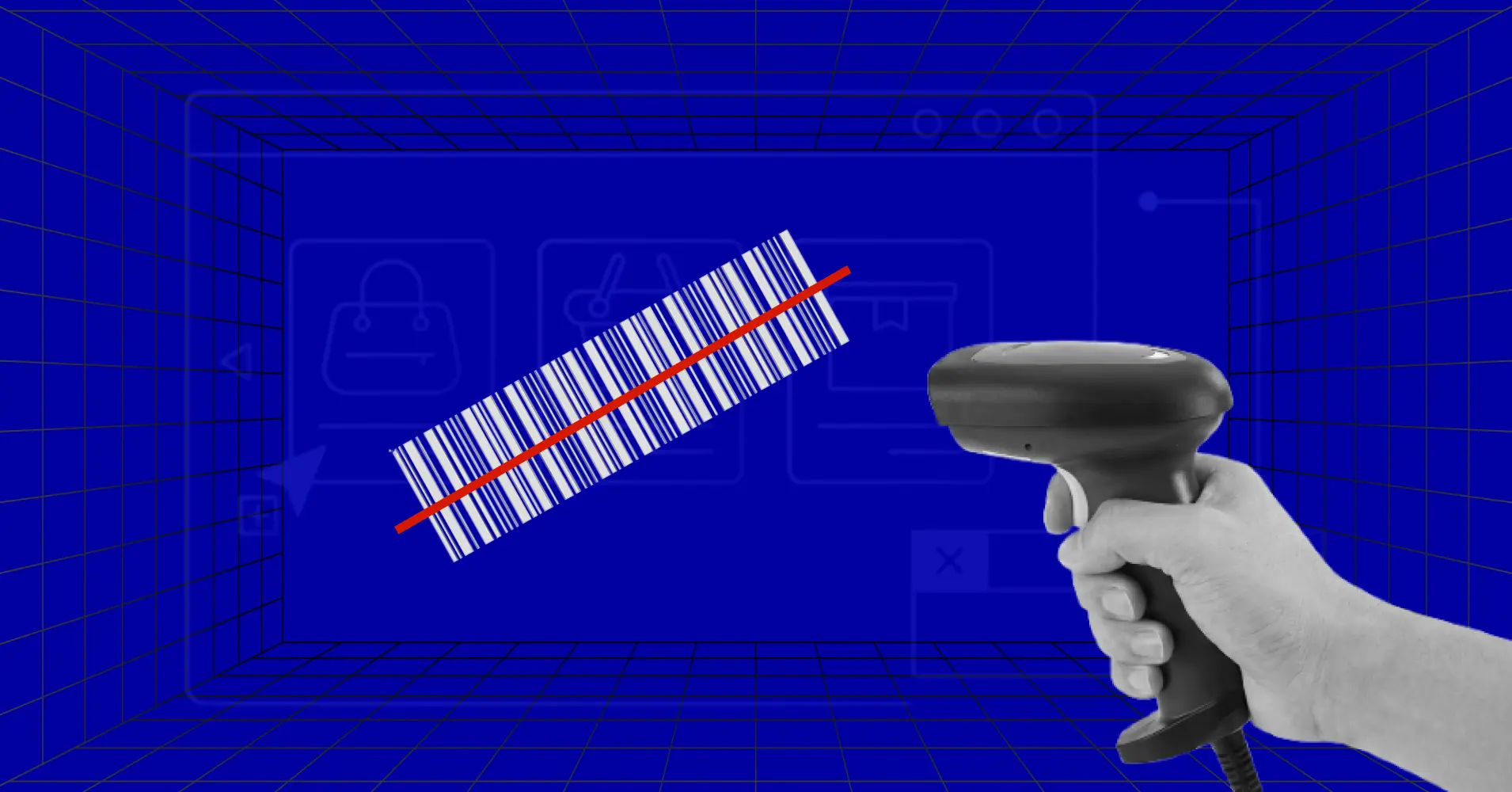
While Unicode manages the digital world of text, the Universal Product Code (UPC) manages the physical world of commerce. If you have ever purchased a packaged good, you have interacted with a UPC. It is the specific type of barcode used almost exclusively in the United States, Canada, the United Kingdom, and other regions for tracking trade items in stores.
The Anatomy of a UPC Barcode
A standard UPC (specifically the UPC-A) consists of 12 numeric digits that are uniquely assigned to each trade item. This code is managed by GS1, a global standards organization. The 12 digits are broken down into specific components:
- The Manufacturer Prefix: The first 6 to 9 digits identify the company that owns the product. This ensures that no two companies have the same codes.
- The Item Reference Number: The following digits are assigned by the manufacturer to a specific product. A 12oz can of soda and a 20oz bottle from the same company will have different item numbers.
- The Check Digit: The final single digit is a calculated value used to verify that the scanner read the code correctly.
The math behind the check digit is a fascinating example of error correction. The scanner performs a calculation involving the first 11 digits; if the result doesn't match the 12th digit, the scanner beeps an error, preventing a "misread" that could charge a customer for the wrong item.
The 2026 Transition: From 1D to 2D Barcodes
In 2026, the retail industry is in the midst of one of its biggest shifts since the introduction of the UPC in 1974. Through the "Sunrise 2027" initiative, retailers are transitioning from traditional 1D barcodes to 2D barcodes (like QR Codes or GS1 Digital Link).
These newer "Universal Codes" can hold much more data than a standard 12-digit UPC. They allow consumers to scan a product with their smartphone to see expiration dates, nutritional info, or sustainability data, while still functioning at the checkout counter. For more details on these retail standards, GS1 US provides comprehensive guidelines.

Comparing Digital and Retail Universal Codes
To better understand how these different types of "Universal Codes" function, the following table compares Unicode and UPC standards across key metrics.
| Feature | Unicode (Text) | Universal Product Code (UPC) |
|---|---|---|
| Primary Purpose | Global text and symbol representation | Unique identification of retail products |
| Governing Body | Unicode Consortium | GS1 |
| Structure | Hexadecimal Code Points (e.g., U+0041) | 12-digit Numeric Strings |
| Typical User | Software Developers, Systems Architects | Manufacturers, Retailers, Logistics |
| Platform | Operating Systems, Web Browsers, Apps | POS Systems, Inventory Databases |
| Modern Variant | UTF-8 / UTF-16 | GS1 Digital Link (2D Barcodes) |
| Scale | 1,114,112 possible code points | Trillions of unique product combinations |
Universal Code in Software Engineering: Cross-Platform Development
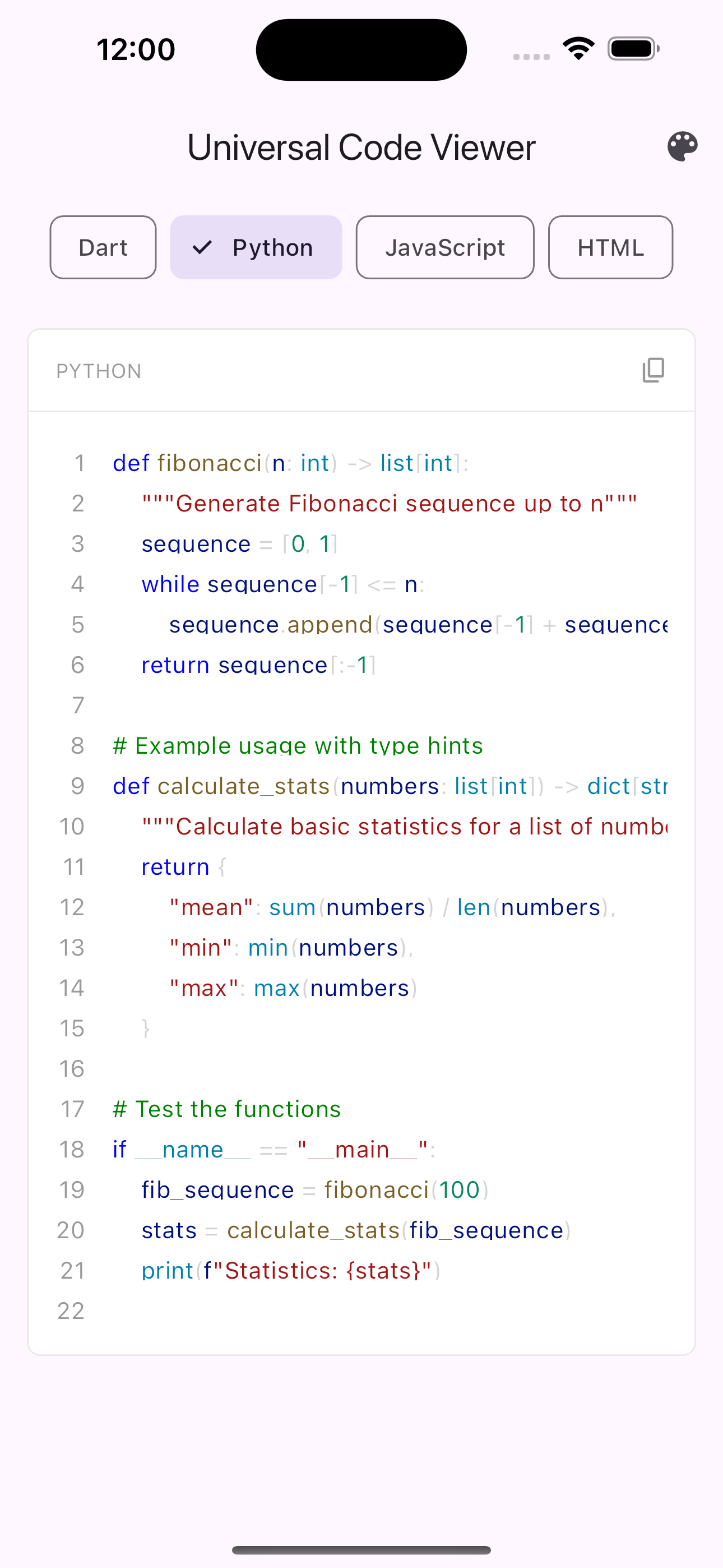
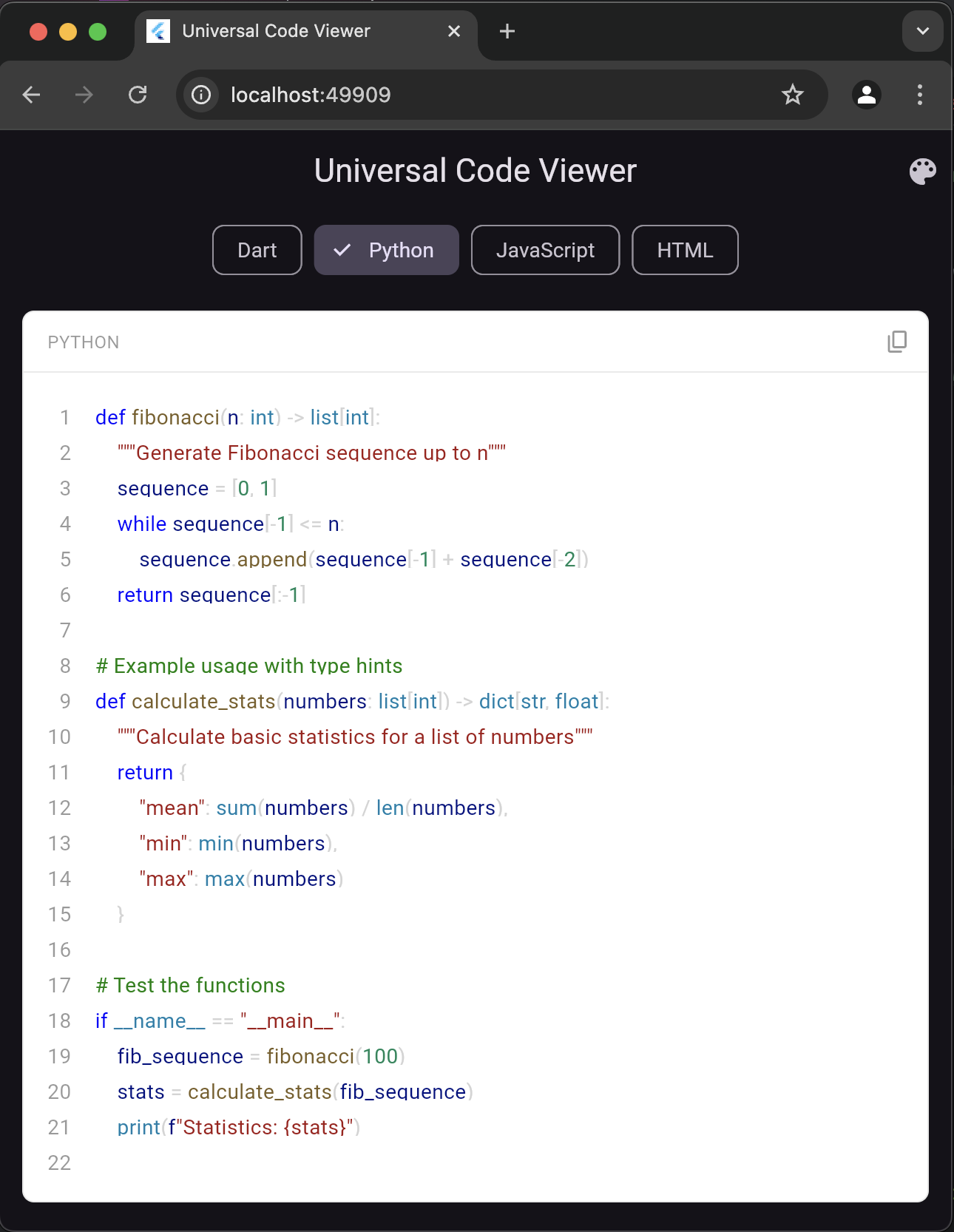
In a programming context, "Universal Code" often refers to Universal Codebases. This is the practice of writing a single set of source code that can run on multiple platforms—such as iOS, Android, Windows, and the web—without significant modification.
The Rise of Universal Frameworks
Historically, a company had to hire three separate teams to build a mobile app, a website, and a desktop application. Today, frameworks like Flutter, React Native, and WebAssembly (Wasm) allow for "Universal" execution.
- WebAssembly (Wasm): Perhaps the truest form of "Universal Code" in 2026, Wasm is a binary instruction format that allows high-performance code (written in C++, Rust, or Go) to run at near-native speed in any modern web browser.
- Cross-Platform Portability: By using a universal codebase, companies reduce the surface area for bugs. If a logical error is fixed in the "Universal" layer, it is fixed for all users simultaneously, regardless of their device.
Benefits and Limitations
The pursuit of universal code in software is driven by cost efficiency and speed to market. However, "Universal" does not always mean "Identical." Developers must still account for different screen sizes, input methods (touch vs. mouse), and hardware permissions. The goal is to share the business logic while allowing the user interface to remain native to the device.
Common Challenges and Troubleshooting
Despite the "Universal" moniker, these systems are not without hurdles. Implementation errors can lead to data loss or supply chain disruptions.
Unicode "Mojibake" and Decoding Errors
If a database is set to store text in ISO-8859-1 (an old European standard) but the application sends data in UTF-8, characters like "ñ" or "€" will be corrupted. In 2026, the best practice is to ensure an "End-to-End UTF-8" pipeline. This means the HTML header, the database collation, and the server-side language (like Python or Node.js) must all be explicitly configured to use UTF-8.
UPC Duplicate and Ownership Issues
In the retail world, a common mistake is purchasing "resold" UPCs from third-party websites instead of obtaining a prefix directly from GS1. While cheaper, these third-party codes often carry the "Manufacturer Prefix" of the original buyer. Major retailers like Amazon and Walmart now verify UPCs against the GS1 database. If the prefix doesn't match your company name, your product may be delisted.
The "Genetic" Universal Code
It is worth noting that in biological sciences, the "Universal Code" refers to the Genetic Code. This is the set of rules by which information encoded in genetic material (DNA or RNA sequences) is translated into proteins by living cells. Remarkably, this code is nearly the same for all known life forms, from bacteria to humans, which is why it is termed "Universal."
Frequently Asked Questions
Is Unicode the same as UTF-8?
No. Unicode is the standard that defines the characters and assigns them numbers (code points). UTF-8 is an encoding scheme that determines how those numbers are translated into binary data (bits and bytes) for a computer to process. Think of Unicode as the list of houses on a street and UTF-8 as the specific way you write down their addresses.
How can I find the Universal Product Code for a specific item?
You can usually find the UPC on the barcode of the product's packaging. If you only have the product name, you can search the GS1 GEPIR database, which is the global registry for searching which company owns a specific UPC.
Why do some characters appear as a square box?
These boxes, often called "tofu," appear when your system has the Unicode "address" for a character but does not have a font installed that includes a visual design for that character. To fix this, you need to install a comprehensive font like Google's "Noto" (which stands for "No Tofu").
Can I create my own Universal Code?
Standardization only works if a central body governs it. While you can create a custom numbering system for internal use (like SKU numbers in a warehouse), it is not a "Universal Code" unless it follows the standards set by organizations like the Unicode Consortium or GS1, ensuring it can be read by external partners.
What is the difference between a UPC and an EAN?
The UPC (Universal Product Code) is primarily used in North America, while the EAN (European Article Number) is used internationally. In 2026, these have been integrated into the GTIN (Global Trade Item Number) system. Most modern scanners can read both, and they differ mainly in the number of digits (UPC is 12, EAN is 13).
Practical Recommendations
To effectively utilize universal codes in 2026, follow these actionable steps based on your needs:
- For Web Developers: Default all your projects to UTF-8. Check your database "Collation" settings and ensure your
tag is present in every HTML document. This prevents 99% of text-rendering issues. - For Small Business Owners: If you plan to sell on major platforms or in physical retail, do not buy "discount" barcodes. Register directly with GS1 to get an authorized Manufacturer Prefix. This protects your brand's identity and ensures your products are globally recognizable.
- For Software Architects: When building cross-platform apps, evaluate WebAssembly for performance-critical tasks. It provides the most hardware-agnostic "Universal" execution environment available today.
- For Data Scientists: Be aware that "Universal" doesn't mean "Uniform." When merging datasets from different global sources, always verify the encoding of the CSV or JSON files to avoid corrupting international names or currency symbols.
Image Gallery
Select an image to open it in a new tab.



Ingrid Bjornson
Global Cyber Policy and Regulation Analyst
