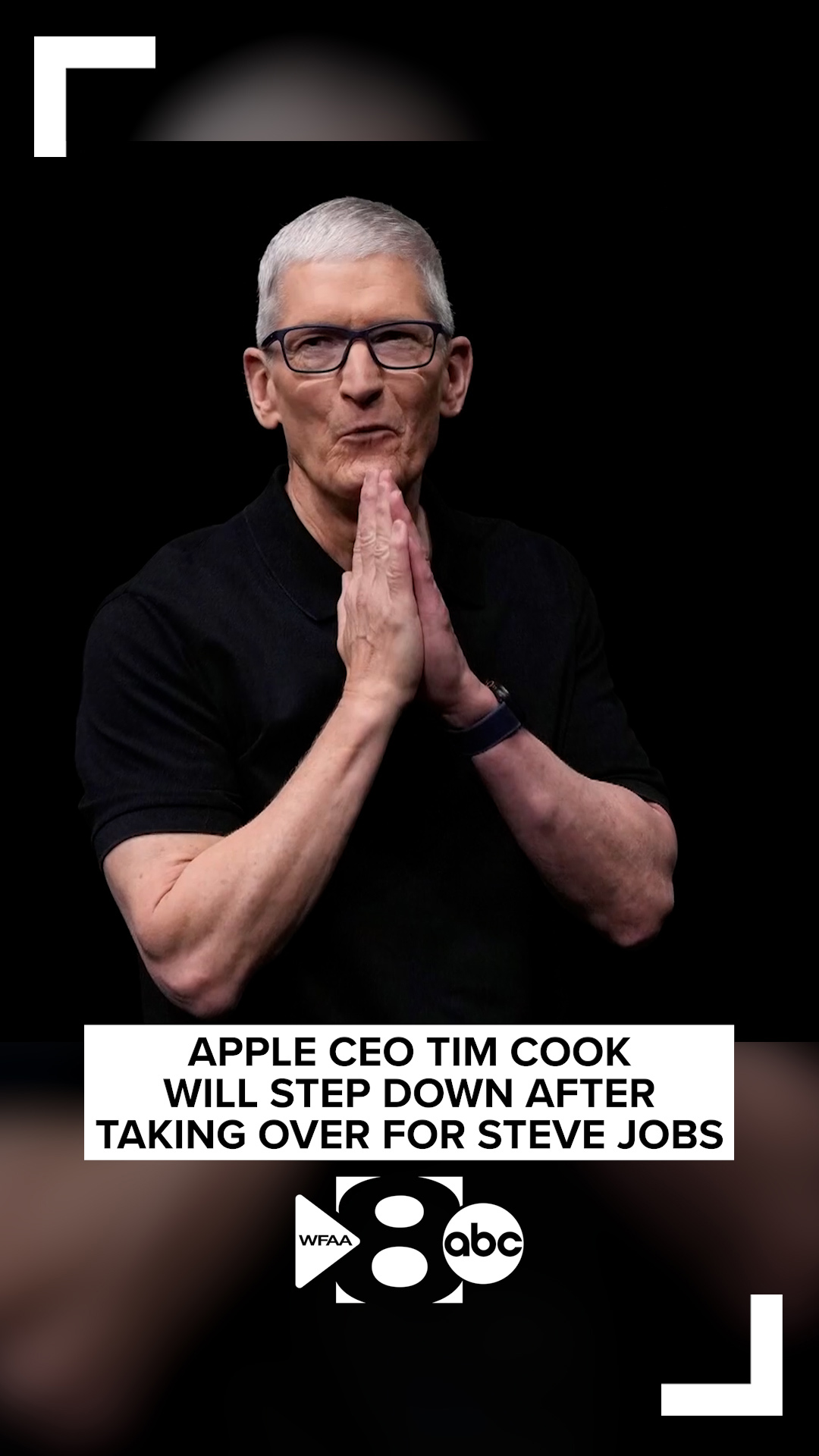
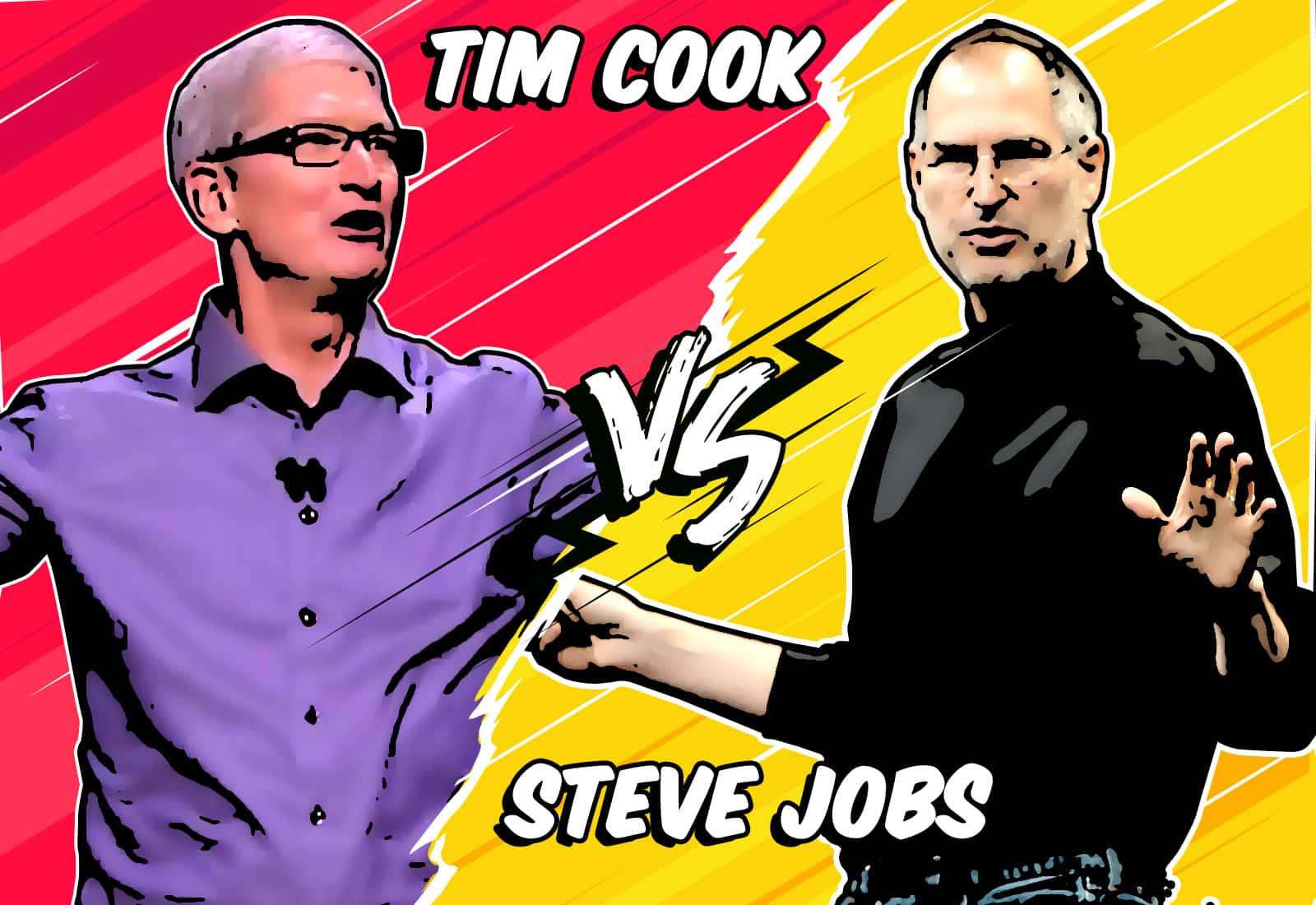
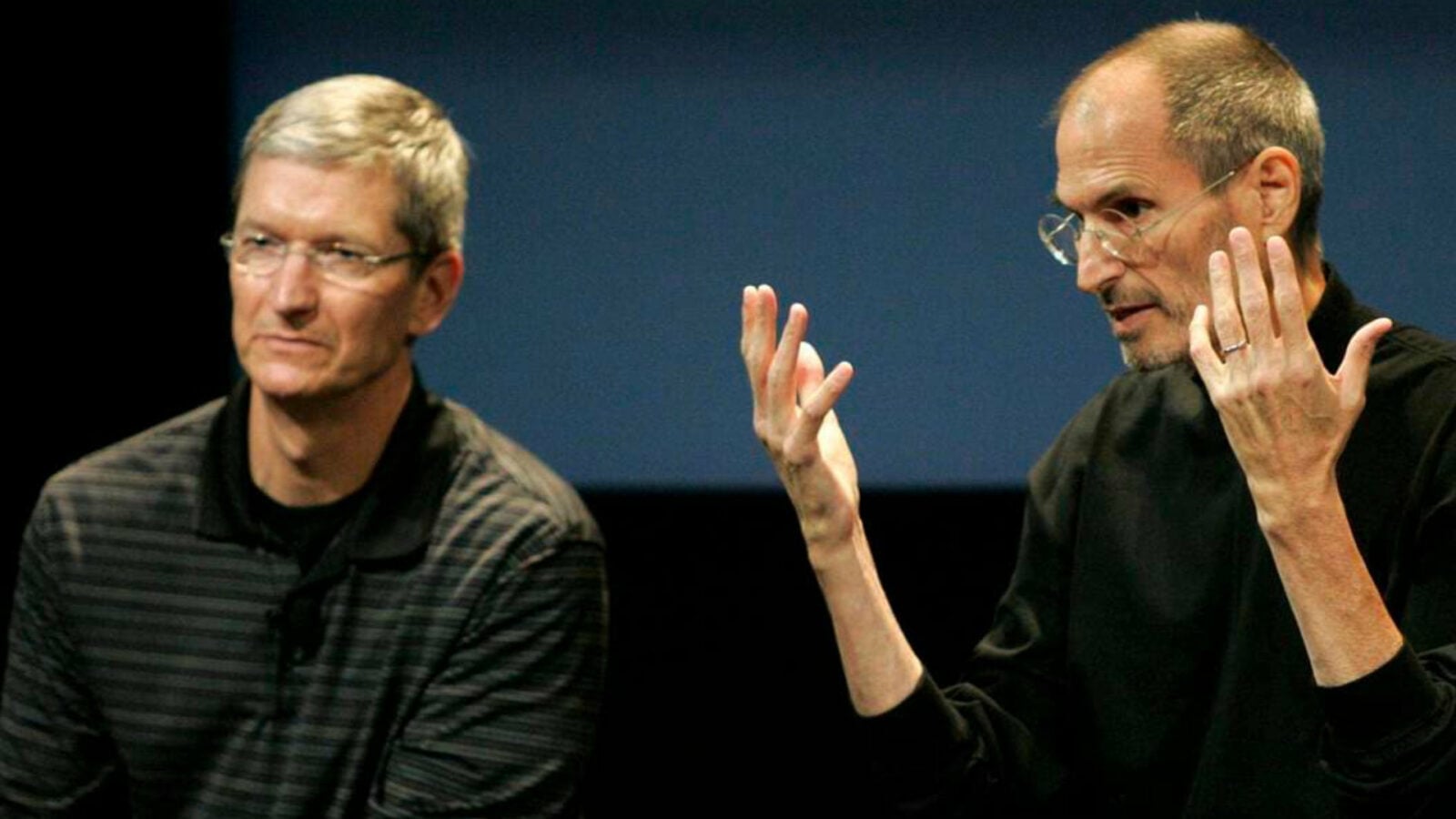
The professional partnership between Steve Jobs and Tim Cook is one of the most consequential in modern corporate history. It bridged the gap between Jobs’s visionary, product-centric philosophy and Cook’s mastery of operational efficiency. Their relationship transformed Apple from a niche computer manufacturer into the world’s most valuable technology company, establishing a template for executive collaboration that persists in 2026.
The Initial Meeting: A Study in Contrasts
When Steve Jobs recruited Tim Cook to join Apple in 1998, the company was in a fragile state. Jobs had returned to the firm he co-founded just one year prior and was tasked with reversing years of decline. He needed someone who could overhaul Apple’s bloated, inefficient supply chain and manufacturing processes.
Cook, who was then a vice president at Compaq, was known for his analytical approach and deep understanding of inventory management. During their initial interview, Jobs reportedly sensed that Cook’s personality—cool, methodical, and understated—would be the perfect counterweight to his own intense, often volatile management style. This dynamic proved to be the bedrock of their working relationship. While Jobs focused on the "how" of the user experience, Cook focused on the "how" of bringing that experience to millions of customers globally without compromising quality or profit margins.
Operational Transformation as a Strategic Pillar
Before Cook’s arrival, Apple was bleeding cash due to high inventory costs and poorly managed manufacturing cycles. Jobs gave Cook the autonomy to dismantle and rebuild these systems. Cook’s strategy involved closing factories, outsourcing hardware production to external suppliers, and slashing the number of vendors Apple dealt with.
This operational discipline allowed Apple to maintain remarkably lean inventory levels. In the early 2000s, this was a revolutionary approach in the consumer electronics space. By keeping inventory moving quickly, Apple could iterate faster on product designs and stay ahead of competitors who were burdened by excess stock. Jobs recognized that Cook’s success in these areas wasn't just a technical achievement; it was a business necessity that liberated him to focus exclusively on the next breakthrough product.
The Transition of Power: A Managed Succession
As Steve Jobs’s health began to decline in the late 2000s, the relationship between the two men shifted toward deep mentorship and institutional continuity. Unlike many transitions in the technology sector, the succession at Apple was exceptionally well-planned. Jobs brought Cook into increasingly high-level executive decisions, allowing him to manage day-to-day operations during medical leaves of absence in 2004, 2006, and 2009.
This prolonged period of delegated authority meant that by the time Cook was named CEO in August 2011, the organization was already running on the cultural and operational principles they had refined together. Jobs’s primary concern during his final years was to ensure that Apple’s "DNA"—a focus on design, integrated hardware-software ecosystems, and long-term product roadmaps—would survive his departure. He saw in Cook not a carbon copy of himself, but a leader who respected the company's core values while possessing the specific tools needed to manage a company of Apple’s immense scale.
Key Professional Milestones
| Milestone | Context | Result |
|---|---|---|
| 1998 | Cook joins Apple | Operational overhaul begins |
| 2005 | Cook named COO | Centralizes manufacturing and distribution |
| 2009 | Jobs medical leave | Cook takes over day-to-day operations |
| 2011 | Leadership transition | Cook becomes CEO, Jobs becomes Chairman |
| 2011 | Passing of Steve Jobs | Cook solidifies his strategic vision |
The "Jobsian" Legacy and the Cook Era
Since 2011, Tim Cook has consistently emphasized that he did not try to "be" Steve Jobs. Instead, he maintained the focus on product quality and privacy—a pillar of Apple’s current identity—while pivoting the company toward services and wearables.
The relationship between the two men was defined by mutual respect. Cook frequently noted that he learned the importance of "stopping" from Jobs—the ability to kill projects that did not meet the company’s high standards for excellence. Conversely, Jobs benefited from Cook’s ability to remain calm under pressure, which served as a steadying influence in the boardroom. This balance of the "visionary" and the "operator" is frequently studied in business schools as the gold standard for executive pairs.
Shared Philosophy: Simplicity and Quality
If there was a single point of convergence for Jobs and Cook, it was the philosophy of simplicity. Whether it was simplifying the product lineup—a major initiative in the late 90s—or simplifying the supply chain, they both believed that complexity was the enemy of progress. They shared an uncompromising view on product quality, refusing to release hardware until it met specific, rigid standards.
This shared vision extended to the culture of Apple’s headquarters in Cupertino. Even in 2026, the company continues to operate under the "Apple University" framework, which codifies the decision-making processes developed during the Jobs and Cook years. The lessons they learned during the volatile years of the company’s turnaround became the foundational stories used to train new executives.
Challenges and Growth
No relationship of this magnitude was without tension. Early on, some questioned whether an operations-heavy executive like Cook could preserve the creative spark of the company. However, the success of the transition in 2011 proved that the culture was built around the company’s products, not just its charismatic founder. The ability of the two to separate the roles of "creator" and "executor" while maintaining a shared vision for the company's long-term future is what allowed Apple to evolve into the entity seen today.
Frequently Asked Questions
How did Tim Cook’s background in operations influence his partnership with Steve Jobs? Cook’s background allowed him to implement "just-in-time" manufacturing and demand-forecasting models. This removed the financial drag of excess inventory, providing Jobs with the capital and the organizational stability needed to experiment with high-risk, high-reward product development.
Was the succession from Steve Jobs to Tim Cook a spontaneous decision? No. The succession was the result of a multi-year transition process. Jobs deliberately involved Cook in high-level strategy and delegated authority during his periods of health-related absences, ensuring that the company’s transition would be seamless to employees, shareholders, and customers.
What is the most significant difference between the leadership styles of the two? Jobs was widely considered a product visionary who focused on the granular detail of the user experience and design aesthetics. Cook is known for his calm, consensus-building leadership style, focusing on operational scalability, corporate values, and service-based business models.
How does Apple’s business model in 2026 reflect their shared history? The modern Apple ecosystem—comprising tight hardware/software integration and a massive services component—is a direct result of the foundational operational discipline established by Cook and the product-first focus established by Jobs. The two approaches are now inextricably linked.
Did Jobs and Cook have a personal friendship? While both men maintained a high degree of privacy, it is well-documented that they shared a profound professional respect and close working relationship. Cook has frequently spoken about the lessons he learned from Jobs, describing the relationship as one of deep mentorship and professional kinship.
Looking Forward
In 2026, the narrative of the Tim Cook and Steve Jobs relationship remains a primary case study for leadership continuity. The resilience of Apple as an organization is arguably the greatest evidence of the efficacy of their partnership. By institutionalizing the strengths of both, they ensured that the company would not be dependent on a single personality, but rather on a set of enduring practices. For those studying modern leadership, the takeaway is clear: the most successful organizations are those that manage to balance the fire of the visionary with the steadiness of the executor.
Next Action: For those interested in the finer details of Apple’s historical evolution, review the transcripts of the 2011 Apple leadership transition announcements, which provide the most accurate record of how the shift in authority was framed for shareholders and the public.

Image Gallery
Select an image to open it in a new tab.




Declan O'Connor
Higher Education and Campus Culture Reporter
