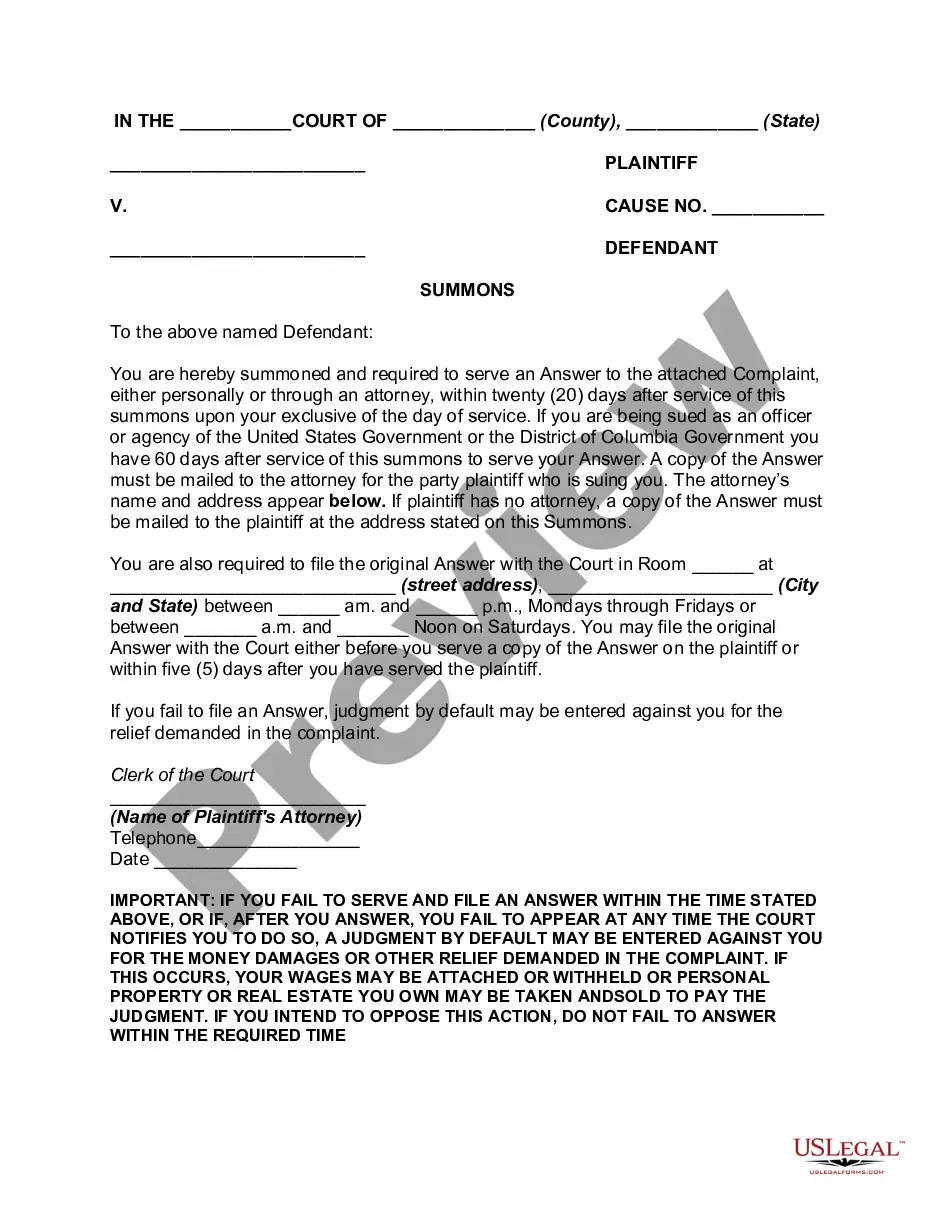
A federal court summons fundamentally shifts a legal dispute from an informal disagreement into a formal litigation process governed by the Federal Rules of Civil Procedure (FRCP). It imposes strict response deadlines—typically 21 days from the date of service—establishes the court's jurisdiction over the defendant, and triggers mandatory disclosure requirements that dictate the strategic direction of the entire case.
Receiving or serving a summons in the federal system is the "point of no return" in civil litigation. While state courts often allow for more flexible timelines or less rigorous initial disclosures, the federal arena is a high-stakes environment where procedural precision is mandatory. As of 2026, the integration of advanced electronic filing systems and updated local rules has made the "legal play" surrounding a summons more rapid and data-intensive than ever before. Understanding the nuances of this document is the difference between a successful defense and a catastrophic default judgment.
The Activation of the Federal Clock: Rule 4 and Rule 12
The moment a federal summons is served, a relentless countdown begins. Under Federal Rule of Civil Procedure 12, a defendant generally has exactly 21 days to file a responsive pleading or a motion. This timeframe is one of the most significant changes in the "legal play" because it forces a defendant to transition from a passive stance to an active, strategic defense almost overnight.
If the defendant fails to act within this window, the plaintiff may move for a clerk’s entry of default under Rule 55, which can eventually lead to a default judgment. In federal court, overturning a default judgment is notoriously difficult, requiring a showing of "excusable neglect" and a meritorious defense. Consequently, the summons acts as a catalyst for immediate resource allocation. Legal teams must be retained, insurance carriers must be notified, and document preservation notices (litigation holds) must be issued instantly to prevent the spoliation of evidence.
The "play" also changes if the defendant is the United States government, a federal agency, or a federal officer sued in an official capacity. In these instances, the response window is expanded to 60 days. This discrepancy reflects the complexity of federal bureaucracy and provides the government with a broader tactical window to coordinate between the Department of Justice and the relevant agency.
Establishing Personal Jurisdiction and the "Power" of the Summons
A summons is not merely a notice; it is a formal exercise of the court’s power over an individual or entity. In the federal system, the "legal play" revolves heavily around whether the court actually has the authority to hear the case against a specific defendant. This is known as personal jurisdiction.
When a plaintiff files a complaint, they must ensure the summons is served in a manner consistent with Rule 4. This rule allows for service according to the laws of the state where the district court is located or where service is made. However, federal "play" often involves defendants located across state lines or even international borders.
The strategic response to a summons often begins with a challenge to this jurisdiction. Under Rule 12(b)(2), a defendant can move to dismiss the case if they lack "minimum contacts" with the forum state. If a California-based company is summoned to a federal court in New York for a contract signed in London, the first move in the legal play is likely a jurisdictional challenge rather than an answer on the merits of the case. The summons forces this issue to the forefront; by appearing or failing to object in the first responsive filing, a defendant may inadvertently waive their right to challenge the court’s authority.
The Waiver of Service: A Strategic Gambit
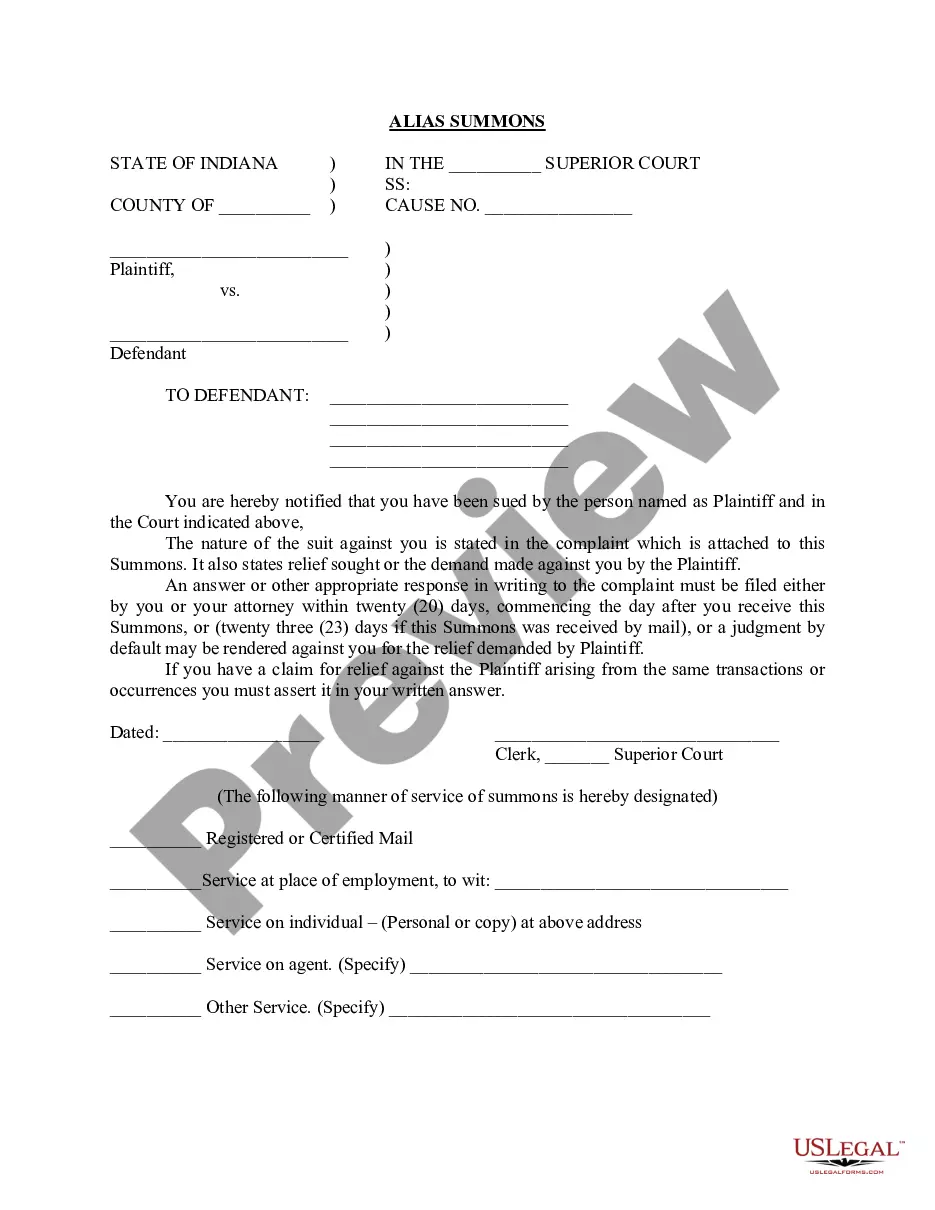
In federal practice, a unique mechanism exists called the "Waiver of Service" under Rule 4(d). This is a tactical maneuver that changes the pace and cost of the litigation. A plaintiff can request that the defendant waive formal service of the summons to save the costs of hiring a process server.
This creates a "quid pro quo" in the legal play:
- For the Plaintiff: They save service costs and avoid the technical pitfalls of improper service, which could lead to a dismissal.
- For the Defendant: By agreeing to waive formal service, the response time is extended from 21 days to 60 days (or 90 days if the defendant is outside the United States).
As of 2026, many corporate defendants prefer this route to allow their legal departments more time to investigate the claims and prepare a more robust Rule 12(b)(6) motion to dismiss. However, if a defendant refuses to waive service without good cause, the court must order the defendant to pay the expenses later incurred in making service, including reasonable attorney's fees for any motion required to collect those service expenses. This financial pressure is a distinct feature of federal legal play designed to encourage efficiency.
Mandatory Disclosures and the Immediate Shift in Discovery
Perhaps the most dramatic change in legal play initiated by a federal summons is the trigger of Rule 26(a)(1). Unlike many state courts where discovery only begins after a formal request, federal courts require "initial disclosures."
Within a short period after the summons and complaint are answered—usually following the Rule 26(f) conference—parties must proactively provide:
- The names and contact info of individuals likely to have discoverable information.
- A copy or description of all documents, electronically stored information (ESI), and tangible things the party has in its possession that it may use to support its claims or defenses.
- A computation of each category of damages claimed.
- Any insurance agreement under which an insurance business may be liable to satisfy all or part of a possible judgment.
The summons effectively "unlocks" this requirement. Because these disclosures are mandatory and automatic, a defendant cannot hide behind a "wait and see" strategy. The legal play shifts from concealment to a forced transparency that often leads to early settlement discussions if the evidence disclosed is particularly damning or exonerating.
Strategic Comparison: Federal vs. State Summons Dynamics
The "legal play" differs significantly depending on whether a case is filed in federal or state court. Federal litigation is often viewed as more formal, more expensive, and more strictly managed by judges.
| Feature | Federal Court Summons | Typical State Court Summons |
|---|---|---|
| Response Deadline | Generally 21 days (unless waived or govt). | Varies by state (often 20-30 days). |
| Service Rule | Federal Rule of Civil Procedure 4. | State-specific Civil Procedure Rules. |
| Scope of Authority | Nationwide service of process in some cases. | Usually limited to state boundaries. |
| Initial Disclosures | Mandatory under Rule 26(a)(1). | Often requires specific discovery requests. |
| Sanctions for Delay | Strict; Rule 11 and Rule 37. | Varies; often more lenient. |
| E-Filing (2026) | CM/ECF NextGen is mandatory. | Varies by county/jurisdiction. |
In the federal system, the "play" is characterized by the "front-loading" of work. The summons demands that you have your facts, your witnesses, and your documents organized immediately. In state court, parties may have months of "back-and-forth" before substantive evidence is exchanged.
The Rule 12(b) Motion: The First Defensive Move
Once a summons lands, the defendant’s first "play" isn't always to file an "Answer." In many cases, the more effective strategy is to file a pre-answer motion under Rule 12(b). This move pauses the 21-day clock for filing an Answer and asks the judge to throw out the case for a procedural or legal flaw.
Common "First Plays" include:
- 12(b)(1) Lack of Subject-Matter Jurisdiction: Arguing that the federal court doesn't have the right to hear this type of case (e.g., it doesn't involve a federal law or the parties aren't from different states).
- 12(b)(6) Failure to State a Claim: Arguing that even if everything the plaintiff says is true, it doesn't violate the law. In 2026, the "plausibility" standard established by Bell Atlantic Corp. v. Twombly and Ashcroft v. Iqbal remains the benchmark, requiring plaintiffs to provide enough factual matter to suggest their claim is more than just possible.
- 12(b)(5) Insufficient Service of Process: Arguing that the summons itself or the way it was delivered was defective.
If a defendant chooses to file a 12(b) motion, the "play" changes from a factual dispute to a legal one. The parties will brief the issue, and the judge will decide whether the case should even proceed. This can buy the defendant months of time and, in the best-case scenario, end the litigation before it truly begins.
Electronically Stored Information (ESI) and the 2026 Landscape
In 2026, the "legal play" initiated by a federal summons is heavily dominated by e-discovery. Federal Rule 34 and the associated 2015/2020 amendments emphasize proportionality. When a summons is served, the parties must immediately discuss the preservation of ESI.
In the modern landscape, this includes data from cloud-based platforms, encrypted messaging apps, and AI-generated logs. A federal summons puts a defendant on notice that their digital footprint is now subject to "legal hold." Failing to manage this "play" correctly can lead to severe sanctions, including an "adverse inference" instruction where the jury is told to assume the deleted data was harmful to the defendant's case.
The technical depth required to manage a federal summons now involves "meet and confer" sessions where lawyers discuss metadata fields, search terms, and de-duplication protocols. This is a level of play rarely seen in smaller state court matters but is a standard byproduct of a federal summons.
Common Pitfalls and Tactical Mistakes
The high-pressure environment of federal court leads many to make critical errors following the receipt of a summons.
- Ignoring the 21-Day Deadline: Assuming that "lawyer-to-lawyer" extensions are automatic. In federal court, extensions often require a formal stipulation and a court order.
- Improper Service Acceptance: A security guard or a low-level employee accepting a summons for a corporation. If the person is not an "authorized agent" under Rule 4, the service may be invalid, but fighting this can be a waste of resources if the plaintiff can simply re-serve the document.
- Waiver Misunderstandings: Failing to realize that waiving service does not waive the right to challenge jurisdiction or venue. It only waives the formal delivery of the papers.
- Failure to File a Corporate Disclosure: Under Rule 7.1, any non-governmental corporate party must file a disclosure statement identifying any parent corporation or any publicly held corporation that owns 10% or more of its stock. This is a "silent" requirement triggered by the first appearance in court.
Frequently Asked Questions
What happens if I am served with a federal summons but the address is wrong?
If the summons is delivered to the wrong person or location, service may be defective under Rule 4. However, the "legal play" here is delicate. Simply ignoring it is dangerous. Usually, a lawyer will file a "special appearance" or a motion to quash service under Rule 12(b)(5). In many cases, if the defendant has actual notice of the suit, federal judges are inclined to allow the plaintiff to correct the error rather than dismissing the case entirely.
Can a federal summons be served via email in 2026?
Under FRCP 4, service of an original summons via email is generally not permitted for domestic defendants unless the defendant agrees to it or a specific court order is obtained (often seen in cases involving elusive defendants or international parties). However, once the initial service is completed, almost all subsequent "legal play"—motions, notices, and discovery—occurs via the court's Electronic Case Filing (ECF) system.
How does a summons affect my credit or business reputation?
A federal summons is a matter of public record. Once filed, the lawsuit appears in the PACER (Public Access to Court Electronic Records) system. For businesses, this can trigger "material event" disclosures for the SEC or affect credit lines. The strategic "play" often involves a swift public relations response or an early motion to seal certain sensitive exhibits attached to the complaint.
Does a federal summons mean I’m definitely going to trial?
No. In fact, over 90% of federal civil cases are resolved before trial through settlement or summary judgment. The summons is merely the "opening gambit." The legal play that follows—motions to dismiss, discovery, and mediation—is designed to resolve the dispute or narrow the issues long before a jury is ever seated.
What is the cost of responding to a federal summons?
The cost varies wildly based on the complexity of the case. Retaining a federal litigator often requires a significant initial retainer (ranging from $5,000 to $50,000+). Because federal "play" is so procedural, the legal fees in the first 60 days can be substantial as the team handles the Rule 26 conference, initial disclosures, and any Rule 12 motions.
Final Recommendation for Parties Involved
If you have been served with a federal summons, your first action must be to verify the date of service and mark the 21-day deadline on your calendar. Do not attempt to represent yourself (pro se) in federal court if you are a corporate entity, as corporations are legally required to be represented by counsel in federal proceedings.
Engage an attorney with specific experience in the federal district where the summons was issued. Federal "local rules" vary significantly between the Southern District of New York, the Northern District of California, or the Northern District of Illinois. Navigating these local nuances is the final, essential layer of legal play that determines whether you will emerge from the litigation successfully or be buried by the strict procedural demands of the federal system.
Image Gallery
Select an image to open it in a new tab.

Celine Dubois
Contemporary Living and Global Arts Columnist
