Will Pilates Give Me Abs? Understanding Core Strength and Visible Muscle Definition

Pilates will not automatically grant you visible abdominal muscles, as their appearance depends primarily on your body fat percentage, which is influenced by nutrition and overall caloric expenditure. However, Pilates is exceptionally effective at strengthening the deep core musculature—specifically the transversus abdominis—which improves posture, spinal stability, and the functional engagement of the abdominal wall.
The Anatomy of Abdominal Definition
To understand whether Pilates can provide the "six-pack" look, it is necessary to distinguish between muscle hypertrophy and body fat reduction. The rectus abdominis—the muscle responsible for the visible abdominal blocks—must be sufficiently developed through resistance training, but more importantly, the subcutaneous fat covering those muscles must be low enough to allow for definition.
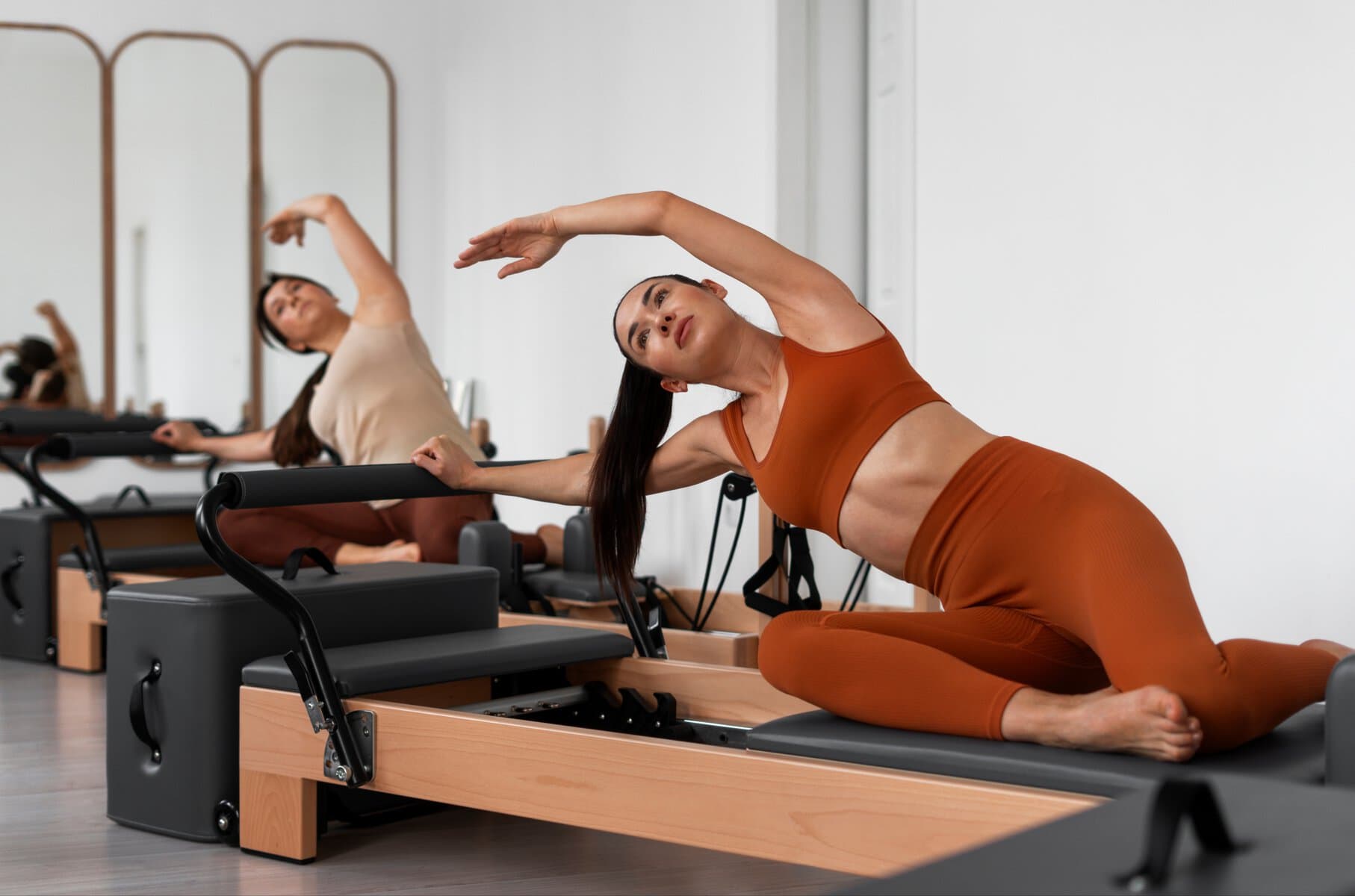
Pilates is a form of resistance training that utilizes body weight, gravity, and specialized equipment like the Reformer, Cadillac, or Wunda Chair. It excels at creating long, lean muscle tone by emphasizing eccentric contractions and controlled, stabilizing movements. While Pilates burns calories, it is not typically categorized as a high-intensity cardiovascular workout that induces a large caloric deficit. Therefore, if your goal is the visibility of abdominal muscles, Pilates serves as an excellent foundation for core structural health, but it must be paired with consistent nutritional habits and metabolic conditioning to alter body composition.
How Pilates Transforms the Core
Pilates, originally developed by Joseph Pilates in the early 20th century, focuses on the "powerhouse"—the center of the body encompassing the abdominals, lower back, hips, and pelvic floor. Unlike traditional crunches, which target the superficial rectus abdominis, Pilates utilizes a multifaceted approach to core development.
- Transversus Abdominis Engagement: This deep muscle acts as a natural corset for the torso. Pilates exercises require constant activation of the transversus abdominis to stabilize the spine during limb movement. Strengthening this layer provides a flatter profile and prevents the "pooch" that can occur even in individuals with low body fat.
- Pelvic Alignment: Pilates emphasizes a neutral pelvis. By training the muscles of the pelvic floor and the deep stabilizers, you correct posture, which often makes the midsection appear more toned and elongated.
- Eccentric Loading: Pilates involves lengthening muscles while they are under tension. This promotes muscle endurance and strength without excessive bulk, contributing to a streamlined aesthetic.
- Integration: Pilates exercises rarely isolate muscles. By integrating the core with the upper and lower body, you train the abdominal wall to remain engaged during complex functional movements.
Comparing Pilates to Traditional Abdominal Training
Many individuals assume that repeating hundreds of crunches or sit-ups is the most efficient path to visible abs. In reality, traditional high-repetition abdominal training can lead to poor postural habits, such as over-recruitment of the hip flexors or excessive spinal flexion.
| Feature | Pilates Approach | Traditional Crunches |
|---|---|---|
| Primary Target | Transversus Abdominis / Deep Stabilizers | Rectus Abdominis / Superficial Layer |
| Spinal Health | Emphasizes neutral, elongated spine | Focuses on repetitive flexion |
| Functional Carryover | High; improves stability for all movement | Moderate; improves specific crunch endurance |
| Equipment Used | Reformer, Mat, Rings, Balls | Usually none or weighted plates |
| Mind-Body Focus | Precision, control, and breath | Quantity and repetition count |
The Pilates approach is generally safer for the lumbar spine and more effective at creating a firm, supportive abdominal base. However, the traditional crunch remains a common exercise for hypertrophy if an individual has already achieved the necessary body fat percentage to reveal muscle detail.
The Role of Nutrition and Body Composition
If your primary metric for success is the visibility of your abdominals, you must address your dietary intake. No amount of core work can overcome a caloric surplus if the goal is fat loss. For most adults, abdominal visibility occurs at a body fat percentage ranging from 12% to 19% for men and 18% to 25% for women, though these figures vary based on genetics and individual fat distribution.
Pilates contributes to this process indirectly. By increasing lean muscle mass, your basal metabolic rate (BMR) may improve slightly, as muscle tissue is more metabolically active than adipose tissue. However, to maximize this, practitioners should ensure their Pilates sessions are challenging enough to stimulate muscle protein synthesis. Using the Reformer with higher spring resistance or incorporating HIIT (High-Intensity Interval Training) Pilates flows can increase the intensity and calorie burn of your sessions.
Common Mistakes That Limit Results
Many enthusiasts struggle to see the aesthetic results they desire because they fall into common training pitfalls:
- Neglecting Breathing: Pilates is fundamentally centered on breath control. Holding your breath during difficult movements increases intra-abdominal pressure, which can actually cause the abdominal wall to "dome" or push outward rather than pulling in.
- Lack of Progressive Overload: If you perform the same beginner mat class indefinitely, your core muscles will adapt, and progress will plateau. To build visible muscle, you must increase intensity, whether by adding resistance, decreasing points of stability, or increasing the speed of execution.
- Ignoring the Back: A strong core requires a balanced spine. If you only train your abdominals, you will create a muscular imbalance that leads to poor posture. A slouched posture automatically hides the definition of your abdominal wall.
- Inconsistency: Pilates is a discipline of consistency. Training once a week will improve your mobility but will not provide the stimulus necessary for significant muscular adaptation. Aim for 3–4 sessions per week for noticeable changes in strength and tone.
Practical Implementation: A Strategic Approach
To leverage Pilates for your abdominal goals, incorporate a structured regimen that balances strength, mobility, and metabolic work.
- Start with the Fundamentals: Ensure you have mastered the pelvic floor engagement and the "scoop" (pulling the navel toward the spine) before moving to advanced equipment classes.
- Incorporate Resistance: Prioritize sessions that use the Reformer or weights. The variable resistance provided by springs is superior for muscle hypertrophy compared to mat-only work.
- Combine with Cardiovascular Training: Supplement your Pilates practice with activities that increase your heart rate, such as brisk walking, swimming, or cycling, to facilitate fat loss.
- Monitor Your Progress: Use non-scale victories—such as improved posture, increased endurance during plank holds, and reduced back pain—as markers of success alongside visual changes.
Frequently Asked Questions
Will doing Pilates every day give me abs faster? Overtraining can be counterproductive. Your muscles require rest and recovery to repair and strengthen. While you can perform gentle Pilates daily, high-intensity strength work should be limited to 3–5 days per week to allow for proper recovery.
Why does my stomach look rounder after doing Pilates? This is often caused by the improper use of the rectus abdominis while ignoring the deeper transversus abdominis. If you are "bearing down" instead of "scooping" the belly inward, you may cause the stomach to bulge. Focus on drawing the navel toward the spine rather than pushing it toward the ceiling.
Do I need a Reformer to get results, or is a mat enough? A mat is sufficient for developing foundational strength and endurance, but the Reformer provides adjustable resistance that is more conducive to building the muscle mass required for visible definition. If you are serious about changing your body composition, the Reformer is generally more effective.
How long does it take to see results from Pilates? Joseph Pilates famously stated, "In 10 sessions you'll feel the difference, in 20 you'll see the difference, and in 30 you'll have a whole new body." While individual results vary, consistent practice for 8 to 12 weeks is typically required to notice significant changes in muscular tone and posture.
Can Pilates replace heavy weightlifting for abs? Pilates is a form of resistance training, but it is unlikely to produce the same level of hypertrophy as heavy compound lifts like deadlifts or squats. However, Pilates is arguably better at creating a functional, stable, and injury-resistant core, which supports overall fitness performance.
Recommendations for Your Next Steps
To begin, book an initial assessment at a certified Pilates studio to ensure your form is correct, particularly regarding spinal alignment and core recruitment. Avoid jumping into advanced classes until you have a firm grasp of the basic principles. If your goal is aesthetic, consider tracking your caloric intake alongside your training sessions to ensure you are fueling your body appropriately while maintaining a slight deficit, if weight loss is required. Consistency and precision will yield greater long-term benefits than intensity alone.

Image Gallery
Select an image to open it in a new tab.




Ingrid Bjornson
Global Cyber Policy and Regulation Analyst
