The Rise of the Grillo Pickle: From Boston Street Cart to National Cult Phenomenon

The rise of Grillo’s Pickles is a testament to the power of a 100-year-old family recipe and a "fresh-first" business model. Starting from a wooden street cart in Boston in 2008, the brand disrupted the stagnant, shelf-stable pickle industry by prioritizing cold-chain logistics, clean ingredients, and a crunch that mass-produced brands couldn't replicate.
By 2026, the pickle aisle looks significantly different than it did two decades ago. The dominance of neon-yellow, shelf-stable spears has waned, replaced by a consumer preference for the refrigerated "crunch" that Grillo’s helped pioneer. What began as a desperate career pivot for founder Travis Grillo—who started the business after being rejected for a dream job at Nike—has evolved into a multimillion-dollar empire that defines the premium pickle category.
The Genesis: A Wooden Cart and a "No" from Nike
The story of Grillo’s Pickles begins not in a boardroom, but on the sidewalk of the Boston Common. In 2008, Travis Grillo was an aspiring shoe designer who had just been turned down for a job at Nike. With no clear path forward and a desire to work for himself, he turned to the one thing his family knew best: his grandfather’s Italian pickle recipe.
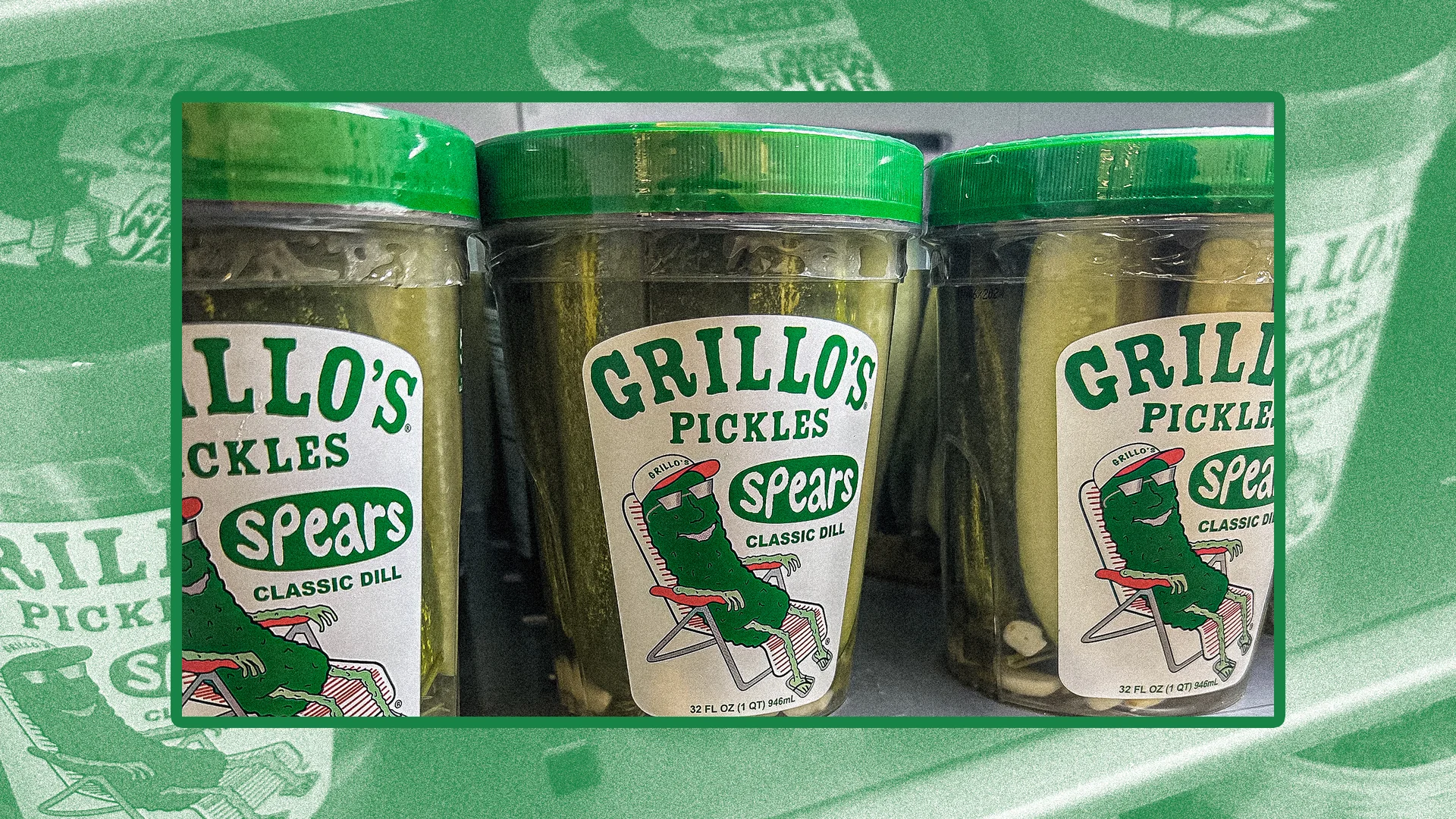
Equipped with a $10-a-day permit and a humble wooden cart, Grillo began selling two spears for $1. The recipe was deceptively simple: cucumbers, salt, sugar, vinegar, water, garlic, dill, and grape leaves. It was this last ingredient—the grape leaf—that served as the secret weapon, providing natural tannins that kept the cucumbers crisp without the need for chemical firming agents like calcium chloride.
The organic growth was rapid. Local Bostonians and tourists alike were drawn to the "pickle man" with the fresh product. Unlike the pickles found in the center aisles of grocery stores, Grillo’s were kept on ice, maintaining a vibrant green color and a snap that became the brand's hallmark. This period established the brand’s "street cred" and grassroots following, which would prove vital as they scaled into retail.
Anatomy of a Grillo’s Pickle: The Science of the Crunch
To understand the rise of Grillo’s, one must understand the technical differences between a "refrigerator pickle" and a "shelf-stable pickle." Most major brands found in the non-refrigerated aisles use a process called heat pasteurization. While this makes the product shelf-stable for years, the heat breaks down the cellular structure of the cucumber, often resulting in a softer, mushier texture and a duller color.
The Cold-Process Advantage
Grillo’s utilizes a cold-brine process. The pickles are never heated, which preserves the enzymes and cell walls of the cucumber. This process requires a continuous cold chain—from production to shipping to the retail shelf. While more expensive and logistically challenging, this commitment to refrigeration is the primary reason for the brand’s superior texture.
Ingredient Transparency
In an era where "clean labels" drive consumer behavior, Grillo’s ingredients list is a masterclass in simplicity. By 2026, the brand has maintained its stance against artificial preservatives, yellow dyes, and polysorbates.
- Cucumbers: Sourced fresh and processed quickly to ensure hydration.
- Garlic and Dill: Fresh sprigs and cloves are visible in every container, providing a visual cue of freshness.
- Grape Leaves: A traditional Mediterranean technique used to maintain crispness through natural tannins.
- Habaneros: Used in the "Spicy" varieties to provide a clean, sharp heat rather than a chemical capsaicin extract.

Scaling the Spear: The Leap to National Retail
The transition from a street cart to a national powerhouse involved several strategic leaps. The first major break came in 2012 when Whole Foods Market began carrying the brand. This was a natural fit, as Whole Foods' customer base prioritized the fresh, additive-free profile Grillo’s offered.
Expansion continued through partnerships with major retailers like Target, Publix, and eventually Walmart. However, the most significant business milestone occurred in 2021, when Grillo’s Pickles was acquired by King’s Hawaiian. This acquisition provided the capital and distribution network necessary to turn a regional favorite into a household name across North America.
By leveraging King’s Hawaiian’s extensive supply chain expertise, Grillo’s was able to overcome the "cold-chain barrier" that prevents many fresh brands from scaling. Moving fresh, unpasteurized liquid is heavy and temperature-sensitive, but by 2026, the brand has optimized its logistics to ensure that a jar in Seattle tastes exactly like a jar in Boston.
The Cultural Impact: "Pickle Mania" and Social Media
The rise of the brand cannot be separated from the broader cultural obsession with pickles that peaked in the early 2020s. On platforms like TikTok, "pickle challenges" and "pickle sweatshirts" became viral trends. Grillo’s leaned into this with their mascot, Sam Sam the Pickle Man, an anthropomorphic pickle that wears a tracksuit and sneakers—a nod to Travis Grillo’s original passion for footwear design.
This branding strategy moved pickles from a side-dish afterthought to a lifestyle brand. Grillo’s began collaborating with other food brands and even fashion labels, releasing limited-edition merchandise that sold out instantly. In 2026, the brand occupies a unique space where it is both a high-quality food product and a recognizable piece of pop culture.
Comparison: Grillo’s vs. Traditional Competitors
For consumers deciding whether to pay the premium for refrigerated pickles, the following table breaks down the key differences between Grillo’s and traditional shelf-stable brands.
| Feature | Grillo’s Pickles | Traditional Shelf-Stable Brands |
|---|---|---|
| Processing | Cold-brined, unpasteurized | Heat-pasteurized |
| Storage | Always refrigerated | Shelf-stable until opened |
| Texture | High-snap, crunchy | Softer, varying degrees of mushiness |
| Color | Vibrant green | Olive or dull yellow |
| Preservatives | None (Vinegar/Salt only) | Sodium benzoate, Calcium chloride |
| Additives | Fresh garlic/dill | Yellow 5, Natural flavors |
| Average Price | $6.99 - $8.99 | $3.50 - $5.50 |
Innovations and Product Line Expansion
By 2026, Grillo’s has expanded far beyond the standard dill spear. Their innovation lab has produced several high-performing product lines that capitalize on the "pickle-flavored everything" trend:
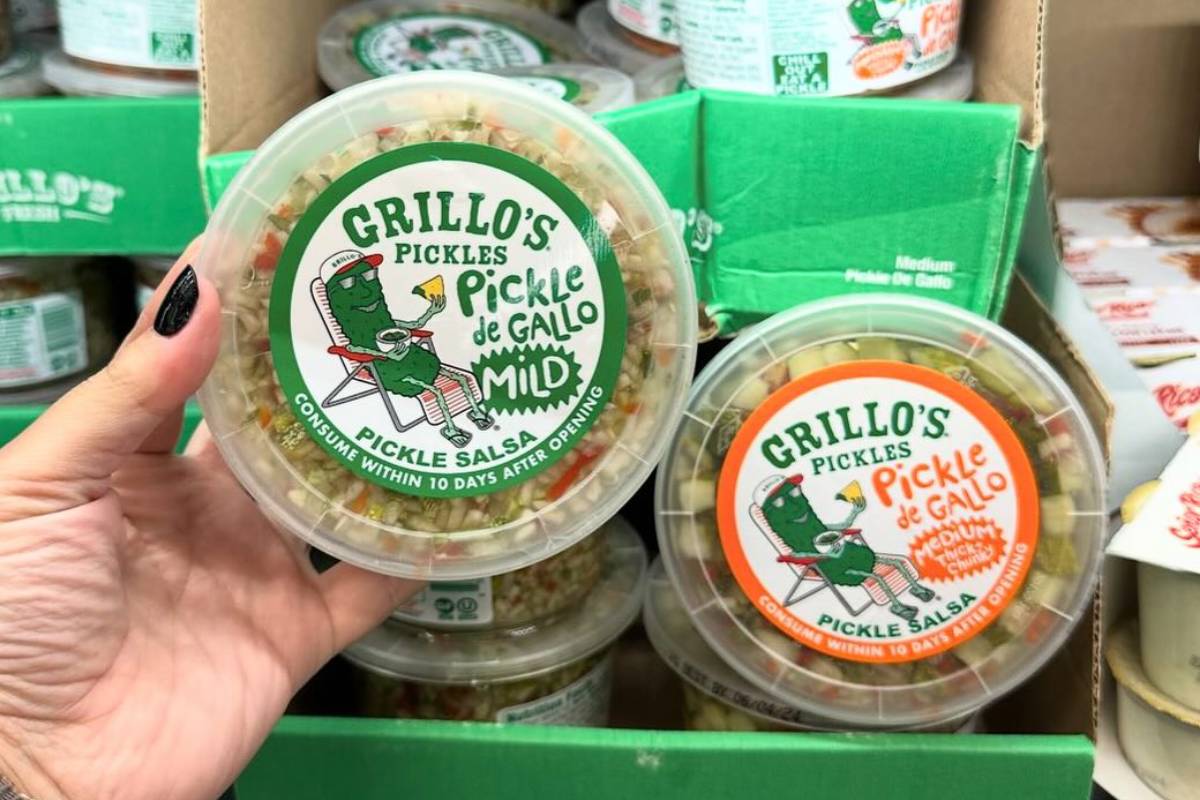
- Pickle De Gallo: A pickle-based salsa that replaced traditional tomatoes with diced cucumbers. This product alone revolutionized the refrigerated dip category.
- Pickle Vinegar Drinks: Capitalizing on the health trend of drinking pickle juice for electrolytes and muscle cramp relief.
- Seasoning Blends: A dry "Grillo’s" spice rub that allows consumers to add the signature dill and garlic flavor to popcorn, chicken, and fries.
- Limited Batch Varieties: Including horseradish-infused pickles and "Thick Cut" chips designed specifically for the gourmet burger market.
Challenges and Sustainability in 2026
Despite its meteoric rise, the brand faces challenges inherent to the fresh food industry. The cost of raw materials—specifically high-quality cucumbers and fresh garlic—has risen. Furthermore, the environmental impact of plastic packaging is a major focus for the company in 2026.
Grillo’s has responded by experimenting with recycled PET plastics and investigating "pouch" packaging that reduces the carbon footprint of shipping liquid-heavy products. Additionally, because they are a fresh product, the shelf life is shorter (typically around 120 days) compared to the years-long lifespan of pasteurized jars. This requires precise inventory management to prevent food waste.
The "Nike Connection" Comes Full Circle
In a poetic turn of events, Travis Grillo’s original rejection from Nike eventually led to a collaboration. As the brand grew, the "sneakerhead" culture that Grillo loved began to embrace the pickle brand. In recent years, custom "Grillo’s" themed sneakers and apparel have bridged the gap between the culinary and fashion worlds, proving that a strong brand identity can transcend its original category.
The success of Grillo’s has also paved the way for other "fresh" brands in the grocery store. We now see refrigerated dressings, fresh salsas, and unpasteurized krauts taking up more "real estate" in the store, a direct result of the trail blazed by the Boston pickle cart.
FAQ: Understanding the Grillo’s Phenomenon
Why are Grillo’s Pickles always in the refrigerated section?
Because they are not heat-pasteurized. Grillo’s uses a cold-brine process that keeps the cucumbers fresh and crunchy. Without heat treatment or chemical preservatives, the pickles would spoil if left at room temperature. This refrigeration is the key to their signature "snap."
Do Grillo’s Pickles contain artificial dyes?
No. Many traditional brands use Yellow 5 or other dyes to give pickles a consistent (though artificial) yellow-green hue. Grillo’s maintains the natural color of the cucumber and herbs, which results in a more vibrant, authentic look.
What is the purpose of the grape leaf in the jar?
The grape leaf is a traditional ingredient used in old-world pickling. It contains natural tannins that help prevent the pectin in the cucumbers from breaking down. This keeps the pickles firm and crunchy without the need for synthetic firming agents like calcium chloride.
Are Grillo’s Pickles fermented?
No, Grillo’s are "vinegar pickles," not fermented pickles. While fermented pickles (like half-dills) rely on lactic acid bacteria, Grillo’s uses a vinegar-based brine. This provides a sharper, cleaner tang compared to the sour, funky profile of a fermented product.
Why is there a plastic "strainer" or lid insert in some containers?
Grillo’s containers often feature a "pickle elevator" or a specific lid design to keep the pickles fully submerged in the brine. Exposure to air can cause the pickles to lose their crispness or develop off-flavors, so keeping them "tucked in" under the liquid is essential for quality.
Moving Forward: The Future of Fresh
For those who haven't yet experienced the "rise" of this brand, the best way to understand the hype is a side-by-side taste test. The shift toward Grillo’s represents a larger consumer movement toward transparent ingredients and minimal processing.
As we look further into 2026, expect the brand to continue its expansion into international markets and perhaps even physical "Pickle Cafes" in major cities, returning to the brand's roots on the street corners of Boston. If you are looking for the best way to enjoy them, many enthusiasts recommend using the leftover brine for marinating chicken or as a "pickle back" for whiskey—ensuring that not a single drop of the 100-year-old recipe goes to waste.
Image Gallery
Select an image to open it in a new tab.




Vivian Cho
Executive IT and Emerging Technologies Reporter
