When to Plant Bermuda Grass Seed in Texas: A Practical Guide

Planting Bermuda grass seed in Texas requires timing it with the state's warm-season climate, specifically when soil temperatures consistently reach 65 to 70 degrees Fahrenheit and daytime air temperatures range between 80 and 95 degrees Fahrenheit. This typically occurs in late spring to early summer across most regions, allowing the turf to establish deeply before cooler autumn weather arrives.
Establishing a healthy, dense lawn in the Lone Star State can be challenging due to its vast geographic size and diverse microclimates. From the humid coastal plains of Houston to the semi-arid expanses of West Texas and the cooler northern panhandle, environmental conditions dictate when turfgrass seed can germinate and thrive. Bermuda grass (Cynodon dactylon) is a premier warm-season turfgrass known for its exceptional drought tolerance, heavy traffic resistance, and aggressive growth habit via stolons and rhizomes. However, achieving a successful lawn from seed requires more than simply scattering granules across the dirt; it requires precise timing, rigorous soil preparation, and disciplined post-planting management.
Understanding Texas Climates and Soil Temperature Requirements
The single most critical factor in determining when to plant Bermuda grass seed in Texas is soil temperature, not just the calendar date. Bermuda grass seeds are thermophilic, meaning they require sustained warmth to break dormancy and germinate.
Why Soil Temperature Matters More Than Air Temperature
Air temperatures can fluctuate wildly in Texas during the spring, with warm afternoons frequently followed by cold fronts that drop nighttime temperatures to freezing or near-freezing levels. If seed is sown too early while the soil remains cold (below 65 degrees Fahrenheit), the seed will sit dormant in the dirt for weeks. This prolonged exposure increases the risk of seed decay from fungal pathogens, displacement by heavy spring rainstorms, or consumption by foraging birds and insects.
Using a reliable soil thermometer inserted two to three inches into the ground provides an accurate measurement. Planting should only commence after the soil temperature maintains a steady reading of 65°F to 70°F for at least five consecutive days.
Regional Variations Across Texas
Because Texas spans multiple plant hardiness zones—ranging from Zone 6b in the extreme northern panhandle to Zone 9b in the Rio Grande Valley and coastal south—the optimal planting window shifts significantly depending on geography:
- South and Coastal Texas: Soil warms up earliest here, often allowing for planting by late March through April.
- Central and East Texas (Austin, San Antonio, Dallas-Fort Worth): The reliable window typically opens in late April and extends through May, continuing into early June.
- North Texas and the Panhandle: Cooler spring conditions mean waiting until mid-to-late May or early June to ensure soil temperatures are warm enough.
The Optimal Planting Windows: Spring vs. Summer
Choosing the right season sets the trajectory for the long-term health of your turf. While late spring is universally regarded as the prime window, early summer is also viable if certain irrigation conditions are met.
Late Spring (The Gold Standard)
Planting between late April and early June offers the ultimate advantage: a long, hot growing season ahead. During this period, the intense Texas summer sun helps the grass plants tiller, spread, and develop a robust root system before the onset of winter dormancy. Young seedlings have months of high-intensity solar energy to build carbohydrate reserves.
Early Summer (The Irrigation Challenge)
Sowing seeds in July or August is possible, but it comes with severe challenges. While the soil is plenty warm, the blistering ambient temperatures (often exceeding 100°F) place immense stress on germinating seeds and fragile seedlings. Gardeners who plant in mid-summer must commit to rigorous, multi-daily watering schedules to prevent the topsoil from drying out and baking the seeds.
Why Fall Planting Is Not Recommended in Texas
While some cool-season grasses thrive when planted in autumn, seeding Bermuda grass in the fall is a high-risk gamble. Bermuda grass requires a minimum of 60 to 90 days of active growth to establish a root system deep enough to survive winter dormancy. Planting past August in North Texas or past September in South Texas usually results in massive winter kill, leaving bare patches come spring.
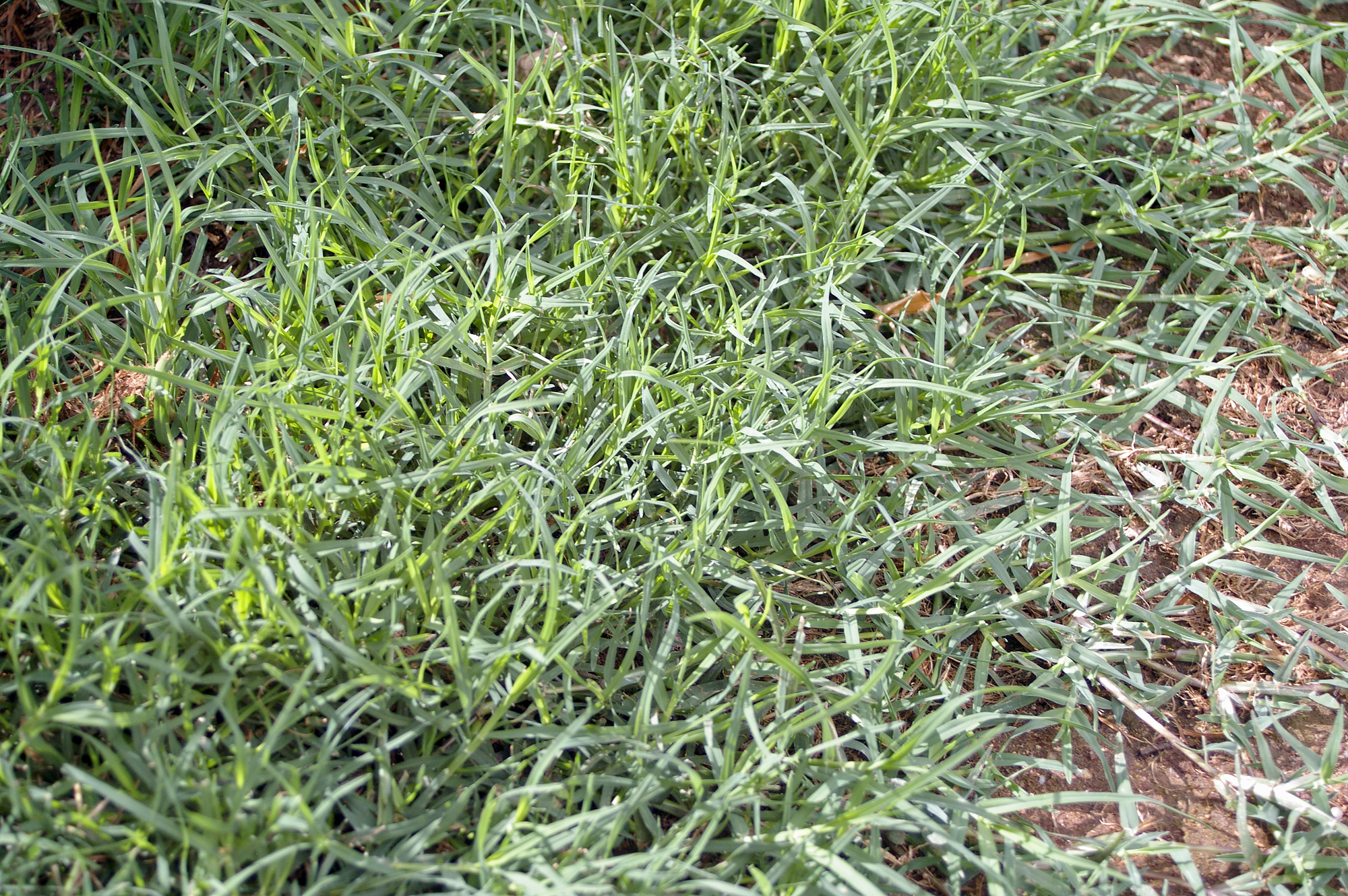
Regional Planting Timeline Comparison
| Region in Texas | Recommended Seeding Window | Minimum Soil Temperature | Key Environmental Consideration |
|---|---|---|---|
| South & Coastal Texas | Late March – April | 65°F – 70°F | Early arrival of high humidity and potential tropical moisture systems. |
| Central & East Texas | Late April – May | 65°F – 70°F | Heavy spring clay soils require careful management to prevent compaction. |
| North Texas & Panhandle | Mid-May – Early June | 65°F – 70°F | Shorter overall growing season; avoid late summer planting. |
| West Texas (Arid) | May – June | 65°F – 70°F | Extreme reliance on supplemental irrigation due to low annual rainfall. |
Step-by-Step Preparation and Planting Guide
Achieving a high germination rate requires meticulous site preparation. Skipping steps often leads to patchy growth, weed infestation, and shallow root development.
1. Soil Testing and Amendment
Before touching a seed, perform a professional soil test through an agricultural extension service (such as Texas A&M AgriLife Extension). Bermuda grass prefers a soil pH between 6.0 and 7.0, though it tolerates slightly alkaline Texas soils quite well. Amend the soil with lime to raise the pH if it is too acidic, or sulfur if it is excessively alkaline. Incorporating organic compost helps improve moisture retention in sandy soils and breaks up heavy clay common in regions like Central and North Texas.
2. Clearing and Grading
Remove all existing vegetation, weeds, rocks, and debris from the planting site. If treating an overgrown lawn, a non-selective herbicide containing glyphosate may be necessary to kill existing weeds and grasses. Once the area is cleared, till the top 4 to 6 inches of soil to loosen compaction. Rake the surface smooth, ensuring proper grading away from structures to prevent puddling and water stagnation.
3. Selecting the Right Bermuda Grass Variety
Not all Bermuda grass seeds are identical. Selecting a cultivar suited to your aesthetic preferences and maintenance capacity is crucial:
- Common Bermuda: Highly resilient, drought-tolerant, and economical. It requires slightly less maintenance than improved hybrids but has a coarser texture.
- Improved Seeded Varieties (e.g., Riviera, Monaco, Yukon): Bred for finer leaf texture, deeper green color, and superior cold tolerance, these cultivars rival vegetative hybrid sod while offering the convenience and lower cost of seeding.
4. Sowing the Seed
Broadcast the seed uniformly across the prepared seedbed at a rate recommended by the manufacturer—typically 1 to 2 pounds of pure live seed (PLS) per 1,000 square feet for unhulled/hulled mixes. To ensure even coverage, divide your seed allotment in half, spreading the first pass north-to-south and the second pass east-to-west.
Gently rake the seeds into the soil surface. Bermuda grass seeds require light to aid germination; they should not be buried deeper than one-quarter of an inch. Roll the area lightly with a weighted lawn roller to ensure optimal seed-to-soil contact.
Post-Planting Care and Maintenance
The germination period for Bermuda grass seed is typically 7 to 21 days, depending on soil temperature and moisture levels. During this vulnerable phase, daily management dictates success.
The Watering Regimen
The golden rule of germinating Bermuda seed is keeping the seedbed consistently moist, but never soggy. For the first two to three weeks, mist the soil two to three times daily. If the soil dries out and forms a crust, the delicate emerging seedlings will die. Once the grass reaches a height of one inch, transition to deeper, less frequent watering sessions to encourage roots to search downward for moisture.
First Mowing and Weed Management
Begin mowing your new Bermuda lawn as soon as it reaches a height of 1.5 to 2 inches, utilizing a sharp mower blade to prevent tearing the immature plants. Never remove more than one-third of the leaf blade at a time.
Avoid applying pre-emergent herbicides until the grass has been mowed at least three to four times, as these chemicals can stunt or kill young grass seedlings. Hand-pull any emerging weeds during the first month to minimize competition for sunlight and nutrients.
Frequently Asked Questions
Can I plant Bermuda grass seed in July in Texas?
Yes, you can plant in July, but it is not ideal. While the soil is warm enough, the extreme ambient heat requires you to irrigate the seedbed multiple times a day to prevent it from drying out. Early summer planting also leaves less margin for error regarding water management.
How long does it take for Bermuda grass seed to germinate?
Bermuda grass seed typically germinates within 7 to 21 days under optimal conditions. The exact timeline depends heavily on soil temperature—germination happens faster and more uniformly when soil temperatures consistently hover around 70°F to 80°F.
Do I need to cover Bermuda grass seed with straw or topsoil?
Covering the seed is not strictly required if it has been properly raked into the top quarter-inch of soil and rolled. However, applying a very thin layer of compost, peat moss, or erosion control netting can help retain soil moisture and prevent heavy Texas rains from washing the seed away on sloped terrain.
When should I apply fertilizer to newly seeded Bermuda grass?
Apply a starter fertilizer high in phosphorus (such as a 10-20-10 formulation) at the time of planting to encourage root development. Once the grass has germinated and been mowed a couple of times, apply a nitrogen-rich fertilizer to encourage lateral spread and thickening.
Can I overseed an existing lawn with Bermuda seed?
Yes, you can overseed thin or damaged Bermuda lawns in late spring. To ensure success, scalp the existing lawn as low as possible, dethatch to expose the soil, and ensure the seed makes direct contact with the ground rather than resting on top of old thatch.
Image Gallery
Select an image to open it in a new tab.


Lars Thomsen
Global Labor Markets and Economic Strategy Editor
