Navigating the Role of a Life Settlement Investor: Opportunities, Risks, and Regulatory Frameworks
A life settlement investor purchases existing life insurance policies from policyholders for a cash payout that exceeds the policy's cash surrender value but is less than the death benefit. This alternative asset class offers non-correlated returns detached from traditional stock and bond market volatility, though it requires specialized underwriting, adherence to strict state regulations, and careful management of longevity risk.
Understanding the Life Settlement Market
The life settlement market operates as a secondary and tertiary marketplace where individuals who no longer want, need, or can afford their life insurance policies monetize them. For an institutional or accredited individual acting as a life settlement investor, this market provides exposure to an asset class fundamentally driven by demographic trends and mortality rather than macroeconomic indicators.
Historically, seniors letting go of unwanted permanent life insurance policies faced a binary choice: surrender the policy to the issuing insurance carrier for its typically meager cash surrender value, or let it lapse entirely, yielding zero return. Life settlements introduced a middle ground. By purchasing these policies, investors take over the ongoing premium obligations and collect the full death benefit when the insured individual passes away.
- Policy Origination -> Senior owns unwanted/unaffordable policy
- Valuation & Underwriting -> Medical records & life expectancy assessed
- Transaction -> Investor buys policy, pays cash settlement to insured
- Servicing -> Investor pays ongoing premiums until maturity
- Maturity -> Insured passes away; investor collects death benefit
While the concept is straightforward, the execution involves complex actuarial science, legal compliance, and long-term capital management. Investors must understand that this is a long-horizon strategy. Capital is typically locked up for years or decades, and returns depend heavily on the accuracy of actuarial life expectancy (LE) reports.
Structure of Life Settlement Investments
Life settlement investing is rarely conducted on a direct, do-it-yourself basis for individual policies unless the investor possesses substantial capital, legal expertise, and direct access to actuarial services. Instead, market participants typically deploy capital through structured vehicles.
Investment Vehicles
- Private Equity and Hedge Funds: Dedicated longevity-focused funds pool capital from institutional investors and high-net-worth individuals to build diversified portfolios of hundreds of policies.
- Specialized Life Settlement Funds: Regulated investment companies that focus exclusively on purchasing, managing, and servicing life insurance assets.
- Fractionalized Platforms and Syndicates: Structured arrangements that allow accredited investors to acquire fractional interests in specific policies, lowering the minimum capital barrier to entry.
Primary Operational Phases
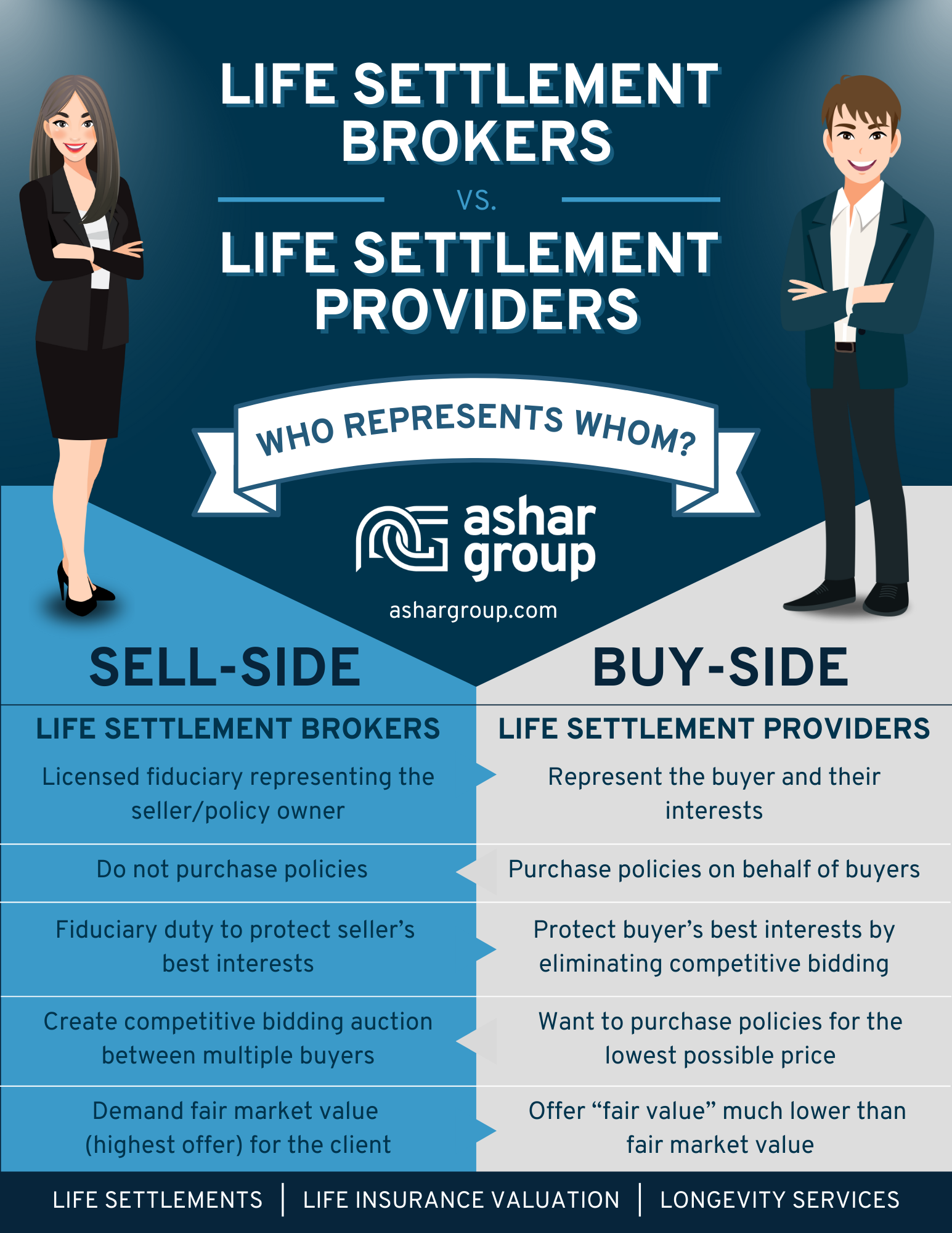
- Acquisition: Sourcing policies through licensed life settlement brokers who represent policyholders.
- Underwriting: Conducting rigorous reviews of the insured's medical history by specialized medical underwriting firms to establish a reliable life expectancy estimate.
- Portfolio Construction: Balancing policies across different ages, genders, underlying medical conditions, and insurance carriers to mitigate idiosyncratic risks.
- Ongoing Maintenance: Funding the periodic premium payments required to keep the policies active until maturity. Failing to pay a premium results in a policy lapse, destroying the investment value.

Key Risks for Life Settlement Investors
Like any financial asset, life settlements carry distinct risk factors that can impact portfolio performance. Prudent risk management requires a clear understanding of longevity risk, regulatory compliance, and liquidity constraints.
Longevity Risk
Longevity risk is the primary hazard in life settlement investing. It is the risk that the insured individual lives significantly longer than the actuarial life expectancy estimate. Because returns are calculated based on the timing of the death benefit payout, extended lifespans increase the total cost of premium payments and delay the realization of returns, eroding the internal rate of return (IRR).
Carrier Credit Risk
When an investor purchases a policy, they rely on the issuing life insurance company to remain solvent and pay out the death benefit when the insured dies. Although most policies are issued by highly rated, multi-billion-dollar insurance carriers, macroeconomic shocks or structural industry shifts over a 10-to-20-year horizon introduce counterparty risk.
Liquidity Constraints
Life settlements are decidedly illiquid investments. There is no public exchange where an investor can easily sell an individual policy or fund share on short notice. Capital committed to this asset class must generally remain locked up until the underlying policies mature through the death of the insureds.
Regulatory and Legal Complexity
The life settlement industry is heavily regulated at the state level in the United States. Laws vary significantly regarding disclosure requirements, licensing for brokers and providers, consumer protections, and privacy rights. Additionally, historical legal doctrines such as the "insurable interest" requirement must be strictly observed to prevent illegal wagering on human life.
Regulatory Landscape and Consumer Protection
The regulatory framework governing life settlements was established to protect vulnerable seniors while providing a legitimate, transparent secondary market for financial assets. The National Association of Insurance Commissioners (NAIC) has developed model acts that most U.S. states have adopted, either fully or with localized modifications.
Key regulatory safeguards include:
- Licensing Requirements: Brokers, providers, and sometimes funding entities must be licensed by state departments of insurance.
- Disclosure Mandates: Sellers must be fully informed of all alternative options, including accelerated death benefits and policy loans, as well as tax implications and broker compensation.
- Rescission Periods: State laws typically provide a statutory window (such as 15 to 30 days) during which a policyholder can rescind a life settlement contract after execution.
- Privacy Protections: Strict adherence to health data privacy laws (such as HIPAA in the United States) ensures that the medical records of insured individuals are securely handled and protected from unauthorized disclosure.
Comparing Life Settlement Investing to Traditional Asset Classes
To determine whether life settlements fit into a broader wealth management strategy, financial planners often compare them against traditional fixed-income and alternative asset classes.
| Feature | Life Settlements | Corporate Bonds | Real Estate Equity | Public Equities |
|---|---|---|---|---|
| Market Correlation | Near zero (uncorrelated) | Moderate (interest rate sensitive) | Moderate to High | High |
| Liquidity | Very Low | Moderate to High | Low to Moderate | High |
| Primary Risk Driver | Longevity / Mortality | Credit / Default | Property Market / Tenant | Economic / Earnings |
| Capital Commitment | Long-term (Years to Decades) | Variable (Term dependent) | Medium to Long-term | Short to Long-term |
| Yield Profile | Fixed-income alternative | Yield based on coupon | Rental yield + appreciation | Dividends + growth |
This comparison highlights why institutional investors, pension funds, and family offices allocate a percentage of their alternative portfolios to life settlements: they offer diversification that cushions against stock market downturns, provided the investor can tolerate long lock-up periods and illiquidity.
Disclaimer: This article is for informational and educational purposes only and does not constitute financial, legal, or investment advice. Life settlement investing involves substantial risks, including the potential loss of principal, and is typically restricted to accredited or institutional investors. Consult a licensed financial advisor or legal professional before making investment decisions.
Frequently Asked Questions
What is the minimum investment required to become a life settlement investor?
Directly purchasing entire life insurance policies typically requires hundreds of thousands of dollars per policy, plus ongoing liquidity reserves for premium payments. However, accredited investors can often access the asset class through managed funds, private equity vehicles, or specialized platforms with minimum investments starting anywhere from $50,000 to $250,000.
How are returns calculated in a life settlement portfolio?
Returns are measured using the internal rate of return (IRR), which accounts for the initial purchase price, the ongoing cost of premium payments over time, and the timing of the eventual death benefit payouts. Because the exact timing of payouts depends on mortality, portfolio diversification across a large number of lives is critical to smoothing out variance.
Are life settlement payouts taxable?
Tax treatment depends on the jurisdiction and the specific structure of the investment. For individual policyholders selling a policy, proceeds up to the policy's cost basis are generally tax-free, while gains may be taxed as ordinary income or capital gains. For investors purchasing policies as an asset, proceeds collected above the purchase price and total premiums paid are generally treated as taxable income. Investors should consult a qualified tax professional.
What happens if the insured person outlives their life expectancy?
If an insured person lives past their actuarial life expectancy, the investor must continue paying the monthly or annual premiums to keep the policy active. Exceeding life expectancy estimates reduces the annualized return (IRR) of that specific policy and, in worst-case scenarios, can turn a profitable investment into a loss if premiums outpace the fixed death benefit.
Can anyone buy a life insurance policy on the secondary market?
No. Regulatory frameworks generally restrict direct life settlement transactions to accredited investors, qualified purchasers, or institutional buyers who meet specific net worth and income thresholds, ensuring they possess the financial capacity to absorb long-term illiquidity and asset-specific risks.
Next Steps for Prospective Investors
For individuals or family offices exploring this asset class, the most prudent next step is to conduct thorough due diligence on established life settlement fund managers rather than attempting direct asset acquisition. Review track records, underwriting methodologies, portfolio diversification strategies, and fee structures carefully. Engaging with a specialized financial advisor who understands longevity assets will help ensure that any allocation aligns with overall portfolio risk tolerances and liquidity needs.
Image Gallery
Select an image to open it in a new tab.



Declan O'Connor
Higher Education and Campus Culture Reporter
