
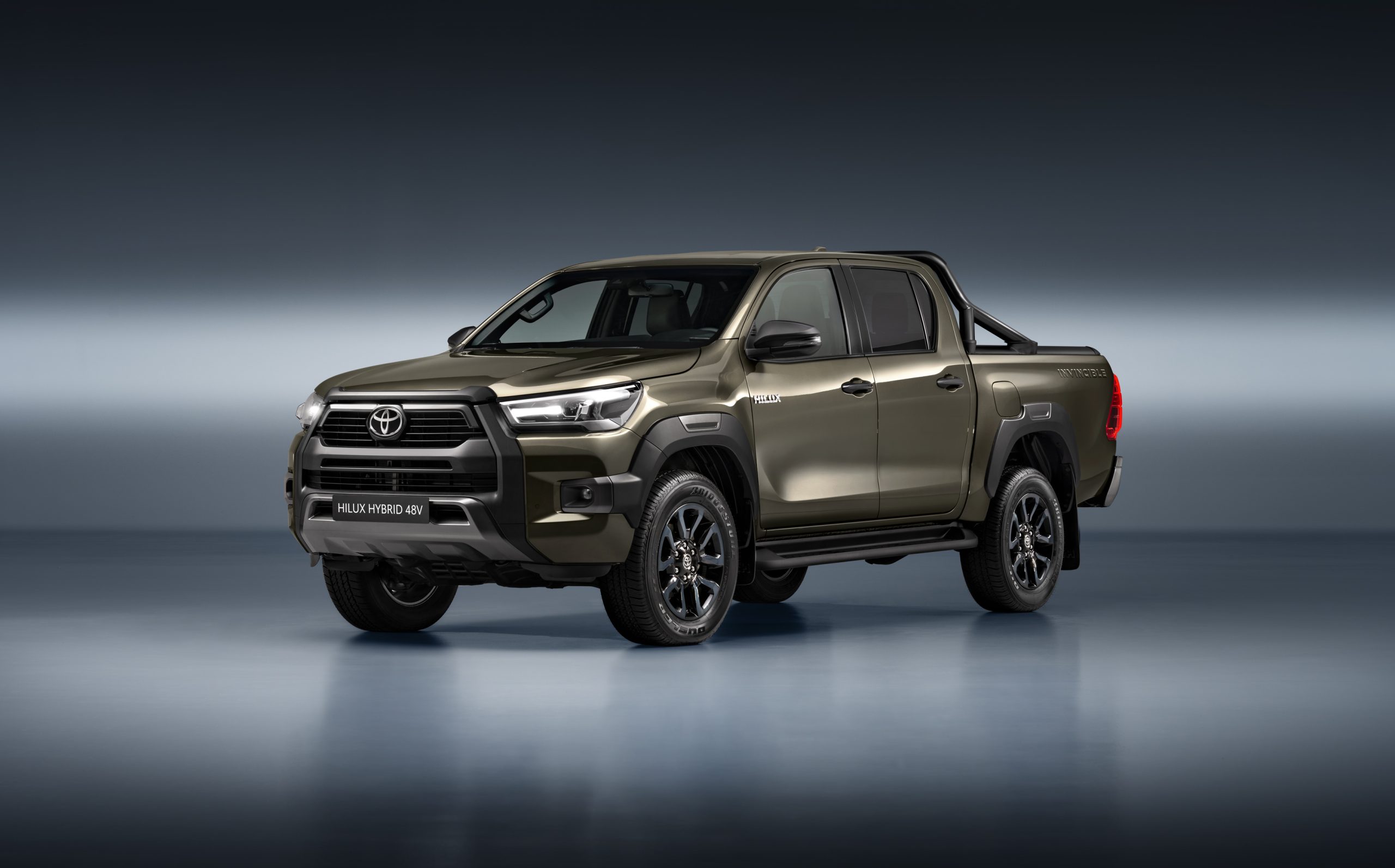
The Toyota Hilux maintains its reputation as a global workhorse by combining a robust ladder-frame chassis with reliable powertrain engineering. Designed for durability in harsh environments, it balances heavy-duty load-carrying capabilities with the necessary interior ergonomics for long-duration operation. It remains a primary choice for fleet operators, agricultural sectors, and demanding commercial environments requiring consistent uptime.
Engineering Philosophy: Why the Hilux Remains a Benchmark
The enduring success of the Toyota Hilux is not the result of radical annual reinvention, but rather a commitment to conservative, proven engineering. At its core, the vehicle utilizes a body-on-frame architecture that provides the structural rigidity necessary for towing and payload management. Unlike unibody crossovers, the Hilux is engineered to flex and endure under the stress of uneven terrain, which is essential for its role as a workhorse.
The engineering team prioritizes component longevity, often opting for mechanical simplicity where possible. By utilizing engines with moderate power outputs—which reduce internal stress—and pairing them with robust transmission systems, Toyota has effectively minimized the frequency of major mechanical failures. This philosophy is centered on the "total cost of ownership," where the initial purchase price is weighed against years of reliable service and high residual value.
Powertrain Performance and Drivetrain Capabilities
The Hilux is defined by its engine range, which in most global markets focuses on high-torque diesel units. The 2.4-liter and 2.8-liter GD-series engines are the cornerstones of this lineup. These powerplants are designed to deliver maximum torque at low revolutions, which is critical for pulling heavy loads from a standstill or navigating steep inclines without excessive gearbox hunting.
The transmission options typically include a manual six-speed or an automatic six-speed transmission. The manual gearbox is favored by many commercial users for its mechanical feedback and direct control, while the automatic is increasingly preferred for mixed-use scenarios where driver fatigue is a factor. The four-wheel-drive (4WD) system, featuring a dual-range transfer case and a locking rear differential, ensures the vehicle retains mobility in mud, sand, or snow. This mechanical configuration is what allows the Hilux to operate in remote areas where recovery services are non-existent.
Payload and Towing Capacity
As a workhorse, the utility of the Hilux is measured primarily by its physical capacity to move materials. While specifications vary by regional configuration (Single Cab vs. Double Cab), the chassis is rated for substantial payloads.
Key Performance Metrics
| Feature | Capability | Notes |
|---|---|---|
| Maximum Payload | Approx. 1,000kg – 1,200kg | Varies by trim level and suspension setup. |
| Braked Towing Capacity | Up to 3,500kg | Requires proper hitch and trailer brakes. |
| Ground Clearance | ~216mm – 310mm | Provides necessary clearance for off-road obstacles. |
| Approach Angle | ~29 – 31 degrees | Critical for traversing steep inclines. |
The bed of the Hilux is designed for utility, featuring multiple tie-down points that allow operators to secure loads of various shapes and sizes. For commercial users, the ability to fit standard pallet sizes between the wheel arches is a critical requirement that the Hilux fulfills, ensuring that it remains efficient for logistics and construction applications.
Cabin Ergonomics and Operator Comfort
Historically, workhorse pickups were Spartan, offering little in terms of driver comfort. The modern Hilux has evolved to bridge the gap between a rugged tool and a comfortable transport vessel. The interior design emphasizes durability, utilizing hard-wearing plastics and tactile surfaces that are easy to clean after a day at a worksite.
However, the seating position remains upright and command-oriented, which provides excellent visibility of the vehicle's corners—an essential feature for navigating tight job sites or crowded depots. Infotainment and safety systems, such as lane-departure warnings and pre-collision systems, have been integrated without compromising the core functionality of the dashboard controls. These features are designed to function even when the operator is wearing gloves, maintaining the vehicle’s primary identity as a tool for work.
Long-Term Maintenance and Reliability
The primary reason businesses select the Hilux is its predictable maintenance cycle. Toyota’s global supply chain ensures that parts remain available even in the most remote regions. This is a logistical advantage that competitors often struggle to match. The routine maintenance schedule is structured to prevent "catastrophic failure," focusing on early detection through regular inspections of the suspension bushings, cooling systems, and fuel filters.
One common mistake owners make is neglecting the maintenance of the 4WD actuator system. Even if the vehicle is primarily used on-road, the 4WD system should be engaged periodically to ensure that the seals and gears remain lubricated. Furthermore, due to the high-pressure nature of modern common-rail diesel injection systems, strict adherence to fuel filter replacement intervals is mandatory to prevent premature fuel injector failure.
Comparison: The Hilux in the Commercial Landscape
When evaluating the Hilux against its direct competition, the distinction often comes down to the balance between capability and refinement.
- vs. Isuzu D-Max: The D-Max is often lauded for its engine efficiency and agricultural focus. It shares a similar philosophy to the Hilux but often lacks the breadth of the global dealer network that supports Toyota’s flagship pickup.
- vs. Ford Ranger: The Ranger typically offers more sophisticated on-road handling and a more car-like interior experience. However, some fleet managers find that the Ranger’s increased electronic complexity can lead to higher repair costs as the vehicle ages beyond its warranty period.
The Hilux occupies the "middle ground" of this segment: it is sufficiently comfortable for daily driving but remains fundamentally a heavy-duty chassis designed to survive punishing duty cycles.
Challenges and Limitations
Despite its strengths, the Hilux is not without limitations. Its suspension, while excellent under load, can feel "bouncy" or unsettled when the bed is empty. This is a common characteristic of leaf-sprung rear ends. Operators who frequently drive empty may experience a harsher ride compared to competitors utilizing coil-sprung rear suspension setups.
Additionally, the Hilux is not a high-performance vehicle. In a market where competitors are pushing for higher horsepower and towing figures, Toyota has maintained a more conservative tuning strategy. This means that while it is reliable, it may not offer the same rapid acceleration or "effortless" towing experience that a higher-output engine might provide. For the target audience—those prioritizing longevity and uptime—this is a compromise that is almost universally accepted.
Frequently Asked Questions
1. Is the Toyota Hilux suitable for daily commuting?
Yes, the modern Hilux is comfortable enough for daily use, though its dimensions and ride quality differ from a standard passenger car. The rear leaf springs are designed for heavy loads, which means the ride may feel firmer than a sedan when the vehicle is unloaded.
2. What is the most important maintenance task for a Hilux?
Beyond standard oil and filter changes, keeping the diesel fuel system clean is paramount. Using high-quality fuel and strictly following the fuel filter change intervals prevents damage to the high-pressure common-rail injectors, which are expensive to replace.
3. Does the Hilux come with a locking differential?
Most 4WD Hilux models are equipped with a rear differential lock. This feature is critical for off-road performance, as it forces both rear wheels to turn at the same speed, providing traction when one wheel loses contact with the ground.
4. How does the Hilux perform in terms of rust protection?
While Toyota applies extensive anti-corrosion treatments, owners operating in coastal environments or areas with heavy road salt usage should consider additional underbody protection. Consistent cleaning of the chassis after off-road use is the most effective way to extend the life of the frame.
5. What is the expected service life of a well-maintained Hilux?
With regular, documented maintenance, many Hilux engines and transmissions are capable of exceeding 300,000 to 400,000 kilometers without requiring major overhauls. Its service life is more often defined by the condition of the chassis and bodywork rather than engine failure.
Recommendation for Potential Buyers
For those seeking a vehicle that serves as a genuine workhorse, the Toyota Hilux remains a top-tier recommendation in 2026. Prospective buyers should prioritize models that align with their specific workload. If your primary task involves frequent heavy towing, ensure the trim level includes the upgraded suspension and towing package. For fleet managers, the standard entry-level trims provide the best balance of cost and utility, stripping away unnecessary luxuries to maximize ROI. Always request a full service history to ensure the vehicle has adhered to the maintenance schedule, particularly regarding the cooling and fuel systems.
Image Gallery
Select an image to open it in a new tab.
Mateo Castillo
Decentralized Finance and E-Payments Strategist
