The Layered History of Schenectady, NY: From Mohawk Territory to the Electric City
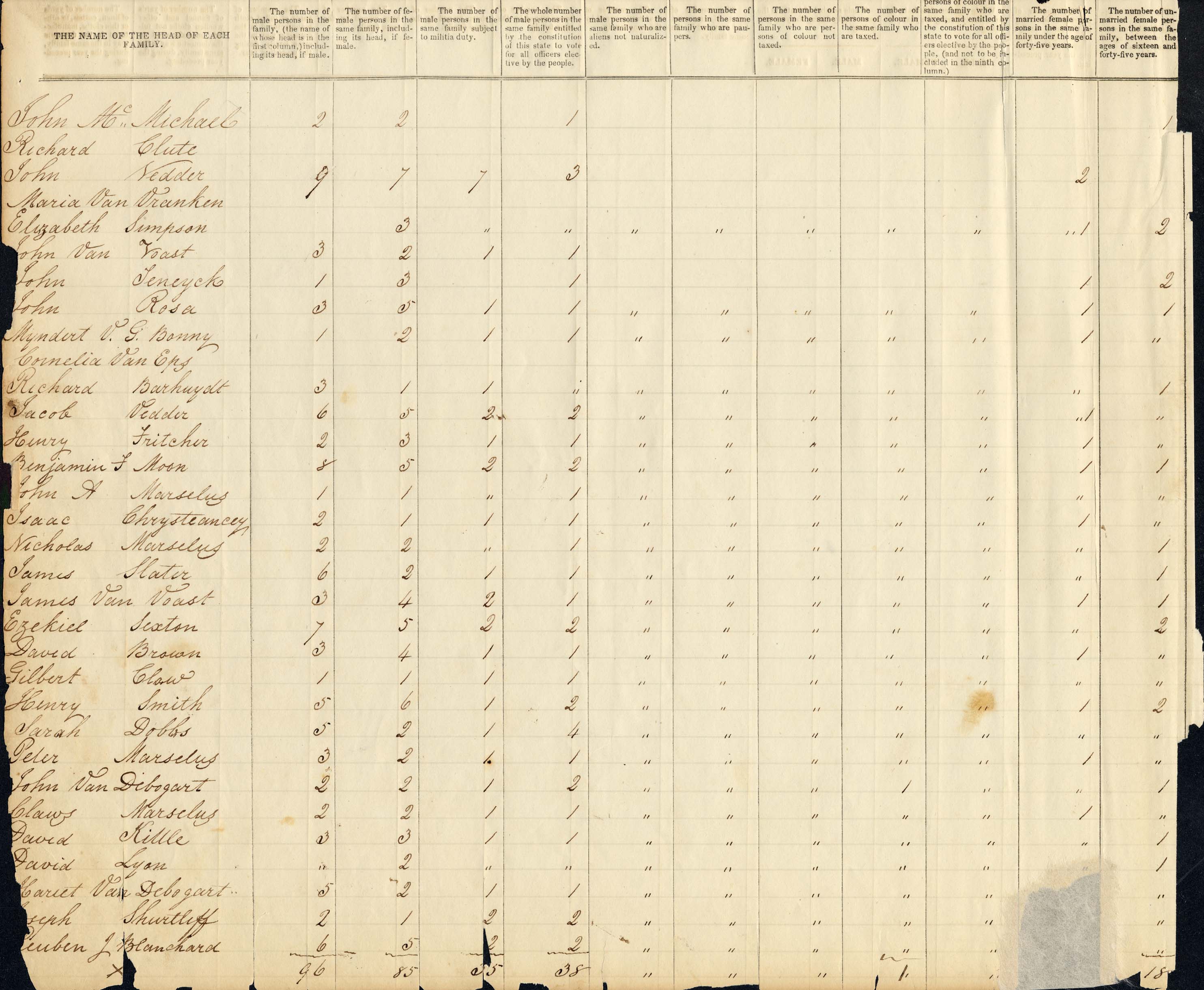
The history of Schenectady, New York, is a complex narrative of indigenous resilience, colonial conflict, and industrial revolution. Originally settled by the Mohawk people and later established as a Dutch fur-trading outpost in 1661, the city evolved into a global center for innovation and manufacturing, eventually earning its reputation as "the city that lights and hauls the world."
The Indigenous Roots: The Land Beyond the Pines
Long before European settlers arrived in the Mohawk Valley, the area was the ancestral homeland of the Kanienʼkehá꞉ka, or the People of the Flint, known more commonly as the Mohawk Nation. As the easternmost tribe of the Haudenosaunee (Iroquois) Confederacy, the Mohawks served as the "Keepers of the Eastern Door," protecting the confederacy from eastern incursions.
The name "Schenectady" is derived from the Mohawk word skahnéhtati, which translates to "beyond the pines." This term originally referred to the area around Albany (then called Beverwyck), but as the Dutch moved westward, the name shifted with the settlers. The geography was defined by the Binnekill, a branch of the Mohawk River that created fertile floodplains ideal for the Three Sisters agriculture (corn, beans, and squash) practiced by the Mohawk. By the mid-17th century, the Mohawks had established several fortified villages nearby, utilizing the river as a vital artery for trade and communication.
Understanding this indigenous foundation is crucial for any historical analysis of the region. The Mohawk Valley was not an "untouched wilderness" but a managed landscape with sophisticated political structures and trade networks that predated European arrival by centuries.
The Dutch Settlement and the Quest for Independence
In 1661, Arent van Curler, a prominent figure from the Rensselaerswyck manor, led a group of 14 Dutch families to purchase land from the Mohawk. This acquisition was a deliberate attempt to bypass the oppressive monopoly held by the Dutch West India Company in Albany. The settlers sought more than just land; they sought the freedom to trade directly in the lucrative fur market.
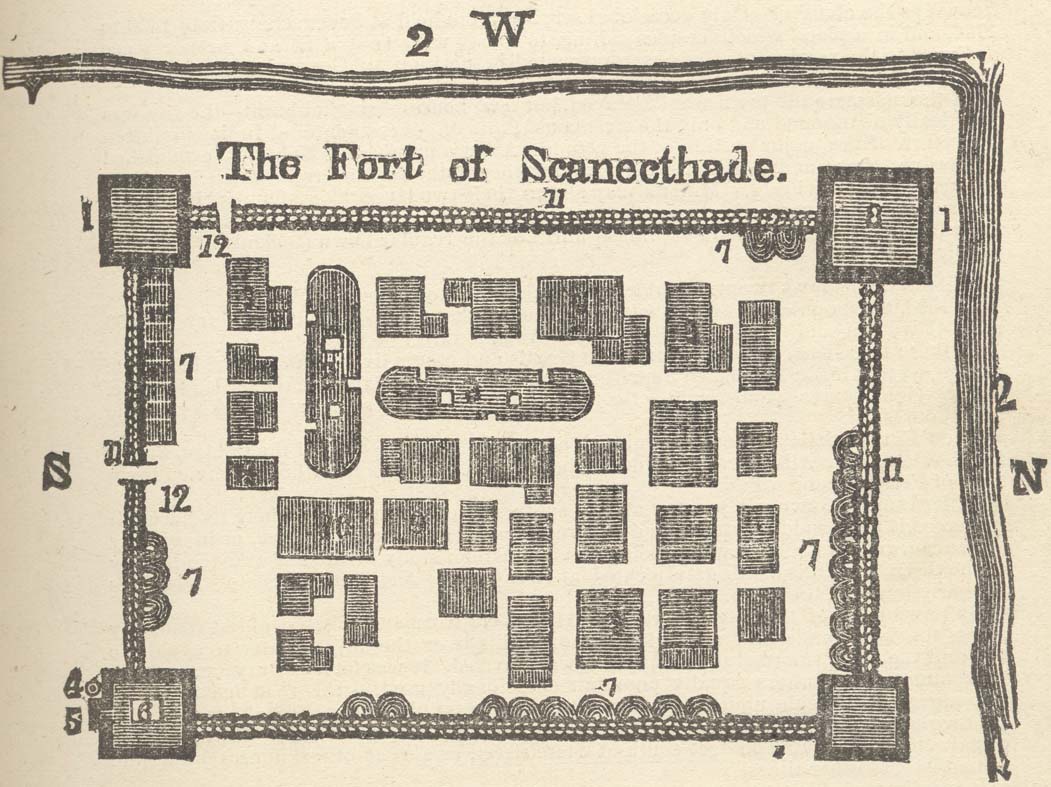
The early settlement was laid out in a grid—a rarity for the time—and was protected by a wooden stockade. This area, today known as the Stockade Historic District, remains one of the oldest residential neighborhoods in the United States. The Dutch influence is still visible in the architectural vernacular of the region, characterized by steep gables and brickwork. However, the settlement's early years were marked by friction. The authorities in Albany repeatedly prohibited the Schenectady settlers from trading with the indigenous population, leading to decades of legal and economic disputes that defined the city’s early character as a community of rugged, independent-minded pioneers.
The Schenectady Massacre of 1690: A Pivot Point
The most harrowing chapter in the city's early history occurred on the night of February 8, 1690. During King William’s War, a force of roughly 210 French soldiers and their Sulpician, Algonquin, and Mohawk allies attacked the sleeping village. Because of a severe snowstorm and a misplaced sense of security, the gates of the stockade were left open, guarded only by snowmen built by the children.
The attack was swift and brutal. Within hours, 60 residents were killed, and 27 were taken captive to Canada. The village was burned to the ground, with only a few houses spared. This event, known as the Schenectady Massacre, had a profound impact on the English and Dutch colonies. It underscored the vulnerability of the frontier and led to a temporary abandonment of the site. However, the resilience of the survivors was remarkable; within years, they returned to rebuild their homes, transforming Schenectady into a fortified "Gateway to the West" that would play a strategic role in the upcoming French and Indian War and the American Revolution.
The Revolutionary Era and Union College
During the American Revolution, Schenectady served as a vital supply depot for the Continental Army. Its location on the Mohawk River made it a staging ground for campaigns into the western territories. Following the war, the city’s intellectual and social landscape shifted with the founding of Union College in 1795.
As the first college chartered by the New York State Board of Regents, Union College was unique for its non-denominational status—a radical departure from the religiously affiliated institutions of the era (hence the name "Union"). The college's campus, designed by French architect Joseph-Ramée in 1813, features the iconic Nott Memorial and became a model for American campus planning. The presence of the college brought a new layer of sophistication and scientific inquiry to the town, setting the stage for the technological booms of the 19th century.
The Erie Canal and the Transportation Boom
The completion of the Erie Canal in 1825 fundamentally altered Schenectady’s trajectory. The "Clinton’s Ditch" era transformed the city from a river-crossing town into a bustling commercial hub. Goods from the Atlantic could now reach the Great Lakes, and Schenectady sat at a critical juncture where the canal met the Mohawk River and early rail lines.
In 1831, the Mohawk and Hudson Railroad began operating between Albany and Schenectady. This was the first chartered railroad in the state, and the inaugural run of the DeWitt Clinton locomotive marked the beginning of Schenectady’s identity as a transportation leader. For the next century, the city would be defined by its ability to move people and materials across the continent.
The Rise of the Electric City: Edison and GE
The most transformative period in Schenectady’s history began in 1886 when Thomas Edison moved his Edison Machine Works to the city. Edison was attracted to the location because of its existing industrial infrastructure and proximity to New York City and Boston. In 1892, a merger between Edison General Electric and the Thomson-Houston Electric Company formed the General Electric Company (GE), headquartered in Schenectady.
The impact of GE on the city was astronomical. Schenectady became the global center for electrical research and development. The creation of the GE Research Laboratory in 1900—the first industrial research facility in the United States—led to breakthroughs in lighting, radio, X-ray technology, and power generation. Brilliant minds like Charles Proteus Steinmetz, the "Wizard of Schenectady," revolutionized the use of alternating current (AC), making the long-distance transmission of electricity possible.
The Locomotive Giant: ALCO
Parallel to the rise of GE was the growth of the American Locomotive Company (ALCO). Formed in 1901 through the merger of several smaller firms, including the Schenectady Locomotive Works, ALCO became one of the world's largest producers of steam and diesel-electric locomotives.
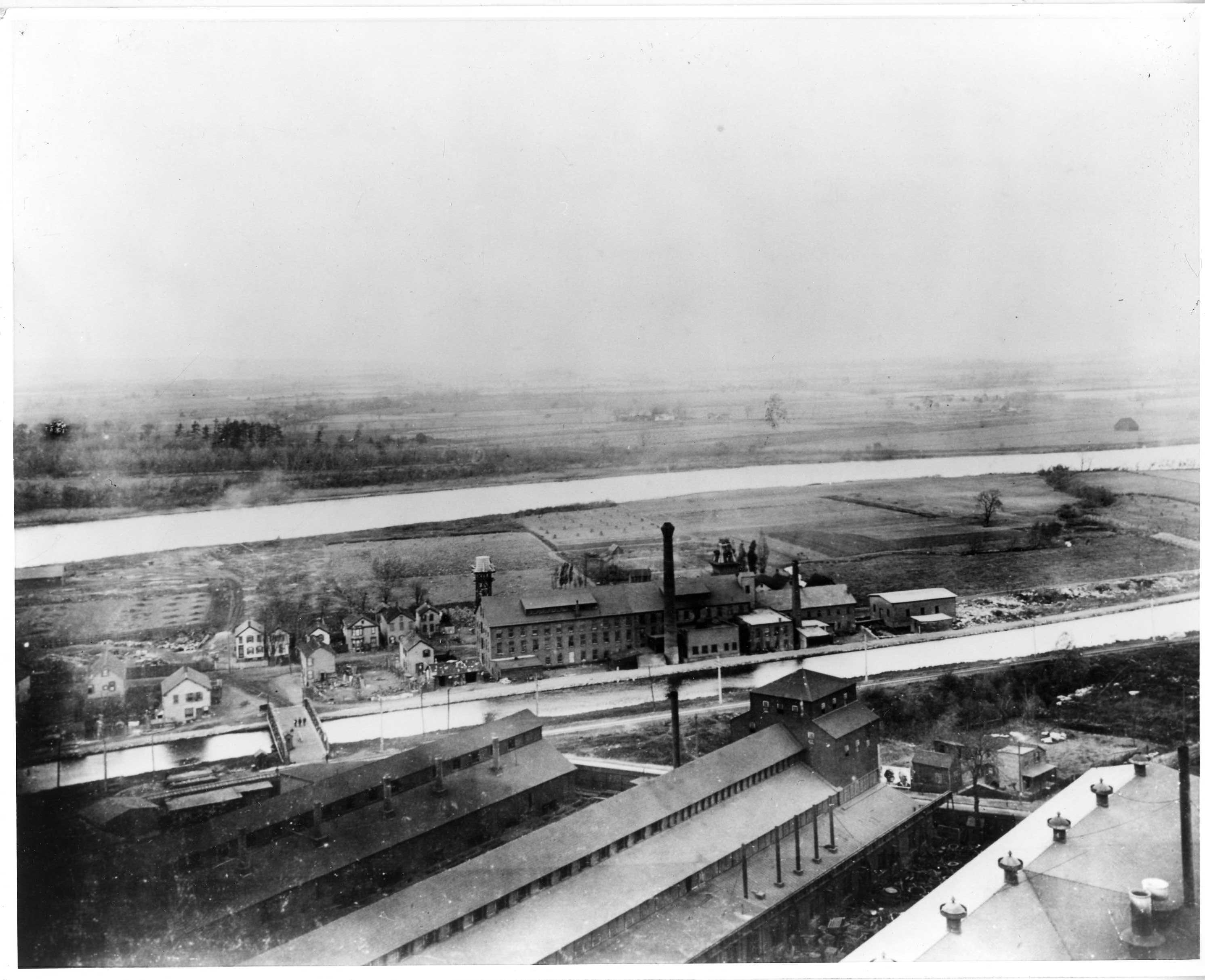
At its peak, the ALCO plant spanned 112 acres along the Mohawk River. The company was instrumental in the Allied effort during World War II, pivoting its production to manufacture M3 and M4 tanks. Between GE and ALCO, Schenectady earned its famous moniker: "The City that Lights and Hauls the World." The 1920s and 1930s represented the height of this industrial era, with a soaring population and a thriving downtown centered around State Street and Proctors Theatre.
20th Century Challenges and Post-Industrial Shift
The latter half of the 20th century brought significant challenges to the region. Following World War II, the decentralization of manufacturing and the rise of the Interstate Highway System began to erode the dominance of the canal and rail systems. ALCO ceased its Schenectady operations in 1969, leaving a massive industrial void along the riverfront.
GE also began to downsize its local manufacturing presence, shifting toward globalized production and specialized research. This period of "Rust Belt" decline saw a shrinking population and economic stagnation. However, the city's "layered history" provided a foundation for its eventual 21st-century recovery. The preservation of the Stockade District and the continued cultural relevance of Proctors Theatre (originally a vaudeville house built in 1926) served as anchors for a new era of urban renewal.
Schenectady in 2026: A Modern Renaissance
As of 2026, Schenectady has successfully transitioned from a heavy manufacturing center to a diversified hub of technology, tourism, and education. The Mohawk Harbor project, a massive mixed-use development on the former ALCO site, now features luxury housing, retail spaces, and the Rivers Casino & Resort. This transformation of a brownfield into a vibrant waterfront destination represents the city's ability to reinvent itself.
The city continues to leverage its historical assets. The Stockade District remains a living museum, and Union College remains a top-tier institution. Meanwhile, the tech sector is seeing a resurgence, with startups and clean energy companies occupying spaces once held by industrial giants.
Historical Milestones of Schenectady
| Era | Key Event | Significance |
|---|---|---|
| Pre-1661 | Mohawk Sovereignty | Establishes the region as "the land beyond the pines." |
| 1661 | Founding by Arent van Curler | First Dutch settlement outside the Albany monopoly. |
| 1690 | The Schenectady Massacre | A tragic turning point in the colonial frontier wars. |
| 1795 | Union College Chartered | Introduces non-denominational higher education. |
| 1825 | Erie Canal Completion | Connects the city to global trade routes. |
| 1886 | Edison Machine Works Arrives | Sets the stage for the "Electric City" era. |
| 1892 | Formation of General Electric | Makes Schenectady a global leader in innovation. |
| 1901 | Formation of ALCO | Solidifies the city as a locomotive manufacturing titan. |
| 1969 | ALCO Plant Closure | Marks the beginning of the post-industrial era. |
| 2017-2026 | Mohawk Harbor Development | Represents the modern economic revitalization. |
Frequently Asked Questions
Why is Schenectady called the Electric City?
Schenectady earned this nickname because it was the headquarters and primary manufacturing site for the General Electric Company (GE). From the late 19th century through the mid-20th century, the city was the world leader in electrical research, power generation technology, and the production of electrical appliances.
What is the Stockade Historic District?
The Stockade is the oldest residential neighborhood in Schenectady, located on the site of the original 1661 Dutch settlement. It contains over 40 homes that are more than 200 years old, representing a diverse range of architectural styles including Dutch Colonial, Georgian, and Federal. It was the first historic district designated in New York State.
Who was Charles Steinmetz?
Charles Proteus Steinmetz was a German-American mathematician and electrical engineer who worked for GE in Schenectady. He is famous for developing the theories that allowed for the expansion of the electric power industry, particularly his work on alternating current (AC) and the phenomena of magnetic hysteresis.
Can you visit the site of the 1690 Massacre?
While the original wooden stockade is long gone, the site is marked by several plaques and statues within the modern Stockade District. The intersection of Church and Front Streets is generally recognized as the area where the main gate once stood. The Schenectady County Historical Society offers tours and exhibits detailing the event.
What happened to the Erie Canal in Schenectady?
The original canal ran through the heart of the city, along what is now Erie Boulevard. In the early 20th century, the canal was replaced by the New York State Barge Canal, which utilized the Mohawk River itself. The old canal bed in the city was filled in to create the wide thoroughfare known today as Erie Boulevard.
Is General Electric still in Schenectady?
Yes, as of 2026, GE maintains a significant presence in Schenectady, particularly in its Power and Renewable Energy divisions. While it is no longer the city's sole massive employer as it was in the early 1900s, it remains a vital part of the local economy and a leader in energy technology research.
Recommended Next Actions
For those looking to experience the layered history of Schenectady firsthand, a visit to the Schenectady County Historical Society on Washington Avenue is the best starting point. Walking tours of the Stockade District provide an intimate look at colonial architecture, while a visit to Union College's Nott Memorial offers a glimpse into the city's intellectual history. For a more modern perspective, exploring the Mohawk Harbor waterfront shows how the city has successfully integrated its industrial past with a 21st-century lifestyle.
For researchers, the New York State Archives and the Library of Congress hold extensive digital collections regarding the industrial development and colonial records of the Mohawk Valley.
Image Gallery
Select an image to open it in a new tab.

Lars Thomsen
Global Labor Markets and Economic Strategy Editor
