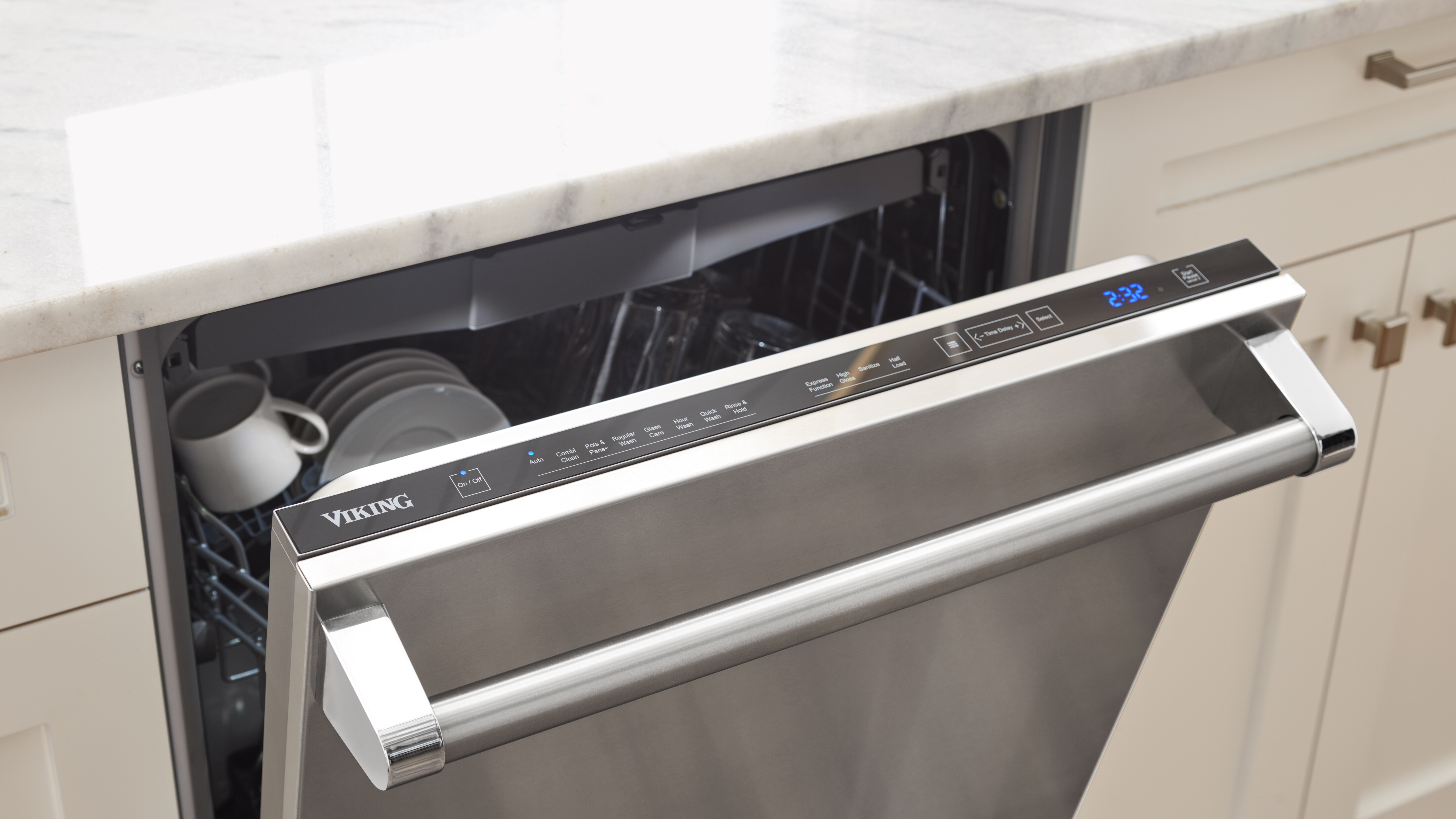
Deciding whether a dishwasher is a kitchen essential or an optional luxury depends heavily on household size, cooking habits, spatial constraints, and utility costs, though for many modern homeowners it serves as an indispensable tool for time management and sanitation. While human hands can clean any plate or pot, the modern automatic dishwasher offers resource efficiency, high-temperature sanitization, and substantial time savings that shift it from a mere convenience to a core structural element of contemporary kitchen design.
The Evolving Definition of Kitchen Essentials
In the context of residential architecture and interior design, "essential" appliances traditionally include those required for food preservation (the refrigerator) and food preparation/cooking (the stove and oven). Secondary appliances, such as microwaves, garbage disposals, and garbage compactors, have historically occupied a gray area of convenience. The automatic dishwasher sits precisely on this boundary line.
To determine whether a dishwasher is truly essential, one must look at how domestic labor has evolved. Modern lifestyles demand high efficiency, making time an increasingly precious commodity. When evaluating kitchen layouts, real estate markets increasingly treat a dishwasher as a baseline expectation. Homes lacking space or plumbing infrastructure for a standard 24-inch unit often face diminished resale appeal or require creative compromises like compact, countertop, or drawer-style dishwashers.
Sanitization and Hygiene: The Thermal Advantage
One of the most compelling arguments for classifying a dishwasher as an essential appliance relates to thermal sanitation. Manual dishwashing is fundamentally limited by human skin temperature tolerance. Comfortable dishwashing water rarely exceeds 105°F to 110°F (40°C to 43°C), a temperature at which many common food-borne pathogens and bacteria can survive or multiply.
| Cleaning Method | Average Water Temperature | Effectiveness Against Pathogens |
|---|---|---|
| Manual Sink Washing | 100°F – 110°F (38°C – 43°C) | Moderate (Relies on mechanical friction and chemical action) |
| Automatic Dishwasher (Standard Wash & Boost) | 130°F – 160°F+ (54°C – 71°C+) | High (Thermal destruction of bacteria and microbes) |
| Sanitary Rinse Cycle | 155°F – 180°F (68°C – 82°C) | Maximum (Commercial-grade sanitization standards) |
Automatic dishwashers routinely heat water to internal temperatures between 130°F and 140°F for standard wash cycles, with dedicated sanitize or boost cycles pushing final rinse temperatures past 155°F (68°C) or higher. According to organizations such as the National Sanitation Foundation (NSF), these sustained high temperatures are necessary to effectively sanitize dishware, cutting boards, and cutlery—particularly when handling raw meats, poultry, or eggs. For households with immunocompromised members, infants, or allergy sufferers, this level of thermal disinfection transforms the dishwasher from optional to essential.

Water and Energy Efficiency Comparisons
A common misconception is that washing dishes by hand saves resources compared to running an automatic machine. Decades of engineering improvements, stringent energy regulations, and modern sensor technology have flipped this dynamic entirely.
Resource Consumption Breakdown
- Modern Dishwashers: Energy Star-certified units consume as little as 2 to 4 gallons of water per standard load. They precisely meter water intake, recirculate it through multi-tier spray arms, and utilize high-efficiency internal heating elements to dry items.
- Hand Washing: Running a standard kitchen tap continuously while scrubbing dishes can consume up to 2 gallons of water per minute. Even filling a dual-basin sink to wash and rinse often uses 8 to 20 gallons of water per session, depending on the volume of dishes.
Furthermore, automatic dishwashers heat only the precise amount of water needed for each phase, whereas water heaters expend energy maintaining and transporting hot water through home plumbing lines to the sink. Over a typical year of daily operation, a modern dishwasher preserves both municipal water reserves and household utility budgets.
Time Investment and Lifestyle Factors
Time is a non-renewable resource, and the manual labor of cleaning up after meals represents a significant daily investment.
- Manual Scrubbing: Scraping, pre-rinsing, scrubbing, rinsing, and drying a family-sized load of dinnerware, pots, and pans typically takes 20 to 30 minutes per session. If performed twice daily, this accumulates to nearly an hour of repetitive manual labor.
- Machine Loading: Loading and unloading a dishwasher requires roughly 5 to 7 minutes of active engagement. The machine handles the mechanical scrubbing, washing, sanitizing, and drying autonomously.
For busy professionals, multi-generational households, and families with young children, this time recovery is invaluable. The appliance acts as a labor-saving device that prevents kitchen clutter from accumulating on countertops, streamlining evening routines and reducing household friction over chores.
Structural, Spatial, and Financial Constraints
Despite the clear operational benefits, physical and financial hurdles often relegate the dishwasher to the "optional" category for specific living situations.
Spatial Limitations
Older urban apartments, tiny homes, and historical properties frequently lack the spatial footprint required for a standard 24-inch under-counter unit. Integrating a dishwasher requires:
- Dedicated cabinetry clearance.
- Access to hot and cold water supply lines.
- A dedicated wastewater drainage connection (usually tied to the kitchen sink tailpiece or air gap).
- Adequate electrical clearance (often a dedicated 15-amp or 20-amp circuit).
When these prerequisites are absent, undertaking a kitchen renovation just to install a built-in dishwasher can cost thousands of dollars in plumbing and carpentry labor. In these cases, portable dishwashers or compact countertop models serve as flexible alternatives, bridging the gap between absolute necessity and spatial impossibility.
Upfront Costs and Maintenance
Purchasing a quality dishwasher requires an initial financial investment ranging from $400 for entry-level models to over $1,500 for ultra-quiet, integrated panel-ready luxury units. Additionally, users must factor in ongoing consumables:
- Automatic dishwasher detergent (pods, gels, or powders).
- Rinse aids to prevent water spots and enhance drying performance.
- Periodic machine cleaning agents to clear out hard water mineral scale and grease buildup in filters.
Essential vs. Optional: Evaluating Your Household
To resolve whether a dishwasher is essential for your specific situation, weigh the following diagnostic criteria against your daily routine:
- Household Size: Single occupants or couples who cook simple meals once a day can easily manage a small sink load in minutes. Households of three or more people—or those who cook multi-course meals using numerous pots, pans, and prep bowls—will quickly find hand-washing overwhelming.
- Dietary Patterns: Individuals who bake frequently, roast meats, or use heavy casserole dishes deal with baked-on residues that require intense mechanical scrubbing or prolonged soaking. A dishwasher with heavy-duty spray cycles manages these tasks effortlessly.
- Kitchen Layout and Infrastructure: If your kitchen lacks plumbing rough-ins, installing a built-in model may be structurally impractical, rendering it optional unless you are willing to invest in a major remodel or a portable alternative.
Frequently Asked Questions
Is it really more efficient to use a dishwasher than washing by hand?
Yes. Modern Energy Star-certified dishwashers use significantly less water (often 3 to 4 gallons per cycle) than standard hand washing under a running tap, which can consume 20 gallons or more. They also heat water more efficiently than typical residential water heaters.
Can a dishwasher truly sanitize dishes better than hand washing?
Yes. Dishwashers utilize water temperatures between 130°F and 160°F+ (and higher during sanitizing rinse cycles), which far exceeds the temperature human hands can physically endure (typically 100°F to 110°F). These higher thermal thresholds are essential for neutralizing harmful food-borne bacteria.
What are the best alternatives if my kitchen cannot fit a standard dishwasher?
If you lack under-counter space, consider compact 18-inch dishwashers, portable rolling dishwashers that connect temporarily to a kitchen faucet, or countertop dishwashers that hold place settings for one to two people and require manual water filling or simple hookups.
Do dishwashers ruin delicate glassware and silverware?
Older or low-quality dishwashers occasionally caused etching or dulling due to harsh detergents and overly aggressive water jets. Modern dishwashers feature adjustable spray intensity, specialized glassware tines, and delicate cycles that protect fine china, crystal, and silverware when loaded correctly.
How often should a dishwasher filter be cleaned?
To maintain optimal washing performance and prevent foul odors, you should inspect and clean the manual mesh filter located at the bottom of the tub every one to three months, depending on how frequently you run loads without pre-scraping dishes.
Conclusion and Next Actions
Ultimately, whether a dishwasher is kitchen essential or optional depends on your lifestyle priorities, household size, and structural constraints. If you cook frequently, manage a busy household, and value time and sanitation, the dishwasher is an indispensable essential that pays for itself in conserved time and water. If you live alone, cook infrequently, or occupy a historic space with rigid spatial limitations, it remains a luxury convenience. Assess your water bills, daily cooking volume, and kitchen plumbing infrastructure today to determine whether upgrading to or installing a dishwasher makes practical sense for your home.
Image Gallery
Select an image to open it in a new tab.



Declan O'Connor
Higher Education and Campus Culture Reporter
