Understanding the Chipotle Health Scare: Historical Context and Food Safety Evolution

The "Chipotle health scare" refers to a series of foodborne illness outbreaks between 2015 and 2018 that significantly impacted the reputation and operations of Chipotle Mexican Grill. The incidents, primarily involving E. coli, Norovirus, and Salmonella, triggered a massive company-wide overhaul of food safety protocols, supply chain management, and employee training standards to restore public trust.
The Timeline of the Outbreaks
The term "Chipotle health scare" is not tied to a singular event but rather a cluster of incidents that dominated news cycles for several years. Understanding this sequence is essential for contextualizing why the brand’s operational model underwent such radical change.
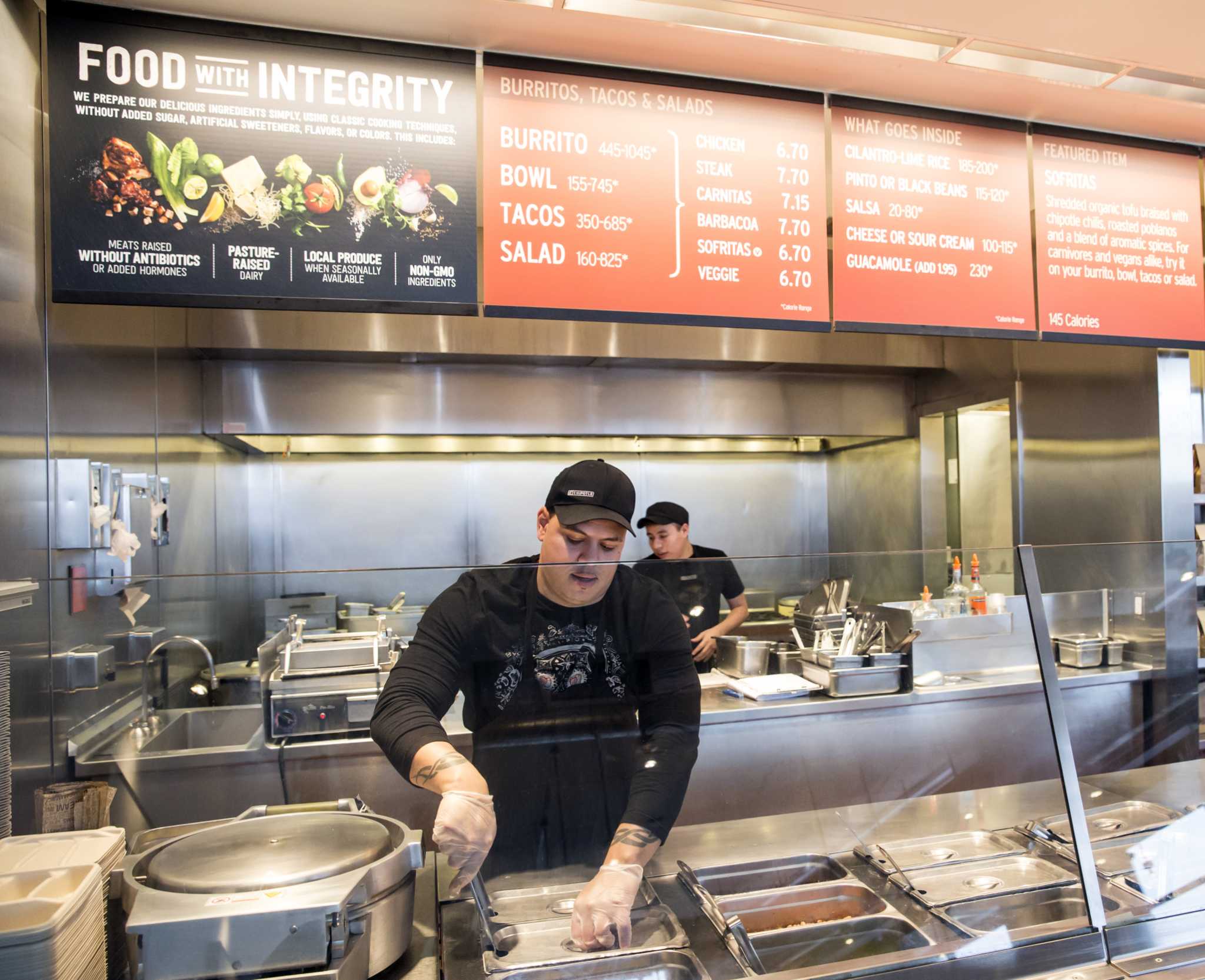
In late 2015, reports surfaced of E. coli outbreaks linked to various Chipotle locations, primarily in the Pacific Northwest. This was followed by a separate Norovirus incident in a Boston location and Salmonella cases linked to tomatoes in Minnesota. These events created a "perfect storm" for the company. The issue was that the decentralized nature of their fresh produce sourcing—a hallmark of their "Food with Integrity" marketing—made it difficult to trace the specific point of contamination once an outbreak occurred.
By 2016, the company’s stock price had plummeted, and foot traffic in stores reached historic lows. The scrutiny was not merely local; federal investigations by the Centers for Disease Control and Prevention (CDC) and the Food and Drug Administration (FDA) placed the company under a microscope. This era served as a cautionary tale for the fast-casual restaurant industry regarding the complexities of balancing "fresh, local" ingredients with the industrial-scale requirements of a national chain.
Core Pathogens and Transmission Vectors
To understand the nature of the crisis, one must examine the specific pathogens involved. Each required a different approach to mitigation.
- Escherichia coli (E. coli): These bacteria typically reside in the intestines of healthy cattle. Contamination in restaurant settings often occurs through produce that has been exposed to contaminated water or runoff. Because Chipotle utilized fresh, non-irradiated produce, they were susceptible to field-level contamination that cooking could not always neutralize if the produce was served raw (e.g., in salsas or salads).
- Norovirus: Unlike bacterial contamination, which often stems from the supply chain, Norovirus is frequently introduced by human transmission. It is highly contagious and can spread through surface contact or by infected employees handling food. Outbreaks linked to this virus highlighted deficiencies in sick-leave policies and hygiene enforcement at the store level.
- Salmonella: Often associated with poultry and certain produce items, this bacterium highlighted the difficulties in managing a complex, multi-state supply chain where individual shipments could be tainted before arrival at the restaurant.

The Operational Pivot: How Safety Protocols Changed
Following these incidents, the company implemented a multi-layered food safety program that fundamentally changed how they operated. These changes were designed not only to eliminate current threats but to create a permanent shield against future outbreaks.
Supply Chain Diversification and Testing
Chipotle moved away from some of its "hyper-local" sourcing models to favor centralized processing where high-risk ingredients (like tomatoes, cilantro, and lettuce) could be pre-washed and tested in controlled environments. By implementing DNA-based testing, the company began screening ingredients for pathogens before they ever reached the distribution centers.
Internal Kitchen Procedures
Inside the restaurants, the company introduced the "blanching" method. By dipping fresh produce into boiling water for a short duration, they significantly reduced the bacterial load on the exterior of fruits and vegetables without compromising the fresh taste that customers expected. They also updated their employee handbooks to mandate stricter handwashing intervals, the use of color-coded gloves for different tasks, and, crucially, a policy that incentivized employees to stay home if they exhibited even minor symptoms of illness.
Scientific Oversight
In a move to rebuild credibility, the company hired a team of food safety scientists and established a Food Safety Advisory Council. This shift signaled that the company was no longer relying solely on general management protocols but was instead treating food safety as a rigorous scientific discipline, utilizing data modeling to predict and prevent outbreaks.
Comparative Overview of Food Safety Measures
| Feature | Pre-2015 Approach | Post-2018 Approach |
|---|---|---|
| Produce Processing | Prepared in-store (chopping, washing) | Centralized processing; high-pressure/thermal prep |
| Testing | Limited spot-checking | DNA-level testing of all raw ingredients |
| Supply Chain | Decentralized / Local focus | Centralized vetting and traceability |
| Employee Safety | Standard hygiene training | Strict "Stay-home" mandates; paid sick leave |
| Regulatory Status | Basic health department oversight | Enhanced CDC/FDA partnership protocols |
The Impact on Consumer Perception and Brand Recovery
Public perception of the brand went through distinct phases: shock, skepticism, and gradual normalization. In 2026, the brand is largely viewed as a success story in corporate crisis management. By the late 2010s, the company’s transparent reporting of the outbreaks—even when it was damaging to their bottom line—helped rebuild a level of consumer trust that few other restaurant chains have achieved after similar crises.
For the modern consumer, the "Chipotle health scare" is now largely a historical benchmark. The primary concern for patrons in 2026 is no longer the risk of widespread illness, but rather the rising costs of menu items and the consistency of order accuracy across digital and in-store channels. The technical safeguards put in place, while invisible to the average diner, remain the standard for how the company handles food safety today.
Frequently Asked Questions (FAQ)
Are Chipotle restaurants safe to eat at today?
Yes. Since the implementation of their comprehensive food safety overhaul, the company has maintained rigorous safety standards. They employ DNA-based pathogen testing and have centralized their produce preparation, which makes the risk of a widespread outbreak significantly lower than it was during the 2015–2018 period.
What is the difference between an outbreak and a localized incident?
An outbreak is typically defined by public health authorities as two or more people experiencing similar illness after eating a common food item at a common location. A localized incident might be a single customer reporting illness. During the 2015 crisis, the company faced multiple, simultaneous outbreaks that were linked to specific geographic regions and ingredient suppliers.
Did the company change its "Food with Integrity" mission?
No, the company maintained its commitment to fresh, non-GMO ingredients. However, the definition of "integrity" was expanded to include food safety as a core pillar. They reconciled their mission by applying industrial-scale, science-backed safety technology to the artisanal, fresh-prep model they had used since their inception.
How did the company handle employee sick leave after the outbreaks?
One of the most critical changes was the refinement of their sick-leave policy. The company introduced protocols that mandate employees stay home for a specified period after showing any symptoms of illness, ensuring that human transmission of viruses like Norovirus is effectively neutralized.
What should a customer do if they feel ill after eating at any restaurant?
If you suspect you have contracted a foodborne illness, contact your local public health department to report the incident. They are the only entity authorized to conduct an investigation, trace the source of the illness, and determine if other customers are affected. Keep your receipt and note the date, time, and location of your visit to aid in their investigation.
Final Recommendation and Next Actions
If you are concerned about food safety at any restaurant chain, you should utilize official local health department websites to view the most recent inspection scores for specific locations. Most counties in the United States publish these findings online, providing a transparent view of a location’s sanitation compliance. For Chipotle specifically, the company maintains a public-facing food safety portal where they document their current standards and certifications. Always prioritize reporting suspected illness to your local health authorities, as your report provides the critical data needed to identify and stop potential contamination events before they escalate.
Image Gallery
Select an image to open it in a new tab.


Vivian Cho
Executive IT and Emerging Technologies Reporter
