The Truth About Poe Hall NC State Cancer Research and Environmental Concerns
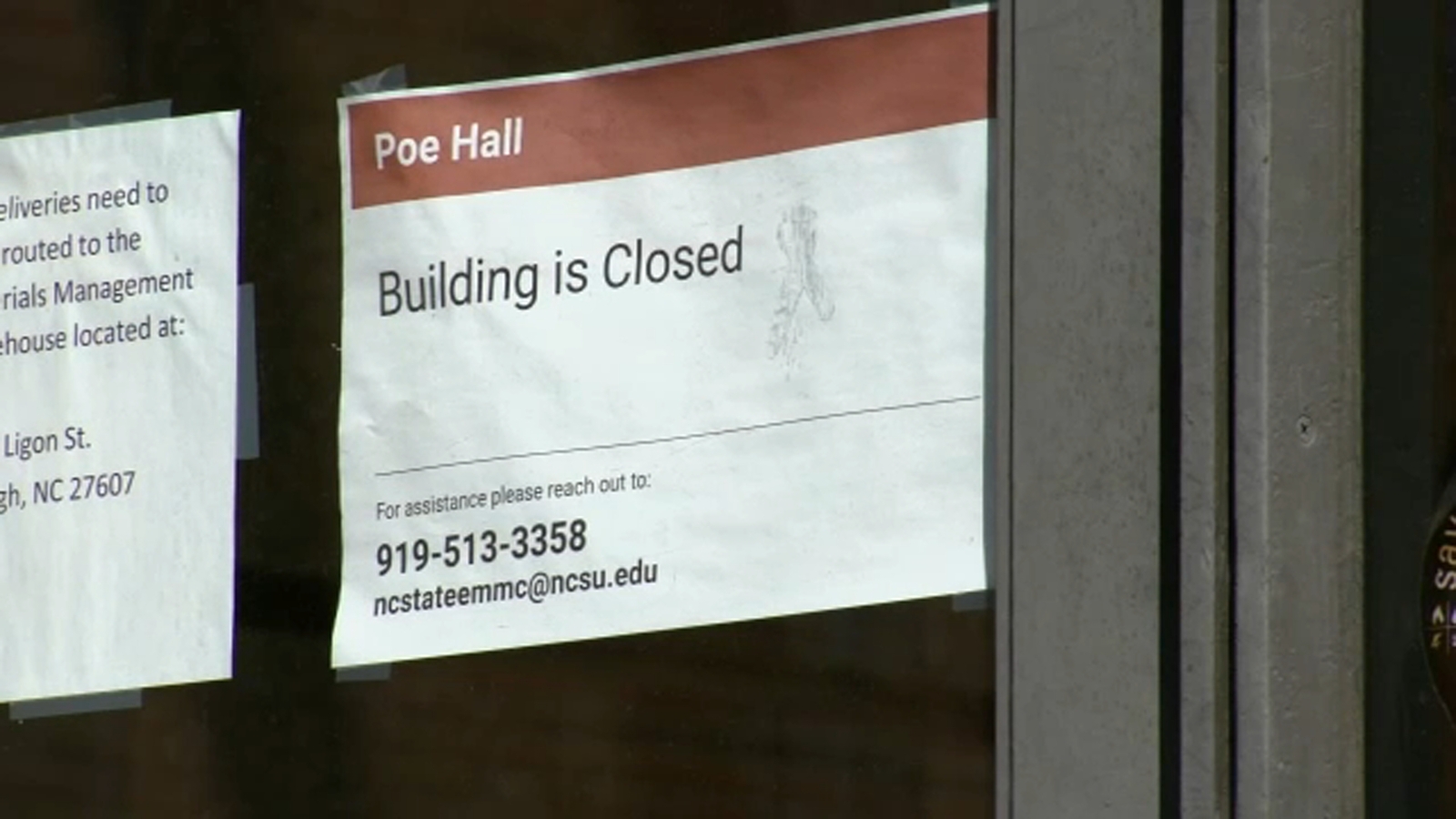
The truth regarding Poe Hall at North Carolina State University centers on the discovery of polychlorinated biphenyls (PCBs) within the building’s infrastructure, which prompted a formal investigation into potential health risks for former occupants. While the university has addressed concerns regarding cancer clusters and environmental safety through rigorous testing and building closure, the situation remains a complex intersection of historical industrial practices, public health anxiety, and institutional transparency.
The Origins of the Poe Hall Controversy
Poe Hall, a prominent structure on the North Carolina State University (NCSU) campus, served as a hub for the College of Education and the Department of Psychology for decades. Constructed in 1971, the building was designed according to the architectural standards of that era. However, as of the mid-2020s, it has become the focal point of a significant environmental and public health inquiry.
The controversy began when concerns were raised by faculty, staff, and alumni regarding a potential correlation between their time spent in the building and subsequent diagnoses of various cancers and illnesses. These reports prompted a series of environmental investigations aimed at identifying whether the physical environment of Poe Hall contained hazardous materials that could have contributed to these health outcomes.
Understanding Polychlorinated Biphenyls (PCBs)
The core of the investigation involves polychlorinated biphenyls, commonly known as PCBs. These are a class of synthetic organic chemicals that were widely used in construction materials—specifically in caulking, sealants, and lighting ballasts—between the 1950s and the late 1970s.
PCBs were valued for their non-flammability, chemical stability, and insulating properties. However, as scientific understanding of these substances evolved, it was discovered that they are persistent environmental pollutants. They do not break down easily and can accumulate in human tissue over time. The Environmental Protection Agency (EPA) eventually banned the manufacture of most PCBs in 1979 under the Toxic Substances Control Act (TSCA), acknowledging their potential as probable human carcinogens and their capacity to disrupt endocrine systems.
Chronology of Testing and Findings
The investigation into Poe Hall did not happen in a vacuum; it was the result of sustained pressure from the university community. Following anecdotal reports of illnesses, North Carolina State University commissioned independent environmental consulting firms to perform comprehensive testing.
Initial Assessments
Early testing focused on air quality and surface samples. Because PCBs are semi-volatile, they can migrate from old caulk into the surrounding air, dust, and porous materials like concrete and brick. The findings confirmed the presence of PCBs in various parts of the building, often at levels exceeding the strict thresholds set by federal and state environmental guidelines for indoor environments.
The Closure of Poe Hall
Based on the results of these assessments, the university made the decision to close Poe Hall indefinitely. This closure was not merely a precautionary measure; it was a necessary step to protect the health of students and faculty while a deeper forensic analysis could be performed. The building was officially shuttered, and departments were relocated to temporary or permanent off-site facilities to ensure academic continuity.
Evaluating the Cancer Connection
A critical aspect of "the truth" about Poe Hall involves the distinction between the presence of hazardous chemicals and the causation of specific diseases. Many individuals who occupied Poe Hall over the last 50 years have come forward with personal stories of cancer diagnoses, ranging from thyroid and breast cancer to various forms of lymphoma and leukemia.
The Challenge of Epidemiological Evidence
From a scientific and public health perspective, establishing a causal link between an environmental factor (like PCBs in a building) and a specific cancer diagnosis in an individual is notoriously difficult. Cancer is a multifactorial disease; genetics, lifestyle, personal history, and exposure to a myriad of environmental agents all play a role.
Public health experts often emphasize that "presence does not equal causation." While the EPA classifies PCBs as probable carcinogens, proving that the PCB levels specifically inside Poe Hall were the direct cause of any single individual's illness requires rigorous epidemiological study—a task that is complex, time-consuming, and often inconclusive due to the long latency periods of many cancers.
University Transparency and Communication
A recurring theme in the discussions surrounding Poe Hall is the degree of institutional transparency. Critics of the university have questioned why it took as long as it did to conduct thorough testing and why historical data on the building’s material composition was not scrutinized earlier.
North Carolina State University has maintained that it has followed all regulatory requirements and utilized expert environmental consultants to navigate the remediation process. However, the emotional toll on those who worked in the building has led to demands for:
- Clearer communication regarding historical test results.
- The establishment of a health registry for former occupants.
- Accountability regarding the long-term management of campus infrastructure.
Environmental Remediation and Building Future
As of 2026, the future of Poe Hall remains a subject of intense debate. Remediation of PCB-contaminated buildings is an incredibly invasive and costly process. Because PCBs can penetrate building materials, removing the "source" often requires significant demolition, not just surface cleaning.
Comparative Management of PCB Contamination
Managing PCB-contaminated historical structures is a global issue, not one unique to NCSU. Many university campuses and government buildings constructed in the 1970s face similar challenges.
| Remediation Strategy | Description | Typical Cost/Complexity |
|---|---|---|
| Encapsulation | Sealing contaminated surfaces with specialized coatings. | Low to Moderate |
| Selective Removal | Removing only the caulk/sealants that contain high levels of PCBs. | Moderate |
| Complete Abatement | Total removal of building materials and structural decontamination. | Extremely High |
| Building Decommissioning | Permanently closing or demolishing the structure. | Variable (Highest long-term) |
Frequently Asked Questions
Is it confirmed that Poe Hall caused cancer in its occupants?
There is no definitive scientific or medical consensus that confirms Poe Hall as the direct cause of cancer for any specific individual. While PCBs are known carcinogens and have been detected in the building, proving direct causation for a specific person's illness is not currently possible due to the complex nature of cancer development and environmental exposure.
What should former occupants do if they are concerned about their health?
Former occupants should focus on proactive health management. This includes speaking with a primary care physician about their concerns, maintaining regular health screenings, and documenting their history of occupancy in the building. It is advisable to consult with medical professionals who are familiar with environmental health issues.
Why wasn't this identified when the building was constructed?
In the early 1970s, PCBs were industry-standard materials used in construction due to their durability and fire resistance. The health hazards associated with low-level, long-term exposure to these chemicals were not as well-documented or regulated as they are today. The current standards for environmental safety have evolved significantly since the building's inception.
Will Poe Hall be renovated or demolished?
As of 2026, no final decision on the fate of the physical structure has been settled. The university is balancing the historical significance of the building, the massive costs associated with complete hazardous material abatement, and the ongoing safety requirements established by environmental regulatory bodies.
Are other buildings on the NCSU campus at risk?
The university has initiated broader testing protocols across campus facilities that share similar construction eras. This proactive approach is intended to ensure that any potential presence of hazardous materials is identified and managed before it becomes a localized issue.
Recommendations for Concerned Parties
For those who spent significant time in Poe Hall and are concerned about potential health outcomes, the recommended path forward is twofold:
- Medical Documentation: Engage with your healthcare providers. Provide them with the timeline of your occupancy in the building and any specific health changes you have observed. Use your medical team to monitor your health rather than relying on self-diagnosis.
- Institutional Engagement: Continue to monitor official communications from North Carolina State University. The university is legally and ethically obligated to share findings from environmental assessments. Participating in any established health surveys or registries provided by the institution or local health authorities can help provide a more accurate picture of the situation.
The story of Poe Hall serves as a reminder of the importance of maintaining and auditing aging infrastructure. While the anxieties surrounding the building are valid, the path to understanding "the truth" requires a commitment to scientific data, careful medical monitoring, and transparent communication between institutions and the communities they serve.
Image Gallery
Select an image to open it in a new tab.
Lars Thomsen
Global Labor Markets and Economic Strategy Editor
