
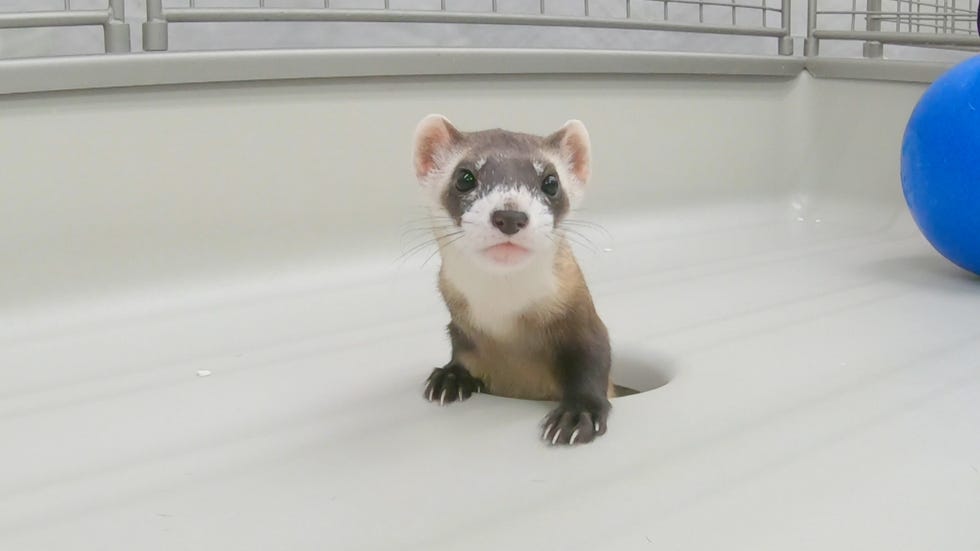
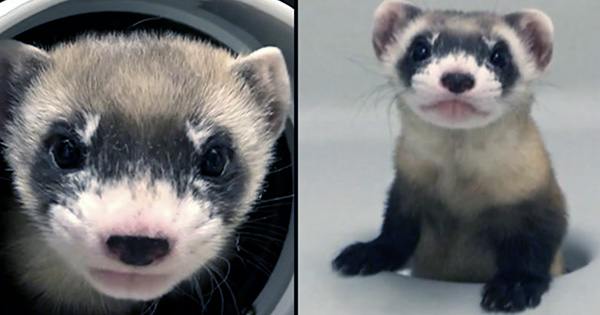
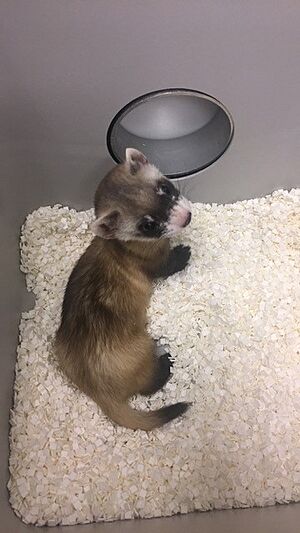
Elizabeth Ann is the first successfully cloned black-footed ferret (Mustela nigripes), a North American endangered species. Born on December 10, 2020, her existence represents a breakthrough in using cryopreserved genetic material to restore population diversity and combat the biological bottlenecks that threaten the long-term survival of one of the continent’s most imperiled mammals.
The Context of the Black-Footed Ferret Crisis
The black-footed ferret was once considered extinct in the wild. Historically distributed across the Great Plains of North America, their populations were decimated by two primary factors: the eradication of prairie dogs—their primary food source—and outbreaks of sylvatic plague, a non-native disease. By the late 1970s, the species was believed to be lost forever.
In 1981, a small remnant population was discovered near Meeteetse, Wyoming, thanks to a ranch dog that brought home a deceased specimen. This discovery led to the capture of the remaining 18 individuals, which became the foundation of a captive breeding program managed by the U.S. Fish and Wildlife Service (USFWS). While the captive breeding program successfully prevented total extinction and allowed for the reintroduction of the species into the wild, it faced a significant genetic limitation. All black-footed ferrets alive today are descended from only seven individuals. This extreme genetic bottleneck has made the species highly susceptible to disease and reduced their overall adaptive capacity.
Understanding the Role of Cloning in Conservation
Cloning, or somatic cell nuclear transfer (SCNT), is a method used to create a genetic duplicate of an existing organism. In the case of Elizabeth Ann, scientists utilized tissue samples taken from a wild-born ferret named Willa, who died in 1988. Willa was not among the seven individuals whose genes populated the captive breeding program. Consequently, her genome contains significant genetic diversity that is currently missing from the surviving population.
By cloning Willa, researchers hoped to introduce "fresh" genes into the pool, potentially strengthening the species’ resilience against threats such as the sylvatic plague and canine distemper. The process involved transferring the nucleus of one of Willa’s frozen cells into an egg cell from a domestic ferret (Mustela furo), which had been stripped of its own genetic material. The domestic ferret then served as a surrogate, carrying the embryo to term.

The Significance of Elizabeth Ann’s Birth
Elizabeth Ann’s successful birth in 2020 at the National Black-Footed Ferret Conservation Center in Colorado was not merely a scientific curiosity; it was a proof-of-concept for the field of conservation biology.
Key Impacts of the Cloning Project
- Genetic Rescue: Elizabeth Ann carries the unique alleles of an ancestor who lived decades ago. If she successfully reproduces, she will pass on these rare genes, theoretically increasing the survival probability of her descendants.
- Biobanking Validation: The success of this project confirms the value of the "Frozen Zoo." Institutions like the San Diego Zoo Wildlife Alliance have spent decades cryopreserving tissues from endangered species. Elizabeth Ann proves that these stored cells are viable biological assets that can be reanimated for conservation efforts.
- Technological Precedent: This milestone provides a roadmap for other species suffering from low genetic diversity. While cloning cannot replace the need for habitat protection and disease management, it provides a powerful secondary tool for species that have already crossed the threshold into extreme inbreeding.
Requirements for Future Success and Reproduction
For Elizabeth Ann to fulfill her purpose, she must contribute to the next generation of black-footed ferrets. However, her life remains carefully managed by experts.
- Monitoring and Health: Because she is a clone, researchers monitor her for potential developmental abnormalities or health issues. Thus far, Elizabeth Ann has reached adulthood without significant health hurdles.
- Reproductive Maturity: As of 2026, the focus has shifted toward ensuring that her contribution to the population is handled ethically and scientifically. The goal is to integrate her genetics into the captive breeding population without compromising the social structures that allow ferrets to thrive.
- Regulatory Hurdles: The USFWS oversees all interactions with the species. Any breeding program involving cloned individuals requires rigorous vetting to ensure that the genetic benefits are balanced against potential risks, such as introducing unknown mutations or causing negative population impacts.
Comparative Overview of Conservation Strategies
The black-footed ferret recovery effort relies on a multi-pronged approach. Cloning is not a replacement for traditional methods but rather an augmentation.
| Strategy | Primary Benefit | Main Challenge |
|---|---|---|
| Captive Breeding | Increases total population numbers | High levels of inbreeding |
| Habitat Restoration | Provides natural environment | Land use conflicts |
| Disease Management | Reduces mortality from plague | Requires constant, intensive intervention |
| Cloning (SCNT) | Introduces lost genetic diversity | Expensive and technically difficult |
Scientific and Ethical Considerations
The use of cloning in wildlife conservation is not without controversy. Critics argue that the resources spent on high-tech interventions could be better utilized for habitat conservation. Others express concern that the success of cloning might provide a false sense of security, leading to a reduction in the pressure to protect natural ecosystems.
However, proponents argue that for the black-footed ferret, the biological bottleneck is so severe that traditional breeding may eventually lead to reproductive failure or extreme disease susceptibility. In this view, cloning is an emergency intervention designed to prevent a terminal genetic decline. The ethical framework governing Elizabeth Ann’s life emphasizes her status as an individual, with welfare standards that exceed those of standard captive breeding stock.
Frequently Asked Questions
Is Elizabeth Ann the only cloned black-footed ferret?
Elizabeth Ann was the first, but she is part of a broader ongoing research project. Scientists continue to explore the use of SCNT and other genomic technologies to expand the genetic diversity of the captive population, focusing on ensuring that the biological risks are minimized.
Can Elizabeth Ann be released into the wild?
There are no current plans to release Elizabeth Ann into the wild. She is a highly valuable genetic reservoir. Her role is to breed within the protective environment of the captive breeding facility, where her offspring can be carefully monitored before any decisions regarding wild reintroduction are made.
Why was a domestic ferret used as a surrogate?
Domestic ferrets are closely related to their black-footed cousins, making them the most viable candidates for pregnancy. They are well-understood biologically, and their reproductive cycles are predictable, which significantly increases the odds of a successful pregnancy compared to using an endangered individual.
How much does it cost to clone a ferret?
Specific costs for the Elizabeth Ann project are not publicly itemized as a single transaction. Instead, the project is part of a long-term budget allocated to the U.S. Fish and Wildlife Service and partner organizations for endangered species recovery. These costs include facility maintenance, specialized laboratory equipment, and expert staffing.
What are the long-term goals for the species?
The ultimate goal is to reach a point where self-sustaining, genetically healthy populations of black-footed ferrets can exist in the wild without the need for intensive human intervention. This requires both the stabilization of prairie dog populations and the effective management of sylvatic plague.
Next Actions for Conservation Supporters
For those interested in the future of the black-footed ferret, the most effective way to engage is through supporting organizations involved in habitat conservation and species monitoring. Public awareness remains crucial, as the survival of the black-footed ferret depends on the health of the prairie dog ecosystem.
- Monitor Official Updates: Follow the U.S. Fish and Wildlife Service for official reports on the black-footed ferret recovery program.
- Support Habitat Protection: Advocate for the preservation of native grasslands, which are essential for both the ferret and its prey.
- Stay Informed on Genomics: Research the intersection of biotechnology and wildlife conservation to better understand how tools like cryopreservation will shape the future of endangered species protection.
Elizabeth Ann serves as a symbol of human capability in the face of ecological loss. While the challenges of habitat loss and disease remain significant, her life provides a glimmer of hope that, through innovative science and sustained human effort, we can maintain the biological richness of our natural world.
Image Gallery
Select an image to open it in a new tab.



Akira Tanaka
International Academic Trends Correspondent
